The United States Have Not Beaten a European Team Under Pochettino and Bosnia Awaits
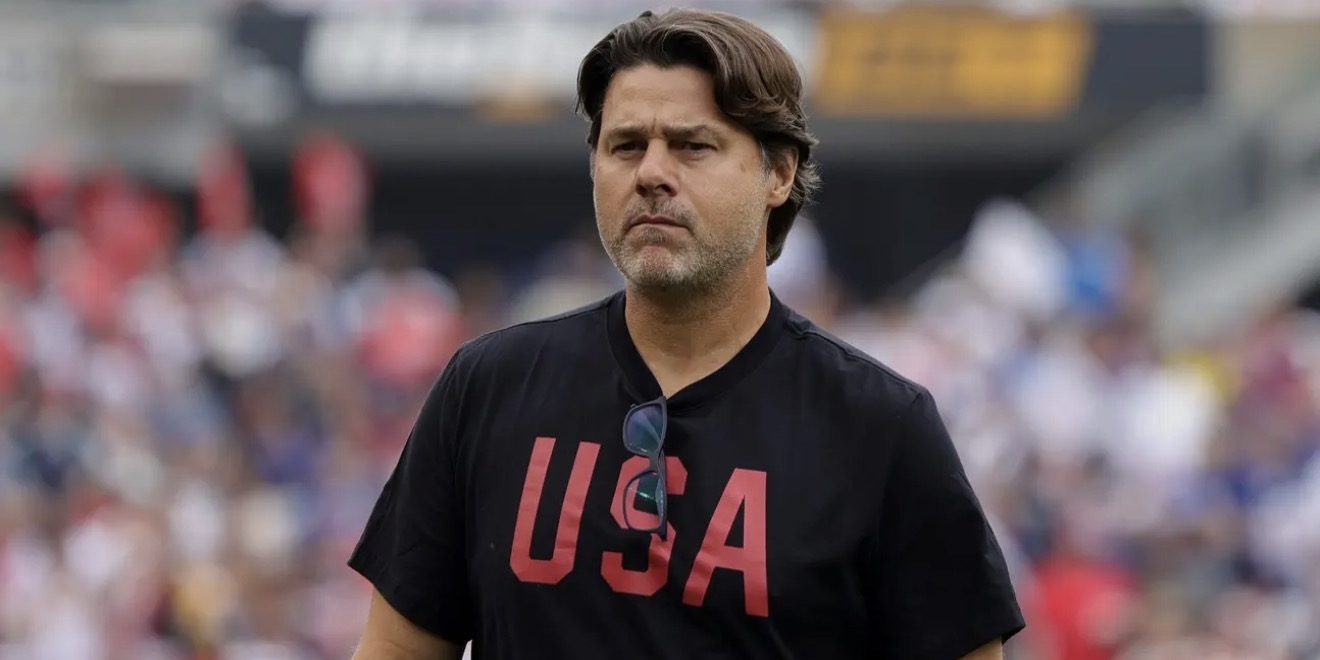

Table of Contents
The United States won its World Cup group, finished above Paraguay and Australia, and gave its home crowds two performances worth framing. Then it ran into Turkiye on Thursday night, lost 3-2, and a number that had been sitting quietly in the background stepped into the light. Mauricio Pochettino’s team has not beaten a European opponent since he took the job. Not once. And the round of 32 hands the Americans exactly that assignment.
The opponent is Bosnia and Herzegovina, on Wednesday, July 1. For a team that has spent eighteen months losing to the continent’s sides, there is a strange comfort buried in the draw, because the last time the United States did beat a UEFA nation, the opponent was Bosnia. That win came in December 2021, under a different coach, in a different cycle. The knockout round has served up a rematch loaded with history the Americans would rather forget.
The record, in cold numbers
Start with the headline figure. Under Pochettino, the United States had lost all six of its games against European opposition before the Turkiye match, scoring six goals and conceding eighteen. The Turkiye defeat made it seven. Widen the lens past Pochettino and the picture gets bleaker. The 3-2 loss extended the team’s losing streak against UEFA opponents to ten matches and its winless run to twelve. Over those twelve games the record reads zero wins, two draws, ten defeats.
The six losses under Pochettino tell a clear story when you line them up:
- June 7, 2025: Turkiye 2, USA 1 (friendly)
- June 10, 2025: Switzerland 4, USA 0 (friendly)
- March 28, 2026: Belgium 5, USA 2 (friendly)
- March 31, 2026: Portugal 2, USA 0 (friendly)
- June 6, 2026: Germany 2, USA 1 (friendly)
- June 25, 2026: Turkiye 3, USA 2 (Group D)
Five of those six were friendlies, which is the detail Pochettino has leaned on whenever the subject comes up. Friendlies are laboratories. Coaches rotate, test fringe players, and accept results that would be unacceptable in a competitive window. The Belgium and Switzerland scorelines came in experimental camps. None of that fully explains a 5-2 or a 4-0, but it softens the edges.
Why Europe keeps doing this to the Americans
The gap is not really about talent on paper. The United States has Christian Pulisic at AC Milan, Weston McKennie and Tim Weah inside Juventus circles, Antonee Robinson at Fulham, and a spine of players who earn their living in the toughest leagues on earth. The problem shows up in the moments European teams specialize in: the second phase of a set piece, the transition after a turnover, the discipline to protect a one-goal lead for twenty minutes without panicking.
European sides punish hesitation. Belgium scored five because the United States kept giving the ball away in dangerous areas and then chasing it. Germany won 2-1 in June by doing very little flashy and a great deal correctly. These are the lessons that do not appear in a highlight reel, and they are the ones a knockout game at a World Cup exposes without mercy.
Pochettino arrived with a resume that suggested he was the man to close the gap. He built attractive, aggressive teams at Tottenham, reached a Champions League final, and managed Chelsea and Paris Saint-Germain. His pedigree against European football is exactly why the winless run stings. The coach who knows the continent best has not yet found a way to beat it in American colors.
The silver lining the draw handed them
There is a case for optimism, and it starts with Bosnia’s ranking. The Bosnians sit 62nd in the world, which makes them the lowest-ranked European team the United States has faced under Pochettino. The previous floor was Turkiye at 32. The ceiling was Portugal at eighth. Beating a side ranked 62nd is a different proposition than trading blows with Belgium or Germany, and the Americans will not face a more winnable European opponent in this tournament.
Then there is the venue and the noise. This is a home World Cup. The crowd that watched the United States top its group will be loud, partisan, and desperate for the kind of result that turns a tournament into a summer the country remembers. Bosnia must travel into that, carrying its own pressure as a team thrilled simply to have reached the knockout round.
The group stage also showed what this American team can be when it plays with structure. The 4-1 win over Paraguay was controlled and clinical. The 2-0 over Australia was professional. Pochettino rested four players carrying yellow cards against Turkiye to protect them from suspension, which is partly why the loss carried an asterisk. The first-choice eleven, fit and focused, is a better side than the one that conceded three on Thursday.
The last European scalp
December 2021 feels like another era of American soccer. Gregg Berhalter was the coach, the team was grinding through World Cup qualifying for the 2022 tournament, and a friendly window produced a win over Bosnia that nobody flagged as significant at the time. It has aged into a curiosity, the most recent occasion this program beat a European nation, and the calendar has now looped back to put the same opponent in front of a new generation.
Almost everything else has changed. The coach is now one of the most decorated managers ever to take the U.S. job. The roster is deeper and more European than it has ever been, stocked with players who line up every week against the continent’s best at club level. On paper the Americans of 2026 should beat European sides more comfortably than the Americans of 2021 did. The results say the opposite, and that contradiction is the puzzle Pochettino was hired to solve.
There is an irony worth sitting with. The strength of this team, that so many of its players earn their living in Europe, was supposed to be the very thing that closed the gap. Instead, the players who face European opposition every weekend keep losing to it when they pull on the national shirt. Club familiarity has not translated into international results, and the reasons sit somewhere in the harder-to-measure space of cohesion, game management, and the few weeks a year the squad actually spends together.
What the Bosnia game really tests
Beyond the scoreline, July 1 is a referendum on whether the United States has actually learned anything. The friendlies against Europe were supposed to be the education. Eighteen months of bruising lessons are meaningless if the team repeats the same errors when it counts. The knockout round is where the curriculum gets graded.
The poetry of facing Bosnia, the only European team it has beaten in years, is almost too neat. A win would not just send the Americans into the round of 16. It would break a hoodoo that has hung over the program through an entire World Cup cycle and answer, at least for one night, the question every American fan has been quietly asking since the group stage ended in defeat. Can this team beat a good European side when the tournament is on the line?
A loss would do the opposite. It would confirm that the group-stage flourish was built on favorable matchups, and that the moment the bracket demanded a European scalp, the same old wall went up. Pochettino’s entire project, the reason U.S. Soccer paid a premium for a coach of his standing, rests on changing that answer.
The bigger picture for a home tournament
The United States is hosting a World Cup with the explicit ambition of using it as a launchpad for the sport at home. A run to the latter rounds would do more for American soccer than a dozen marketing campaigns. The barrier between this team and that run is not a glamorous one. It is a single European side ranked 62nd in the world, and a record that says the Americans cannot beat anyone from that continent.
None of which makes Bosnia a soft touch. They reached the knockout round on merit, they carry the loose, fearless energy of a team playing with house money, and they will not be cowed by a ranking gap or a hostile crowd. Underdogs at a World Cup are at their most dangerous when expectation has been lifted off them, and Bosnia walk in with none. The Americans, by contrast, carry the full weight of a host nation that expects a run. That imbalance of pressure is its own kind of threat, and Pochettino will have spent the build-up trying to keep his players loose enough to play rather than tight enough to freeze.
Bosnia is beatable. The ranking says so, the home advantage says so, and the group-stage form says so. What the history says is the opposite, and the only way to settle the argument is on the field in the round of 32. The United States topped its group and still walked into the knockouts with a question hanging over it. On July 1, against the one nation that represents both its last European win and its next European test, it finally gets the chance to answer.

Leave a Comment
More in News

Granit Xhaka Receives a £136,000 Suspended Fine After Admitting He Forged a Covid Vaccine Certificate

Everton’s American Owners Explore a Sale of the Club Just Two Years After Their £400m Takeover

Sheffield United’s Bettis Says the Club Will Avoid a 12-Point Penalty Over Its Ownership Crisis

Woman Goes To New York Bar—She Really Shouldn’t Have Asked To Sit At Bartop: ‘Feel Like I Should’ve Clocked In’

Kylian Mbappe’s Nightclub Visit and Alps Cycling Video Drew a Mourinho Reprimand as Real Madrid’s Dressing Room Stays Icy
Trending on Futbol Chronicle
Michael Carrick admits Manchester United have “no excuses” after AC Milan defeat

Map of All the Premier League Teams for 2025/26
Celta Vigo postpones LaLiga opener after fungus outbreak damages stadium pitch
The Best World Cup YouTubers to Follow in 2026