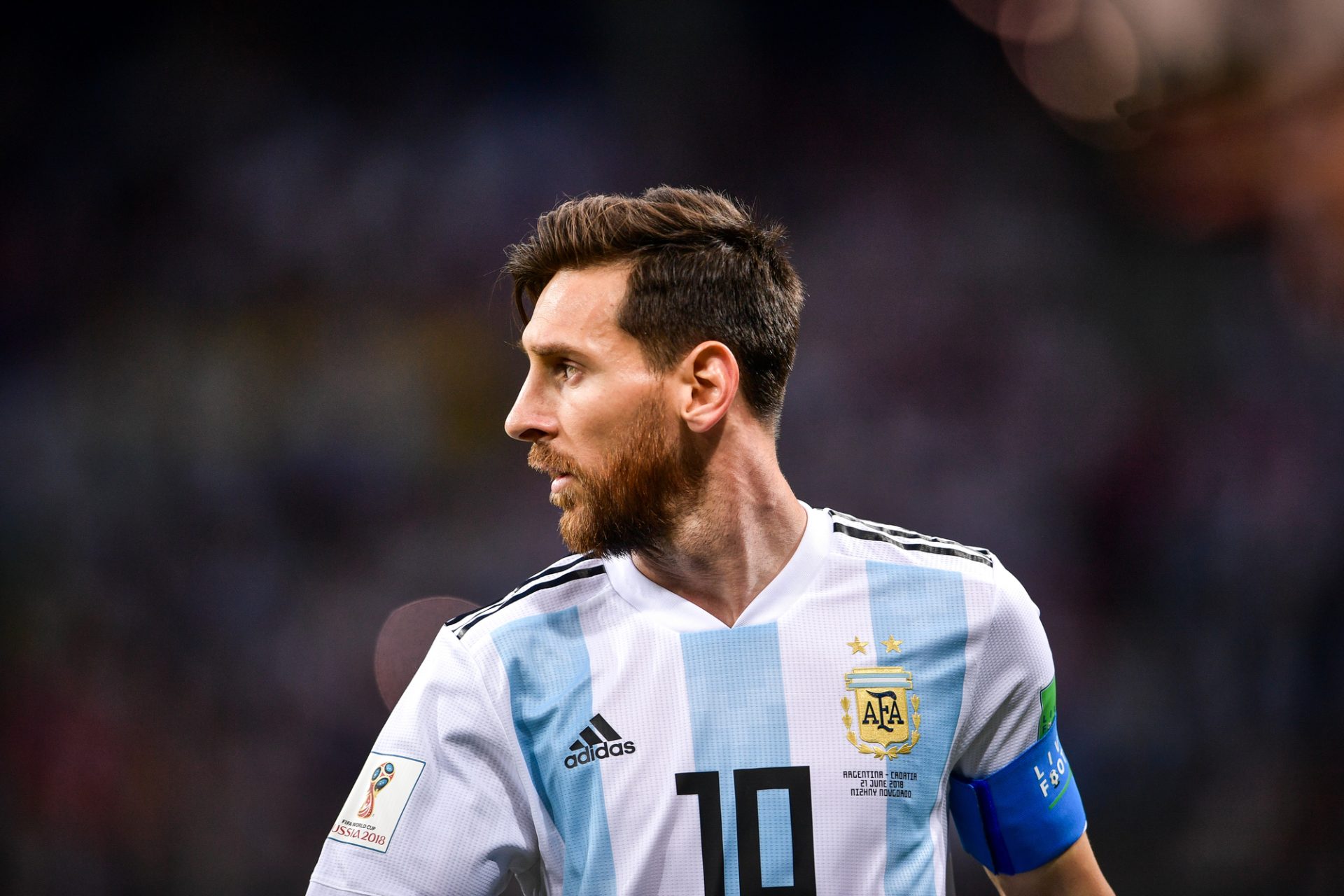
Weston McKennie Discovered Soccer on a German Air Base and Now Anchors the USA
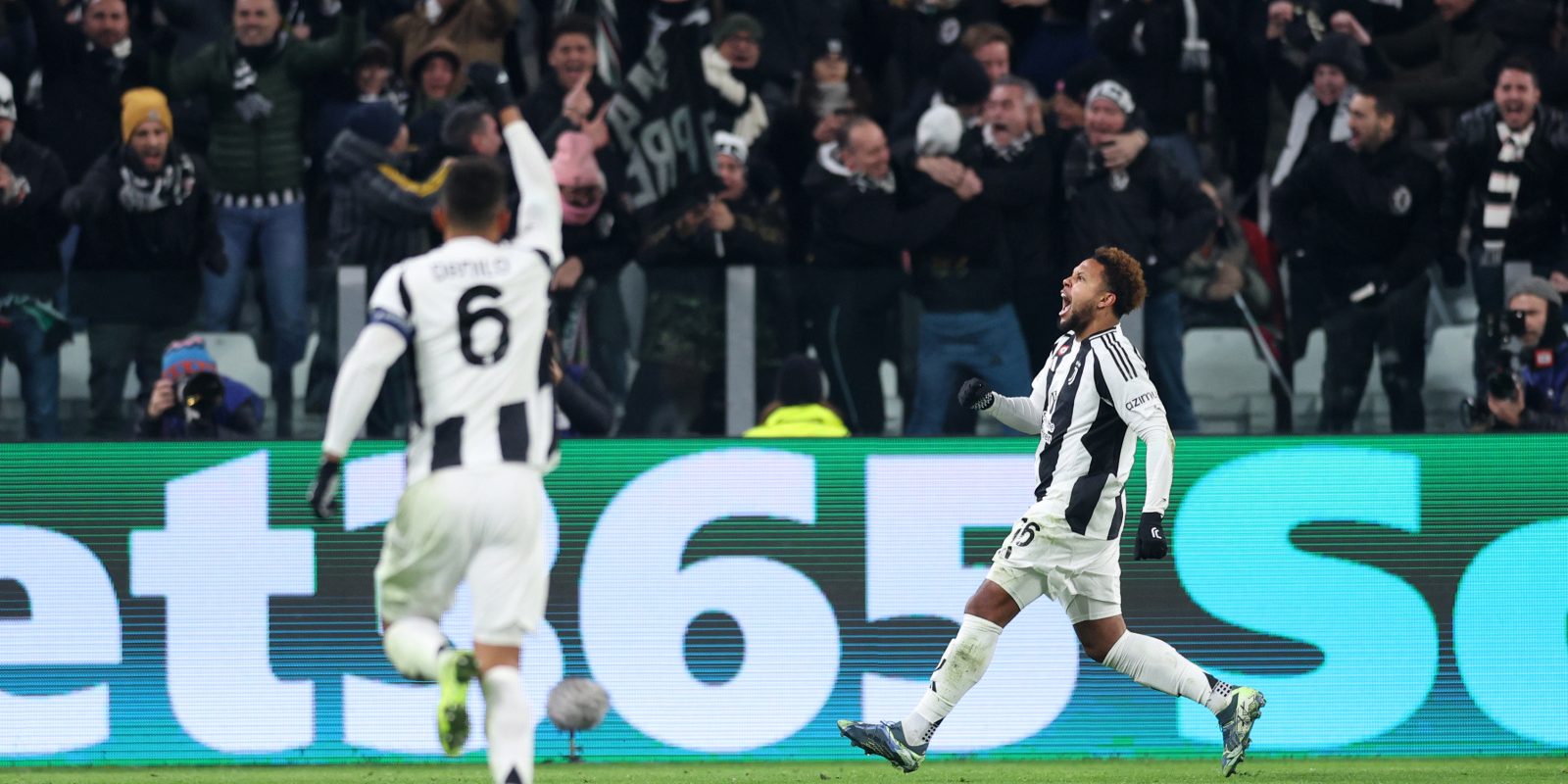

Table of Contents
Weston McKennie did not know soccer was a sport until his family landed in Germany. He was five years old, the son of an Air Force father stationed near Ramstein Air Base, and the game simply was not part of his world back home in Texas. Then he watched the United States beat Poland in a friendly in nearby Kaiserslautern ahead of the 2006 World Cup, met Landon Donovan and Carlos Bocanegra afterward, and something clicked. Two decades later, the boy who had never heard of the sport is the engine of a United States team carrying the weight of a home World Cup.
The path from that German air base to the heart of the USMNT midfield is one of the more improbable rises in American soccer, and it explains a lot about why McKennie plays the way he does. He is an Army brat who learned the game in two countries, broke through in a third’s toughest league as a teenager, and built himself into a mainstay at Juventus, one of the most demanding clubs in Europe. Nothing about his career has been handed to him.
A Childhood on Two Continents
McKennie spent three formative years in Kaiserslautern while his father served at Ramstein, and it was there that he fell for football. “I didn’t even know soccer was a sport,” he has said of his early childhood, a line that sounds like a joke until you remember he was a small kid raised on American sports until the move overseas rewired his sense of what athletes did. Germany changed that. The neighborhood pitches, the club culture, the sheer presence of the game everywhere he looked planted something that never left him.
When the family relocated back to the United States and settled in Little Elm, a suburb north of Dallas, McKennie brought the game with him. He joined the FC Dallas youth academy in 2009 and stayed until 2016, developing into one of the most promising young midfielders in the region. He had options. FC Dallas offered him a homegrown contract, the conventional and comfortable route into Major League Soccer. He turned it down.
The Bet on Schalke
Instead, McKennie did something few American teenagers had the nerve to do. He went back to Germany, signing for Schalke in August 2016 and joining the club’s under-19s, where he worked under the renowned youth coach Norbert Elgert, a man with a reputation for sharpening raw talent into Bundesliga players. It was a gamble. He was a teenager moving 5,000 miles from home to a league that does not wait for anyone, with no guarantee he would ever play a senior minute.
It paid off faster than anyone expected. Within two short years, McKennie went from an untried teenage hopeful to an established member of the starting lineup for both Schalke and the United States, making his senior national-team debut in 2017. He scored on that debut. The versatility that would define him, the ability to play across midfield and even fill in at the back or out wide, was already evident. Elgert had taken a willing American kid and turned him into a professional.
The move to Schalke taught McKennie a lesson that has shaped everything since: comfort is the enemy of growth. He could have stayed in Texas, played in MLS, and probably enjoyed a fine career. He chose the harder road because he believed it would make him better. American players who followed, the ones who now populate squads across Europe’s biggest leagues, owe a debt to the handful of pioneers like McKennie who proved a teenager from the suburbs could survive and thrive in the Bundesliga.
It is easy to forget now how unusual that decision was at the time. The accepted wisdom in American soccer held that young players should bank guaranteed minutes at home before risking a move abroad, and that the Bundesliga was no place for an 18-year-old still learning the professional game. McKennie ignored all of it. He arrived in Germany without the safety net of a big-money transfer or a famous name, just a willingness to be coached and a stubborn belief that he could compete. The early months were hard, the language a barrier and the standard a shock, but he stuck it out. By the time he forced his way into Schalke’s first team, the gamble looked less like recklessness and more like foresight.
Juventus and the Making of a Leader
Schalke earned McKennie a move to Juventus, and Turin is where he grew up as a player. He arrived at a club where every training session is scrutinized and every match carries the expectation of victory. A loan spell at Leeds United gave him a taste of the Premier League before he returned to Italy and made himself indispensable. This season he scored at least 10 goals, becoming the third Juventus midfielder to reach that mark, and across his time at the club he has racked up 26 goals and 20 assists, remarkable output for a player whose first job is to win the ball back and drive the team forward.
Juventus rewarded him with a contract extension that ties him to the club through 2030, a vote of confidence that says as much about his professionalism as his talent. McKennie is not the flashiest midfielder. What he offers is relentless running, goals from deep, and the kind of competitive edge that lifts the players around him. Mauricio Pochettino, who took charge of the USMNT, made a clear bet on McKennie as a central figure, and the midfielder has repaid it.
The Player They Cannot Replace
What makes McKennie valuable to the United States is hard to capture in a highlight reel. He is not a pure holding midfielder, not a classic playmaker and not an out-and-out goalscorer, yet he does a little of all three, and he does it with a physicality American teams have historically lacked in central areas. He wins second balls, breaks up attacks, and then appears in the opposition box moments later to finish a move he helped start. Managers love that kind of player precisely because there is no obvious substitute. Take him out and the whole shape of the team shifts.
His versatility has occasionally been a curse as well as a blessing. Over the years he has been asked to play right-back, wing-back, defensive midfield and an advanced role, sometimes within the same week for club and country. A lesser professional might have resented the constant reinvention. McKennie embraced it, treating each new assignment as another way to make himself useful. That adaptability is part of why Juventus, a club not known for sentiment, kept extending his contract through season after season of managerial change.
There is also the matter of temperament. McKennie plays with an edge, a willingness to put his body in places more cautious players avoid, and a refusal to hide when matches turn ugly. For a young United States side feeling the full glare of a home World Cup, having a midfielder who actively wants the ball when things get tense is worth as much as any tactical instruction. He has been through two World Cup cycles and a relegation fight at Schalke. Very little rattles him now.
The Spine of a Home World Cup Team
For the United States, McKennie is one of the first names on the team sheet. He lines up in central midfield alongside captain Tyler Adams and just behind Christian Pulisic, a trio that forms the spine of Pochettino’s side. The USMNT opened the tournament with a statement 4-1 win over Paraguay on June 12, an electric display in which the attacking talent caught the eye but the midfield control underneath it made the performance possible. McKennie’s energy and end product are exactly what a host nation needs when the pressure of expectation threatens to suffocate young players.
There is a neat symmetry to his presence at this World Cup. The competition that first introduced him to the sport was a 2006 friendly tied to a World Cup in Germany. Now the tournament has come to his country, to the soil where his story began before it detoured across the Atlantic and back. The kid who met Donovan and Bocanegra as a wide-eyed five-year-old is now the experienced head American teenagers will study and try to emulate.
What His Story Says About American Soccer
McKennie’s career is a snapshot of how the United States built a generation good enough to host and contend at a World Cup. It did not happen through one academy or one league. It happened through players willing to chase the game wherever it led, to leave home as teenagers, to test themselves against the best rather than settle for the comfortable. His military upbringing gave him an unusual head start, two countries and two cultures stitched into one player, but the willingness to keep choosing the difficult path was his own.
As the United States push deeper into their home tournament, McKennie carries that history with him every time he steps onto the field. He is the bridge between the scrappy American teams of the past and the ambitious side Pochettino is trying to build, a player forged on a German air base and tempered in Italy who came home at the perfect moment. Whatever the United States achieve this summer, the boy who did not know soccer existed will have been right at the center of it.

Leave a Comment
More in News
Mourinho Blasts Referee After Atletico Avoid Two Red Cards in Madrid Derby

Cole Palmer Withdraws From England Squad as Gibbs-White Returns Again

Marseille Fans Turn on Owner McCourt as Gomes Can’t Prevent Fifth Straight Loss

Juventus Fans Turn Backs on Silence for Mazzola, Club Slams ‘Lack of Respect’

Trent Alexander-Arnold Returns to the England Squad for the First Time in Over a Year, and Cole Palmer Is Back Too After Their World Cup Snub
Trending on Futbol Chronicle
Michael Carrick points to lack of sharpness after Manchester United draw with West Ham

The Best World Cup YouTubers to Follow in 2026
Arab football federations back Gianni Infantino as FIFA president faces growing opposition
Cristian Romero completes €40m move from Tottenham to Atlético Madrid