
Why Harry Maguire’s Handball Goal Was Allowed to Stand, and Why the Law Leaves Everyone Frustrated


- Harry Maguire’s shot struck his own arm before deflecting off Jacob Greaves and into the net, but the goal was awarded because it was officially an own goal rather than a Maguire strike
- VAR Jarred Gillett told referee Craig Pawson the accidental handball was not punishable under the current exemption rules, which allow goals to stand when a defender’s action results in an own goal
- Manchester United went on to win 5-2 thanks to a Bruno Fernandes hat-trick, but the decision reignited debate about a handball law that continues to confuse fans and pundits alike
The technicality that saved Maguire’s blushes and reopened football’s most frustrating debate
The ball came off Harry Maguire’s arm. He moved forward into the box. His shot found its way into the back of the net. And somehow, the goal stood. That sequence of events during Manchester United’s 5-2 victory over Ipswich Town on Saturday left supporters, pundits and even former professionals shaking their heads at a handball law that continues to baffle the sport.
Under the current rules, any handball by the scorer means a goal must be disallowed. That much is clear. The problem is that Maguire did not actually score the goal. His effort was heading well wide of the target before it deflected off Ipswich defender Jacob Greaves and into the net. It was officially recorded as an own goal, and that single distinction changed everything.
The laws of the game contain three exemptions for when accidental handball by the attacking player does not result in a goal being chalked off: when the goal is not immediate, when the goal is scored by a teammate, and when the action of a defender results in an own goal. Maguire’s situation fell squarely into the third category.
VAR Jarred Gillett confirmed the reasoning to referee Craig Pawson during the review: “It’s an own goal and the accidental handball is not punishable, so we recommend you award the goal.” Had Gillett judged the handball to be deliberate rather than accidental, the goal would have been ruled out. But the contact was deemed unintentional, and the own goal exemption applied.
It is not without precedent. A similar situation occurred in January 2023 when Brentford faced Liverpool. The ball accidentally struck the arm of Ben Mee and ended up in the net, but because Mee’s effort was not heading toward goal and deflected off Ibrahima Konate for an own goal, it was allowed to stand under the same provision.
Ipswich boss Gary O’Neil acknowledged the complexity of the situation, telling Sky Sports that it is “tough for a referee” to judge on what is a “complicated rule.”
Former England goalkeeper Paul Robinson, speaking on BBC Radio 5 Live, directed his frustration at the law itself rather than the officials enforcing it. “Once again we are victims of the law,” said Robinson. “You can’t criticise the VAR officials because they are enforcing the law that they are given. They train extremely hard, they learn their profession but it was a handball and Harry Maguire who struck the shot. Thankfully that wasn’t a game-defining goal. How many times has the handball law been changed?”
Former Ipswich forward and Sky Sports pundit Darren Bent shared the sense of unease. “It’s one of those rules where I understand because it’s there in black and white, but it still doesn’t feel right,” Bent said. “Harry Maguire directly impacts what happens to the ball and it ends up in the back of the net at a crucial time for Ipswich. If it hits your hand and he is the one that directly impacts it, it’s not a nice one to take.”
Manchester United went on to win comfortably thanks to a Bruno Fernandes hat-trick, which means the decision did not ultimately alter the outcome. But that will be of little comfort to those who feel the handball law, despite its well-intentioned exemptions, continues to produce moments that feel wrong to everyone watching. The rules were followed to the letter. Whether the letter of the law reflects the spirit of the game is another question entirely.

Leave a Comment
More in News

Lisandro Martinez Apologises and Is Fined After Criticising Manchester United Hierarchy
Gareth Southgate Rules Out Premier League Return, Says He Stopped Enjoying Wins

Jadon Sancho Gets Formal Getafe Offer Five Years After £73m Move

Woman Cooks Ground Beef From Grocery Store. Something In The Pan Catches Her Eye—So She Throws It All Away: ‘At Least You Know It’s Real’

Antoine Semenyo Froze After Alleged Racist Abuse at Anfield, Court Hears
Trending on Futbol Chronicle
Map of All the Premier League Teams for 2025/26
Michael Carrick admits Manchester United have “no excuses” after AC Milan defeat
Arab football federations back Gianni Infantino as FIFA president faces growing opposition
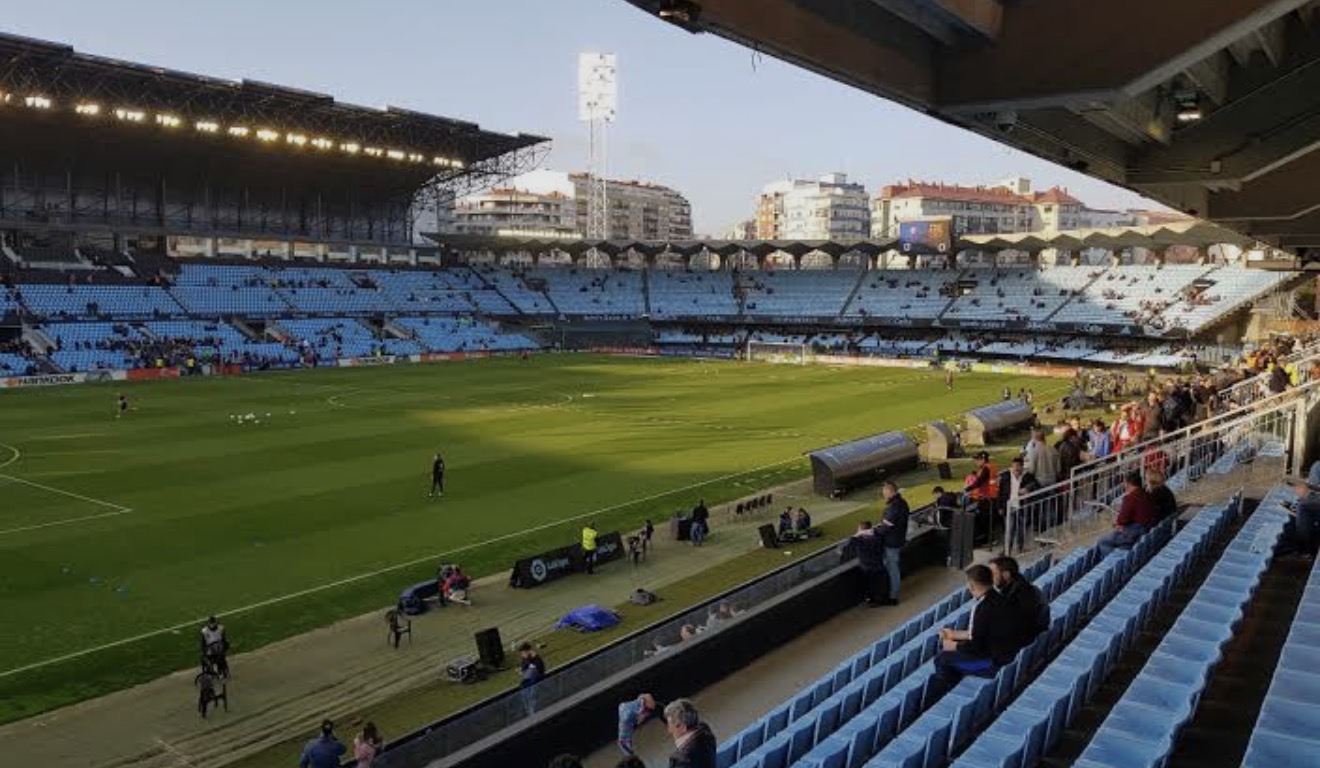
Celta Vigo postpones LaLiga opener after fungus outbreak damages stadium pitch