Why the USMNT Plays With a Back Four That Becomes a Back Three
Table of Contents
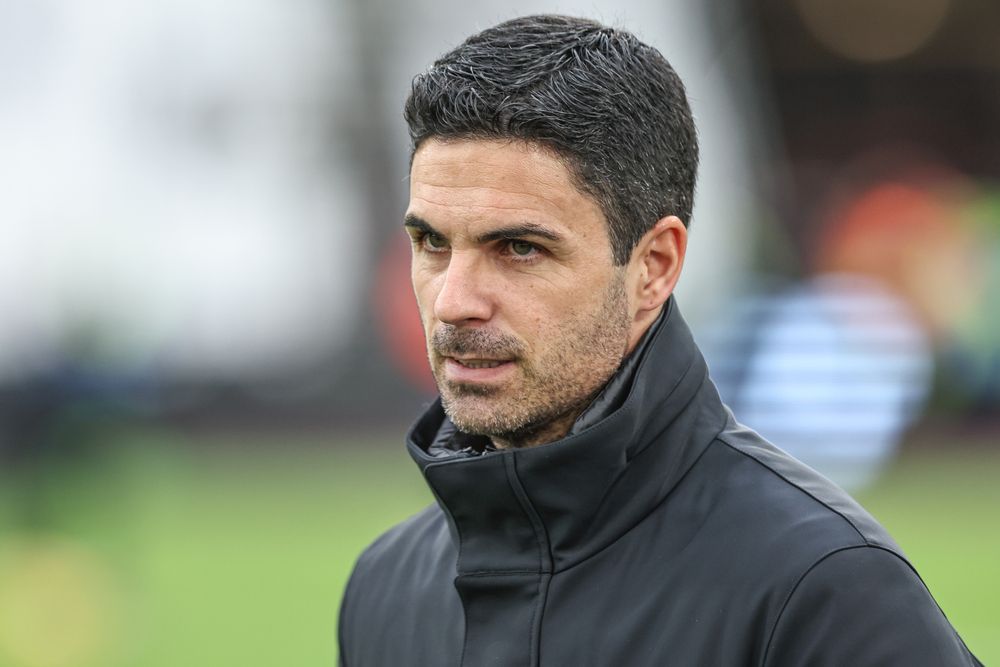
Ask five American soccer fans what formation the United States plays under Mauricio Pochettino and you may get five different answers. A back four. A back three. A 4-2-3-1. Something with wingbacks. The argument has rumbled through podcasts, social media and tailgates all spring, and on the eve of the team’s home World Cup opener against Paraguay, it is worth settling once and for all. The answer, unhelpfully and fascinatingly, is: both. The United States plays with a back four that becomes a back three the moment it wins the ball, and understanding that single idea unlocks everything Pochettino has built.
This is not tactical mysticism. It is one of the defining ideas of modern soccer, and the U.S. has adopted it as thoroughly as any national team at this tournament. Here is how it works, why Pochettino chose it, and what to watch for when the whistle blows in Los Angeles on Friday night.
One Team, Two Shapes
The key mistake fans make when reading a lineup graphic is assuming a formation is one fixed thing. Modern teams have at least two shapes: one with the ball and one without it. The lineup released an hour before kickoff describes neither; it is closer to a seating chart than a game plan.
The analytics site Backheeled, which conducted a detailed film study of Pochettino’s tenure in June, traced the pattern back to his very first match in charge, against Panama in October 2024. Out of possession, the United States defends in a familiar 4-4-2: two banks of four, two forwards screening, compact and conventional. In possession, the same eleven players flow into a 3-2-5: three players across the back, two midfielders in front of them, and five spread across the attacking line. As Backheeled’s Ben Wright put it, “it can be both.”
The transformation happens at the fullback positions, and it is asymmetric. In that first Panama match, left back Antonee Robinson pushed high up the wing like an extra winger while right back Joe Scally tucked in alongside the center backs, with Yunus Musah holding width high on the right. One fullback attacks, the other becomes a third center back. The back four becomes a back three without a single substitution.
Why Bother? The Math of the Buildup
The obvious question is what all this shape-shifting actually buys you. The answer is numbers, in two places at once.
In buildup, three defenders against two pressing forwards means a free man, and a free man means the press can be played through rather than kicked over. Two holding midfielders give the back three short passing options, and the five players ahead of them pin all four defenders plus at least one midfielder. Somewhere on the field, the opponent is outnumbered. The whole apparatus exists to find that spot quickly.
Defensively, the logic reverses. A 4-4-2 block is the most drilled, most familiar defensive structure in the sport, easy to teach and hard to break down. By defending in one shape and attacking in another, Pochettino gets the best of both worlds: orthodoxy without the ball, overloads with it.
The cost is that the players in the hybrid roles carry enormous responsibility. Robinson essentially plays two positions per match, which is why his engine is among the most valuable assets on the roster. The tucking fullback has to read the game like a center back. And the two holding midfielders must manage what coaches call rest defense, the structure that exists at the moment the ball is lost, because a 3-2-5 that loses the ball carelessly is a counterattack waiting to happen. The analysts at USL Tactics have made the same point about the press: all the attacking talent means little if the 4-4-2 pressing structure is not locked in, with clean communication between the lines and a plan for second balls.
Vibes, Competition and 60 Players
What makes the U.S. setup unusual is not the system itself, which Pep Guardiola, Mikel Arteta and half of Europe’s elite have used in some form for a decade. It is how Pochettino arrived at it. CBS Sports has described the Argentine as deliberately branding himself the vibes guy, a coach who resists letting tactics define his project and talks instead about feeling, identity and competition for places.
The numbers behind that philosophy are striking. Across the 24 matches before he named his World Cup roster, Pochettino called up more than 60 players, essentially auditioning the entire eligible pool. Veterans were dropped and recalled. Nobody was guaranteed anything. The message was that the shirt had to be earned every camp, and by the time the 26-man roster was named, the survivors knew the system cold because they had been fighting for their places inside it for nearly two years.
The results down the stretch suggest the approach is paying off. The Americans closed their preparation with a win over Senegal in late May, a match in which Christian Pulisic ended a months-long scoring drought, and a final tune-up against Germany in early June that left the camp visibly confident. Players emerged from that final friendly talking openly about being able to play with anyone, which is exactly the mentality a host nation needs.
What to Watch Against Paraguay, Australia and Turkey
The U.S. opens Group D against Paraguay in Los Angeles on June 12, faces Australia in Seattle on June 19, and closes against Turkey back in Los Angeles on June 25. Each opponent stresses the system differently.
Paraguay will likely sit deep and compact, daring the U.S. back three to break them down; watch how quickly the ball moves from the buildup trio into the front five, because slow circulation plays into a low block’s hands. Australia historically presses with commitment, which will test the free-man math directly; if the Socceroos send three players at the American back line, space opens behind them for the front five. Turkey, the most technically gifted side in the group, will pose the rest-defense question: when the U.S. loses the ball in its 3-2-5, can the two holding midfielders and the back three smother the counter before it reaches full speed?
Tournament play adds one more wrinkle. FIFA’s faster offside technology debuts at this World Cup, and teams that attack with five players high, as the U.S. does, live closer to the offside line than anyone. Margins measured in centimeters will decide goals.
The Bigger Bet
Strip away the chalkboard and Pochettino’s project amounts to a wager: that an American team with the most talented player pool in its history needed structure flexible enough to use all of it, and a culture demanding enough to sharpen it. The 3-2-5 gets Pulisic, Tim Weah, Weston McKennie and the fullbacks on the field in their best roles simultaneously. The 4-4-2 keeps the team solid when the talent does not click. And the two-year audition process means every player in the squad has survived genuine competition to be there.
Home World Cups tend to be remembered for runs nobody saw coming. If the United States makes one, it will not be because of vibes alone, whatever the coach says. It will be because eleven players spent two years learning to be two teams at once, and because the question that puzzled American fans all spring, back three or back four, turned out to have the most satisfying answer in sports: yes.

Leave a Comment
More in News

Trent Alexander-Arnold Returns to the England Squad for the First Time in Over a Year, and Cole Palmer Is Back Too After Their World Cup Snub

Gabriel’s Boot Caught Emiliano Martinez in the Head, and a Five-Person Premier League Panel Ruled It Was Never a Red Card

Floyd Samba Scores a Debut Double as a Teenager

Tottenham Spent £300m This Summer and Have Not Scored in Four Premier League Games for the First Time in the Club’s 144-Year History

Cyle Larin Scored Once in 15 Games on a Failed Feyenoord Loan, and Is Now Outscoring Kylian Mbappe and Erling Haaland at Southampton
Trending on Futbol Chronicle
Michael Carrick points to lack of sharpness after Manchester United draw with West Ham
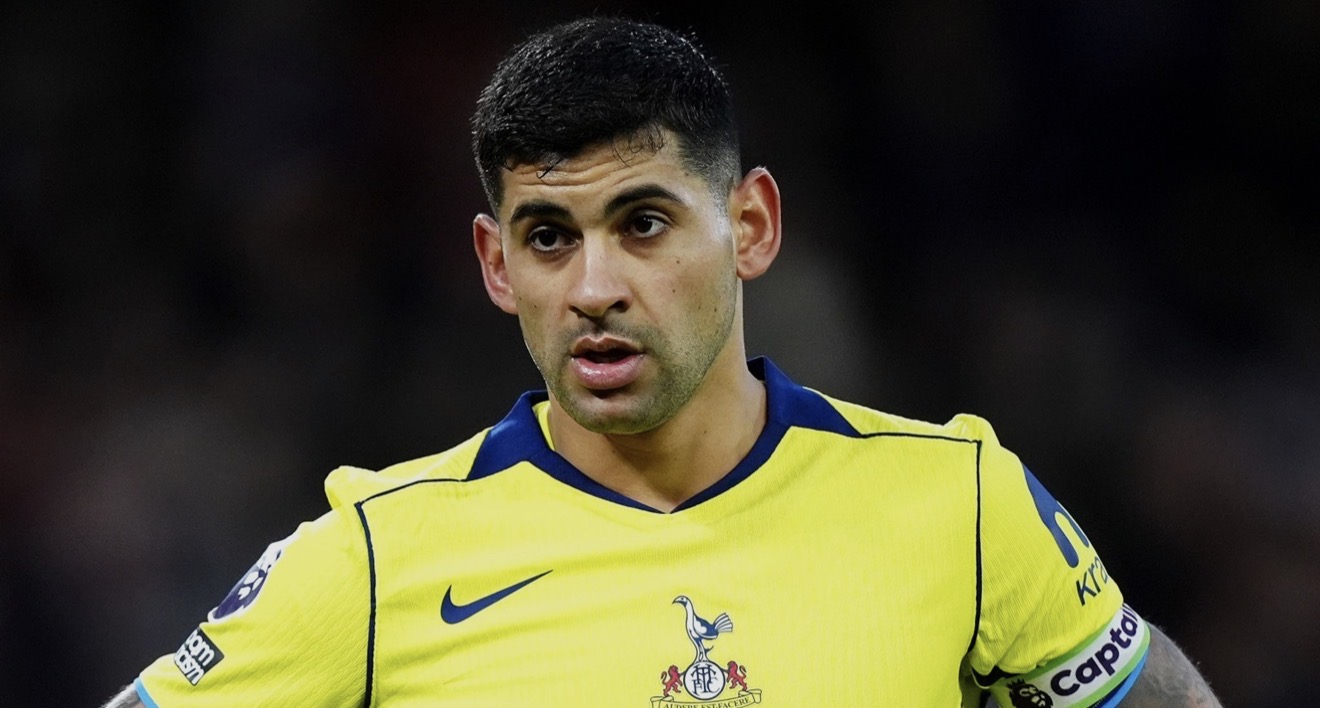
Cristian Romero completes €40m move from Tottenham to Atlético Madrid
The Best World Cup YouTubers to Follow in 2026
The Best Soccer Players of All Time: The 10 Greatest Ever Ranked