Man United hit Money League low as Madrid cashes in
- Real Madrid top Deloitte’s Money League after posting record revenue of €1.2bn, while the top 20 clubs combined reach a record €12.4bn.
- Manchester United slide to eighth, their lowest placing, after broadcast income drops to €206m and a lighter home schedule threatens matchday takings this season.
- Deloitte says the richest clubs are widening the gap by building matchday and non matchday income streams, not living off football results alone.
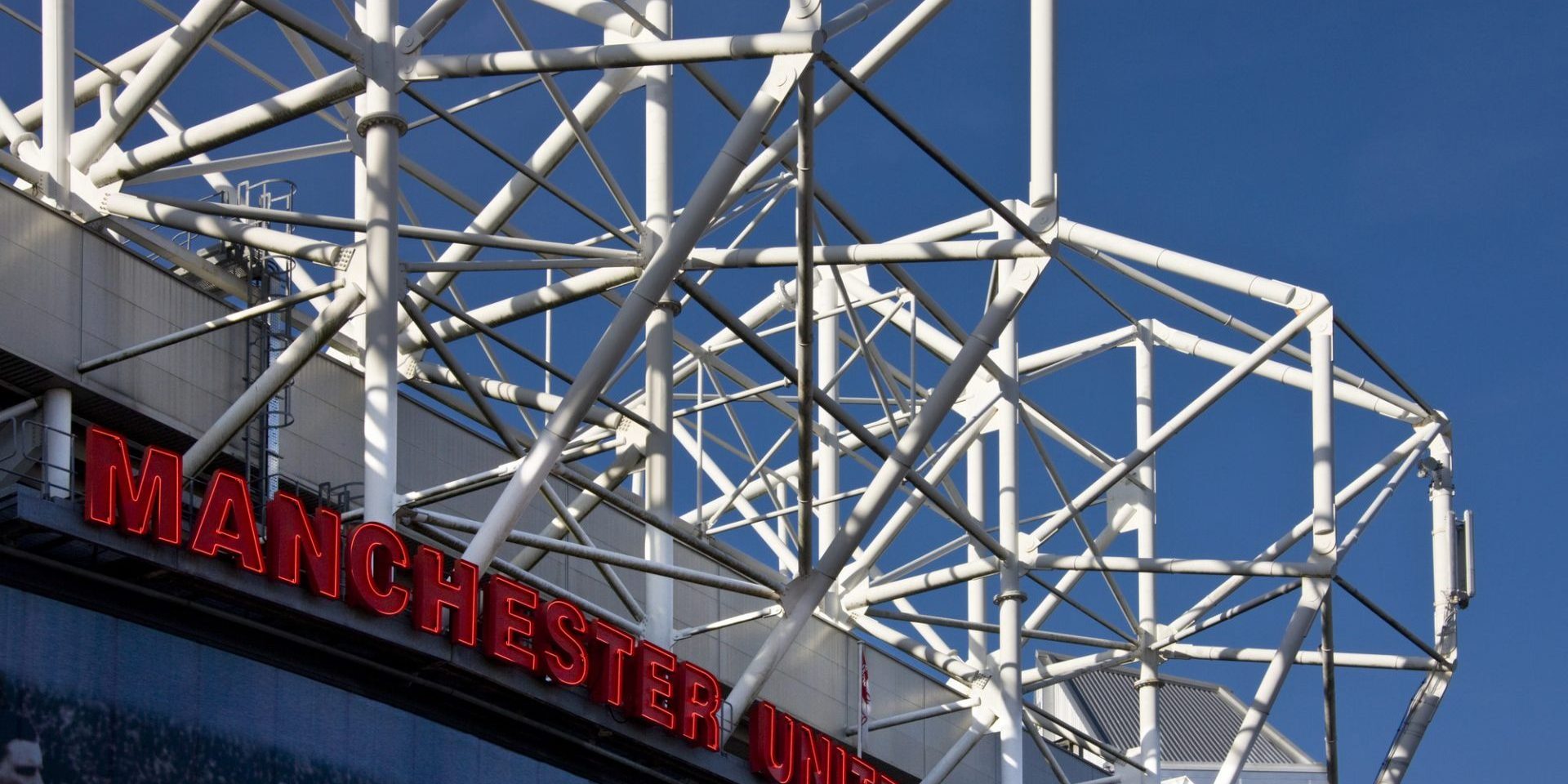
Manchester United have fallen to their lowest position in Deloitte’s annual Football Money League rankings, dropping to eighth as Real Madrid return to the top and post record revenue.
Deloitte said Madrid generated €1.2 billion, with the top 20 clubs clearing a combined €12.4 billion, another record and an 11 percent rise on the previous Money League season. United’s slide comes in a table where Liverpool are the highest earning English club in fifth, with Barcelona second, Bayern Munich third and Paris Saint Germain fourth completing the top five. Arsenal sit seventh, one place ahead of United, while Manchester City are sixth.
Two new clubs enter Deloitte’s top 20 list. Stuttgart rank 18th after bringing in €296.3m, while Benfica finish 19th on €283.4m. Deloitte splits revenue into three main streams and says commercial income remains the largest slice at 43 percent of the total. Matchday revenue is the fastest growing, up 16 percent year on year and worth 19 percent of the total, while broadcasting rights account for the remaining 38 percent and rise 10 percent. Deloitte adds that the 10 clubs involved in the Club World Cup last summer saw their broadcast revenues rise 17 percent.
United were once the commercial benchmark in football, topping the Money League in 10 of its 29 editions, most recently in 2017. Deloitte’s latest figures underline how far they have slipped. Their broadcast revenue drops from €258m to €206m after they miss the Champions League in the 2024 to 2025 season. Their matchday outlook also weakens in the current campaign, with no European football at all and early exits in both domestic cups leaving only 20 competitive fixtures at Old Trafford in 2025 to 2026.
Tim Bridge, Deloitte’s Sports Business Group Leader, told the Press Association that the clubs with the biggest brands are now pushing to turn stadiums into year round venues, and that United are playing catch up.
“The clubs with the biggest football club brands and position in the market have an opportunity to broaden their reach and offer more to fans on a matchday, offer more to fans on a non matchday, and become a more 365 days a year touch point. United are probably only just starting that journey now, because of the reported stadium development.
“If you went back 10 or 15 years, and you looked at Manchester United’s matchday revenue it was the industry leader. If you looked at their ability to generate commercial revenue, it was the benchmark by which everybody then went to market and set their strategy. I don’t think that remains the case.
“The opportunity remains for Manchester United. They are arguably still the biggest global football club brand, and therefore they have the opportunity to maximise that in a way that is only possible for a select few.
“But to do that requires fit for purpose facilities. As the industry evolves, clubs should ask themselves whether there is a need to rethink how they engage with fans and how that relationship works. With reports of the new stadium, it is clear they have started to do some of that, so it’s very clear they’re thinking in that way. Their timing of making that change is behind Real Madrid and Barcelona, but the opportunity remains.”
Liverpool’s rise to fifth is helped by a return to the Champions League in 2024 to 2025 and a seven percent increase in commercial revenue from non matchday events at Anfield. Deloitte’s table also marks the first time no English club sits inside the top four, with Madrid, Barcelona, Bayern and PSG all benefiting from deep runs in the expanded Champions League and the expanded Club World Cup.
Bridge said the next Money League, reflecting the Premier League’s new broadcast deal, should lift English clubs, yet the top end will still be defined by the sides that pair success on the pitch with stronger income streams away from it.
“The trick to staying [in the top five] is maintaining both of those. It used to be you only had to maintain one of them. Now, in 2026, we’re at a point where the highest revenue generating clubs are probably broader than football,” he said.
City’s sixth place is their lowest position since the Covid 19 impacted 2019 to 2020 season. In total, nine Premier League clubs feature in Deloitte’s top 20, with Tottenham ninth, Chelsea 10th, Aston Villa 14th, Newcastle 17th and West Ham 20th joining Liverpool, City, Arsenal and United.

Leave a Comment
More in News
Mourinho Blasts Referee After Atletico Avoid Two Red Cards in Madrid Derby

Cole Palmer Withdraws From England Squad as Gibbs-White Returns Again
Marseille Fans Turn on Owner McCourt as Gomes Can’t Prevent Fifth Straight Loss

Juventus Fans Turn Backs on Silence for Mazzola, Club Slams ‘Lack of Respect’
Trent Alexander-Arnold Returns to the England Squad for the First Time in Over a Year, and Cole Palmer Is Back Too After Their World Cup Snub
Trending on Futbol Chronicle
Michael Carrick admits Manchester United have “no excuses” after AC Milan defeat
Michael Carrick points to lack of sharpness after Manchester United draw with West Ham
What Is Offsides in Soccer? The Offside Rule Fully Explained
Map of All the Premier League Teams for 2025/26