
UEFA bans Benfica’s Prestianni for anti-gay abuse toward Vinícius Júnior
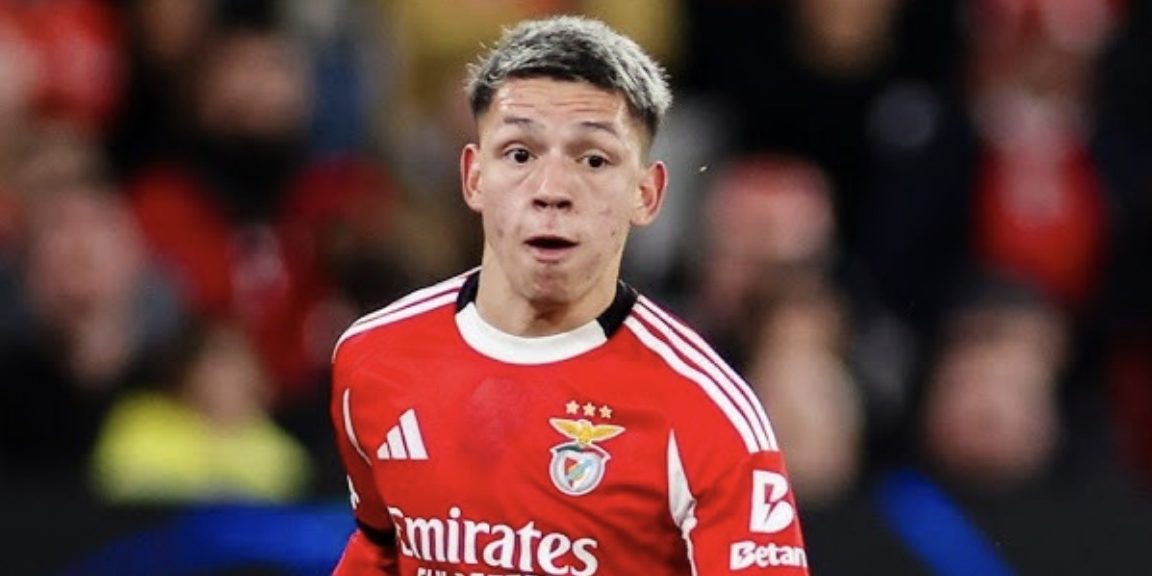

- Gianluca Prestianni receives a six-match UEFA ban, with three games suspended for two years
- Incident occurred during Benfica’s Champions League clash with Real Madrid in February
- UEFA investigation concluded abuse was anti-gay rather than racist
UEFA has handed Benfica forward Gianluca Prestianni a six-match suspension for using anti-gay language toward Real Madrid’s Vinícius Júnior during a Champions League match in February.
Three of those matches have been suspended for a two-year period, meaning Prestianni will serve a total of three games unless he reoffends. One match has already been served as a provisional suspension, leaving two further games to be completed.
The incident took place during the playoff first leg in Lisbon, which Real Madrid won 1-0. After Vinícius scored and celebrated, Prestianni approached him and spoke while covering his mouth with his shirt. The Brazil international immediately reported the exchange to referee François Letexier, who halted the game and made the crossed-arms gesture associated with discrimination allegations.
Initially, Vinícius believed he had been racially abused. However, UEFA’s investigation determined that Prestianni used an anti-gay slur rather than racist language.
Under UEFA disciplinary regulations, sanctions for discriminatory abuse — including racism and homophobia — fall under the same framework, carrying significant suspensions.
UEFA confirmed it has asked FIFA to extend the ban worldwide, meaning it could also apply to matches outside UEFA competitions, including international fixtures.
Benfica acknowledged the decision in a statement, confirming the details of the suspension and noting that the remaining matches must be served in UEFA competitions or in Argentina national team fixtures under FIFA jurisdiction.
The case adds to ongoing concerns around discriminatory behaviour in European football, with UEFA having also fined Benfica last month for racist abuse by supporters during the same fixture.
The governing body’s ruling reinforces its stance on punishing all forms of discrimination, with strict sanctions aimed at deterring similar incidents in the future.

Leave a Comment
More in News
Harry Kane Ends England’s 25-Year Ballon d’Or Wait After 61-Goal Season

Woman books cruise for family vacation. Right before boarding, Royal Caribbean changes their itinerary ‘twice in 2 minutes’

‘What are you feeding us?’: Atlanta woman buys Foster Farms corn dogs. Then her son takes a bite—and hits something ‘inedible’
England Under-15 Coach Matt Thorpe Pulls Players Off After Racism Allegation

Gary Neville Says Man Utd Players Downed Tools and Turned on Carrick
Trending on Futbol Chronicle
Why Soccer Is The Best Sport
Map of All the Premier League Teams for 2025/26
Michael Carrick admits Manchester United have “no excuses” after AC Milan defeat
Mikel Arteta backs ‘warrior’ Bruno Guimarães to make Arsenal stronger