
FIFA Subpoenaed Over World Cup Ticket Prices And Seating Complaints
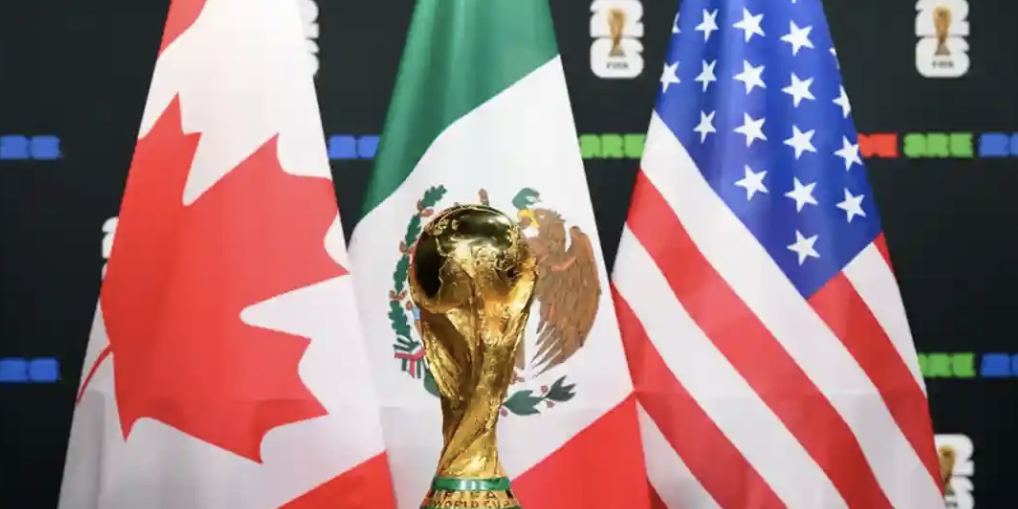
- New York and New Jersey have launched an investigation into FIFA’s ticketing practices for the 2026 World Cup
- Attorneys general cited soaring prices, dynamic pricing concerns and complaints about misleading seat allocations
- FIFA has been asked to provide internal information relating to matches at MetLife Stadium, including the final
FIFA has been subpoenaed by the states of New York and New Jersey as part of an investigation into ticketing practices for the 2026 World Cup following widespread complaints over soaring prices and disputed seating allocations.
New York Attorney General Letitia James and New Jersey Attorney General Jennifer Davenport announced on Wednesday that they are seeking internal documents and information related to the sale of tickets for the eight World Cup matches scheduled to be played at MetLife Stadium in East Rutherford, including the final on July 19.
The investigation centres on concerns surrounding FIFA’s use of dynamic pricing for the first time at a World Cup, as well as allegations that supporters were misled about the seats they were purchasing.
“New Yorkers have been waiting years for the World Cup to come to their backyard, and they deserve a fair shot at affordable tickets,” James said.
“No one should be manipulated into paying sky-high prices for seats, and fans should be able to trust that the tickets they purchased will be the ones they receive.”
FIFA declined to comment when approached by ESPN.
Ticket prices for the tournament have become one of the biggest talking points ahead of the competition, with many supporters shocked at the cost of attending matches in the United States, Canada and Mexico.
According to the attorneys general, ticket prices have “far exceeded the prices for any previous World Cup tournament.”
The joint investigation referenced reports showing FIFA increased prices for most of the tournament’s 104 matches between October and April, with average rises of 34% across the main ticket categories.
The inquiry will examine whether FIFA’s release schedule, public messaging and sales methods contributed to inflated prices or confusion among supporters.
“Being honest about ticket sales is not complicated,” Davenport said.
“But FIFA has turned buying a ticket to the World Cup into a gauntlet of confusion, fake scarcity and impossibly high prices.
“It is an honor to host the World Cup, but the event is not an invitation to exploit our residents and visitors.”
FIFA president Gianni Infantino has repeatedly defended the pricing strategy, arguing that demand in the North American market justifies the cost.
“We have to look at the market,” Infantino said earlier this month.
“We are in the market in which entertainment is the most developed in the world, so we have to apply market rates.”
Even U.S. President Donald Trump weighed in on the controversy recently after reports of tickets costing more than $1,000.
“I wouldn’t pay it either, to be honest with you,” Trump told The New York Post.
Another major issue in the investigation concerns complaints from supporters who believe they were misled about seat locations.
According to the attorneys general, FIFA initially sold tickets at MetLife Stadium using four seating zones, with Category 1 seats advertised as the premium locations closest to the action.
However, after many supporters had already purchased tickets, FIFA later introduced new “Front Category” sections featuring the best seats within each zone at significantly higher prices.
The investigation claims fans who bought earlier tickets were subsequently placed in less desirable locations, including behind goals or further from the pitch.
Some supporters also allege they paid for Category 1 seats but were eventually assigned seats in Category 2 sections instead.
California Attorney General Rob Bonta has already requested information from FIFA regarding ticket sales for matches in Los Angeles and Santa Clara, suggesting scrutiny over FIFA’s handling of the process is spreading across the United States.
For FIFA, what should have been a celebration of record demand for the biggest World Cup in history is increasingly becoming a public relations problem.
And with the final less than two months away, pressure is mounting for answers.

Leave a Comment
More in News
Federico Chiesa determined to earn Liverpool role under Andoni Iraola after fresh start at Anfield
Gianni Infantino hits back at World Cup critics after controversial 2026 tournament

Woking Hit Back at Jermain Defoe Over Shock Exit, Claim He Missed Meeting
Chelsea Agree £51m Deal for Maxence Lacroix, Breaking Three-Year Transfer Policy
Elliot Anderson Declares Manchester City the “Kings of Manchester” After Completing £116m Move From Forest
Trending on Futbol Chronicle
Why Soccer Is The Best Sport
Michael Carrick points to lack of sharpness after Manchester United draw with West Ham
What Is Offsides in Soccer? The Offside Rule Fully Explained
The Best Soccer Players of All Time: The 10 Greatest Ever Ranked