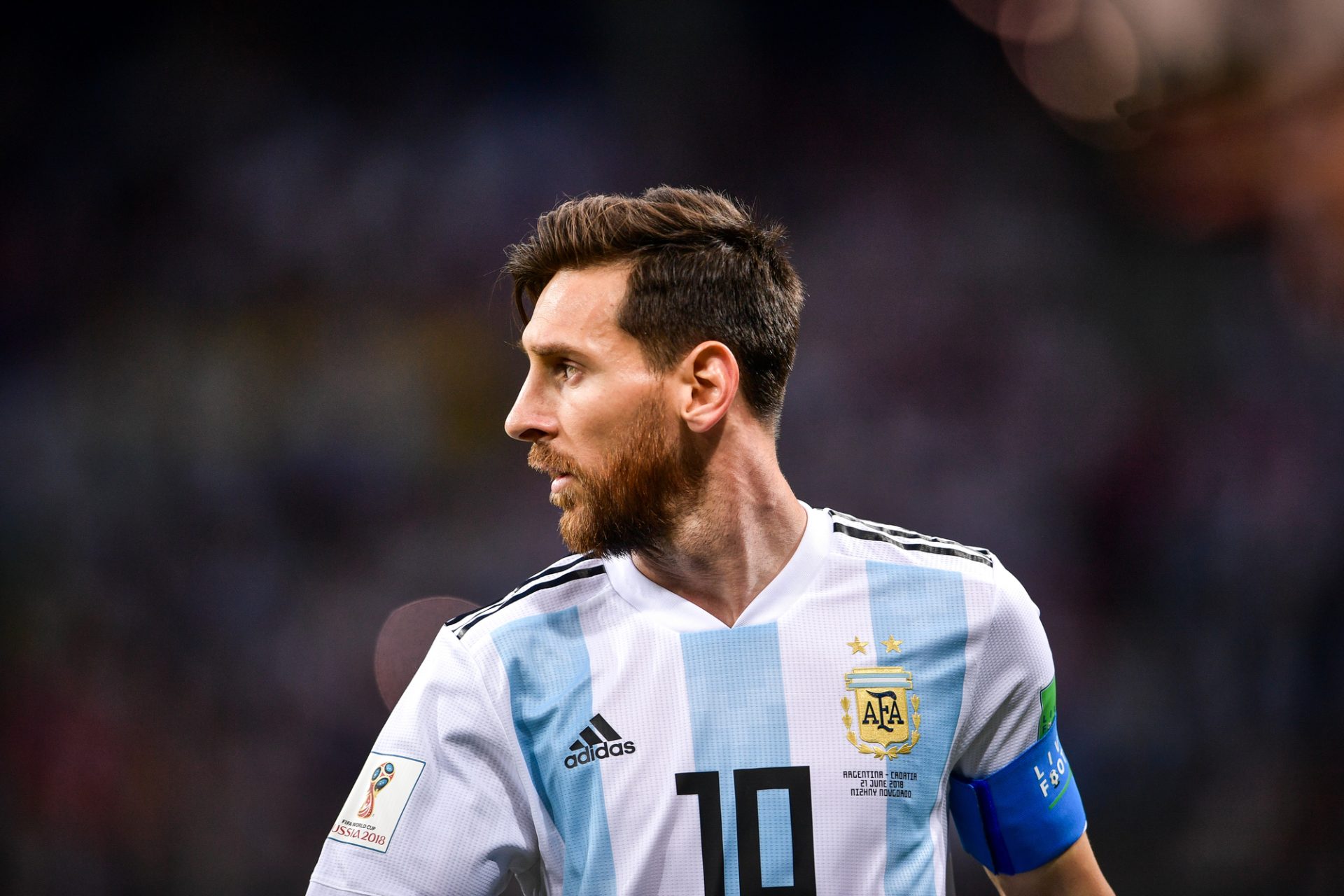
Yellow Cards Cleared and Pulisic Back, Pochettino Finally Has His Full USA
Table of Contents
For nine months, Mauricio Pochettino has been coaching the United States with one hand tied behind his back. Someone was always missing. A key midfielder suspended, a full back hurt, his best player carrying a knock, a striker left out to manage a yellow card. Every time the Argentine sketched out his ideal eleven, reality rubbed part of it away. On Wednesday night in Santa Clara, for the biggest game of his tenure, that finally changes. For the first time, Pochettino can pick the team he actually wants.
The United States face Bosnia and Herzegovina in the World Cup Round of 32 at the San Francisco Bay Area Stadium, kickoff at 9 p.m. Eastern. The group stage yellow cards have been wiped clean, which brings Tyler Adams, Weston McKennie, Chris Richards and Folarin Balogun back into contention without risk. Christian Pulisic, eased back through a substitute appearance after a calf problem, is fit to start. After a tournament of patching holes, Pochettino walks into a knockout with a full deck.
The luxury he has never had
Pochettino took the U.S. job in the autumn of 2024 with a brief that read like a warning. Fix a talented team that kept underachieving, and do it fast, with a home World Cup bearing down. From the start he complained, gently and then less gently, that he never got to work with his strongest group. Friendly windows scattered his players across clubs and continents. The 2025 Gold Cup came without several first choice names. Even the group stage of this World Cup denied him a settled side, as knocks and bookings forced changes he did not want to make.
The United States still won Group D, and did it convincingly, beating Paraguay 4-1 and Australia 2-0 before a dead rubber defeat to Türkiye that Pochettino filled with squad players. Topping the group was the goal, and they reached it with something to spare. What the group stage did not offer was a single ninety minutes in which every important player was fit, available and on the field together. The knockout round hands him exactly that.
Pulisic changes everything
The most significant return is the obvious one. Christian Pulisic is the best player the United States has, and his absence from the starting lineup against Australia and then Türkiye reshaped everything around him. He came off the bench on the final matchday, testing the calf that had bothered him, and reported afterward that he felt good. Pochettino is expected to restore him to the eleven against Bosnia.
A fit Pulisic does more than add quality. He changes how the team is built. With him drifting in from the left, the U.S. can commit fewer bodies to creation and more to control, trusting their captain to conjure the moment a tight knockout game usually demands. Without him, the Americans looked organized and willing but short of the spark that turns a decent performance into a winning one. His fitness is the difference between hoping to win and expecting to.
The engine room comes back at full strength
Behind Pulisic, the midfield returns to its first choice shape. Tyler Adams, the captain and the team’s defensive heartbeat, is free again after his booking against Australia. Weston McKennie, whose running and aggression set the tone in the opener, is back alongside him. Chris Richards, a leader at the back, and Balogun, the striker who scored twice against Paraguay, are also cleared. Pochettino spent the group stage juggling who could afford another yellow. Now he can pick on form alone.
That counts for more than a normal reshuffle because of how Pochettino works. In tournament football he tends to find a lineup he trusts and stick to it, as he did through the knockouts of the 2025 Gold Cup. The chopping and changing of the group stage was forced on him, not chosen. Given a clean slate, he is likely to name something close to his platonic ideal of a U.S. team, then keep it together for as long as the tournament allows.
Tim Ream and Antonee Robinson were rested for the Türkiye game, a signal in itself that Pochettino was already looking ahead to this night. The veterans return refreshed. The depth that carried the U.S. through a demanding group now gives way to the first choice names, and the drop off between the two, a genuine strength of this squad, means nobody comes back cold.
The problem Bosnia poses
A full deck does not guarantee a comfortable evening. Bosnia arrive with a specific and dangerous weapon. They have scored three goals from corners already at this World Cup, the most any team has managed from that situation at a single tournament since England scored four in 2018. Set pieces are how underdogs level the gap against better teams, and Bosnia have turned them into an art. For all the quality Pochettino can now field, a slack moment defending a corner could undo it.
Edin Dzeko, forty years old and still leading the line, remains the focal point, a striker who scored against Qatar to help drag Bosnia through the group. Around him are tricky wide players and a team that has learned to make itself hard to beat. The United States will be favorites, and rightly so, but the shape of the threat is clear. Richards and his fellow defenders, back to full strength, will earn their place on the way they handle the aerial bombardment as much as anything they do with the ball.
Why this game defines Pochettino’s project
Everything about Pochettino’s appointment pointed to this stretch of the calendar. U.S. Soccer paid heavily, with help from wealthy backers, to bring in a coach of his standing precisely because a home World Cup demanded someone who could win knockout games. The group stage was the entry fee. The knockouts are the exam. And for the first time, he sits it with no excuses about availability.
The pressure is real and it cuts both ways. A deep run vindicates the gamble and the money. An early exit, with a full squad, on home soil, would land differently than any group stage stumble could. Pochettino knows the stakes better than anyone, which is why he rested players, managed bookings and kept talking about the team he wanted to field. He was saving it for now.
The United States have not lost a knockout match at a home World Cup because they have never had the chance to play one until this generation. This is uncharted territory, a team built for a moment that American soccer has waited decades to reach. Pochettino has spent his career getting sides to peak at the right time, and he has engineered his squad toward this single night.
The night the excuses run out
There is a clarity to a knockout game that the group stage never offers. Win and move on, lose and go home, with a full squad and a home crowd and a coach who finally has everyone he asked for. Pochettino wanted this scenario from the day he took the job. He wanted his best players, fit and available, in a game that mattered, in front of an American audience desperate to believe.
He has it now. Whatever happens against Bosnia will be a truer measure of his United States than anything that came before, because for once the team on the field will be the team he intended all along. The excuses are gone. The only thing left is to play.

Leave a Comment
More in News

Thierno Barry Was Filmed Crying In A Private Training Session Last Season, And He Has Already Scored In Three Games This Campaign
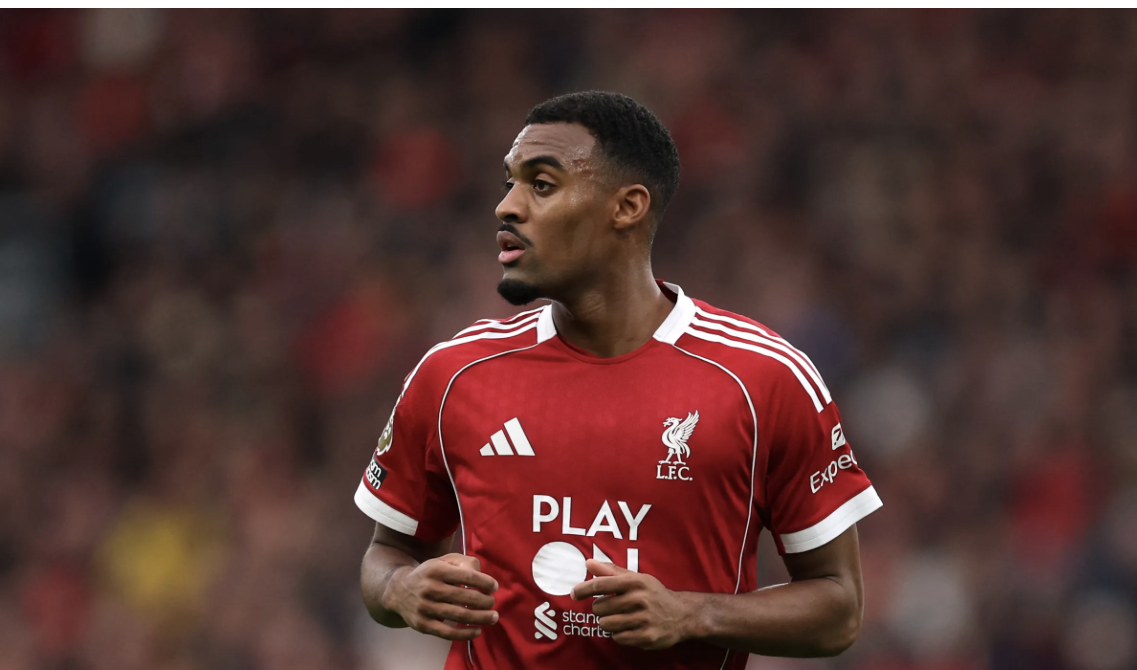
Gravenberch’s Red Card Sparks Referee Row in Liverpool’s Defeat to City

Moise Kean Will Miss Como’s Biggest Game of the Season After Cesc Fabregas Clashed With Italy’s Doctors
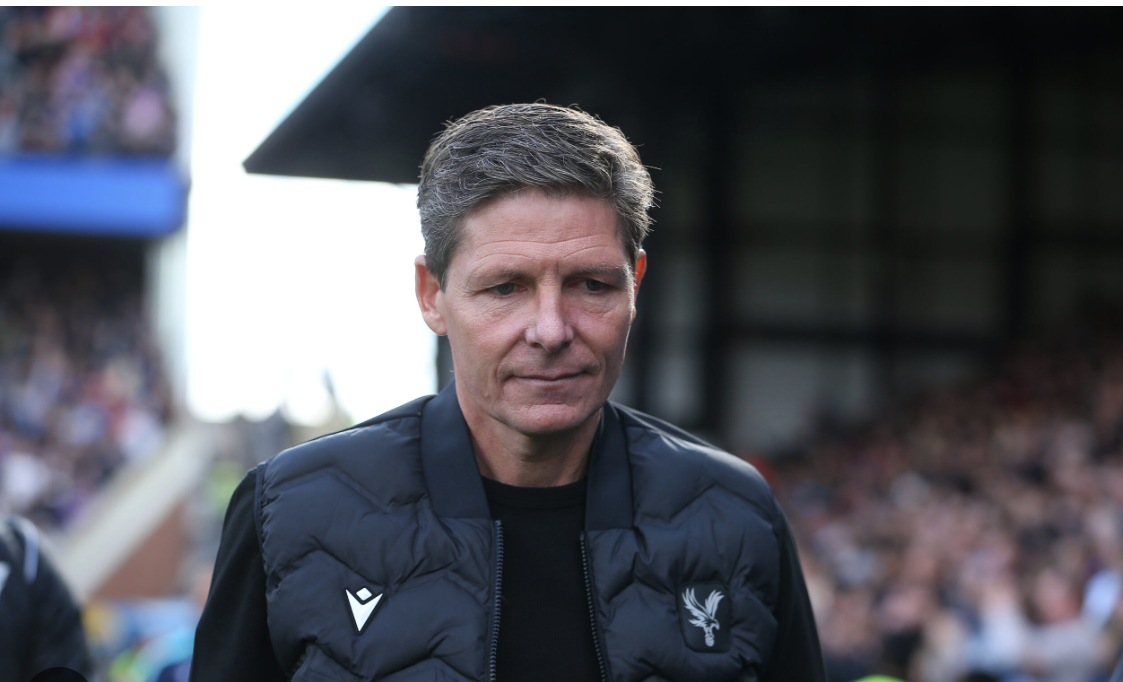
Oliver Glasner Returned to Crystal Palace and Fans Turned From Applause to Taunts as Forest Lost
Vinicius Red Card for Hair Pull Leaves Mourinho Snubbing the Press
Trending on Futbol Chronicle
Arab football federations back Gianni Infantino as FIFA president faces growing opposition
Mikel Arteta backs ‘warrior’ Bruno Guimarães to make Arsenal stronger
Cristian Romero completes €40m move from Tottenham to Atlético Madrid

What Is The Club World Cup?