Prime Minister Andy Burnham’s Man City Comments Spark Fears of Political Interference
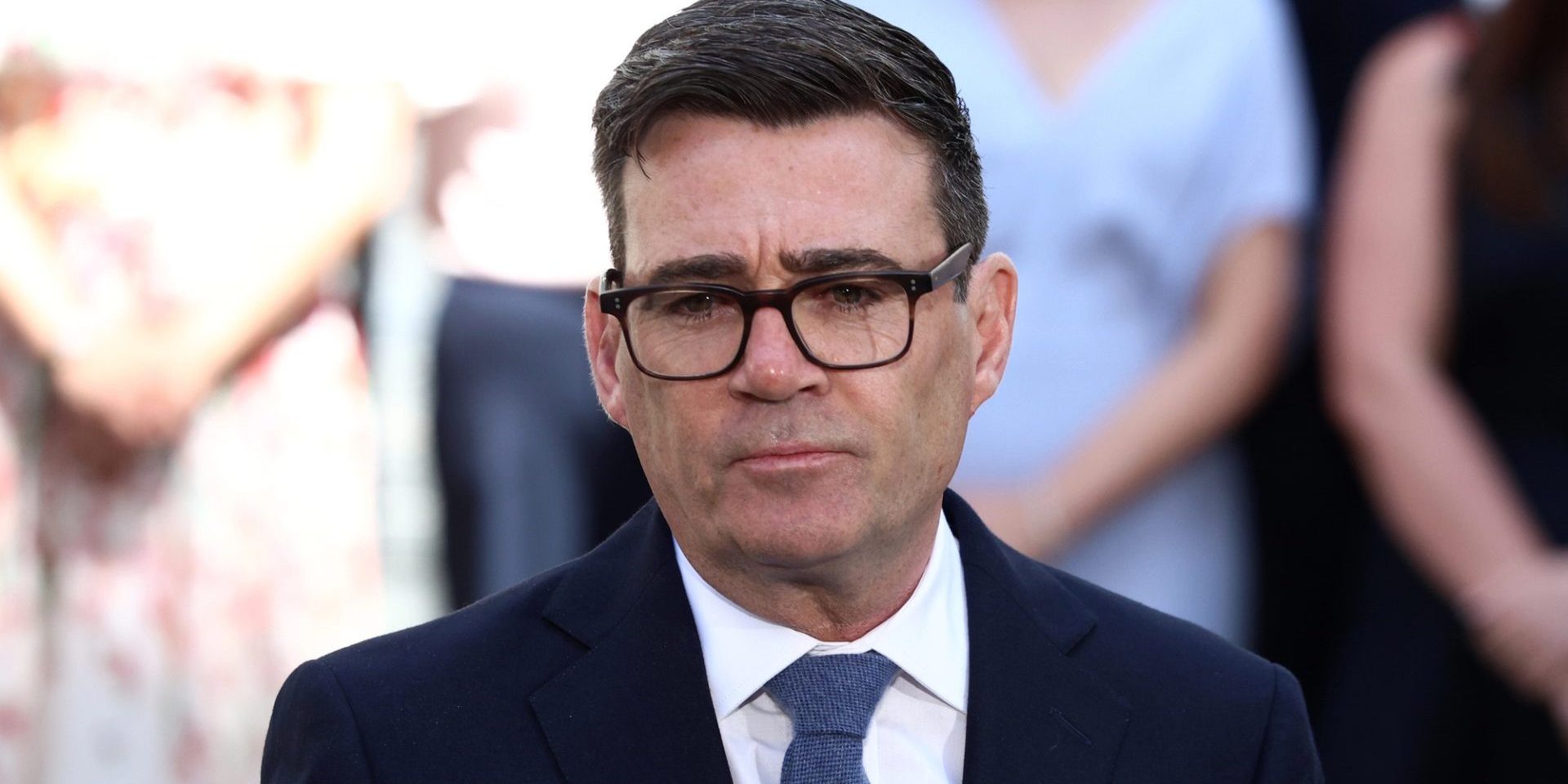

Table of Contents
- Some Premier League clubs are “concerned” about political interference in Manchester City’s appeal after Prime Minister Andy Burnham appeared to downplay the club’s guilty verdict over financial rule breaches.
- Senior club figures told BBC Sport they were “astonished” when Burnham said he would be “really concerned” if City’s owners decided to sell up, and questioned what his comments were designed to achieve.
- Downing Street later amended its own clarifying statement after criticism over its wording, changing “if wrongdoing is established” to “wherever wrongdoing is established.”
A Prime Minister, an Everton Season Ticket and a Very Awkward Comparison
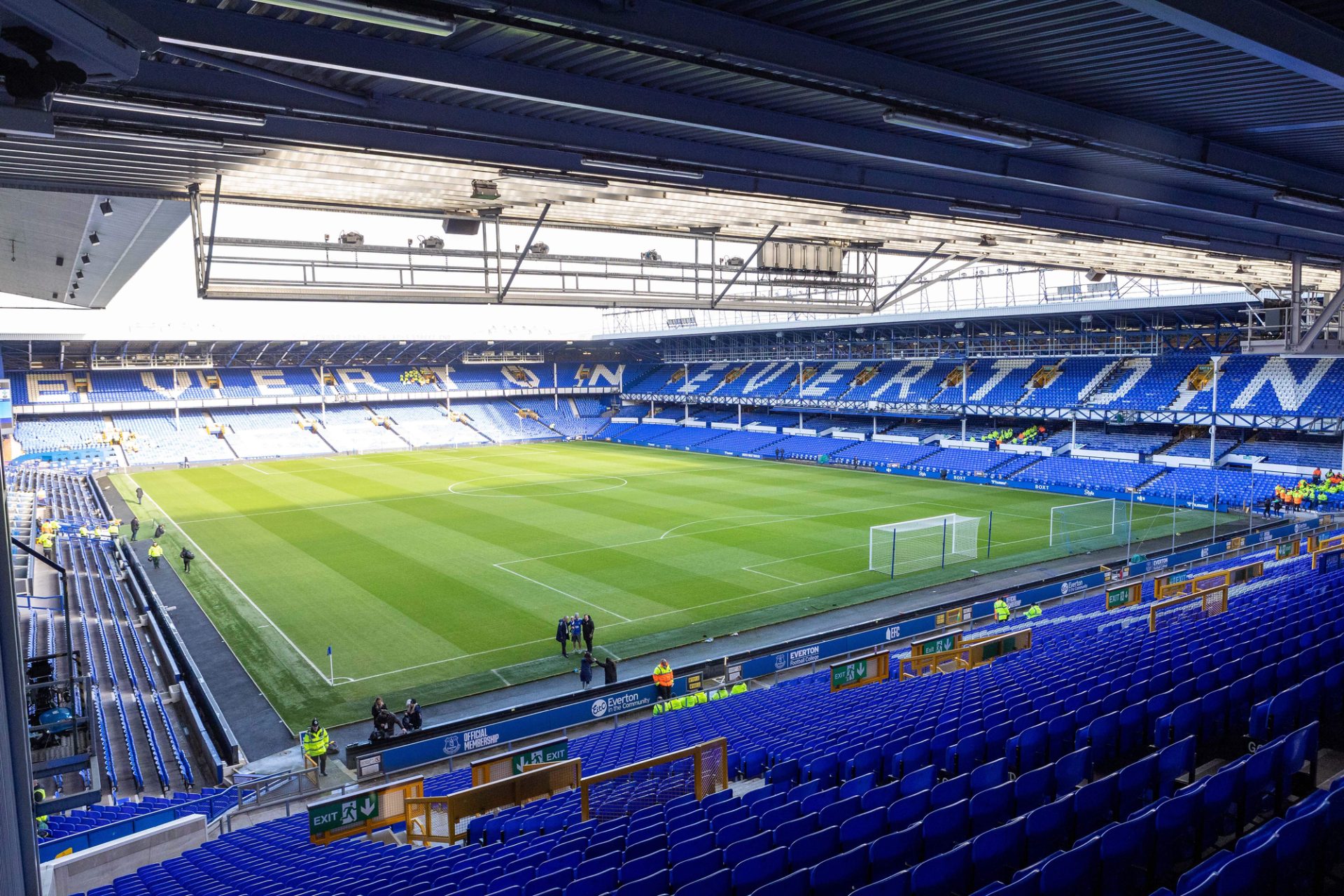
Andy Burnham spent nine years as mayor of Greater Manchester courting Gulf investment into the city, with Manchester City’s Abu Dhabi ownership as the headline partner. He is also a lifelong Everton season ticket holder. Those two facts are now colliding in a way that has left rival Premier League clubs uneasy about the fairness of the process set to decide Manchester City’s punishment.
Abu Dhabi United Group, led by Sheikh Mansour bin Zayed Al Nahyan, took control of Manchester City in 2008, a deal that transformed the club from a mid-table side into one of the dominant forces in English and European football, including a first Champions League triumph in 2023 and multiple Premier League titles.
What Burnham Actually Said
Senior club figures said they were “astonished” by comments Burnham made in an interview with the BBC’s political editor Chris Mason, in which he appeared to play down the verdict against Manchester City. Sources told BBC Sport that club figures are now “concerned” about political interference in the club’s appeal process, and have questioned what his comments were designed to achieve, adding that it had put the Independent Football Regulator in a difficult position.
Asked whether he was concerned that Manchester City’s owners might now sell the club, Burnham said: “I would be really concerned to lose them. They’ve been such a huge partner in the building of modern Manchester and obviously the building of Manchester City into the global force that it is. I do actually thank the City Football Group and the wider ownership for the money that they didn’t just put into the Etihad and the campus around it but also into the city.”
Pressed on ‘Brand Manchester’ taking a hit, Burnham drew a comparison with Everton’s own financial rules case, saying he still held the view “firmly” that Everton “weren’t fairly treated.” Everton were docked 10 points, later reduced to six on appeal, by an independent commission for breaching the Premier League’s financial rules.
Everton’s case began in November 2023, when an independent commission ruled the club had breached the Premier League’s profit and sustainability rules and imposed what was then the heaviest points sanction in the competition’s history. An appeal board reduced that penalty to six points in February 2024, judging the original sanction disproportionate. Everton were later handed a separate two-point deduction for a second breach in April 2024. Burnham’s point was that, in his view, the club had been punished too harshly under a process that was later adjusted. He has now drawn a comparison, controversially, with Manchester City’s much larger case.
Why Rival Clubs Are Uneasy
One senior club source described Burnham’s comments as “absolutely bizarre,” adding it was “at best naive and at worst quite manipulative, and that is not a good look.” A different source called them “clumsy,” while another said they were surprised the prime minister had “misspoken.”
When asked directly about the risk of interference in the appeal process, one senior club source said: “Everyone would have a degree of concern. How much would depend on how much you read into that comment. I think everyone is concerned. Because no-one is stupid around the table. We understand the geopolitics as well. We understand the investment they have made in our country. I don’t think anyone could doubt that or criticise that. But this is different, this is sport, this is our national game.”
Another club source took a different view, suggesting the degree of scrutiny now on Burnham makes any real interference close to impossible.
The Process Burnham’s Comments Have Put Under the Microscope
The entire process involving the charges against Manchester City runs independently of the Premier League. An independent commission held a 42-day hearing in 2024 that led to the guilty verdict announced last month, with a separate sanctions hearing still to come. A different independent appeal board will hear City’s appeal against that verdict. The club continues to deny any wrongdoing.
The scale of the verdict was striking. The commission upheld 114 of City’s 115 charges, clearing the club on only one, in a ruling delivered on 25 September. It found that City had used what it called “sham” contracts to channel more than £800 million in funding that should have been disclosed under the competition’s financial rules.
When the guilty verdicts were announced, Premier League chief executive Richard Masters said the club had “systematically broke Premier League rules for nearly a decade.”
City has formally lodged its appeal, arguing the ruling contains “clear material errors, of law, principle and fact” and is unsafe. The club maintains its innocence and is expected to argue that key sponsorship income was paid directly by the Abu Dhabi government rather than by its owners. Sanctions have not yet been decided, with a separate hearing still to determine any punishment. Possible outcomes range from a fine to a further points deduction, restrictions on player registrations, a suspension from competition or, in a scenario regarded as exceptional rather than likely, expulsion from the league.
Downing Street’s Awkward Correction
Burnham’s comments provoked strong criticism, and the following day a No 10 spokesperson tried to clarify them, saying: “As the prime minister made clear, the initial judgement is serious and there can’t be any suggestion that anyone is above the rules. He also stressed that it is an ongoing independent process. It is essential that it is allowed to run its course and the outcome respected. If wrongdoing is established, those responsible should face the appropriate consequences.”
That statement itself was then amended after further criticism over its use of the word “if,” which was changed to “wherever.”
Conservative leader Kemi Badenoch has demanded that No 10 release all details of meetings between the prime minister and senior figures at Manchester City, and Burnham’s comments have also sparked unease among some senior Labour figures, who fear the remarks landed badly with voters.
The Stakes Beyond Manchester
The Premier League is viewed by governments of every political stripe as one of the country’s major cultural exports, which is why ministers are keen for this row not to cause lasting damage to the competition’s reputation. Being a football fan is also a core part of Burnham’s political identity: he has spoken of hoping to keep sitting in his usual seat at Everton’s Hill Dickinson Stadium, but security concerns have ruled that out for him as prime minister, just as they did for his Arsenal-supporting predecessor, Sir Keir Starmer.
The UK is also eager to maintain trade ties with the UAE, an important diplomatic ally in a region facing continued turmoil, which adds another layer of sensitivity to any government comment on a club owned by Abu Dhabi interests.
Manchester City is not alone in having Gulf ownership links that intersect with British politics. A consortium backed by Saudi Arabia’s Public Investment Fund took over Newcastle United in 2021, and government ministers have faced similar questions about balancing trade and diplomatic relationships with scrutiny of club ownership. Burnham’s comments have reopened that broader debate about how closely elected politicians should comment on cases moving through football’s independent disciplinary machinery.
The Regulator Caught in the Middle
Burnham’s remarks have also complicated the position of the Independent Football Regulator (IFR), the body created under the Football Governance Act to oversee the top five tiers of English football. The IFR, chaired by media executive David Kogan, who took up the role in October 2025, runs a licensing scheme that requires clubs to satisfy tests on financial stability, owners’ suitability and fan engagement to keep their licences. A prime minister appearing to speak favourably about one club’s owners, while that club’s suitability and financial conduct are under independent scrutiny, is precisely the kind of perceived interference the regulator was designed to sit apart from.
Government figures are acutely aware of the sensitivity. Ministers have repeatedly stressed that the IFR operates at arm’s length from Whitehall, and any suggestion that political considerations could shape its judgement, or the outcome of City’s appeal, risks undermining the credibility the regulator is still trying to establish in its first year.
Whatever Burnham intended, the comments have achieved one thing clubs did not want: a conversation about whether politics, rather than the Premier League’s own independent process, will shape how Manchester City’s case ends.
With the appeal board’s hearing still to be scheduled and the sanctions process yet to begin, Downing Street is likely to face further questions about where the prime minister’s personal history with English football ends and his responsibilities as head of government begin.

Leave a Comment
More in News

Tonda Eckert Keeps His Job as Southampton Boss After a Six-Week Ban and £28,000 Fine Over Spygate

At 41, Cristiano Ronaldo Demands Harsher Punishment for Himself After Walking Out on Portugal Training Camp

Ramon Vega Played for Tottenham and Celtic, and Now He Wants Gianni Infantino’s Job as Fifa President
Manchester City’s £830m Guilty Verdict Could Still Face UEFA Action in 2027
Lionel Messi Plays His Last Match for Argentina While Building a $1.1 Billion Empire
Trending on Futbol Chronicle
The Best World Cup YouTubers to Follow in 2026
What Is The Club World Cup?
Michael Carrick points to lack of sharpness after Manchester United draw with West Ham
Why Soccer Is The Best Sport