Argentina Survive Extra Time Again To Book First Meeting With England In 24 Years
Table of Contents
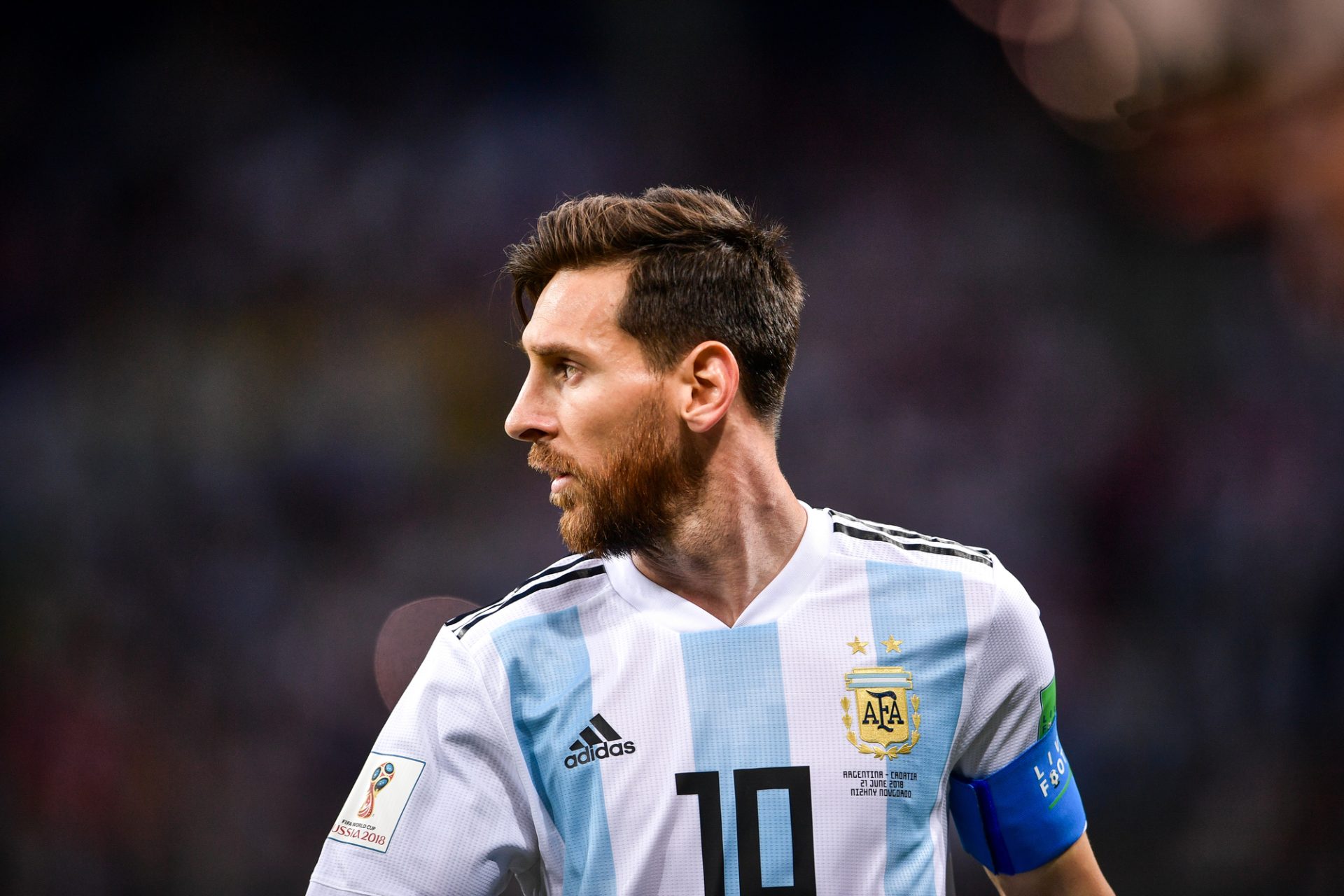
Julian Alvarez needed one moment of quality to settle a World Cup quarter-final that Switzerland had made uncomfortable for long spells. His strike from 25 yards out, curling into the top corner in the 112th minute, sent Argentina through to a 3-1 extra-time win in Kansas City and set up a semi-final against England that neither side has played in 24 years.
Lionel Messi and his team-mates will face England in Atlanta on Wednesday at 8pm UK time, with a place in the final against either France or Spain waiting for the winner. It is a fixture few would have picked out in advance as the standout tie of the last four, yet the combination of holders against a resurgent England side has quickly become the one neutrals most want to watch.
Mac Allister’s early header
Switzerland’s positive start in Kansas City counted for little once Argentina found their opening goal. Alexis Mac Allister was left unmarked at two separate corners inside the opening ten minutes, and the second time he made Switzerland pay, heading in after Messi picked him out from the set piece.
Breel Embolo had Switzerland’s best chance of the first half but could not get a shot away as Lisandro Martinez and goalkeeper Emiliano Martinez combined to close him down. He had another opening early in the second half, only for a block from Lisandro Martinez to deny him again. Remo Freuler also went close for Switzerland before half-time, curling a free-kick from a promising position on the left wide of the target even with team-mates waiting in the box for a cutback.
Ndoye levels, then Embolo sees red
Switzerland’s pressure finally told in the 67th minute. Dan Ndoye linked up with Ricardo Rodriguez and fired underneath Emiliano Martinez from a tight angle to level the score, rewarding a spell in which Switzerland had forced several saves from the Argentina goalkeeper.
The equaliser did not last. Five minutes later, Leandro Paredes was booked for a foul on Embolo, but referee Joao Pinheiro was sent to the pitchside monitor under the World Cup’s new mistaken identity protocol and reversed his decision, showing Embolo a second yellow card for simulation instead. Embolo was left inconsolable as he walked off, and Switzerland spent the rest of normal time and extra time with ten men.
A stunner from Alvarez, then Martinez adds gloss
Even with the extra man, Argentina could not find a winner in normal time. Mac Allister headed over from close range in the 89th minute after a Nico Gonzalez cross, and the game went to extra time for the second time in three knockout matches for Lionel Scaloni’s side.
Switzerland set up to defend and take their chances in a penalty shootout, but Argentina had other ideas. Alvarez collected possession 25 yards out in the 112th minute and curled a strike into the top corner that goalkeeper Gregor Kobel had no chance of reaching. Eight minutes later, Lautaro Martinez turned in the rebound after Thiago Almada’s shot was saved, sealing the 3-1 win.
Embolo’s dismissal was one of the clearest uses yet of an expanded VAR power introduced for this World Cup. Football’s rulemaking body IFAB confirmed before the tournament that video officials can review and correct wrongly awarded cards, including cases where the wrong player was booked. On the pitch, referee Joao Pinheiro initially booked Paredes for the foul that led to the incident; the video review instead identified Embolo’s own conduct as worthy of a card, and Pinheiro reversed course to send the Switzerland forward off.
A cup that keeps going to extra time
Sky Sports’ Dan Long wrote that Switzerland deserved credit for the test they set the reigning champions. “The Swiss were deserving of their equaliser and might have even forced a winner, had Breel Embolo not been sent off,” Long wrote. “He was inconsolable when he was given his marching orders and for good reason. His dismissal changed the game. Once extra time was confirmed, they were content to sit back and try and force the lottery of penalties. Unfortunately for them, that’s when Argentina came to life.”
Long also pointed out that Argentina’s route to the semi-final has been far from smooth. “England will likely have been happy to see their next opponents pushed all the way. It’s the second time in three games they have been taken to extra time,” he wrote. “Had Enzo Fernandez not scored a 93rd-minute winner against Egypt in the last 16, it could have been three from three. Whether or not that affects Argentina in the semi-finals is up for debate, of course, but with England having played an extra 30 minutes against Norway, at least the playing field will be level on Wednesday night in Atlanta.”
Messi’s own numbers this summer have kept pace with the two strikers ahead of him in the Golden Boot race. He goes into the semi-final on eight goals, level with Kylian Mbappe, and set up Mac Allister’s opener against Switzerland with a corner delivery rather than adding to his own tally. His penalty record has been shakier than his open-play form, but Saturday’s performance was another reminder that Argentina’s route to a second successive final still runs through their captain, corner routines and all.
First meeting in 24 years
Wednesday’s semi-final will be the first competitive meeting between Argentina and England in 24 years, adding history to a fixture that already has a place in the World Cup final riding on it. Messi has never faced England in a competitive match, and a place in the final is at stake for whoever comes through in Atlanta.
The last competitive meeting between the two nations came at the 2002 World Cup in Sapporo, when David Beckham’s first-half penalty gave England a 1-0 win in the group stage. That victory was widely seen as personal redemption for Beckham, who had been sent off for kicking Diego Simeone in England’s 1998 World Cup defeat to Argentina on penalties. None of Wednesday’s starting eleven will have been playing international football when that rivalry was at its most bitter, but the fixture has lost none of its edge for a new generation of players.
Argentina go into the game as the reigning world champions, chasing a second successive title thousands of miles from home, having already needed a stoppage-time winner against Egypt and an extra-time win over Switzerland just to reach this stage. England have not reached a World Cup final in 60 years and arrive off the back of their own extra-time struggle against Norway, in which Jude Bellingham scored twice to complete a 2-1 win.
The stakes for Argentina go beyond a single fixture. A win over England would put Scaloni’s side one match away from becoming the first team to defend the World Cup after Brazil’s back-to-back titles in 1958 and 1962. Messi, now in his final tournament appearances for his country, has already lifted the trophy once, in Qatar in 2022, and a second final in Atlanta would put him within one win of retiring as a two-time world champion.
For Switzerland, the exit ends a run that had already exceeded expectations before Saturday’s game kicked off. Murat Yakin’s side went into the quarter-final having already reached territory few had predicted for them at the start of the tournament, and they matched Argentina for long spells before Embolo’s red card tipped the balance. Ricardo Rodriguez and Granit Xhaka both played full parts in keeping the tie level into the second half, and Ndoye’s finish for the equaliser was the product of sustained pressure rather than a smash-and-grab chance.
What comes next
Neither side has had the tournament all its own way. Argentina needed a stoppage-time winner from Fernandez to beat Egypt in the last 16 before Saturday’s extra-time win over Switzerland, while England required extra time themselves in the last two rounds. Both teams arrive at the semi-final having proven they can win when a game is not going to plan, which is likely to make Wednesday’s meeting in Atlanta as tight as the World Cup has produced so far.
Scaloni made no secret of the toll extra time has taken on his squad across the tournament, with Saturday marking the second time in three knockout rounds his players have gone the full 120 minutes. Whether that toll shows by Wednesday is impossible to know in advance, but Argentina have now shown twice in a week that they can find a way through when a game refuses to open up. Alvarez’s strike from distance was the kind of moment that settles tournaments, and it arrived exactly when Argentina’s other routes to goal had been closed off.
The winner will face France or Spain, who meet in Texas on Tuesday, in the final on 19 July. Between now and then, Scaloni and Tuchel both have a few days to nurse tired legs and settle on team news, with Wednesday night in Atlanta shaping up as the most historically loaded fixture the World Cup has produced so far this year.

Leave a Comment
More in News

Bowen’s Saved Penalty Costs West Ham a Shot at Top Spot

Cole Palmer Missed England’s World Cup Squad This Summer, and His Club Have Just Backed Him With a Deal Running to 2034
Enzo Maresca Insists Manchester City’s Titles Are Not Tainted After the Club Was Found Guilty on 115 Charges

Michael Carrick Lost Two Title Races to Manchester City, and United Fans Now Mark 50 Years Without a Trophy

Jarell Quansah Was Never Liverpool’s Top Academy Prospect, and He Has Already Won Eight England Caps
Trending on Futbol Chronicle
Celta Vigo postpones LaLiga opener after fungus outbreak damages stadium pitch
Cristian Romero completes €40m move from Tottenham to Atlético Madrid
Why Soccer Is The Best Sport
The Best World Cup YouTubers to Follow in 2026