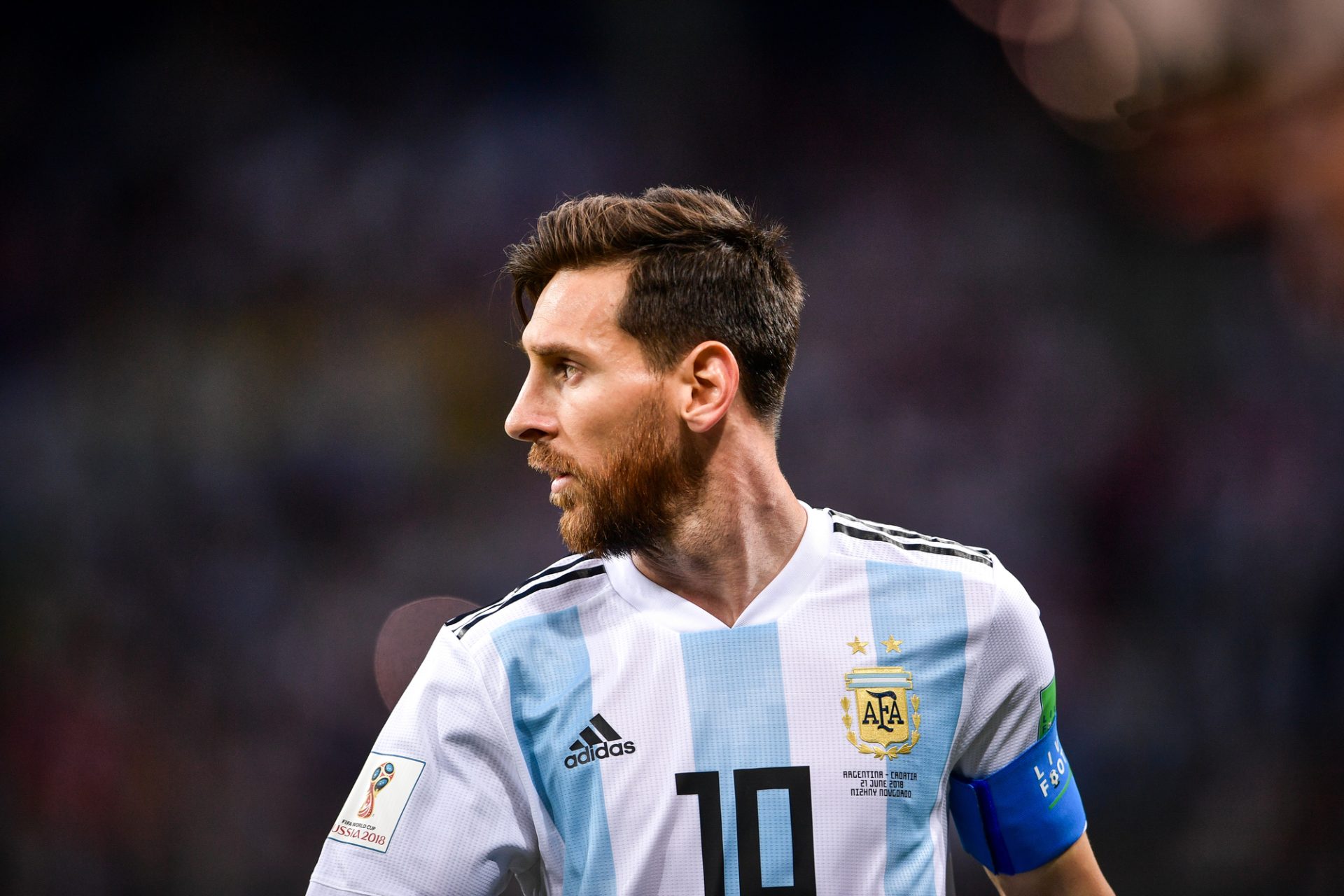
Argentina’s Fragile Defence Meets Its Test
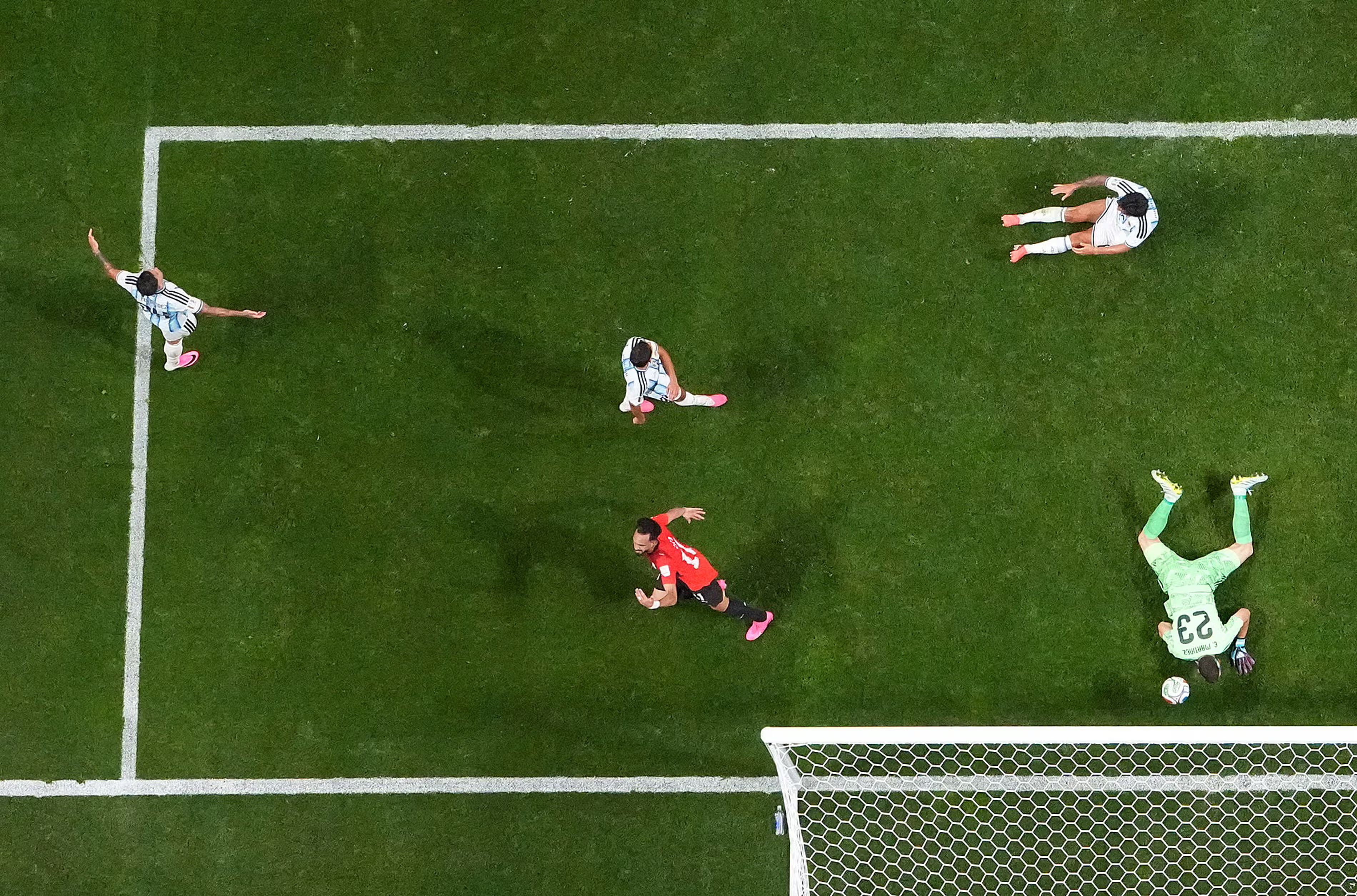
Table of Contents
Cape Verde almost did it in extra time. Egypt came within ten minutes of doing it in normal time, leading by two goals before Argentina scrambled back to win 3-2. Twice in their last two knockout matches, the reigning champions have shown a defence that fast breaks can expose, and on Saturday in Kansas City, Switzerland arrive at the World Cup quarter-final stage with exactly that kind of team.
Argentina have won all five of their matches at this World Cup, cruising through a group containing Algeria, Austria and Jordan before finding the knockout rounds considerably harder. History favours Argentina too: the two sides have met twice before at the World Cup, and Switzerland have never won either meeting, losing 2-0 in the 1966 group stage and 1-0 to an Angel Di Maria extra-time winner in the 2014 last 16. Cape Verde lost in extra time to an own goal in the last 32, having pushed the eventual finalists close enough to threaten a genuine shock. Egypt conceded three times in the final eleven minutes of their own last-16 tie having led by two, a collapse for the Argentines that only resolved itself deep into stoppage time.
A Pattern Across Two Knockout Rounds
Lionel Scaloni’s side don’t know how to lose, in the most literal sense: they have won every game they’ve played this tournament, including both of those knockout ties that carried real jeopardy. That capacity to find a way through has echoes of Argentina’s run to the 2022 title, when penalty shootout wins over the Netherlands and France on the way to lifting the trophy in Qatar showed a similar pattern of surviving adversity rather than avoiding it altogether.
The flip side of that record is what Cape Verde and Egypt exposed along the way. Fast breaks have repeatedly troubled Lionel Scaloni’s back line, and against better opposition at this stage of the competition, that defence faces a sterner examination than either of Argentina’s previous two opponents could offer.
Messi Still Delivers
Lionel Messi continues to defy his age. Eight goals so far, including a hat-trick and the equaliser that turned the tide against Egypt, have kept Argentina moving forward even as questions build about the side around him. Julian Alvarez, perhaps distracted by transfer rumours and still working his way back from an injury picked up before the tournament, is yet to score himself but looked sharper against Egypt and was denied only by an excellent save.
Messi’s importance to this Argentina squad goes beyond the numbers he produces. Former Argentina captain Javier Zanetti, speaking to Sky Sports ahead of the tournament, described his presence as a source of composure as much as goals, saying that having Messi on the pitch brings a sense of calm from knowing he can make the difference at any moment, and adding that it helps that he is surrounded by great players too.
Ten of the starting eleven from the 2022 final are back in this squad, a level of continuity that gives Scaloni’s side a case for believing they can do what only Brazil managed, back in 1962: retain the World Cup on a different continent to where they won it. Zanetti, while hopeful, was careful not to overstate the odds. “I hope that Argentina can still do it,” he said. “Argentina arrive in this World Cup prepared with a good mentality and a good team. But it is very difficult to repeat it.”
An Ageing Core Under Pressure
Part of the difficulty Zanetti describes shows up in the profile of Argentina’s squad. Nicolas Otamendi is 38 and already agreed to join River Plate once the tournament ends. Left-back Nicolas Tagliafico is 33. Messi himself is playing his fourth season in Major League Soccer at 39 years old, and would need to win five knockout matches in just 15 days to lift the trophy again. Alexis Mac Allister, one of the younger members of the group, already looks a different type of midfielder to the one who made the lung-busting run that set up Angel Di Maria’s opening goal in the 2022 final, a reminder that even the squad’s less senior figures have moved on from the players they were in Qatar.
There is some younger blood mixed in. Nico Paz has drawn interest across Europe for his performances helping Como into the Champions League, and Valentin Barco, still only 21, has emerged as another option in behind Scaloni’s senior core. Giuliano Simeone offers a further alternative from the bench. Zanetti views the blend as a strength rather than a risk. “There is experience,” he said. “But there are a lot of young players too. There is a mix.”
Switzerland’s First Quarter-Final in Seventy Years
Switzerland reached this stage by topping Group B with wins over Canada and Bosnia-Herzegovina and a draw against Qatar, before beating Algeria comfortably and edging past Colombia on penalties in the last 16, a result that sent them into their first World Cup quarter-final in more than seventy years. Johan Manzambi, the Freiburg midfielder, has been the standout performer of that run with three goals and two assists, though he missed the Colombia match through injury and his fitness for Saturday remains a question.
If Manzambi is fit to start, his box-to-box energy and ball-carrying ability give Switzerland exactly the kind of direct threat that has troubled Argentina’s back line in the previous two rounds. Winger Dan Ndoye offers a second route to goal, scoring in the 2-0 win over Algeria and stretching defences with his pace and directness. Switzerland’s forward players have also drawn fouls at a high rate throughout the tournament, with only Morocco and England having been fouled more, and on ten occasions the opposition has picked up a booking for it, the joint second-most of any side. Two penalties have followed from those fouls already this summer.
Without their full complement of attacking options, Switzerland have looked less potent. They created just 0.39 expected goals against Colombia in the last 16, a figure that owed much to the absence of both Ndoye’s midfield partner Ruben Vargas, who was not fit enough to start that match, and Manzambi himself. Their chances against Argentina rest heavily on getting both players onto the pitch from kick-off.
What Saturday Could Decide
Argentina start this quarter-final as favourites, backed by Messi’s continued excellence and a squad still built around the spine that won in Qatar. Yet the pattern established against Cape Verde and Egypt gives Switzerland a route to the shock that history suggests title defences so often invite. No side has retained the World Cup outright going back to Brazil’s back-to-back wins across 1958 and 1962, and every side that has tried in the decades that followed has fallen short in increasingly abrupt fashion, several exiting at the group stage entirely.
Scaloni’s dialogue with Messi, described by Zanetti as central to how far this Argentina side can go, will be tested again if Switzerland’s counter-attacking approach produces the same kind of openings that Cape Verde and Egypt found. Zanetti described the dialogue and trust built between Scaloni and Messi over the years as something that keeps everything clear between them, adding that Scaloni will keep working to keep Messi central to the team at this World Cup.
Whether that trust translates into a semi-final place will depend on whether Argentina’s defence can finally close the gaps that two knockout rounds have already exposed, against a Switzerland side with the direct running and set-piece threat to punish them a third time.
What Recent History Warns
Germany’s experience in Russia offers the clearest cautionary tale for a squad trying to defend the trophy with an aging core largely intact. Jogi Low kept faith with players who had won in Brazil four years earlier, only to find that the character of that squad had shifted while the same names remained on the team sheet. Sami Khedira, once the engine of German midfield, was 31 in Russia and unable to play the same role, hooked twice before the hour mark in group games Germany went on to lose. Mesut Ozil, once a source of constant creative motion, never played for his country again after that tournament ended.
Spain suffered an even more jarring version of the same story four years before that, arriving in Brazil having won three straight major tournaments only to look one-paced throughout and lose their opener 5-1 to the Netherlands. Vicente del Bosque’s Spain shared several first-team regulars with the side that had swept all before it, yet could not reproduce the form that had made them champions. Xabi Alonso and Xavi Hernandez both retired from international football once that World Cup ended.
Argentina’s challenge is to prove those precedents wrong with a squad carrying similar continuity from a triumphant tournament three and a half years earlier. Cape Verde and Egypt have already shown where the cracks in that continuity might be found. Switzerland, with Manzambi’s directness and Ndoye’s pace, represent the sternest examination yet of whether Scaloni’s side can close those gaps before they cost Argentina the tournament altogether.

Leave a Comment
More in News

Moise Kean Will Miss Como’s Biggest Game of the Season After Cesc Fabregas Clashed With Italy’s Doctors
Oliver Glasner Returned to Crystal Palace and Fans Turned From Applause to Taunts as Forest Lost
Vinicius Red Card for Hair Pull Leaves Mourinho Snubbing the Press

Bowen’s Saved Penalty Costs West Ham a Shot at Top Spot

Cole Palmer Missed England’s World Cup Squad This Summer, and His Club Have Just Backed Him With a Deal Running to 2034
Trending on Futbol Chronicle
Arab football federations back Gianni Infantino as FIFA president faces growing opposition
What Is The Club World Cup?
The Best World Cup YouTubers to Follow in 2026
Mikel Arteta backs ‘warrior’ Bruno Guimarães to make Arsenal stronger