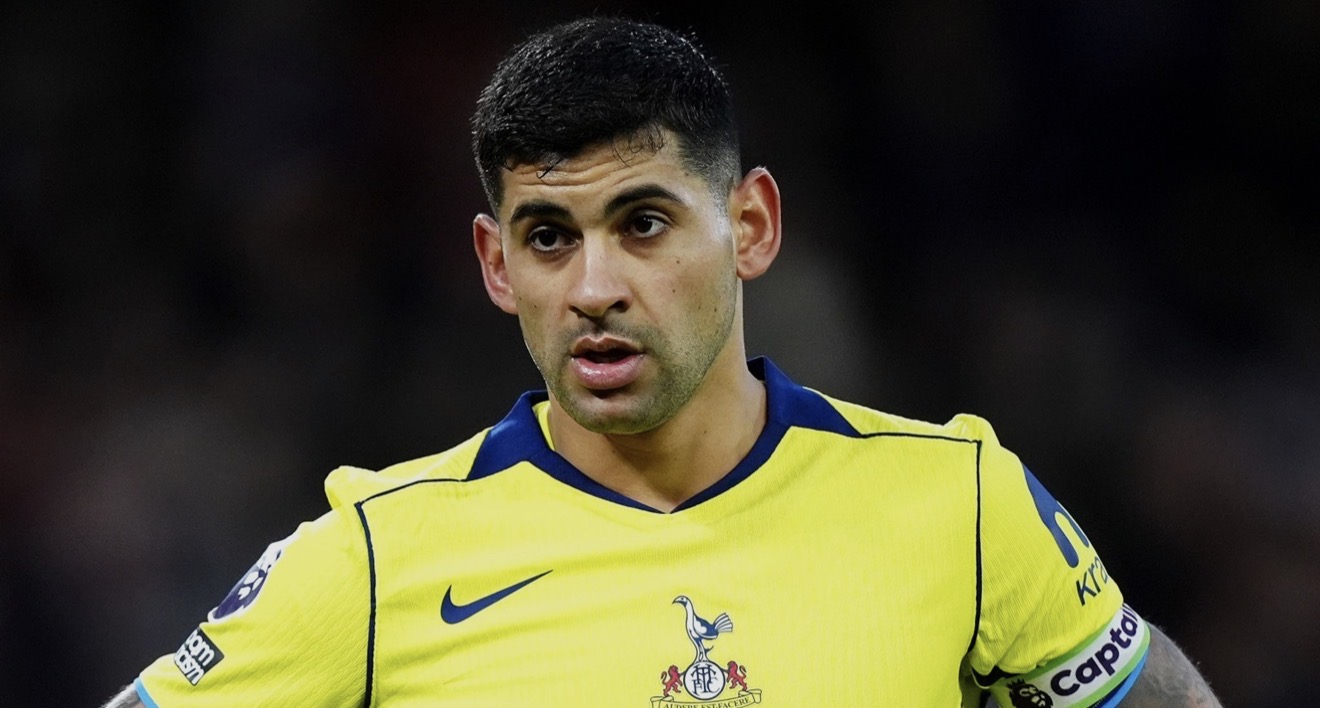
Cape Verde Scored Their First World Cup Goals and Left Uruguay Clinging to a Draw
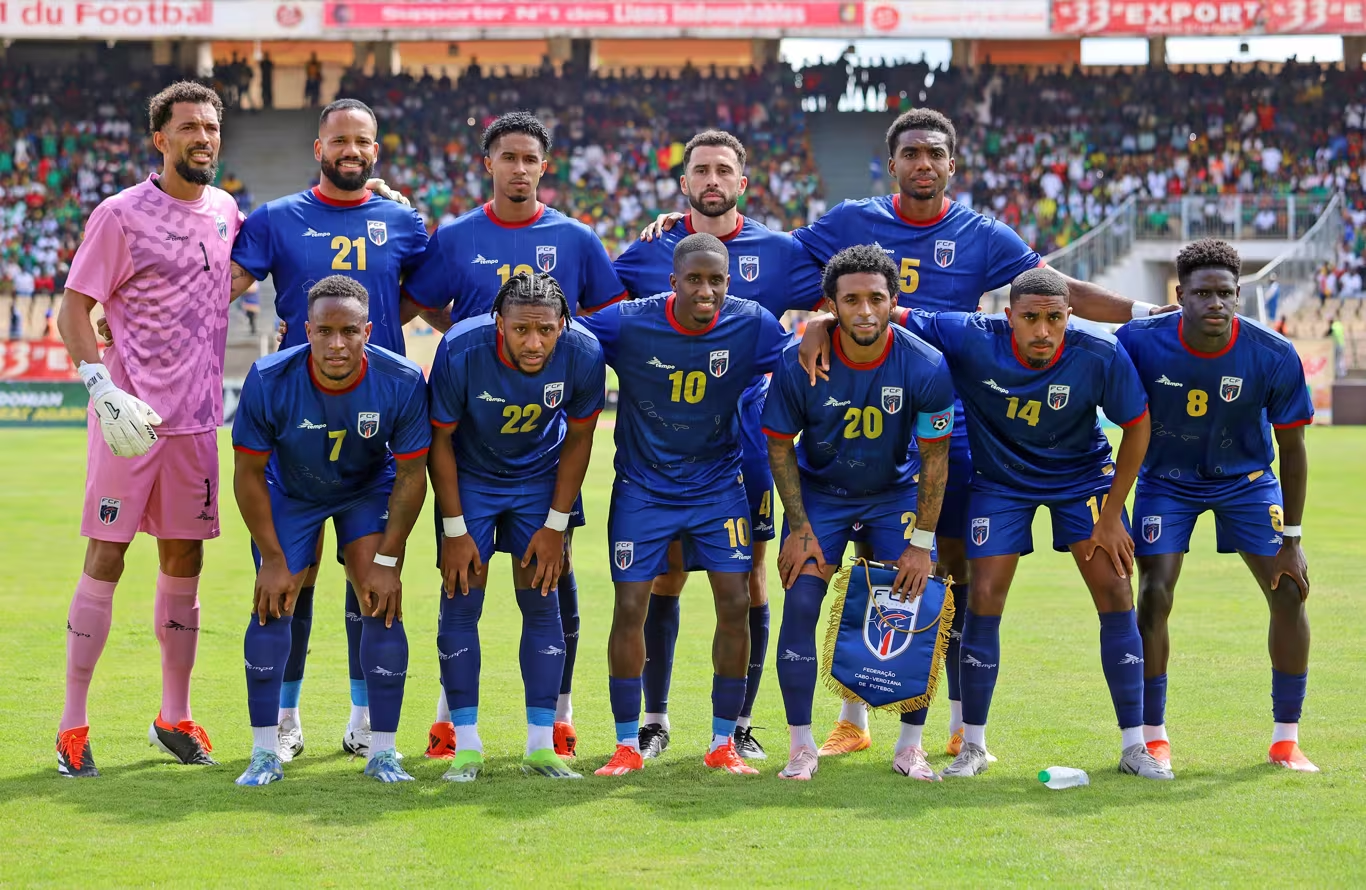
Table of Contents
For 39 minutes in Miami, the fairytale looked like it was finally going to end the way the bookmakers had written it. Uruguay, two-time world champions and one of the most decorated football nations on earth, had scored twice in the space of a few first-half minutes through Maxi Araujo and Agustin Canobbio. Cape Verde, the cluster of volcanic islands off the West African coast with roughly half a million inhabitants, were supposed to fold. Instead, Kevin Pina stood over a free kick, struck it past the wall, and gave the smallest footballing nation in this group its first goal in World Cup history. By the end, Cape Verde had a 2-2 draw, Uruguay had a scare they will not forget, and the most romantic story of this tournament had written another chapter.
This was no longer a fluke. Days earlier, Cape Verde had held Spain, with veteran goalkeeper Vozinha producing a string of saves that turned him into a global figure almost overnight. Now they had come from two goals down against Uruguay and refused to lose. A team that no major nation had ever been forced to take seriously was suddenly the side everyone wanted to watch, and the knockout rounds of a 48-team World Cup were no longer a daydream but a live possibility.
The free kick that rewrote a nation’s record books
Kevin Pina’s strike was the first goal Cape Verde have ever scored at a World Cup, and it arrived at the perfect moment, just before half time, with the islanders staring at the kind of scoreline that ends adventures. It did more than pull a goal back. It told a dressing room that had spent the tournament absorbing pressure that they could hurt one of the giants of the game, and it sent a ripple through a country where, by some estimates, more people of Cape Verdean descent live abroad than on the islands themselves.
The equaliser belonged to Helio Varela, and there was a beautiful symmetry to it. Minutes after coming off the bench, Varela spotted Uruguay’s experienced goalkeeper Fernando Muslera off his line and caught him out for his first international goal. A substitute, a first cap’s worth of nerves, and a finish to draw level with a team that has reached World Cup semi-finals. It was the sort of moment that does not happen to nations like Cape Verde, except that this summer it keeps happening.
Uruguay, for their part, were left to reflect on a performance that promised control and delivered panic. Having raced into a two-goal lead, Marcelo Bielsa’s side conceded the initiative and the momentum, and by the closing stages it was the South Americans clinging on rather than the islanders. For a country that prides itself on its competitive steel, drawing with a debutant was a result that stung more than the single point suggested.
The pattern of the game told its own story. Uruguay’s two goals arrived in a concentrated burst, Araujo and Canobbio striking minutes apart to seize a grip that looked decisive. Most debutants would have let their heads drop. Cape Verde did the opposite, responding before the interval through Pina and then growing into the contest after the break with a belief that visibly unsettled their illustrious opponents. By the time Varela levelled, the islanders were the side asking the questions, and Uruguay’s body language had shifted from authority to anxiety.
Half a million people and a coach with a purpose
To understand the scale of what Cape Verde are doing, hold the numbers up to the light. The archipelago is home to around half a million people, making it the third-smallest nation by population ever to qualify for a World Cup. There is no domestic league that could remotely compete with Europe’s elite, no production line of academy graduates, no financial muscle. The squad is built largely from players who grew up in the diaspora, in Portugal, the Netherlands, France and beyond, and who chose to represent the islands of their parents and grandparents.
Their coach, Pedro Leitao Brito, known to everyone as Bubista, has been clear that this is about more than one team’s run. “This is something we owe to other smaller national teams,” he said, “teams that struggled to qualify for a world tournament.” It is a striking thing for a coach to say in the middle of his own historic campaign, to frame the achievement as a debt repaid to every minnow that never got the chance. In an expanded World Cup that critics dismissed as a money-driven dilution of the sport, Bubista’s Cape Verde have become the strongest possible argument for opening the doors wider.
Bubista has had to manage emotion as much as tactics. A squad that arrives with nothing to lose can play with freedom, but it can also be overwhelmed by the occasion. That Cape Verde came from behind against Uruguay, rather than wilting, speaks to a mental resilience that does not show up on any scouting report. These are players who have spent careers being told they were too small, from clubs too obscure, representing a country too tiny to matter. They have turned every one of those slights into the chip that now drives them.
The diaspora team carrying a continent
What gives the Cape Verde story its emotional charge is who they are playing for. The islands have one of the largest diasporas relative to population anywhere in the world, the product of centuries of migration driven by drought, poverty and opportunity. Communities in Lisbon, Rotterdam, Boston and Paris have watched this tournament with a fervour that goes beyond sport. For many second and third-generation Cape Verdeans, this team is the most visible their heritage has ever been on a global stage.
That is the quiet genius of the modern Cape Verde project. Rather than lamenting the talent lost to emigration, the federation has embraced it, building a national team from the children of those who left. Vozinha’s heroics against Spain and now Pina and Varela’s goals against Uruguay are not just sporting upsets. They are a homecoming of sorts, a chance for a scattered people to see their flag stand level with the powers of world football.
Vozinha embodies the dynamic better than anyone. His display against Spain, when he kept out shot after shot and earned millions of new social media followers within hours, briefly made a Cape Verdean goalkeeper one of the most recognisable faces in world sport. That was not a one-off. It was the product of a team that defends as a unit, throws bodies in front of efforts and trusts a goalkeeper who has spent his career proving doubters wrong. Against Uruguay the same blueprint held, the islanders soaking up pressure and striking when the chance came, and a tournament that began as a curiosity has become a genuine source of national pride.
It also reflects a broader shift across African football. The continent’s smaller nations have spent decades watching the same handful of countries reach World Cups while their own players were scattered across European leagues, eligible for bigger flags. Cape Verde have shown what happens when a federation organises, identifies and convinces that talent to come home. Other small nations are watching closely, and Bubista’s words about owing this to them will resonate in a dozen capitals where the World Cup once felt impossibly far away.
What comes next for the islanders
The draw with Uruguay keeps Cape Verde’s hopes of reaching the knockout rounds alive, an outcome that would have sounded absurd when the groups were drawn. In the expanded format, the best third-placed teams advance alongside the group winners and runners-up, which gives a side like Cape Verde a genuine route through even from a group containing Spain and Uruguay. Whatever happens in their final fixture, they have already achieved something no Cape Verdean team had done before: scored, competed and refused to be a footnote. Two results that the rest of the group expected to be routine have instead become the talk of the tournament, and a side that arrived as the longest of long shots now controls a meaningful share of its own destiny.
There is a version of this tournament that will be remembered for the favourites, for the eventual winners lifting the trophy in the summer heat. But there is another version, the one being written by Cape Verde and a handful of other debutants, that may prove more durable. Long after the final, people will remember the islands of half a million people who held Spain, came from two down against Uruguay, and made the rest of the football world fall a little in love with them.
Bubista framed it as a debt to the small nations who came before. By the time Cape Verde are finished, they may have become the inspiration he was talking about, proof that a country with no league, no money and no history at this level can still walk onto the biggest stage and refuse to be beaten. For a people defined by leaving, this team has given them something to come home to.

Leave a Comment
More in News

Bowen’s Saved Penalty Costs West Ham a Shot at Top Spot

Cole Palmer Missed England’s World Cup Squad This Summer, and His Club Have Just Backed Him With a Deal Running to 2034
Enzo Maresca Insists Manchester City’s Titles Are Not Tainted After the Club Was Found Guilty on 115 Charges
Michael Carrick Lost Two Title Races to Manchester City, and United Fans Now Mark 50 Years Without a Trophy

Jarell Quansah Was Never Liverpool’s Top Academy Prospect, and He Has Already Won Eight England Caps
Trending on Futbol Chronicle
Mikel Arteta backs ‘warrior’ Bruno Guimarães to make Arsenal stronger

Map of All the Premier League Teams for 2025/26

Josef Martinez Returns to MLS Spotlight With Columbus Crew Signing
Michael Carrick admits Manchester United have “no excuses” after AC Milan defeat