Dwight Yorke Says He Is a Manager and Is Interested in Ghana
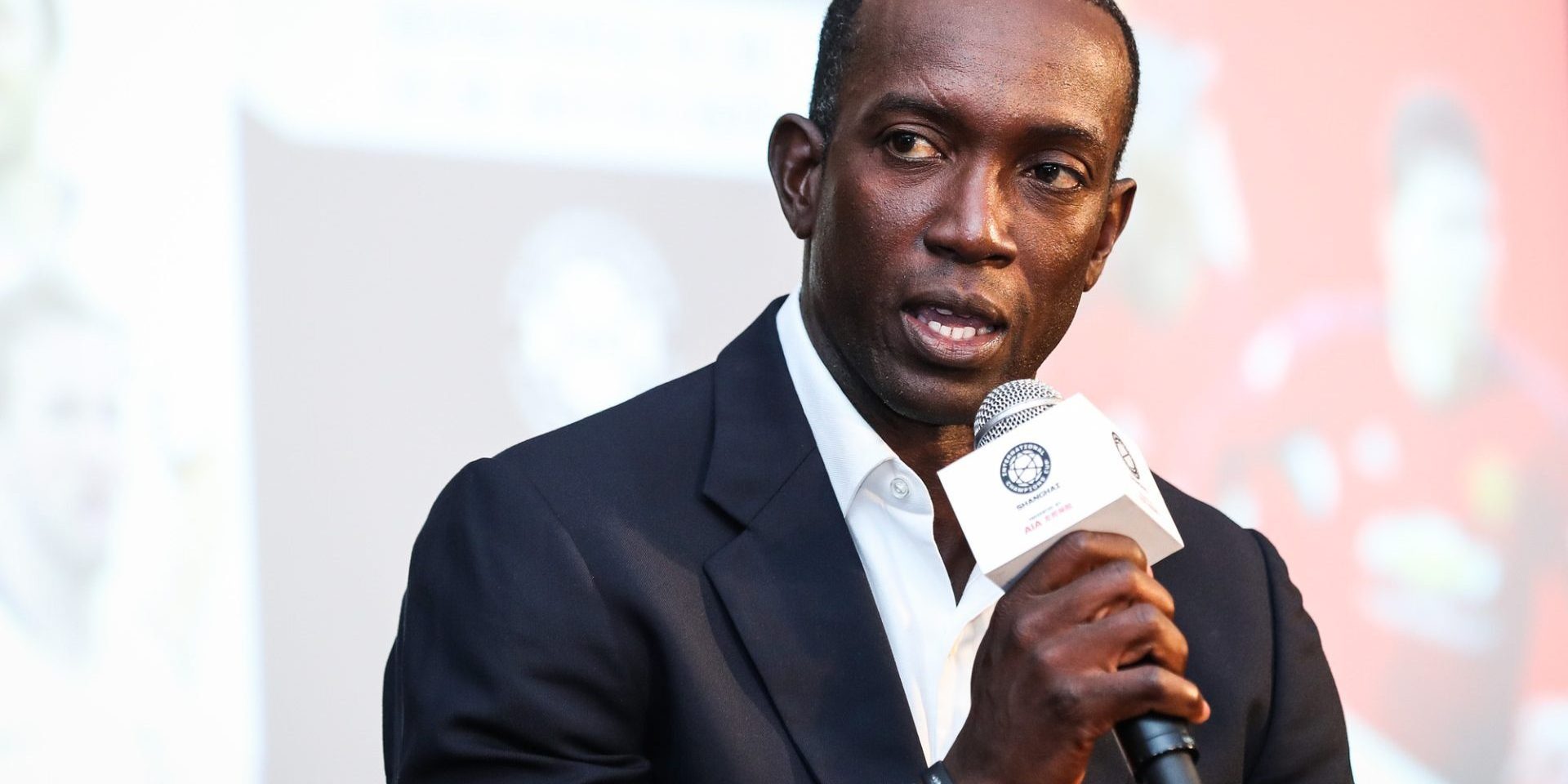

Table of Contents
- Dwight Yorke is among the names under consideration for the vacant Ghana head coach job after Carlos Queiroz left on 1 October, according to Ghanaian media.
- Yorke says he is “not a kid trying to get into management for the first time” and points to spells at Macarthur and with Trinidad and Tobago.
- Ghana sit bottom of their 2027 Africa Cup of Nations qualifying group with no points after a 4-2 home loss to the Gambia.
Yorke Wants the Label Gone Before Ghana Decide
Dwight Yorke wants people to stop calling him a former player. “I’m not a kid trying to get into management for the first time,” he says from his home in Dubai. “I’ve done that and I want that message to come across clearly.”
The message has a deadline. Carlos Queiroz left as Ghana head coach on 1 October and the Ghana Football Association is searching for his successor. According to Ghanaian media, Yorke is among the names under consideration, along with Pape Thiaw, Aliou Cissé and Walid Regragui, the former Morocco head coach. The Ghanaian FA has not confirmed any approach.
Yorke told The Guardian he is tired of the shorthand used to describe him in these job hunts. People focus on his playing accolades, including calling him the treble winner, a label he says belongs to one season in a run of three Premier League titles at Manchester United from 1999 to 2001. “I’m a manager,” he says.
A Résumé Built Far From Old Trafford
His first taste of management came in 2022, when he took charge of Australia’s A-League All Stars against Barcelona in front of more than 70,000 people in Sydney. They lost 3-2. “I realised then that I enjoyed it,” he says.
Macarthur, based in Sydney, followed that July. “We went to a relatively unknown team in the A-League and managed to win the cup,” Yorke says. The Australia Cup success, three months into his spell, was the club’s first trophy.
It did not last. Macarthur sacked him in January 2023 with the club sixth, after a post-match address in which he reportedly called the club a “pub team” run by “muppets”. A Fifa chamber found Macarthur had dismissed him without just cause, and the court of arbitration for sport upheld that in 2024.
“I wish I’d had the opportunity to finish what I started,” Yorke says. The job taught him communication and the importance of being transparent. “There was a disagreement. It was resolved amicably and I’ve moved on.”
Trinidad and Tobago: Two Tasks Out of Three
In November 2024, Trinidad and Tobago came calling. The Soca Warriors finished third in their World Cup qualifying group behind Curaçao and Jamaica and missed out on the finals, and Yorke’s tenure ended soon after. The Trinidad and Tobago Football Association said talks over revised terms had not produced an agreement and the contract was ended by mutual consent, announced in March. “The decision to end things was out of my control,” Yorke says.
He does not accept that missing the World Cup defines his time in charge. “People can be blind to success”, he says, if they only focus on whether a team qualified. He lost once in six qualifiers, 2-0 in Jamaica in September 2025. His brief was to make people care about Trinidad and Tobago again, boost recruitment and qualify. “I was given three tasks and completed two,” he says.
Crowds came back under Yorke, and a number of US-born players with Trinidadian and Tobagonian heritage, such as the CF Montréal winger Dante Sealy and Real Salt Lake’s Kobi Henry, opted in and made their debuts. “I left Trinidadian football in a far better place than I found it,” he says.
“I miss management,” Yorke says. “I miss what we were creating.” The players are understood to want him back, as his successor Derek King has two draws and eight defeats from his first 10 games.
What Draws Yorke to Ghana
Ghana is the live opportunity. “It’s a job I’d be interested in, given Ghana’s history and the players available,” Yorke says. An agent called to tell him Ghana were interested. “You look at the squad and your eyes open even wider,” he says. “The conversation started there and then reached the media before I really knew it.”
The squad he would inherit is in poor form. Ghana are bottom of their 2027 Africa Cup of Nations qualifying group with no points, after a 2-0 defeat in Côte d’Ivoire and a 4-2 home loss against the Gambia in which they led by two goals. It is a sharp decline for a side that reached the last 32 of the World Cup this summer and lost 1-0 against Colombia.
From the outside, Yorke says, Ghana “sometimes looks disjointed”. In his view outside noise unbalances everything, from the administration to the players. His fix is organisation, transparency and everyone speaking the same language. “The talent is there. Build the culture and get the players to buy in and the football will follow.”
Not Sir Alex, and Not the Party Boy
Older managers might have screamed and shouted to get messages across, but Yorke says: “I’m not sure that approach can last in the current environment.” He would not berate a player in public. That can happen behind closed doors, he says, while still being assertive. Respect and punctuality are non-negotiable, and nobody gets special treatment. “Everyone starts equally.”
Sir Alex Ferguson, who managed him at United, is the shadow over any such comparison. Among current managers, Pep Guardiola gave him the best advice. “He said, in effect, that I can’t be him or any other manager. I have to be myself.”
Other labels have stuck anyway. “People still call me a ‘party boy’. That stigma has been overused,” Yorke says. He adds: “You never hear that I didn’t turn up for training or wasn’t fit.” In Dubai he fasts for nearly 20 hours a day and eats one meal. “I’m a fitness fanatic who trains every day.”
Asked how he wants to be remembered as a coach, Yorke answers with a list: committed, transparent with players, decisions made for the team and never for an individual. “If anyone doubts me, I can prove them wrong.”

Leave a Comment
More in News
‘The Most Disgusting Thing Ever’: Florida Woman Opens Chipotle Bowl. Then She Takes A Closer Look At The Little Black Dots
Andoni Iraola Explains Benching Florian Wirtz, Alexander Isak and Bradley Barcola
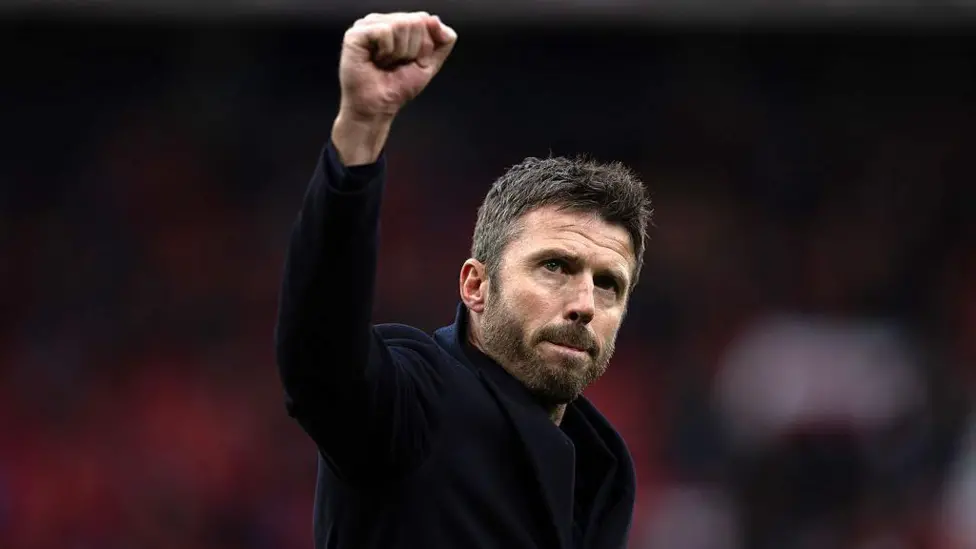
Michael Carrick Says He Needs No Reassurance After Ten Hag Board Criticism

James Maddison Scored on His First Start in 18 Months for Spurs

Charlie Cresswell Left Leeds After 14 Games and Now Chases England Place
Trending on Futbol Chronicle
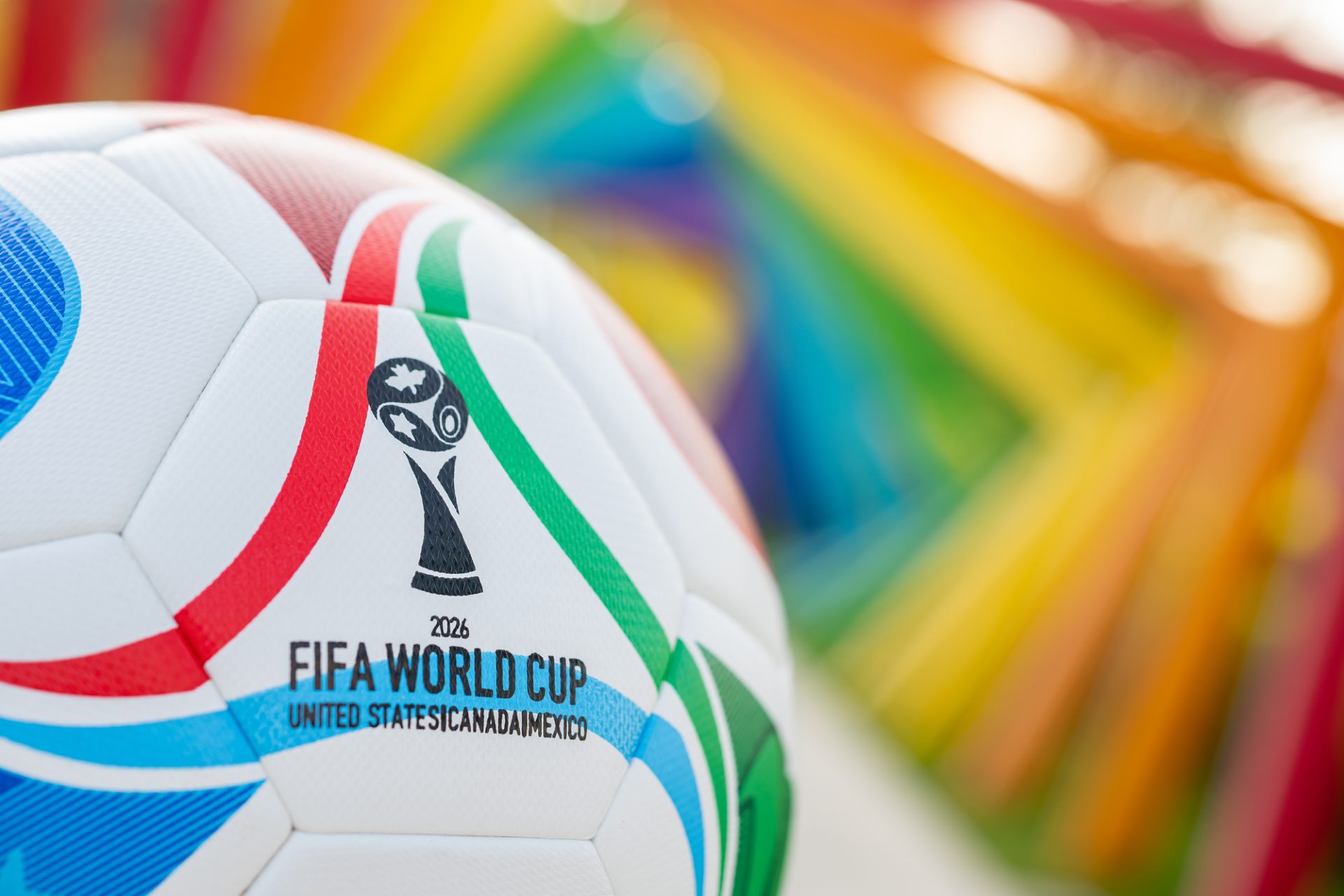
The Best World Cup YouTubers to Follow in 2026
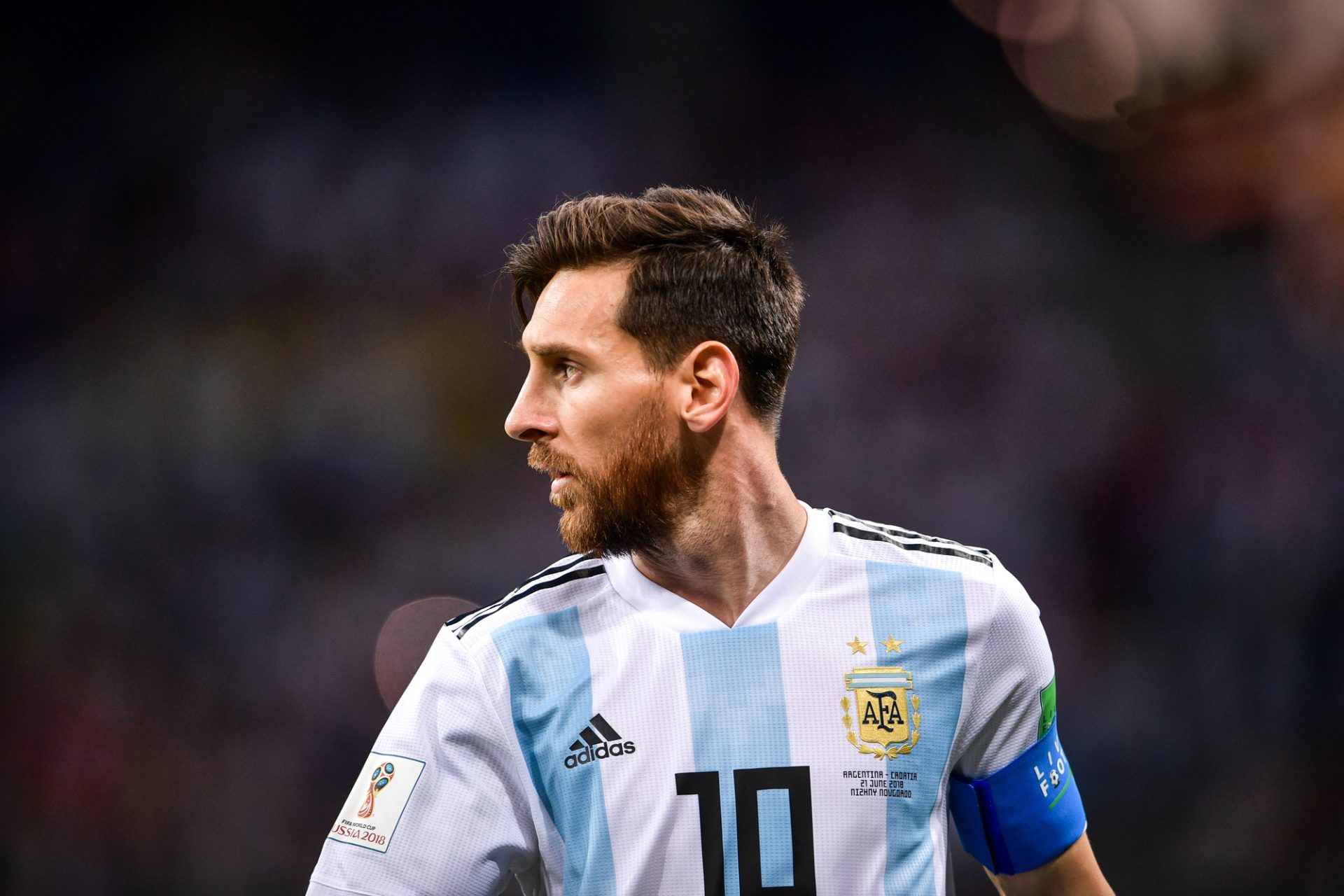
The Best Soccer Players of All Time: The 10 Greatest Ever Ranked
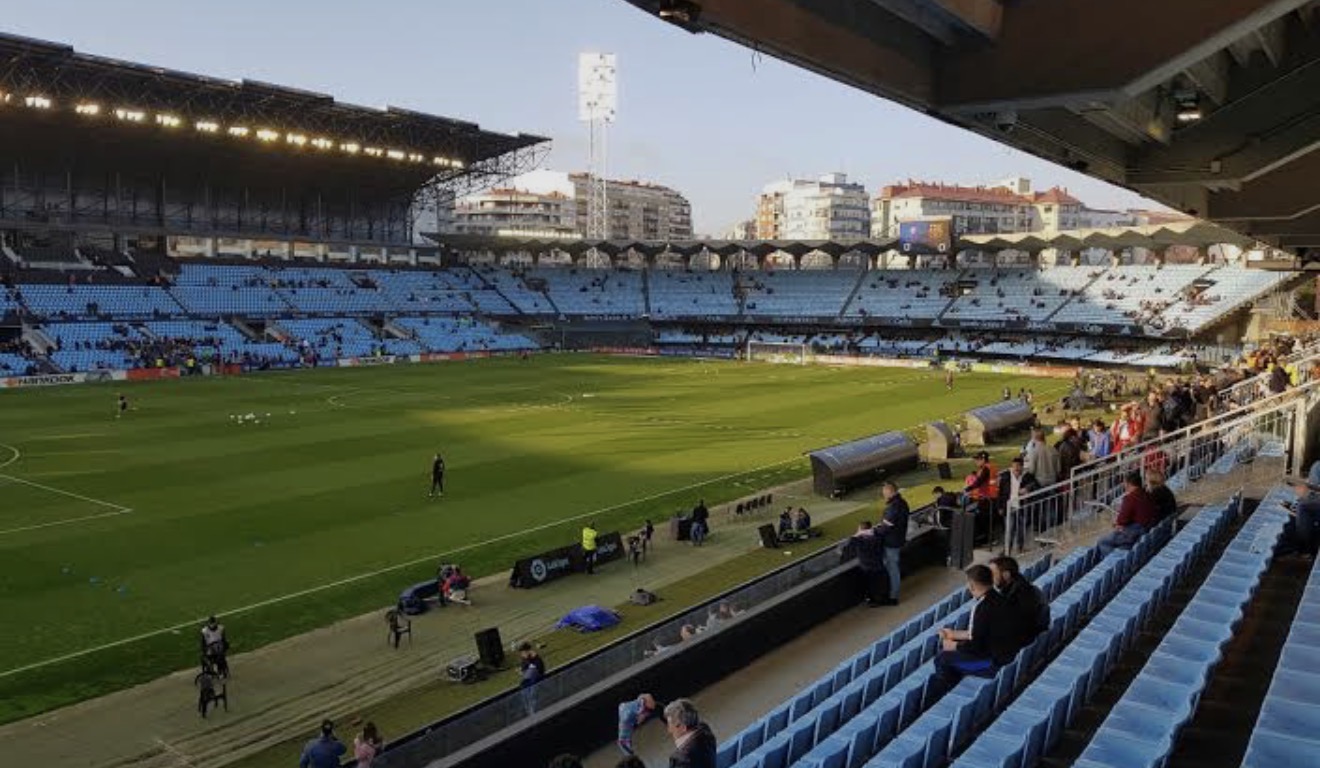
Celta Vigo postpones LaLiga opener after fungus outbreak damages stadium pitch
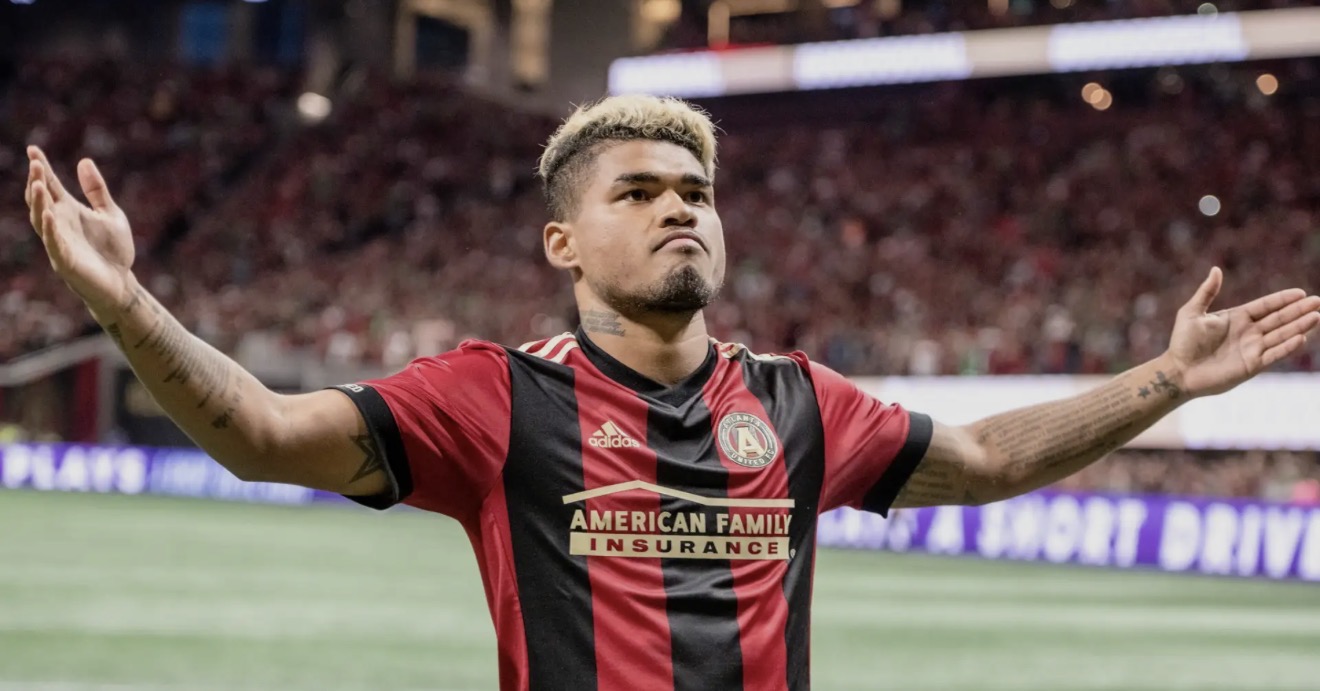
Josef Martinez Returns to MLS Spotlight With Columbus Crew Signing