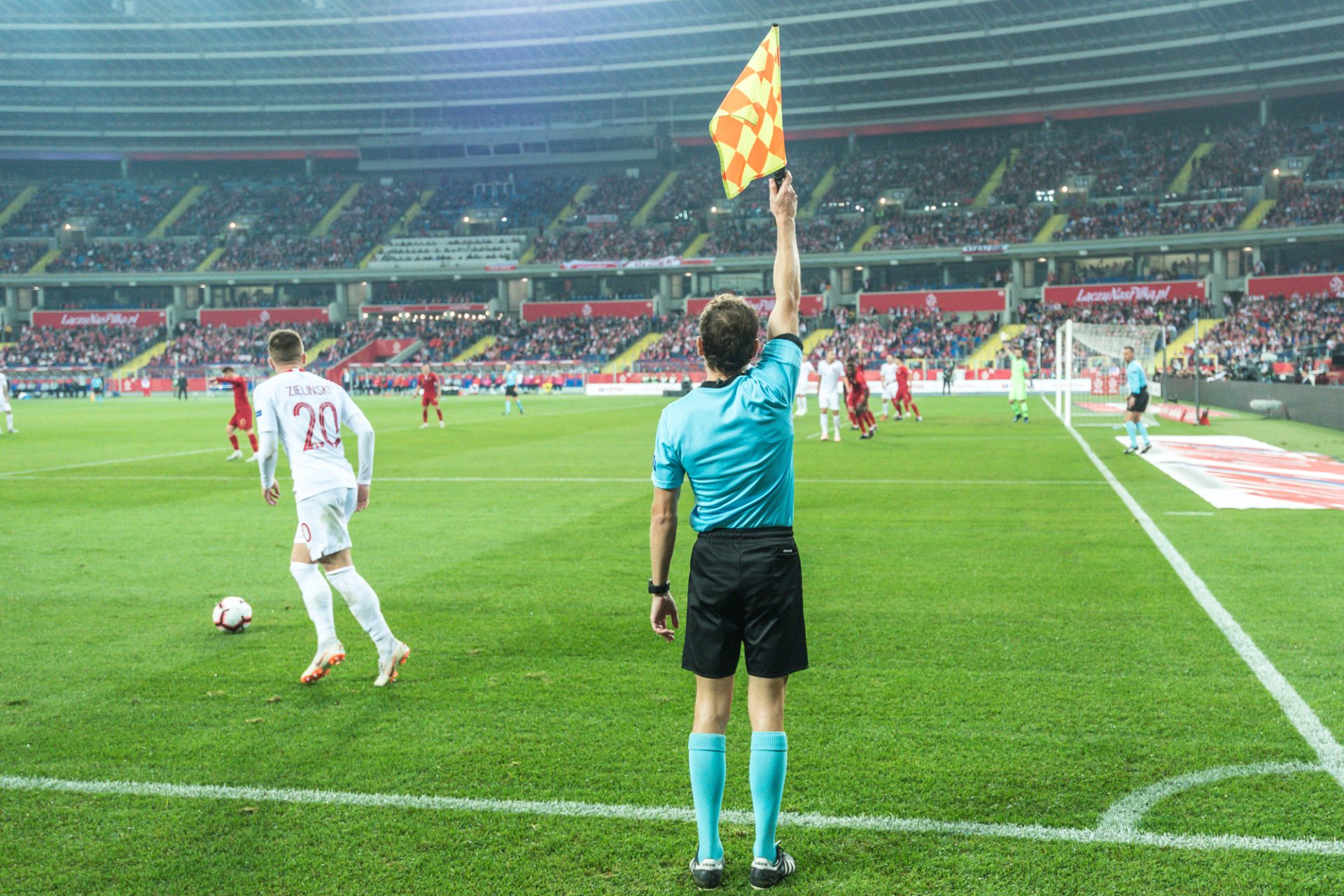
England Made a Kansas City Park Their World Cup Base Camp

Table of Contents
Drive south from downtown Kansas City, past the zoo and the old golf course, and you arrive at a stretch of green that has been part of the city’s life since before the first World Cup was ever played. Swope Park opened in 1896. For the next few weeks, the most famous footballers in England will train on its grass. Harry Kane, Jude Bellingham and the rest of Thomas Tuchel’s squad have made their home for the 2026 World Cup not in Los Angeles, not in New York, but in a Missouri park that the mayor proudly points out once sat in the shadow of the Kansas City Chiefs.
It sounds like an odd choice on paper. England could have set up anywhere. Instead they picked Swope Soccer Village, a complex tucked inside one of the largest urban parks in the United States, and they did it for reasons that have far more to do with maps and aeroplanes than with glamour. This is the story of how the heart of America became England’s World Cup home, and why three of the most decorated nations in the sport all came to the same conclusion.
Football comes to Swope Park
Kansas City announced England’s decision in February, and Mayor Quinton Lucas could barely contain himself. “Football is coming home to Kansas City,” he said. “Our region is thrilled to make history welcoming one of the greatest national sides in international soccer to the practice ground at Kansas City’s legendary Swope Park.”
The mayor leaned into the heritage of the place. “Once host to the Kansas City Chiefs of American football, England’s practice ground in Swope Park has for generations launched clubs to the pinnacle of success and sits in the center of the diverse cultures and people of Kansas City,” Lucas said. “Along with the club, Kansas City is thrilled to host thousands of fans from England to the welcoming Heart of America.”
Swope Park itself is a piece of civic history. Established in 1896, it covers more than 1,800 acres and has been a cornerstone of the city’s recreational life for over a century. The training complex inside it, Swope Soccer Village, is owned by Sporting Kansas City and cost more than 20 million dollars to build. It has hosted national teams and visiting clubs from England before, and it carries multiple professional grade pitches that satisfy the demands of a side preparing for the biggest tournament in the game.
Beth Haden, president of the city’s Board of Parks and Recreation Commissioners, framed the selection as a win for the neighbourhood as much as the nation. “We are proud that a world class soccer team like England has recognized the world class facility that we offer at Swope Soccer Village,” she said. “We look forward to our residents, and particularly those on the East side of Kansas City, being able to experience World Cup soccer in their own neighborhood.”
Why the middle of America made sense
The real explanation sits in the shape of this tournament. The 2026 World Cup is the first to feature 48 teams, expanded from 32, and it is spread across three countries: the United States, Canada and Mexico. Seventy-eight of the 104 matches will be played on American soil, with Canada and Mexico hosting 13 each. Teams will be flying between venues separated by thousands of miles, sometimes crossing several time zones in a single week.
Kansas City sits almost exactly in the middle of the United States. For a squad that needs to keep travel short and recovery long, a central base is worth more than a fashionable postcode. Tuchel’s staff opted for the location specifically to cut down on travel demands, keeping the players closer to a hub from which they can reach group venues without burning days on aeroplanes and in hotels.
That logic is the same one England applied to the rest of their preparation. The squad spent months getting ready for the heat and humidity of a North American summer, a project we covered in detail in our look at the heat chambers the Football Association built. The base camp choice is the travel half of the same equation. Win the small battles of logistics, the thinking goes, and the players arrive at kick off with fresher legs than rivals who chose a prettier view.
The Kansas City base camp boom
England are not alone in their thinking. Far from it. Kansas City has quietly become the base camp capital of this World Cup, and the company England keep there says plenty about how seriously the location is taken.
Argentina, the reigning world champions, set up at the Sporting KC Training Centre across the state line in Kansas. The facility comes loaded with hyperbaric chambers, cryotherapy labs and the kind of recovery infrastructure a Lionel Messi squad expects. The Netherlands chose the KC Current training facility in Riverside, Missouri, the home of one of the strongest sides in the National Women’s Soccer League. Algeria rounded out the cluster with their own arrangement in the metro area.
Four national federations, three of them among the most storied in the sport, all landing in the same unglamorous corner of the map is not a coincidence. As the outlet Crypto Briefing put it in its piece on the trend, “When you picture the world’s best soccer teams preparing for a World Cup, Kansas City probably isn’t the first place that comes to mind.” Yet the city has been investing in soccer infrastructure for years. Sporting Kansas City has been a model Major League Soccer franchise since its stadium opened in 2011, and the KC Current poured money into a purpose built training complex. When scouts came looking, nothing had to be built from scratch. The facilities were already there, already tested, already running at the level elite teams demand.
What it means for England
For Tuchel, the base camp is one more controllable variable in a tournament full of things he cannot control. England carried fitness concerns into the squad, with full backs in particular nursing the after effects of a long, bruising season. Anything that shortens journeys and lengthens rest helps a manager managing tired bodies through a month of football.
There is a softer benefit too. A settled, central base lets a squad build the bubble that long tournaments demand. Players train, eat and recover in the same familiar surroundings rather than living out of suitcases. England’s leaders, captain Harry Kane among them, have spoken before about the value of routine at major tournaments, and Kansas City gives them that anchor. Kane himself arrives chasing history, as we explored when he walked out level with a captain from 1958, and a calm home base is exactly the sort of foundation a side hoping to go deep wants beneath it.
The local welcome will not hurt either. Kansas City expects thousands of England supporters to follow the team to the Midwest, filling bars and hotels and giving the players a slice of home several thousand miles from it. For a region better known for barbecue and the Chiefs, a summer of English accents and replica shirts is a novelty the city has embraced with open arms.
A heartland World Cup
There is something fitting about the best teams in the world choosing the middle of the country rather than its coasts. This World Cup was sold on the promise of reaching parts of North America that rarely see the global game up close. Kansas City, a city that loves its sport but had never hosted football’s showpiece, is suddenly the training ground for champions and contenders alike.
For England, the decision strips away the romance and keeps the practicality. They did not come to Missouri for the skyline. They came because the numbers said a central base would keep their players fresher, their flights shorter and their preparation calmer than the alternatives. In a tournament that will be won and lost in the margins, the choice of a 130 year old park in the Heart of America may prove to be one of the smartest calls Tuchel’s staff made before a ball was even kicked.
If England go far this summer, the images of celebration will come from glittering stadiums in distant cities. But the work will have been done here, on the grass of Swope Park, where football came home to a place nobody expected.

Leave a Comment
More in News
Mourinho Blasts Referee After Atletico Avoid Two Red Cards in Madrid Derby

Cole Palmer Withdraws From England Squad as Gibbs-White Returns Again

Marseille Fans Turn on Owner McCourt as Gomes Can’t Prevent Fifth Straight Loss

Juventus Fans Turn Backs on Silence for Mazzola, Club Slams ‘Lack of Respect’

Trent Alexander-Arnold Returns to the England Squad for the First Time in Over a Year, and Cole Palmer Is Back Too After Their World Cup Snub
Trending on Futbol Chronicle
Why Soccer Is The Best Sport

Josef Martinez Returns to MLS Spotlight With Columbus Crew Signing
Celta Vigo postpones LaLiga opener after fungus outbreak damages stadium pitch
Mikel Arteta backs ‘warrior’ Bruno Guimarães to make Arsenal stronger