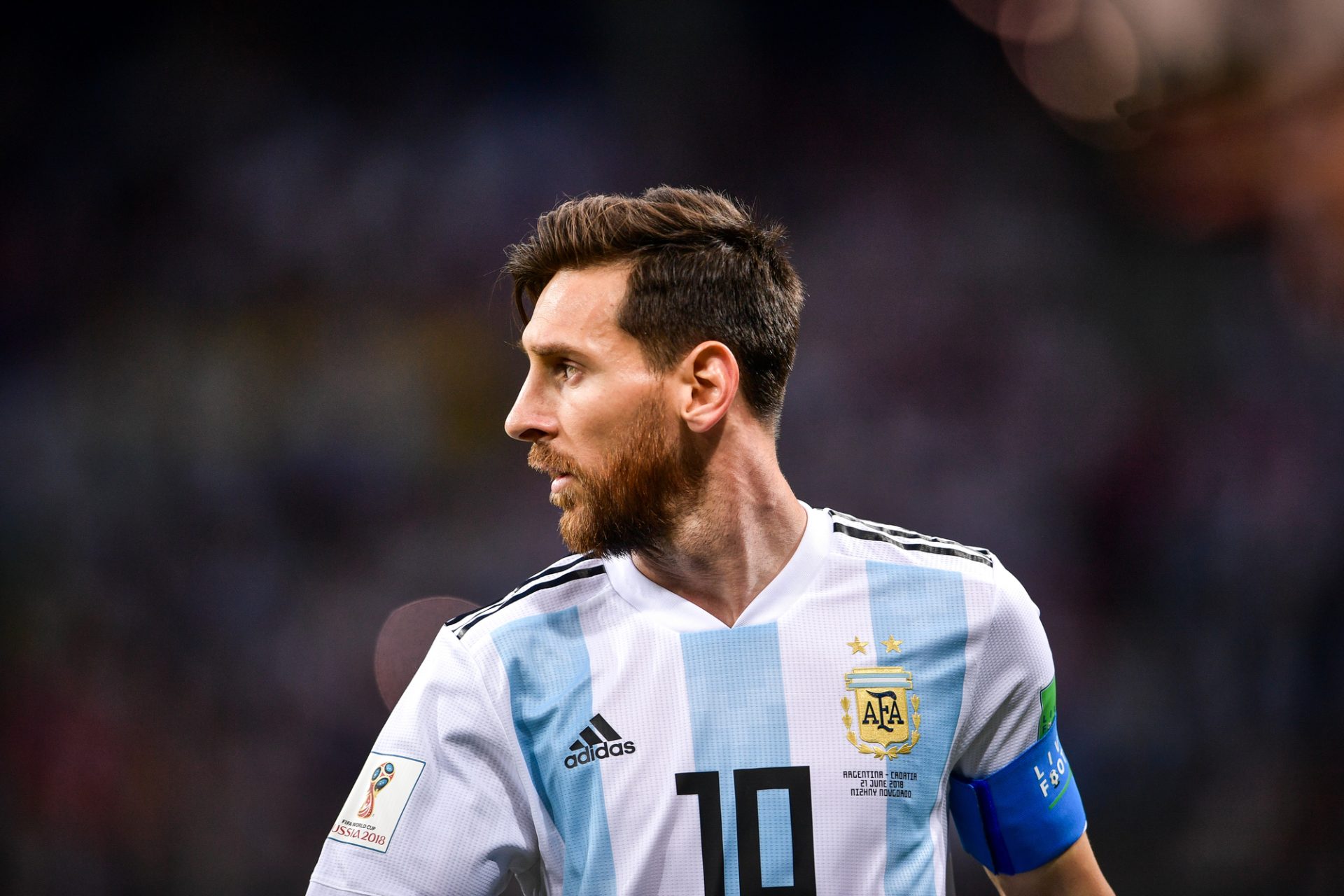
FIFA reverses stance to allow tailgating at World Cup matches
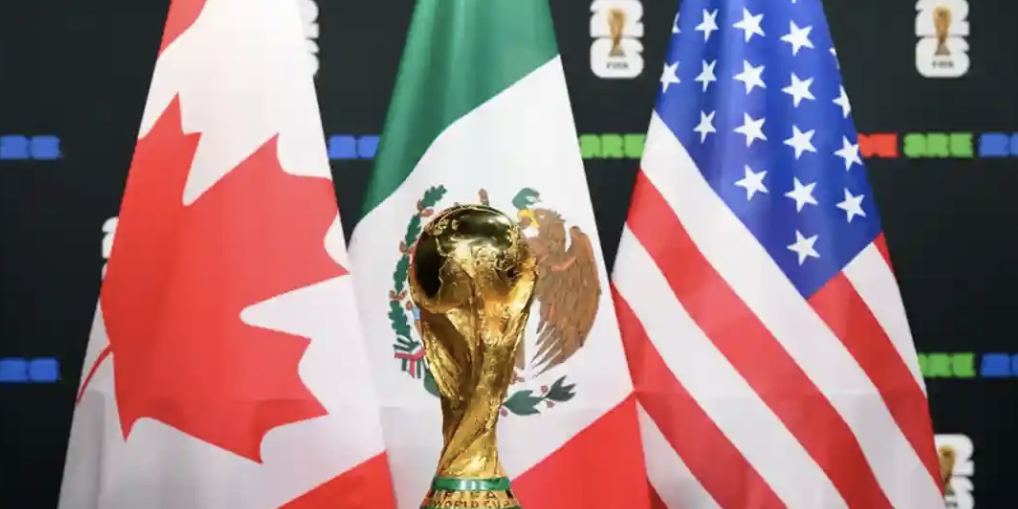
- Tailgating permitted at World Cup games after FIFA changes initial policy
- Gillette Stadium to host six group matches and a quarterfinal with limited parking
- Boston and New York plan fan events to enhance tournament experience
Tailgating will be allowed at FIFA World Cup matches after organizers reversed an earlier decision to ban the popular pre-game tradition.
The Boston World Cup host committee confirmed that FIFA had changed its stance, meaning fans attending games at Gillette Stadium in Foxborough will be able to gather for pre-match social events.
Tailgating is a long-standing American sports tradition where supporters meet in stadium parking lots before games to socialize, grill food, play games and enjoy drinks together, often turning the buildup into a communal celebration that can last for hours.
The stadium, home to the New England Patriots, is scheduled to host six group-stage matches and a quarterfinal on July 9 during the tournament, which runs from June 11 to July 19 across the United States, Mexico and Canada.
The decision aligns with local policies that permit tailgating at major events held at the venue, including NFL and MLS matches as well as concerts.
However, capacity will be significantly reduced compared to typical events. While around 20,000 parking spaces are usually available for Patriots games, only approximately 5,000 will be accessible to the public during the World Cup.
Transport costs for fans are also set to increase. The Massachusetts Bay Transportation Authority has priced round-trip train tickets between Boston and Foxborough at $80 for tournament matches, four times the usual rate for regular sporting events. An express bus service will also be available, costing $95 for a return journey.
In addition to stadium plans, cities are preparing wider fan experiences. New York City has announced a series of fan festivals across its five boroughs to coincide with matches at MetLife Stadium in New Jersey and other venues nationwide.
The policy change ensures that one of the most recognizable aspects of American sports culture will be part of the World Cup experience for fans attending games in the United States.

Leave a Comment
More in News
Harry Kane Ends England’s 25-Year Ballon d’Or Wait After 61-Goal Season
Woman books cruise for family vacation. Right before boarding, Royal Caribbean changes their itinerary ‘twice in 2 minutes’

‘What are you feeding us?’: Atlanta woman buys Foster Farms corn dogs. Then her son takes a bite—and hits something ‘inedible’
England Under-15 Coach Matt Thorpe Pulls Players Off After Racism Allegation

Gary Neville Says Man Utd Players Downed Tools and Turned on Carrick
Trending on Futbol Chronicle
Celta Vigo postpones LaLiga opener after fungus outbreak damages stadium pitch

Michael Carrick admits Manchester United have “no excuses” after AC Milan defeat

Cristian Romero completes €40m move from Tottenham to Atlético Madrid
Josef Martinez Returns to MLS Spotlight With Columbus Crew Signing