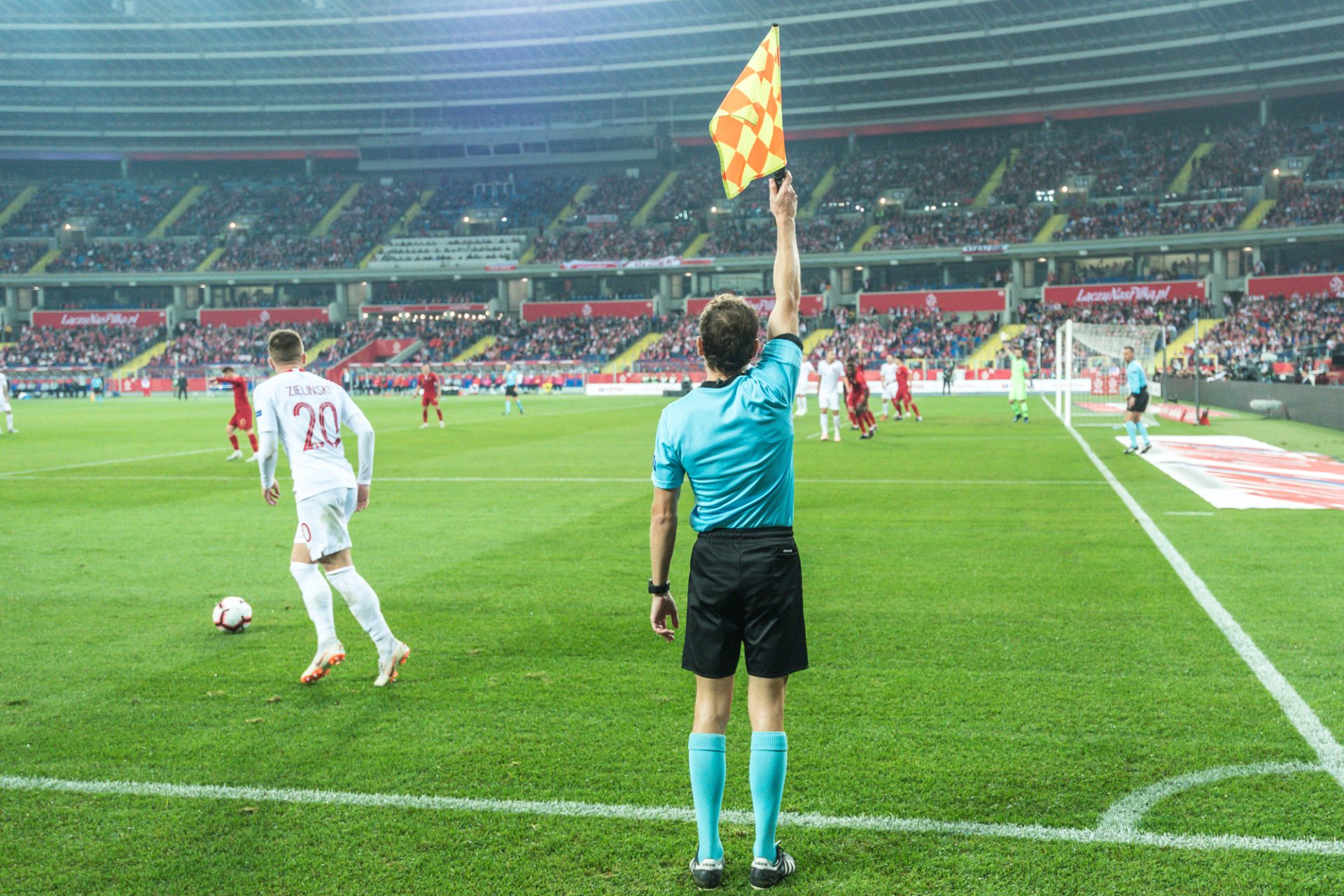
FIFA to issue red cards for players covering mouths during confrontations at World Cup
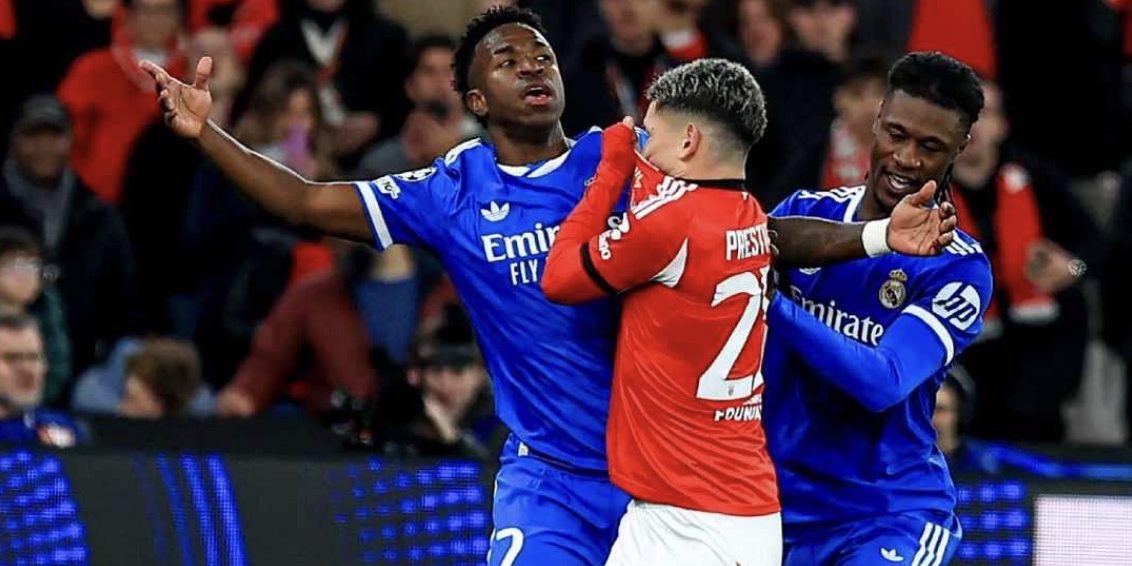

- New rule allows referees to send off players who cover mouths in disputes
- Decision follows Vinícius Júnior incident involving Gianluca Prestianni
- Walk-offs and match abandonments to carry strict sanctions at tournament
Players who cover their mouths while confronting opponents will risk being sent off at this summer’s World Cup after football lawmakers approved a rule change.
The measure was agreed unanimously by the International Football Association Board (IFAB) and will be implemented at the tournament, giving referees the authority to issue red cards in such situations at their discretion.
The change follows an incident in February when Real Madrid forward Vinícius Júnior reported abuse from Benfica’s Gianluca Prestianni, who covered his mouth while speaking during a Champions League match. The game was paused for 10 minutes as officials followed UEFA protocols.
UEFA later handed Prestianni a six-match ban for discriminatory conduct, ruling the language used was anti-gay in nature. Part of the suspension was deferred, and the sanction remains subject to appeal.
FIFA had pushed for stricter action in response to the incident, with president Gianni Infantino advocating for automatic dismissals when players conceal their speech during confrontations.
Under the updated guidance, competition organisers can instruct referees to treat such behaviour as a red-card offence in an effort to deter abusive language that cannot be detected.
Additional rule changes will also target player conduct more broadly during the tournament.
Players who walk off the pitch in protest at refereeing decisions, as well as officials who encourage such actions, will face immediate dismissal. Teams responsible for abandoning matches could forfeit the game.
The stricter stance follows chaotic scenes at the Africa Cup of Nations final earlier this year, when Senegal players temporarily left the pitch in protest, causing a lengthy delay.
Football’s governing bodies say the new measures are designed to improve discipline, protect players and uphold standards of conduct on the sport’s biggest stage.

Leave a Comment
More in News
Pierre Sage Booed by Palace Fans After Fifth Defeat in Eight Games

Las Vegas server waits on man during lunch shift. Then he hands her several $100 bills during his meal as a tip. Then he hands her an envelope
Alexander Isak Repays £125m Fee After Broken Leg and Four-Goal Debut Year
Michael Carrick Enters Sacking Season as Departing Managers Averaged 310 Days

Tony Pulis Says Man Utd Should Copy Arsenal’s Patience With Carrick
Trending on Futbol Chronicle
Why Soccer Is The Best Sport
Mikel Arteta backs ‘warrior’ Bruno Guimarães to make Arsenal stronger
What Is The Club World Cup?
Michael Carrick admits Manchester United have “no excuses” after AC Milan defeat