FIFA under pressure as more World Cup tickets released after fan backlash
- FIFA to release additional tickets across all categories following complaints over pricing and seat allocation
- New “front category” tier sparked anger, with fans claiming premium seats were withheld
- Sales concerns emerge for opening matches, including USA vs Paraguay in California
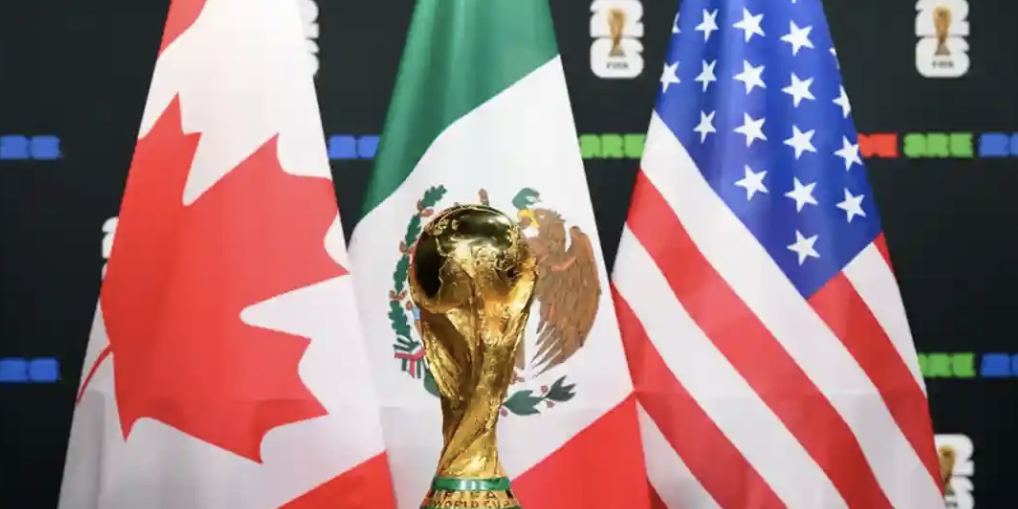
FIFA are trying to steady the ship after a clumsy few weeks on ticketing, confirming another batch of seats will go on sale for the 2026 World Cup.
Supporters will be able to access tickets across Categories 1, 2 and 3, along with the newly introduced “front category” tier, when sales reopen on Wednesday morning (11 a.m. ET). It is a move that feels reactive. The governing body has faced growing criticism since quietly introducing higher-priced options earlier this month.
Those new tiers did not go down well. Fans complained that seats they assumed were among the best available had, in reality, been held back and repackaged at a premium. It fed into a wider sense that pricing has drifted beyond reach for many.
FIFA has yet to publicly address those concerns in detail. Silence rarely helps in situations like this, especially when supporters feel priced out of the biggest tournament in world football.
There are also signs that demand may not be as bulletproof as hoped. Reports suggest ticket sales for the United States opener against Paraguay on June 12 in Inglewood are below projected capacity. Just over 40,000 tickets had reportedly been sold for a stadium expected to hold close to 70,000.
That is not a crisis, but it is enough to raise eyebrows given the scale of the event and the market.
Pricing remains at the heart of the issue. Initial sales in December ranged from $140 for early group-stage matches to $8,680 for the final. Those figures have since climbed, with top-end tickets now reaching $10,990. Add in the new premium tiers and the perception is clear: FIFA are testing how far they can push it.
This latest ticket release feels like an attempt to regain control of the narrative. Whether it works will depend less on availability and more on whether supporters feel they are being treated fairly.

Leave a Comment
More in News
Pierre Sage Booed by Palace Fans After Fifth Defeat in Eight Games

Las Vegas server waits on man during lunch shift. Then he hands her several $100 bills during his meal as a tip. Then he hands her an envelope
Alexander Isak Repays £125m Fee After Broken Leg and Four-Goal Debut Year
Michael Carrick Enters Sacking Season as Departing Managers Averaged 310 Days

Tony Pulis Says Man Utd Should Copy Arsenal’s Patience With Carrick
Trending on Futbol Chronicle
Celta Vigo postpones LaLiga opener after fungus outbreak damages stadium pitch
What Is Offsides in Soccer? The Offside Rule Fully Explained

Mikel Arteta backs ‘warrior’ Bruno Guimarães to make Arsenal stronger
What Is The Club World Cup?