Four European Leagues Accuse Infantino of Betraying FIFA Ahead of 2027 Vote
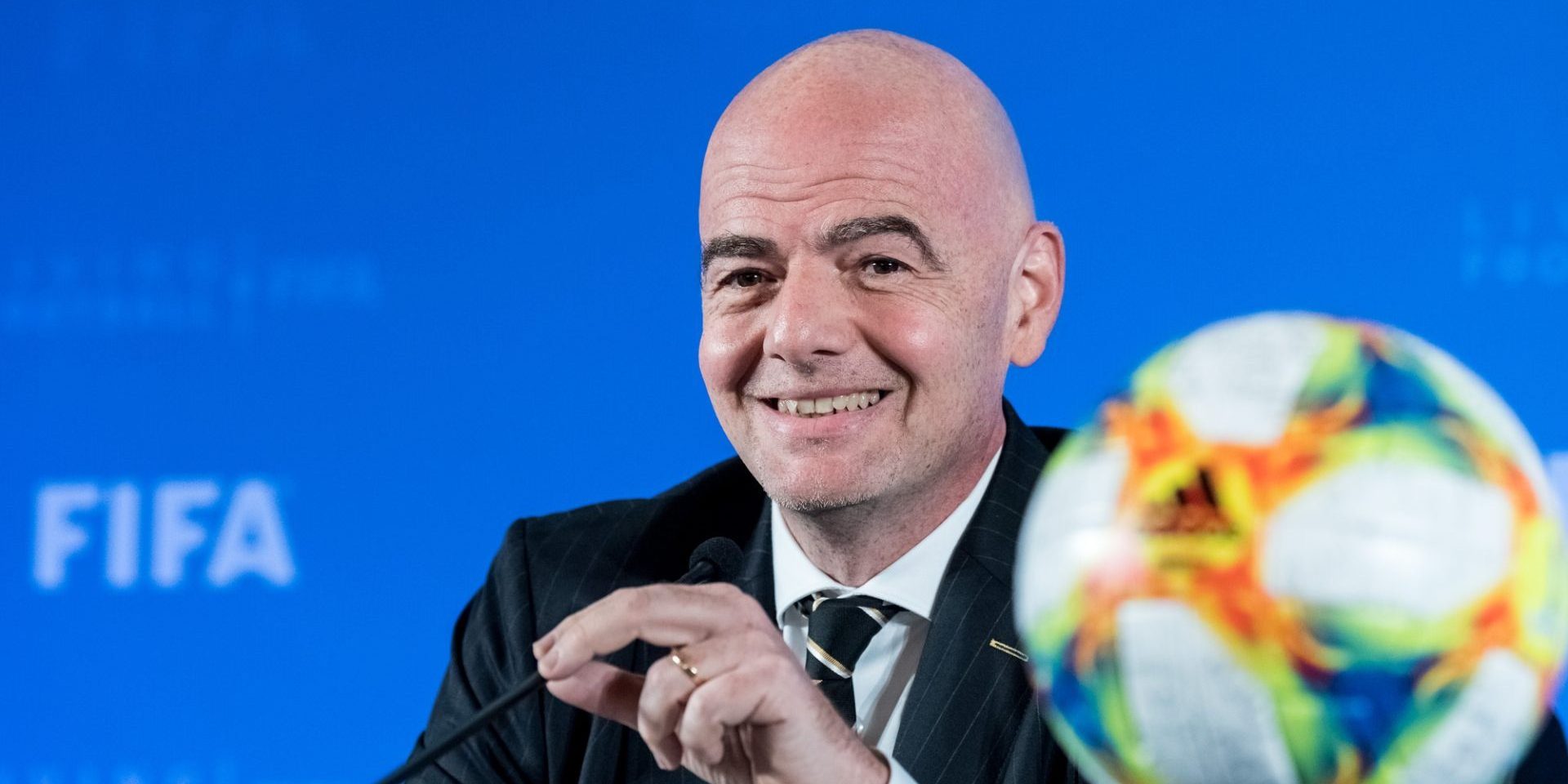
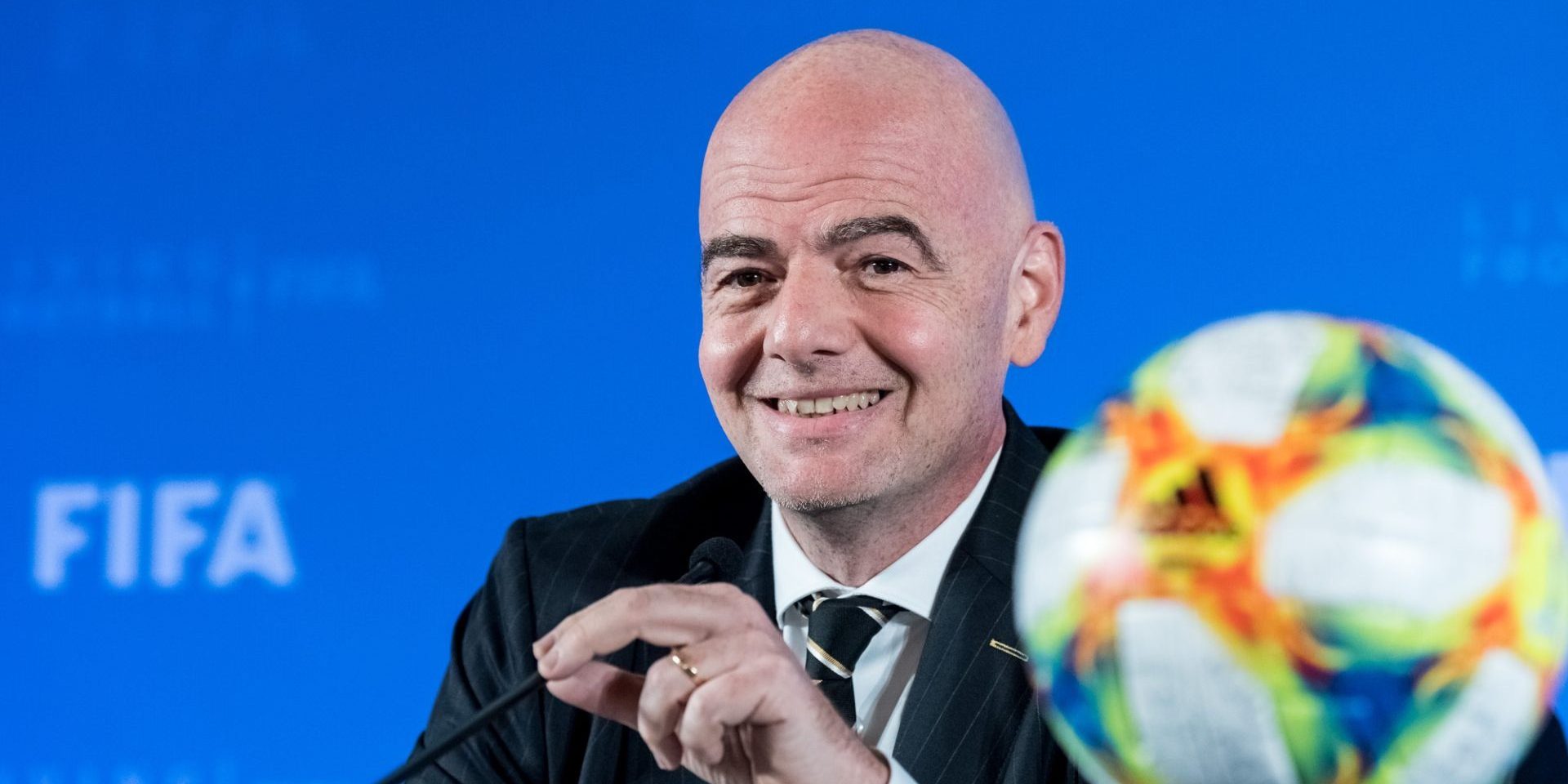
Table of Contents
- The Premier League, Bundesliga, LaLiga and Serie A have jointly accused FIFA president Gianni Infantino of pursuing exploitative ideas rather than protecting the sport, and are demanding governance reform before his 2027 re-election bid.
- Their statement points to two flashpoints: Infantino’s abandoned plan to sell a fifth of FIFA’s commercial rights to private investors, and FIFA’s decision to let a suspended Folarin Balogun play at the World Cup after Donald Trump called Infantino directly.
- The four leagues want FIFA to give clubs, players and leagues a real say in its decisions, publish the reasoning behind them, and separate FIFA’s business interests from its role as the sport’s regulator.
A Phone Call From Donald Trump Is Now Evidence in a Case Against the Man Who Runs World Football
Four of the biggest leagues in world football came together on Friday to say, in public and in one voice, that the man running FIFA cannot be trusted with the job. The Premier League, Bundesliga, LaLiga and Serie A issued a joint statement declaring that FIFA’s president “has actively promoted exploitative ideas” that threaten what they called “football’s longstanding foundations.” It is a rare moment. Rival leagues that compete for the same players, the same sponsors and the same television audiences had put their names to the same complaint against the same man, less than six months before he stands for re-election.
The statement came from the top of each league: Richard Masters of the Premier League, Marc Lenz of the Bundesliga, Javier Tebas of LaLiga and Luigi De Siervo of Serie A. None of them used Infantino’s name directly in the language made public, but the target was never in doubt. “Fundamental governance reform is essential to restore clear constitutional boundaries within FIFA,” the statement read.
What Infantino Is Accused Of
Two decisions sit behind Friday’s statement. The first is financial. Infantino spent months pushing a plan known inside FIFA as the FIFA Forward Enterprise, which would have sold a fifth of the organisation’s commercial rights, the revenue streams built on the World Cup itself, to outside private investors. The proposal reached the point of a formal vote before national federations pushed back hard enough, with some threatening to boycott the process altogether, that Infantino pulled it in July rather than risk a public defeat. The leagues argue the episode showed an organisation willing to treat football’s global competitions as an asset to sell rather than a game to protect, and that the plan died from federation pushback alone, with no internal check inside FIFA’s own governance stopping it first.
The second is about power on the pitch, not off it. At the World Cup in July, USA striker Folarin Balogun was sent off in the last 32 for catching an opponent with his studs, a red card that would have ruled him out of the last 16 against Belgium. President Donald Trump called Infantino directly to ask for the ban reviewed. “I asked for a review by FIFA. I spoke to a man who’s highly respected, and by the way, whose level of respect has gone up tenfold,” Trump said afterward. FIFA’s disciplinary committee suspended the ban under a rule that allows it to hold back a punishment, and Balogun was cleared to play.
Infantino defended the call at the time. “FIFA’s judicial bodies are independent. Their independence is essential to the credibility and integrity of football,” he said. UEFA was not convinced, saying FIFA had “crossed a red line” and put “the integrity of the game at stake.” Former FIFA president Sepp Blatter went further: “Red cards are not overturned by political phone calls. Football must never become a playground for political power.” Belgium’s own federation stopped short of a formal appeal but said at the time it was leaving all further options open, including a possible case at the Court of Arbitration for Sport, a threat that was never carried through but has stayed on record as a marker of how unusual the intervention was seen to be.
Why the Leagues Are Angry Now
Neither episode is new. What changed on Friday is that four leagues that rarely agree on anything chose this moment to act together. Part of the answer sits in a dispute that has run for close to two years. The European Leagues Association filed a legal complaint with the European Union over how FIFA sets the international match calendar, arguing that governing bodies keep adding tournaments, including a bigger Club World Cup, without genuine input from the leagues and clubs whose players carry the physical cost. Friday’s statement folds that grievance in alongside the FIFA Forward Enterprise plan and the Balogun decision, presenting all three as evidence of the same pattern: a president who acts first and consults later, if at all.
“Football’s longstanding foundations have been threatened by a fundamental governance problem, whereby FIFA’s president has actively promoted exploitative ideas,” the four leagues said. They added: “The future of FIFA matters to everyone who cares about football, because our sport cannot grow globally if its foundations are undermined.” Infantino, for his part, has argued that scrutiny of this kind is part of running any large institution. “Strong institutions do not wait for their systems to fail before considering how they can be improved,” he said earlier this year.
What the Leagues Want to Happen Next
The statement lays out three commitments the leagues want FIFA to adopt. National associations, leagues, clubs and players should have a genuine role in FIFA’s decision making, rather than being informed after decisions are made. FIFA should back up its rulings with published, evidence based explanations, the kind of transparency the Balogun decision never offered. And FIFA’s commercial arm, the part of the organisation that sells broadcast rights and sponsorships, should be kept separate from its role as the sport’s regulator and guardian, so that money and rule making do not sit in the same hands.
FIFA holds its next presidential election in March 2027, and the leagues are using that date to apply pressure. Rather than simply endorsing or opposing Infantino, they are calling on every candidate, including Infantino himself if he runs again, to publish a reform program before the vote. That would turn the election into a referendum not just on who leads FIFA, but on how the organisation is governed, a distinction the four leagues clearly believe FIFA’s members have not been asked to make before.
The Premier League declined to comment when reports of the statement first surfaced on Thursday, and the formal agreement between the four leagues was still being finalised as late as Thursday afternoon. That gap between the first reports and the finished statement suggests the four leagues spent that day settling exactly how far to go in public, a sign of how carefully coordinated Friday’s message was meant to be.
A Dispute That Reaches Well Beyond One Statement
The calendar fight sits underneath all of it. Leagues and clubs pay the wage bills of players who then leave for expanded international tournaments and a bigger Club World Cup, competitions FIFA controls and profits from directly. The European Leagues Association’s complaint to the European Union, filed nearly two years ago, argued that FIFA sets that calendar without giving the bodies who employ the players a real vote on it. Friday’s statement does not resolve that legal complaint, but it raises the stakes around it by tying the calendar dispute to the FIFA Forward Enterprise plan and the Balogun decision, three separate grievances presented as one pattern of behaviour rather than three unrelated disputes.
That pattern is what the leagues say makes this moment different from previous rounds of friction with FIFA. A financial plan that treated football’s commercial rights as something to sell to outside investors is one kind of concern. A disciplinary decision that bent to a phone call from a sitting head of state is another. A calendar that keeps expanding without the leagues’ say is a third. Put together, they add up to a claim that Infantino’s FIFA moves first and explains itself only when challenged, precisely the behaviour the leagues say their three proposed reforms are designed to stop.
Infantino has not issued a direct response to Friday’s statement. FIFA’s public position throughout this year has been that a president facing this much organised pressure from within the sport is itself evidence that reform conversations are already happening, not proof that they have failed. Whether that argument holds up will depend on what candidates, Infantino included, actually put forward before March 2027. For now, four leagues that agree on very little else have agreed on this: the man in charge of the World Cup should have to answer for how he runs it, in public, before voters decide whether he keeps the job.

Leave a Comment
More in News

Why Germany Refused to Kick the Ball Out on Klopp’s Debut

Joao Felix Spares Ronaldo’s Blushes After Years of Flops at Chelsea and Milan
Rodri Left Manchester City for Barcelona, but Defends the Club After Guilty Verdict
Cole Palmer Has Missed Six of Thomas Tuchel’s Eight England Camps, and His Manager Has Just Questioned Whether He Wants the Shirt at All
Manchester City’s 115 Charges Reported Mostly Proven, Guardiola’s Trophies at Risk
Trending on Futbol Chronicle
The Best World Cup YouTubers to Follow in 2026
Celta Vigo postpones LaLiga opener after fungus outbreak damages stadium pitch
The Best Soccer Players of All Time: The 10 Greatest Ever Ranked
Cristian Romero completes €40m move from Tottenham to Atlético Madrid