Jeremy Doku Left the World Cup for His Son’s Birth and a Continent Argued
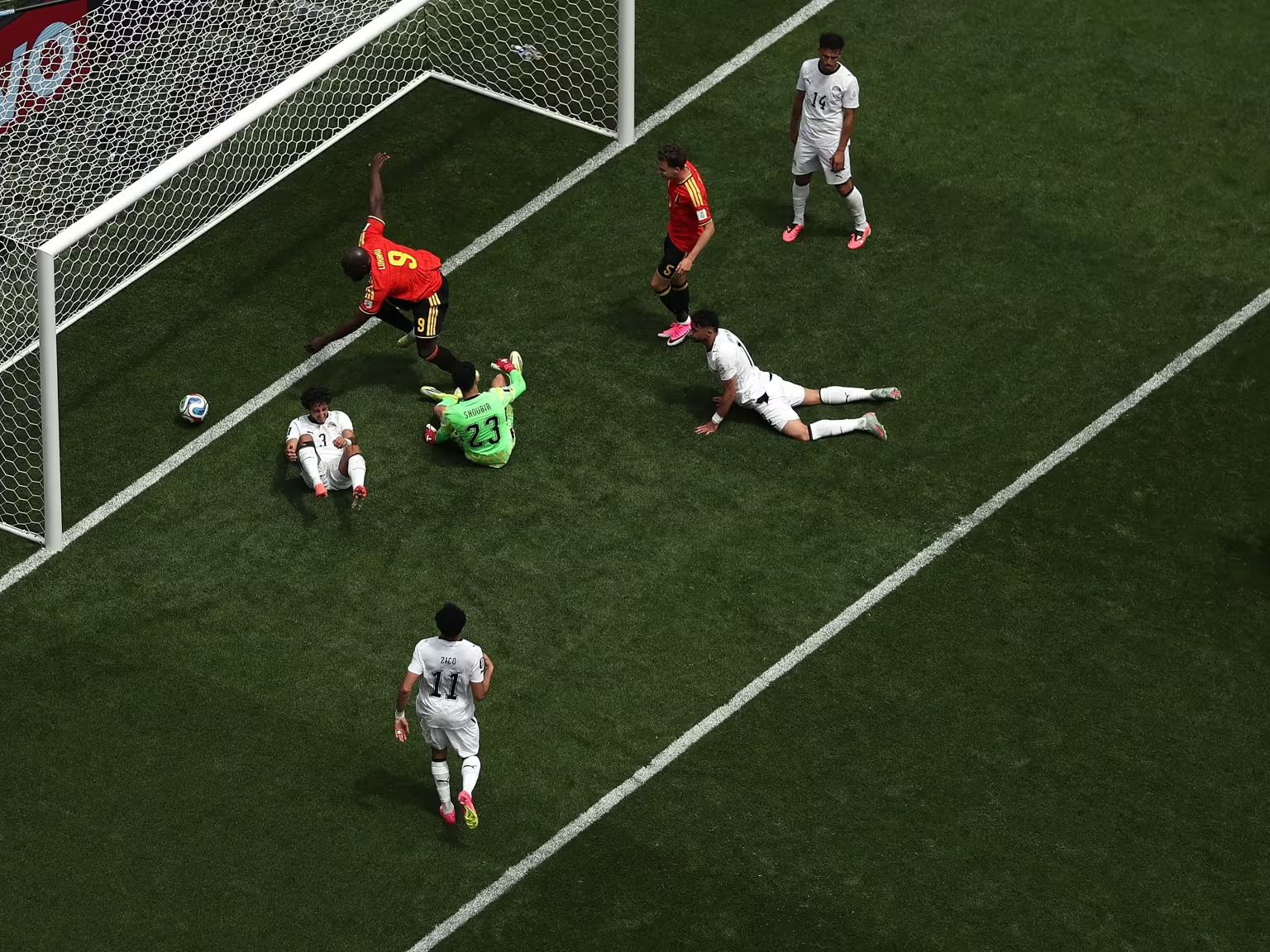
Table of Contents
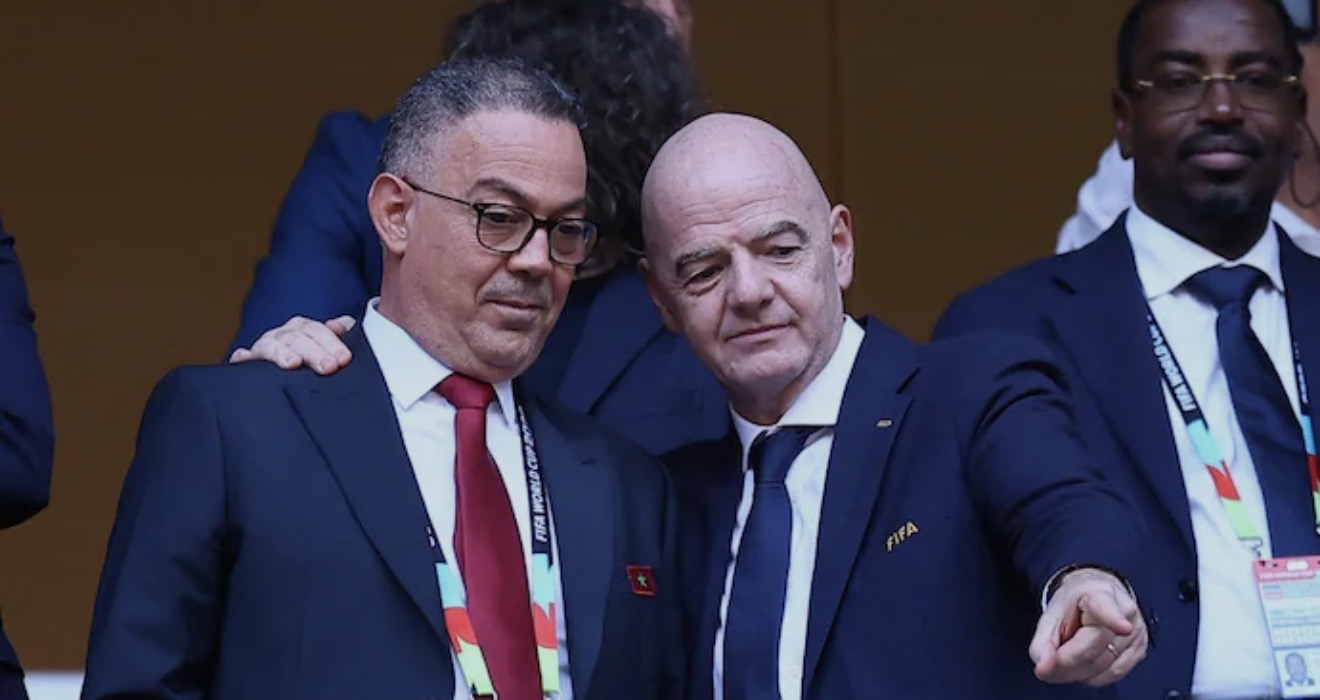
A pundit on French television called the birth of a child a disgusting moment. He said it on L’Equipe, the country’s leading sports broadcaster, while discussing whether a footballer should be allowed to leave a World Cup to watch his son arrive. The footballer was Jeremy Doku, the Belgium and Manchester City winger, and the row that followed his decision exposed something uncomfortable about how the game still treats the men who play it. A 24-year-old wanted to be in the room when his first child was born. A surprising number of people thought that made him a problem.
Doku went anyway. His son, Praise, arrived on Monday, and the winger posted a photograph and a short message thanking God for the blessing before promising to return to the Belgium camp and represent his country. He did exactly that. The baby is healthy, the mother is well, and Belgium have lost nothing on the pitch. Yet the argument the episode started is still worth having, because it reached far beyond one player and one week in the United States.
What Doku actually did
The facts are less dramatic than the reaction. Doku’s wife, Shireen, was due to give birth in early July, a window that overlapped with Belgium’s World Cup matches. When Doku said he intended to leave the team base to be present, critics framed it as a player putting himself above the national cause. He then missed Belgium’s goalless draw with Iran through illness rather than choice, and was cleared by the federation to fly home for the birth. Within days he was back, available again, with the whole episode lasting barely longer than a normal injury absence.
Belgium did not collapse without him. The squad has enough attacking options to cover a single missing winger for one match, and the staff who run the team treated the situation as routine. The only people who treated it as a scandal were the ones with airtime to fill and a worldview from another era, in which a professional athlete owed every waking hour to the badge and nothing to the people waiting for him at home.
The voices that backed him
For every critic, Doku found support, and the most pointed of it came from inside his own dressing room. Belgium captain Youri Tielemans cut through the noise with a simple line, saying he believed having a child was the most beautiful thing in the world. Coming from the leader of the team Doku was accused of letting down, the comment carried weight. The captain was telling the public that the squad had no issue, and that the player had its blessing.
That support reframed the story. This was not a selfish young man defying his teammates. It was a federation, a captain, and a manager agreeing that a few days at home for the birth of a first child sat well within the bounds of a professional’s responsibilities. The disagreement was never really inside the camp. It was between modern players and an old idea of what they are allowed to want.
A debate football keeps having
Doku is not the first footballer to choose a delivery room over a fixture, and the reaction follows a familiar pattern every time it happens. Managers in the men’s game have long carried an unspoken expectation that the sport comes first, second and third. Players who skip a match for a birth are quietly praised by some and just as quietly questioned by others, and the questioning tends to come loudest from former players and pundits who built careers in a culture that never gave them the option.
Compare that with how other sports now handle it. Several American leagues have formal paternity leave policies that let players miss games without comment. In professional cycling and tennis, athletes routinely arrange schedules around a partner’s due date and nobody reaches for the word selfish. Football, and the men’s international game in particular, has lagged behind. The tournament calendar is treated as sacred, and any human event that collides with it is framed as a test of commitment rather than a normal part of a life.
The generational split is clear. Younger players, many of them visible and vocal on social media about their families, see no contradiction between professional ambition and being present for their children. The pushback comes from an older guard who learned the game when a wife handled the home and a footballer handled the football, and the two worlds were kept apart. Doku belongs firmly to the new group, and his calm handling of the criticism suggested a player entirely comfortable with his choice.
The cases that came before
History is full of footballers who faced the same choice. Players have flown home from pre-season tours, left international camps, and missed club fixtures for the birth of a child, and almost every time the same small storm has formed. Some managers handled it with grace and gave the player their blessing without a word of complaint. Others let it be known that they expected the football to come first, and the player carried the resentment for years. The pattern barely changes from generation to generation, only the names.
What has changed is the audience. A decade ago a pundit’s dismissive line might have passed unchallenged, nodded along with by a studio and forgotten by morning. Now it travels instantly, and thousands of younger fans push back in real time. The L’Equipe comment about childbirth drew a wave of criticism precisely because the people watching no longer accept the premise. The shift is slow, but it is real, and players like Doku are both the beneficiaries of it and the reason it keeps moving.
Why the reaction said more than the decision
The most revealing part of the whole affair was not what Doku did but what the criticism assumed. The L’Equipe comment, however clumsily delivered, rested on a belief that a man’s job should always outrank the birth of his child, and that a country watching a World Cup was owed his attendance over his family. Strip away the football, and few people would defend that position out loud. Wrap it in a national-team shirt, and suddenly it found supporters.
There is a genuine logical question buried under the noise, about where the line sits between personal life and professional duty at the very top of sport. Athletes are paid extraordinary sums and asked, in return, to make sacrifices ordinary workers never face. Reasonable people can debate how much a player owes a tournament. What the Doku case showed is that the debate is rarely conducted reasonably. It tips quickly into judgement, and the judgement falls hardest on young men who simply want to be fathers as well as footballers.
Doku answered it in the most effective way available. He went home, witnessed the birth, posted his gratitude, and came straight back to do his job. The baby will not remember the World Cup. The father will remember being there. And Belgium, far from being damaged, kept a happy player who knew his employers had backed him when it counted.
It is worth saying plainly that Doku gave up nothing the team needed. He missed one group game he would likely have sat out through illness anyway, and he returned fit and available. The cost to Belgium was close to zero. The benefit to the player, and to the message it sent every young footballer watching, was real. When the price is that low and the principle that clear, the only reason to object is a belief that the sport should always come first, no matter what.
What it means for the players who follow
Every time a high-profile player makes this choice and the sky does not fall, the next one finds it easier. Doku is a young star at one of the biggest clubs in the world, playing at a World Cup, and he left for the birth of his son without lasting damage to his standing or his team. That sets a quiet precedent. The pundits who objected will move on to the next controversy. The players watching will remember that a colleague did the human thing and was supported for it.
Football likes to present itself as a family game, forever invoking the supporters who pass loyalty down through generations and the academies that raise boys into men. The Doku episode put that language to the test. A player started his own family in the middle of the sport’s biggest event, and a section of the game treated it as a betrayal. The captain of his country disagreed, the federation disagreed, and the player himself never wavered. On this one, the modern view won, and the game is a little better for it.
Belgium turn next to their final group fixture with Doku back among the options, the noise already fading. Somewhere a baby named Praise is a few days old, with a father who made sure he was there. Whatever happens to Belgium in the United States this summer, that was the right call, and most of the people who matter to Doku always knew it.

Leave a Comment
More in News

Thierno Barry Was Filmed Crying In A Private Training Session Last Season, And He Has Already Scored In Three Games This Campaign
Gravenberch’s Red Card Sparks Referee Row in Liverpool’s Defeat to City

Moise Kean Will Miss Como’s Biggest Game of the Season After Cesc Fabregas Clashed With Italy’s Doctors

Oliver Glasner Returned to Crystal Palace and Fans Turned From Applause to Taunts as Forest Lost
Vinicius Red Card for Hair Pull Leaves Mourinho Snubbing the Press
Trending on Futbol Chronicle
Michael Carrick admits Manchester United have “no excuses” after AC Milan defeat
Celta Vigo postpones LaLiga opener after fungus outbreak damages stadium pitch
What Is Offsides in Soccer? The Offside Rule Fully Explained
Mikel Arteta backs ‘warrior’ Bruno Guimarães to make Arsenal stronger