Marc Guehi Explains Why He Claps Rather Than Takes the Knee
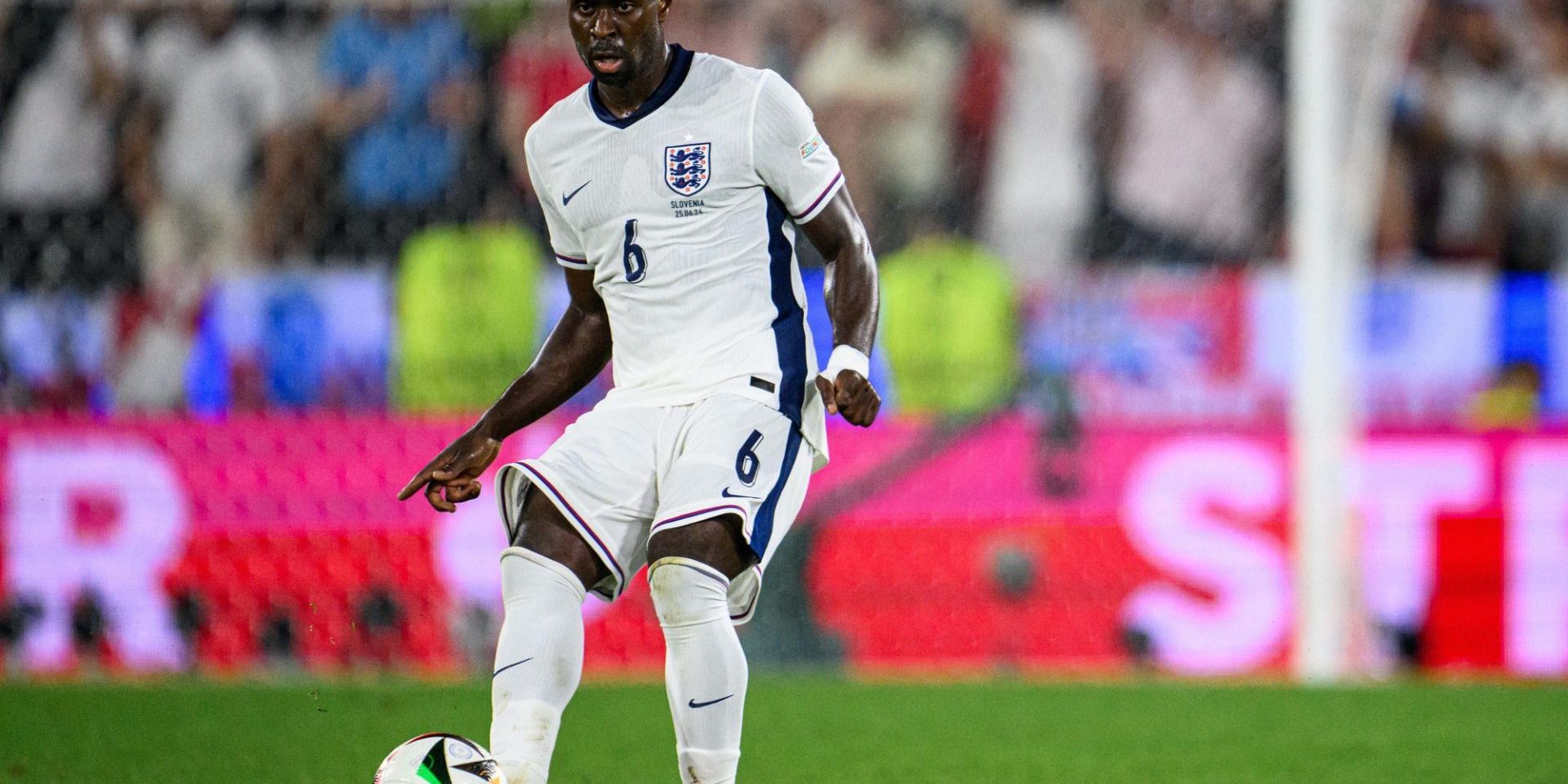

Table of Contents
- Six players across five Premier League clubs stayed on their feet when teams took the knee this weekend for the first time this season.
- Manchester City defender Marc Guehi says he has not taken the knee “for a while now” and claps instead.
- Kick It Out says the gesture “still has value” and that it understands why players feel frustrated at the pace of change.
Guehi Says the Message Is Still There, but More Can Be Done
Marc Guehi has not taken the knee for a while. When Premier League sides lined up for the gesture this weekend, the Manchester City defender clapped instead, and he was one of six players across five clubs who stayed standing.
Clubs took the knee for the first time this season as part of October’s No Room for Racism campaign. Alongside Guehi, Bournemouth pair Tyler Adams and Rayan, Leeds forward Dominic Calvert-Lewin, Ipswich defender Issa Diop and Everton’s Ainsley Maitland-Niles did not go down on one knee.
Guehi was asked before City’s Champions League game on Tuesday whether the gesture had lost its impact. The England international explained his own position. “I haven’t been taking the knee for a while now. I always clap,” he said, adding that applause reflects what the gesture signifies.
He sees the problem as bigger than football. “I don’t think it’s necessarily a football issue, I think it’s a wider societal issue,” Guehi said, with football a place to get the message out. “The message is still there, which is great. More can always be done. I think we should see how we can move the campaign along.”
Farke Explains Calvert-Lewin’s Stance
The other five players have not spoken publicly about their choice, but Leeds manager Daniel Farke explained why Calvert-Lewin stayed standing before the match against Manchester United. “Dom is more or less like, ‘no, I don’t go down. I show my respect by standing up’. Every individual is different and shows respect for this campaign in a different way,” Farke said.
Farke added that it is “definitely a good campaign and a good topic that football and sports, in general, support situations like this”.
The Premier League says taking the knee is “a decision led by the players”. The league added that it is “supportive of whatever stance they choose to take, collectively or individually”.
How the Gesture Reached This Point
Premier League players began taking the knee in 2020, following the death of George Floyd and the Black Lives Matter protests that followed. After an agreement between club captains before the 2022-23 season, the gesture was limited to selected matches. This season, captains agreed to do it in October’s No Room For Racism fixtures, which coincide with Black History Month in the UK.
Wilfried Zaha became the first Premier League player to stop, in 2021. “I feel kneeling has just become a part of the pre-match routine and at the moment it doesn’t matter whether we kneel or stand, some of us still continue to receive abuse,” he said at the time.
England women’s manager Sarina Wiegman made a similar argument after the Lionesses dropped the gesture following the online racist abuse of defender Jess Carter at last summer’s Women’s Euros. “Taking the knee, that’s not enough. We have done that for a while. The impact is not good enough, it’s not as big as we think,” Wiegman said.
What the Numbers Say
Kick It Out told BBC Sport that taking the knee “still has value in raising awareness”, but that it understands “the reasons players might become frustrated with the pace of change”. Between 2021-22 and 2025-26, the charity received more than double the reports of discrimination and racism, reaching record levels last season.
High-profile cases keep landing. In February, Burnley midfielder Hannibal Mejbri, Chelsea defender Wesley Fofana, Wolves striker Tolu Arokodare and Sunderland winger Romaine Mundle were all racially abused on social media over a single weekend. A BBC Sport investigation separately identified 22,389 potentially abusive messages across Facebook, Instagram, TikTok and X over one other weekend.
Public opinion on the gesture is split. A 2025 YouGov poll found that a majority of ethnic minority football fans in Britain still considered taking the knee important in tackling racism, while most football fans overall in England did not.
The campaign runs well beyond the pre-match gesture. Premier League chief executive Richard Masters said: “We are using the reach of our players to send an important message: we are united in the fight against racism.” Players have helped build educational resources on diversity that reach more than 19,000 primary schools across England and Wales. Liverpool captain Virgil van Dijk, who took part, said: “I think it’s important for young people to see role models who look like them, to see that they can achieve anything.”
Guehi’s answer lands in the middle of that argument. He still backs the message, he still shows it with applause, and he wants the campaign to find its next step.

Leave a Comment
More in News
‘The Most Disgusting Thing Ever’: Florida Woman Opens Chipotle Bowl. Then She Takes A Closer Look At The Little Black Dots
Andoni Iraola Explains Benching Florian Wirtz, Alexander Isak and Bradley Barcola
Michael Carrick Says He Needs No Reassurance After Ten Hag Board Criticism

James Maddison Scored on His First Start in 18 Months for Spurs

Dwight Yorke Says He Is a Manager and Is Interested in Ghana
Trending on Futbol Chronicle
Michael Carrick points to lack of sharpness after Manchester United draw with West Ham
Map of All the Premier League Teams for 2025/26
Arab football federations back Gianni Infantino as FIFA president faces growing opposition
The Best World Cup YouTubers to Follow in 2026