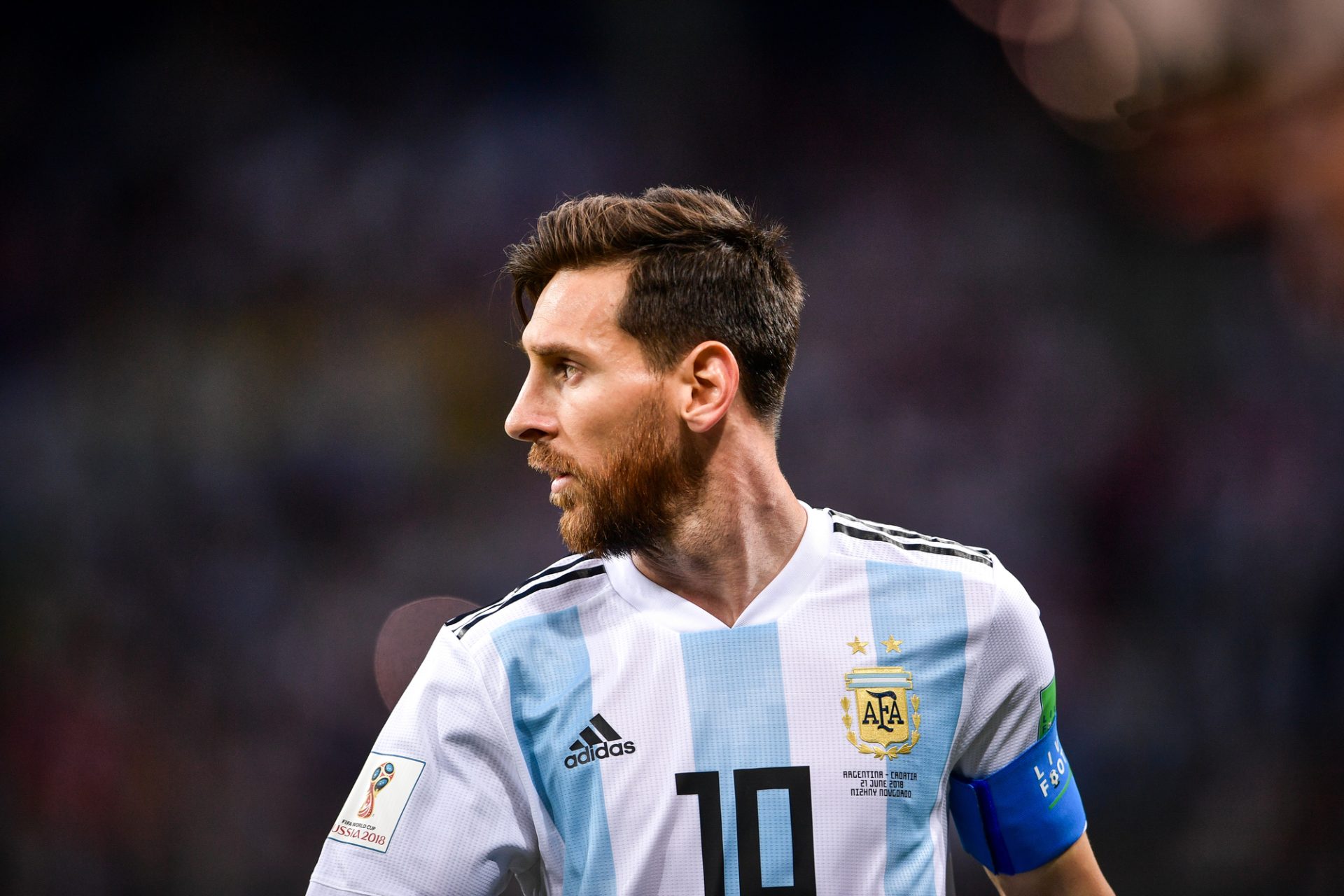
Messi and Salah Collide for Quarter-Final Spot

Table of Contents
One of them will walk away from Atlanta with a place in the World Cup quarter-finals. The other, almost certainly, will be walking away from World Cup football for good. When Argentina face Egypt in the last 16, the occasion carries something that goes beyond one result: Lionel Messi and Mohamed Salah, two of the most decorated players of their generation, are expected to be playing in their final World Cups, and only one of them will get to keep playing in this one.
Messi arrives with seven goals in four matches this summer and a chance to help Argentina become the first nation in 64 years to defend the World Cup they won last time out. Salah arrives having already made a piece of history of his own, becoming the first Egyptian captain to win a knockout game at a World Cup. Neither man’s route to this point has been entirely smooth, and how each copes with the pressure of the occasion is likely to decide who moves on.
The two players represent very different stories heading into Tuesday’s game. Messi is trying to add one more line to what is already one of the most decorated international careers in the sport’s history, with a World Cup title already secured four years ago in Qatar. Salah is trying to give Egyptian football a moment it has rarely experienced on this stage, pushing a nation with a limited history of World Cup knockout success into territory it has not reached before. Both stories can only continue for one of them past Tuesday evening.
The Last Dance Theme Defines This World Cup
A theme has followed this tournament almost everywhere: the idea that so many of the sport’s biggest stars are playing in their final World Cup and are doing everything they can to make it count. Few embody that more than Messi, chasing a fourth star for Argentina’s shirt in what would complete an extraordinary international career. Salah’s situation is less discussed but no less significant. This is likely his last World Cup too, and after a career built on European nights and Premier League title races, an Egyptian side reaching new territory gives him one more stage to add to it.
Messi Chasing a Fourth Star for Argentina
Messi’s form this summer has been difficult to argue with. Seven goals in four matches puts him at the top of the tournament’s scoring charts, and Argentina remain on course to become the first team to retain the World Cup in 64 years if they can get through the rounds ahead. But the numbers alone do not tell the full story of Argentina’s route through the tournament so far.
Argentina’s Defence Still Has Questions to Answer
Argentina came close to a shock exit in the round of 32, needing extra time to see off Cape Verde, whose run to the knockout stages nearly continued at Lionel Scaloni’s side’s expense. Messi broke more records in that game, but the defensive gaps that let Cape Verde compete for so long were also on show, exactly the kind of opening a forward of Salah’s quality would want to exploit if he can get himself into the right positions.
That near-miss carries a warning for Argentina heading into Atlanta. A side defending its title and chasing a piece of history cannot afford to give a team with genuine pace in behind the same opportunities Cape Verde were able to create. Egypt do not have to be the better side for 90 minutes to make Argentina pay; they simply need moments, and Salah is the player most likely to manufacture one if the space is there.
A Golden Boot Race Running in the Background
Messi’s tally of seven goals leaves him level at the top of the tournament’s scoring charts alongside Kylian Mbappe and Erling Haaland, all three chasing a record dating back to 1958. Just Fontaine’s 13 goals for France at that tournament remains the mark for a single World Cup, and only two other players in the competition’s history, West Germany’s Gerd Muller in 1970 and Hungary’s Sandor Kocsis in 1954, have ever reached double figures. Messi is a long way from that total, but another goal or two in Atlanta would keep him firmly inside a race that has become one of the storylines of the tournament regardless of how far Argentina go.
Salah’s Quiet Piece of Egyptian History
Salah has not been as prolific in front of goal this summer as Messi, but his contribution has still counted for Egypt. Becoming the first Egyptian captain to win a knockout match at a World Cup is an achievement he can point to regardless of what happens against Argentina, and he played his part in getting there with a composed panenka in the penalty shootout win over Australia, a finish that showed his composure remains sharp even under the highest pressure.
Why Salah Needs to Be More Than a Focal Point
The challenge for Salah is less about his ability and more about how opponents set up to stop him. He was largely kept quiet in the win over Australia, with defenders marshalling him so tightly that his team-mates struggled to get him involved at all, a pattern that has followed him into previous major tournaments as well. Salah was also managing a hamstring problem that forced him off in the group finale against Iran before he returned to play the full 120 minutes against Australia, but the isolation he experiences in the biggest matches has repeated itself too often to put down to fitness alone. Egypt’s win over Australia made them only the second African nation to prevail in a World Cup penalty shootout and just the fifth from the continent to reach the knockout stage, a reminder of how rare Tuesday’s occasion is for the whole squad and its captain alike.
Salah so often operates as the main outlet down the right that teams built to stop one central threat can set their entire defensive plan around cutting off the ball to him. To hurt Argentina, he might have to do what Messi does for his own side: drop deeper, link play from more central areas, and force defenders to make decisions rather than simply standing off him. It is a different way of playing to the one that has made him one of the Premier League’s most dangerous forwards, but this stage of the tournament could well demand it.
Salah Has Delivered on the Biggest Stages Before
None of this is a question of quality. Over the past decade, Salah has been among the most clinical forwards in Europe, most of all against the toughest opposition. Across his time facing the rest of the Premier League’s traditional top six, he has managed 89 goal involvements in 113 appearances, the best return of any player over that period, including 21 in 26 games against Manchester City and 13 in 18 against Arsenal. His Champions League record over the same stretch is just as strong, with only Kylian Mbappe and Robert Lewandowski managing more goal involvements from the start of the 2017-18 season onward, a list on which Messi sits below him.
That body of work is the argument for backing Salah to produce a moment big enough to send Egypt through. It also explains why so much attention will fall on how he is used against a defence that Cape Verde nearly picked apart. If he can find pockets of space rather than waiting on the touchline for service, Egypt have a route to the kind of result that would define their tournament. If Argentina’s back line holds up better than it did in the last round, Messi’s side should have enough at the other end to see the game out.
Neither camp is treating the occasion as a formality. Argentina know exactly how narrow the margins were against Cape Verde, and Egypt know they have already produced one result this tournament that few outside their own dressing room expected. Both facts point to a contest likely to be shaped by moments rather than territory, which is exactly the kind of game that tends to suit a player capable of inventing something out of nothing.
That is where the game is likely to be decided. Argentina have the deeper squad and the greater tournament pedigree, but they have already shown this summer that pedigree alone does not guarantee control of a match. Egypt have the shape and discipline to make the game uncomfortable, but their own route through has depended on moments of individual quality as much as any collective plan. Whichever team can turn one of those moments into a goal in Atlanta is the one most likely to be booking its place in the quarter-finals.
Kick-off in Atlanta is set to bring together two players with little left to prove individually but everything still to play for collectively, in what is likely to be the last time either man wears his country’s shirt at a World Cup finals. Only one of them will get to carry that story into the quarter-finals, and football fans on both continents will be watching to see which one it is.

Leave a Comment
More in News

Thierno Barry Was Filmed Crying In A Private Training Session Last Season, And He Has Already Scored In Three Games This Campaign
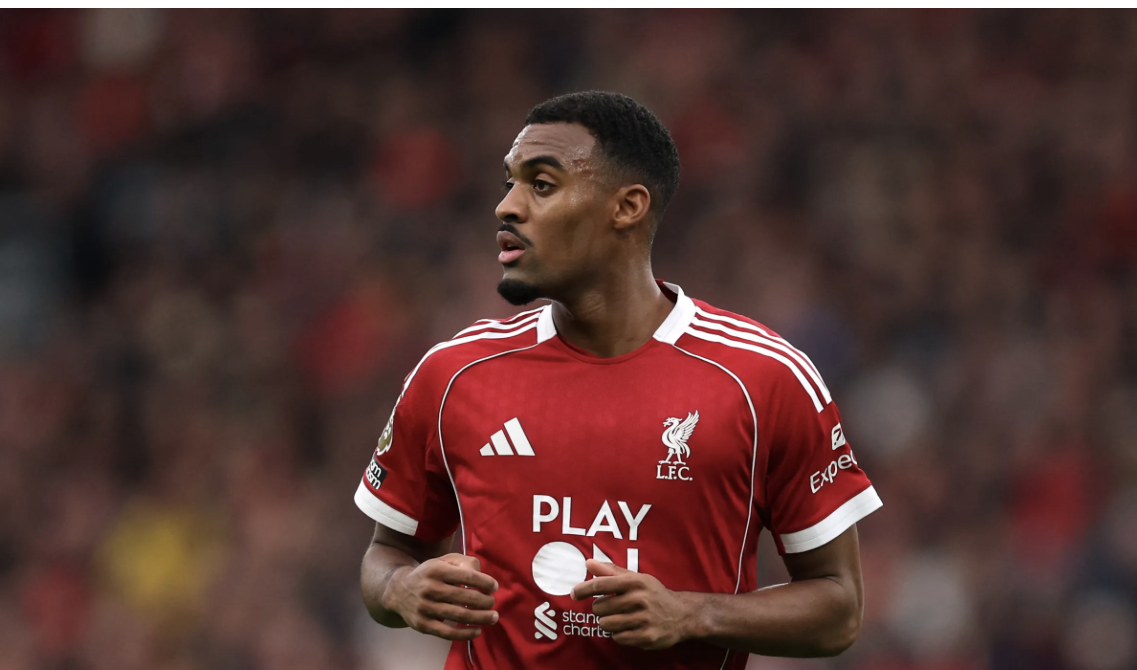
Gravenberch’s Red Card Sparks Referee Row in Liverpool’s Defeat to City

Moise Kean Will Miss Como’s Biggest Game of the Season After Cesc Fabregas Clashed With Italy’s Doctors
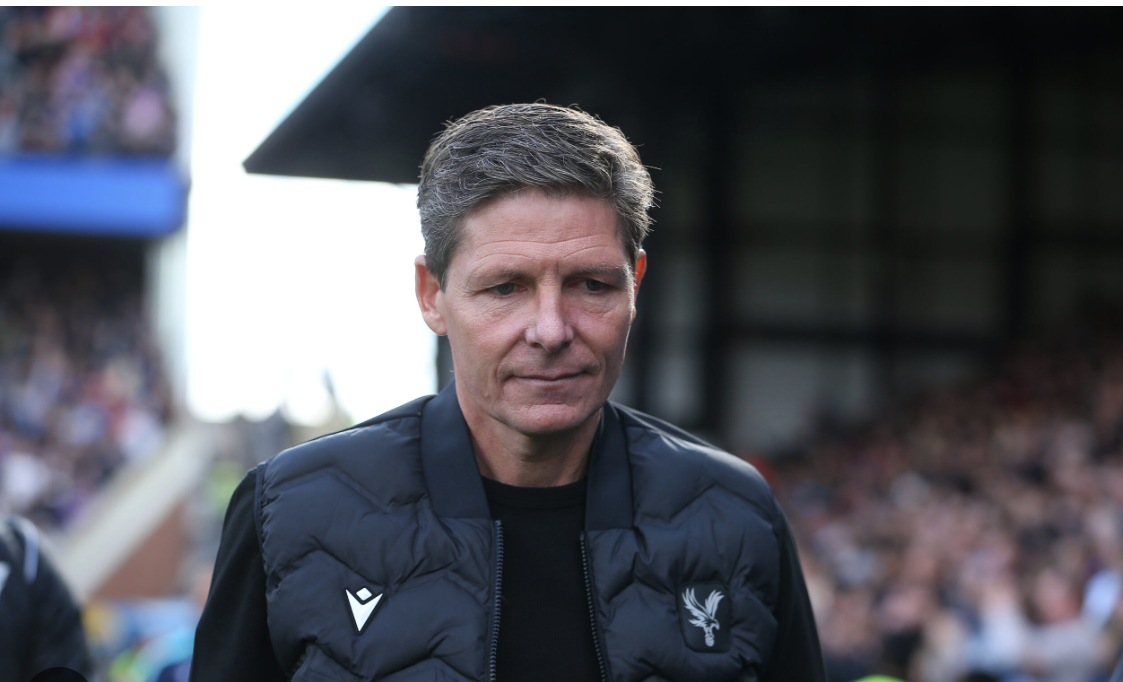
Oliver Glasner Returned to Crystal Palace and Fans Turned From Applause to Taunts as Forest Lost
Vinicius Red Card for Hair Pull Leaves Mourinho Snubbing the Press
Trending on Futbol Chronicle
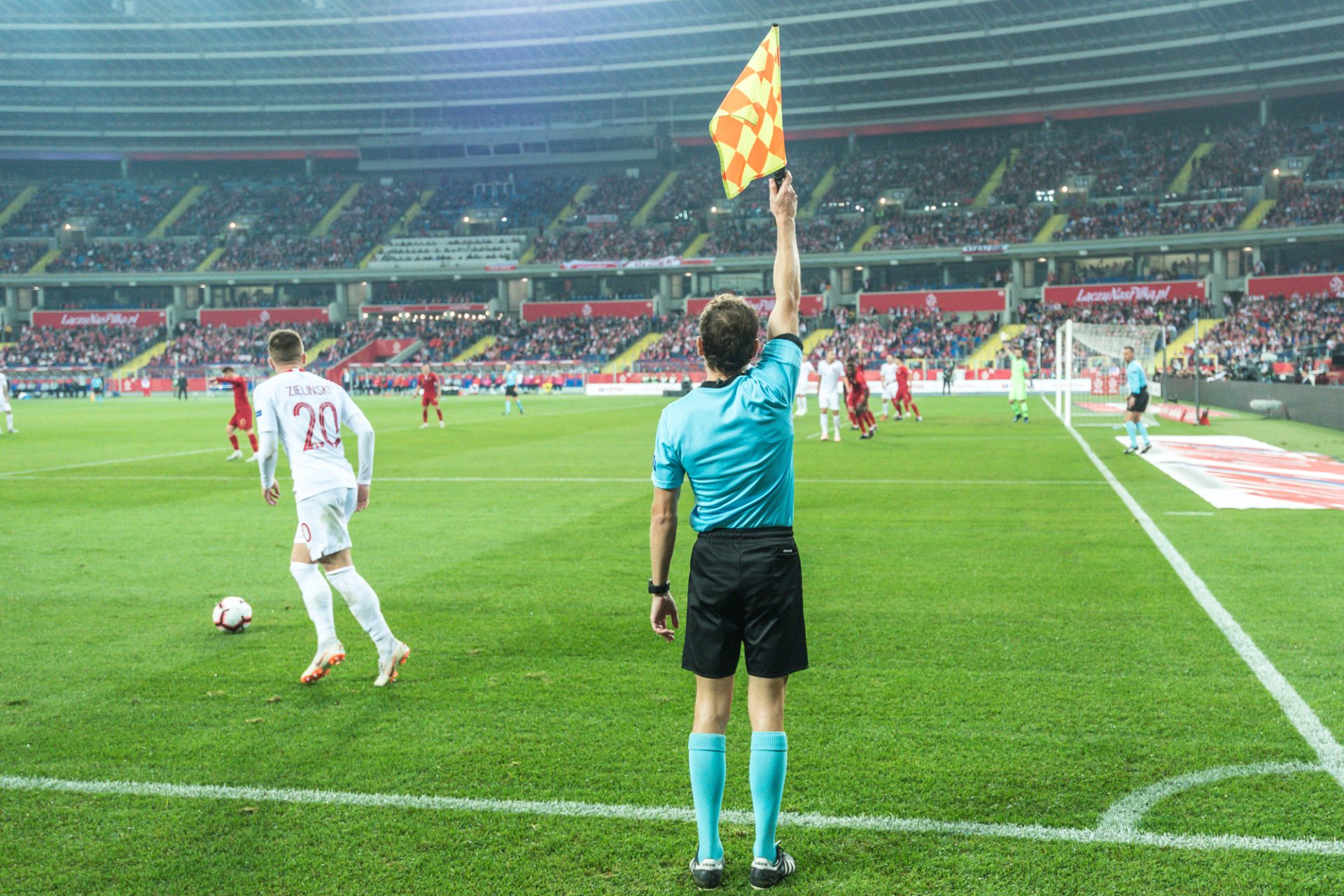
What Is Offsides in Soccer? The Offside Rule Fully Explained
Michael Carrick points to lack of sharpness after Manchester United draw with West Ham
Arab football federations back Gianni Infantino as FIFA president faces growing opposition
Celta Vigo postpones LaLiga opener after fungus outbreak damages stadium pitch