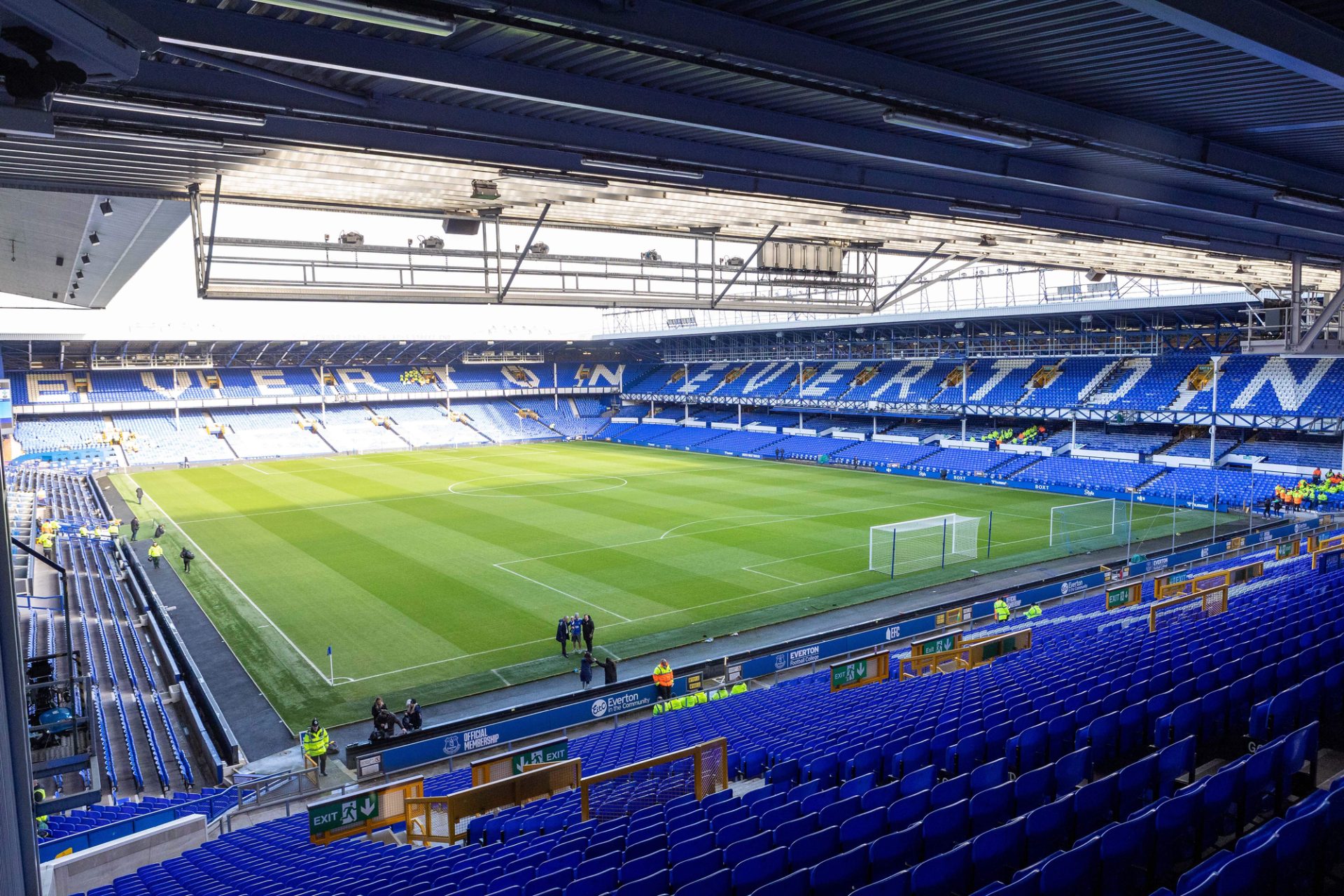
Over 160 Irish Athletes Wanted Ireland to Boycott Israel, but Heimir Hallgrimsson Says His Team Is Playing Against Genocide Instead
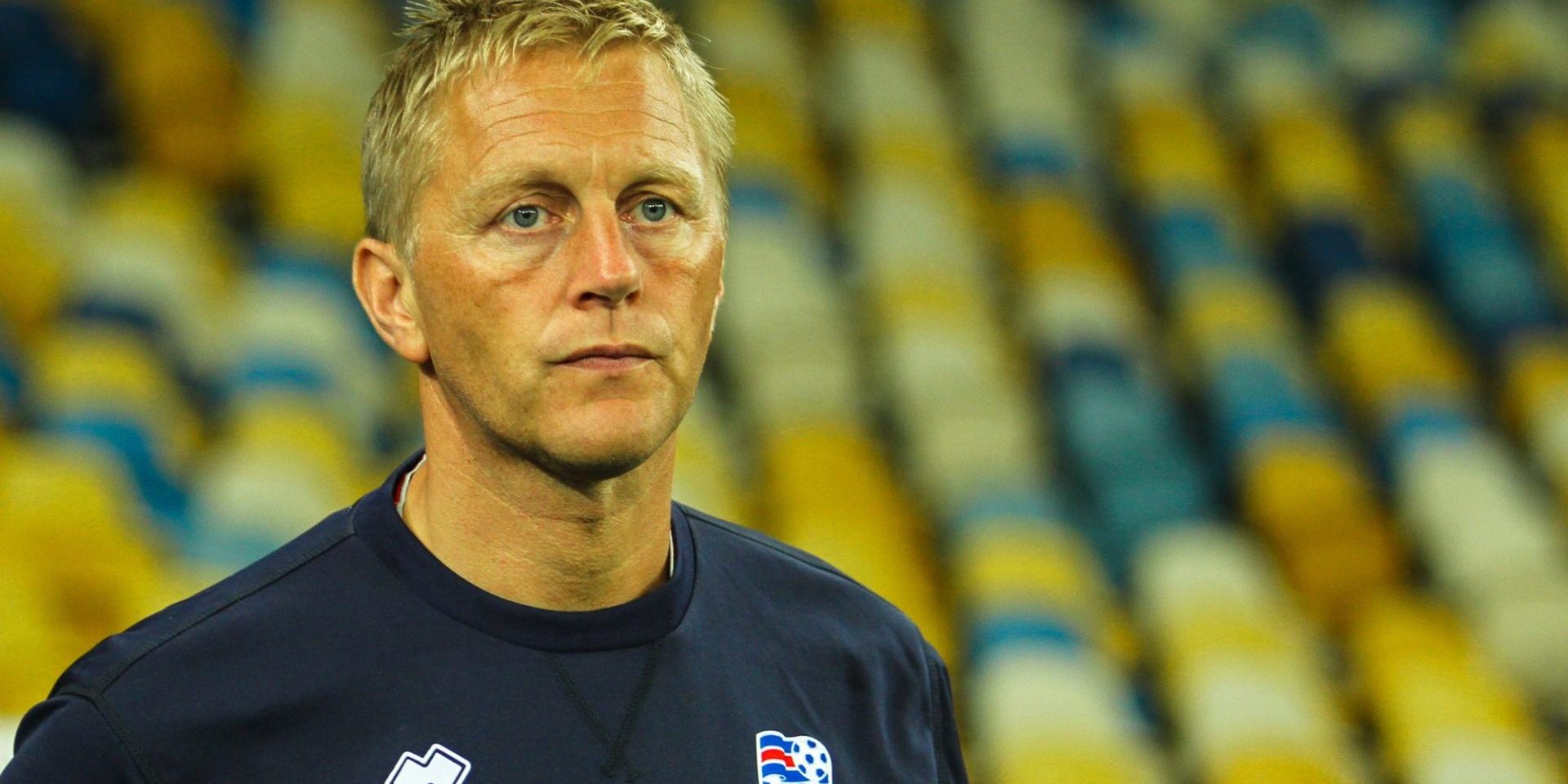

Table of Contents
- The Republic of Ireland will play Israel twice in the Nations League, on 29 September and 4 October, with both fixtures moved away from Dublin to neutral venues in Hungary and Serbia.
- Ireland manager Heimir Hallgrimsson said his squad are “playing against genocide,” after the Football Association of Ireland pressed ahead with the fixtures having earlier asked UEFA to suspend Israel from competition.
- More than 160 Irish sports figures signed an open letter opposing the games, and Israel’s football association accused Hallgrimsson of “stupidity, ignorance and hypocrisy.”
The FAI Voted to Ask UEFA to Ban Israel, Then Confirmed the Fixtures Anyway
Heimir Hallgrimsson did not soften his words. Asked about the two Nations League matches his Republic of Ireland side must play against Israel this autumn, the manager gave an answer that went well past the usual pre-match script.
“We’re not playing with genocide, we’re playing against genocide,” he said. “We’re playing against Israel, we’re not playing with Israel.”
He had already tried a calmer version of the same message. “Without going into individuals, none of us feel comfortable playing in these games but once we have decided to play them, we all stick together and play as one,” Hallgrimsson said, a line that reads less like a rallying cry and more like a manager trying to hold a dressing room together around a decision none of them made.
It is a line that captures how strange the build-up to these fixtures has become. Ireland face Israel on 29 September and again on 4 October, in matches that carry the shape of routine Nations League football and almost nothing else about them that is routine. Neither game will be played in Dublin. One has been moved to Debrecen in Hungary, the other to Backa Topola in Serbia, both chosen for reasons that have nothing to do with football and everything to do with the war in Gaza.
The Football Association of Ireland had itself backed a call for UEFA to suspend Israel from European competition. It went ahead with the fixtures anyway. That contradiction is the reason more than 160 Irish sportspeople have now put their names to a letter asking the FAI to reconsider, telling the organisation: “With this moment you have an opportunity to do the right thing.”
A Federation That Voted One Way and Acted Another
The FAI’s position looks different today than the vote it held suggested it would. The organisation backed a call for UEFA to remove Israel from its competitions over the conduct of the war in Gaza. When the fixtures against Israel were confirmed for this Nations League campaign, the FAI did not withdraw from them. It played them.
The explanation is a specific one. The FAI rejected a request to send UEFA a formal call to suspend Israel’s federation this time around, citing the risk to Ireland’s Euro 2028 co-hosting qualification. Pulling out of a scheduled fixture against a UEFA member risks disciplinary consequences that could complicate a tournament hosting bid already years in the planning. Boycotting one match against Israel, in other words, could cost Ireland something that has nothing to do with Israel at all.
That calculation has not persuaded the letter’s signatories, who include current and former internationals across multiple sports, not just football. Former Ireland international Kevin Kilbane put the argument in the plainest terms available to him: “The Republic of Ireland should not be playing Israel… not while Israeli forces are committing genocide.”
The FAI has stopped short of using that word itself. Its public position has stayed procedural: the fixtures are UEFA obligations, and non-compliance carries its own penalties. Hallgrimsson’s answer, though, suggests the players and staff inside the camp are not treating this as a routine obligation at all.
Neutral Grounds, a Hotel Protest and Reduced Coverage
The choice of Debrecen and Backa Topola over Dublin was made on security grounds, with the risk of disorder around a fixture already generating protest before a ball has been kicked. Demonstrations have already taken place outside the Irish team’s hotel in Dublin, aimed at the squad and staff rather than at Israel’s players directly, a sign that much of the anger inside Ireland is directed at the FAI’s decision to play at all.
Irish state broadcaster RTE has scaled back its own involvement. Rather than sending a studio team and commentators to either venue, the broadcaster has stripped its coverage back to a minimum, reported as a direct response to the row rather than an ordinary scheduling call.
Inside the Ireland camp, players are understood to be discussing what form a protest of their own might take before Sunday’s match in Debrecen. Nothing has been confirmed publicly, and Hallgrimsson has not detailed what, if anything, his squad plan to do on the pitch. What is clear is that nobody involved is treating this as a normal international window.
Israel’s Response and a Row That Reached the Taoiseach
Israel’s football association did not let Hallgrimsson’s comments pass. In a statement responding directly to the Ireland manager, it wrote: “We have not yet found a cure for stupidity, ignorance and hypocrisy displayed by [Hallgrimsson],” adding a line about the country’s record of Nobel Prizes as if to set it against the accusation being made.
The exchange moved beyond football within days. Ireland’s Taoiseach, Micheál Martin, was asked directly about the Israeli federation’s language and did not hedge. He called the remarks “unacceptable” and said they “should be withdrawn,” pulling the head of the Irish government into a row that began as a squad story and became a diplomatic one inside a week.
That is the pattern this story keeps following: a football decision that will not stay a football decision. The open letter from more than 160 sportspeople was addressed to the FAI, not to any government body, yet its signatories included figures well beyond football, a sign of how widely the war in Gaza is being felt across Irish sport, not just inside one dressing room.
What Kicks Off on 29 September
The first of the two matches goes ahead in Debrecen on Sunday, followed by the return fixture in Backa Topola on 4 October. Both are UEFA Nations League matches. Both count, in the ordinary sense, in Ireland’s group standings, the same as any other fixture on the calendar. Almost nothing else about them will feel ordinary.
Hallgrimsson has given no indication that any player has asked to be excused or that the squad will withdraw. His message instead has been one of a group closing ranks around a decision they did not make and, in his words, do not welcome, while still turning up to play it.
A Question European Football Has Not Settled
Ireland is not the only federation that has had to decide whether Israel should keep competing while the war in Gaza continues. UEFA has faced repeated calls from players, supporter groups and, in Ireland’s case, its own member association to suspend Israel from competition altogether, calls it has not acted on so far. The FAI’s own vote in favour of a ban, followed by its decision to fulfil the fixtures regardless, captures the position most federations have found themselves in: willing to say something in principle, unwilling to be the one association that pays a sporting price for acting on it.
That tension is unlikely to end with the final whistle in Backa Topola. Two matches will not settle a question UEFA itself has not settled, and Ireland’s own contradiction, voting for a ban while playing the fixtures regardless, is likely to be repeated by other federations before the season is finished.
For Hallgrimsson, the immediate job is a fairly ordinary one: picking a team, managing a squad through a packed fixture list, trying to win Nations League points. He has not pretended the circumstances around it are ordinary. “We’re not playing with genocide, we’re playing against genocide,” he said, a line his players will carry into a stadium in Hungary this weekend, in front of supporters who followed them there rather than to Dublin, in a fixture that started as a routine entry on the football calendar and has become something else entirely.

Leave a Comment
More in News

Lisandro Martinez Apologises and Is Fined After Criticising Manchester United Hierarchy
Gareth Southgate Rules Out Premier League Return, Says He Stopped Enjoying Wins

Jadon Sancho Gets Formal Getafe Offer Five Years After £73m Move

Woman Cooks Ground Beef From Grocery Store. Something In The Pan Catches Her Eye—So She Throws It All Away: ‘At Least You Know It’s Real’

Antoine Semenyo Froze After Alleged Racist Abuse at Anfield, Court Hears
Trending on Futbol Chronicle
Arab football federations back Gianni Infantino as FIFA president faces growing opposition
Map of All the Premier League Teams for 2025/26
The Best World Cup YouTubers to Follow in 2026
Celta Vigo postpones LaLiga opener after fungus outbreak damages stadium pitch