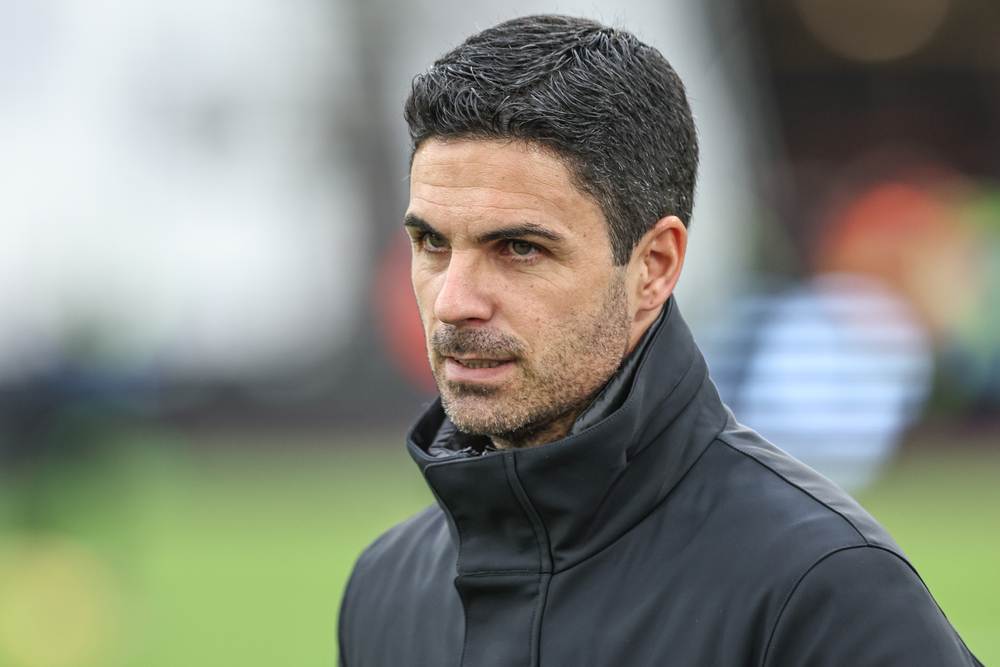
Raheem Sterling Avoids Jail but Is Banned for Two Years After Crash
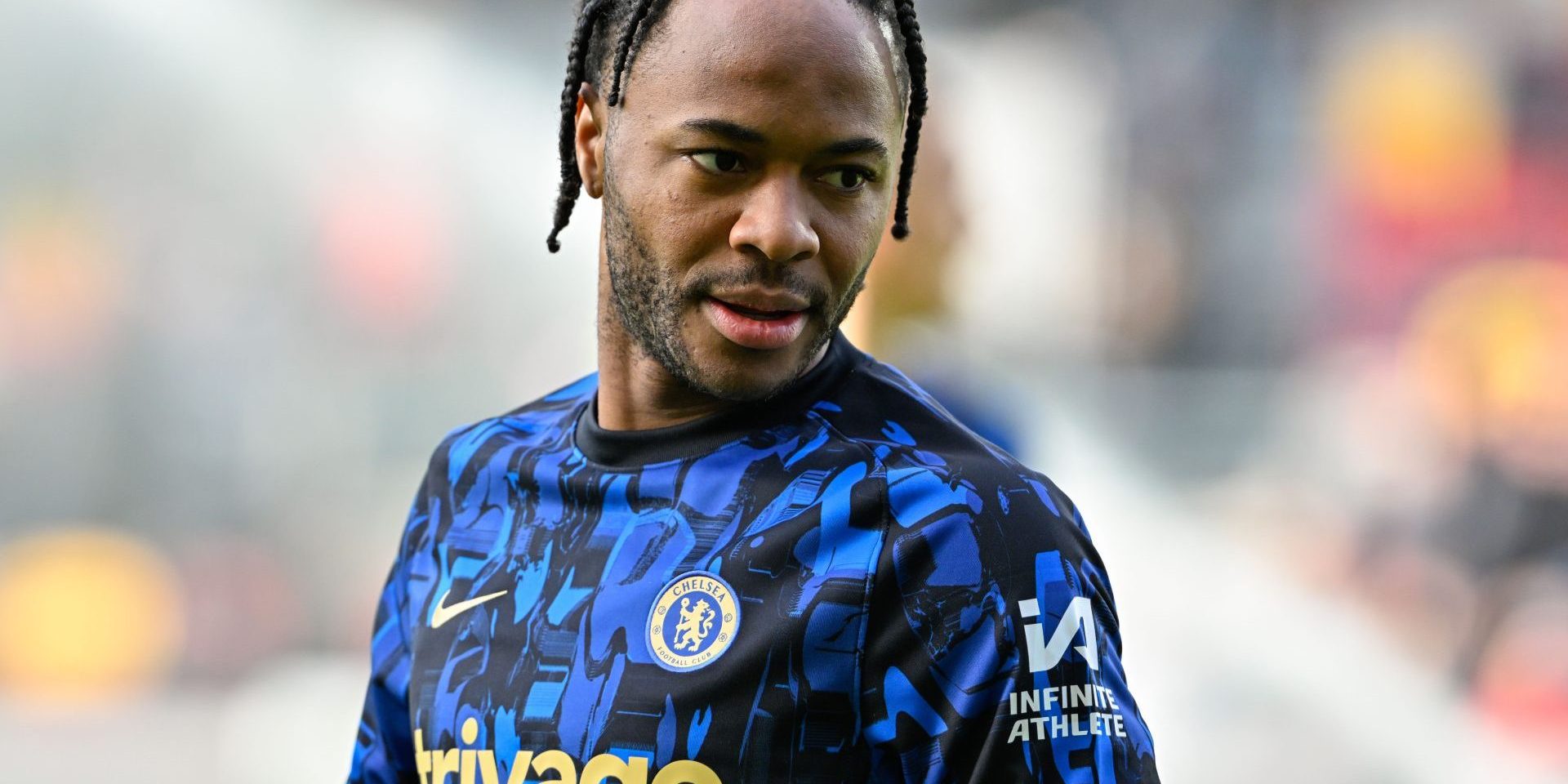
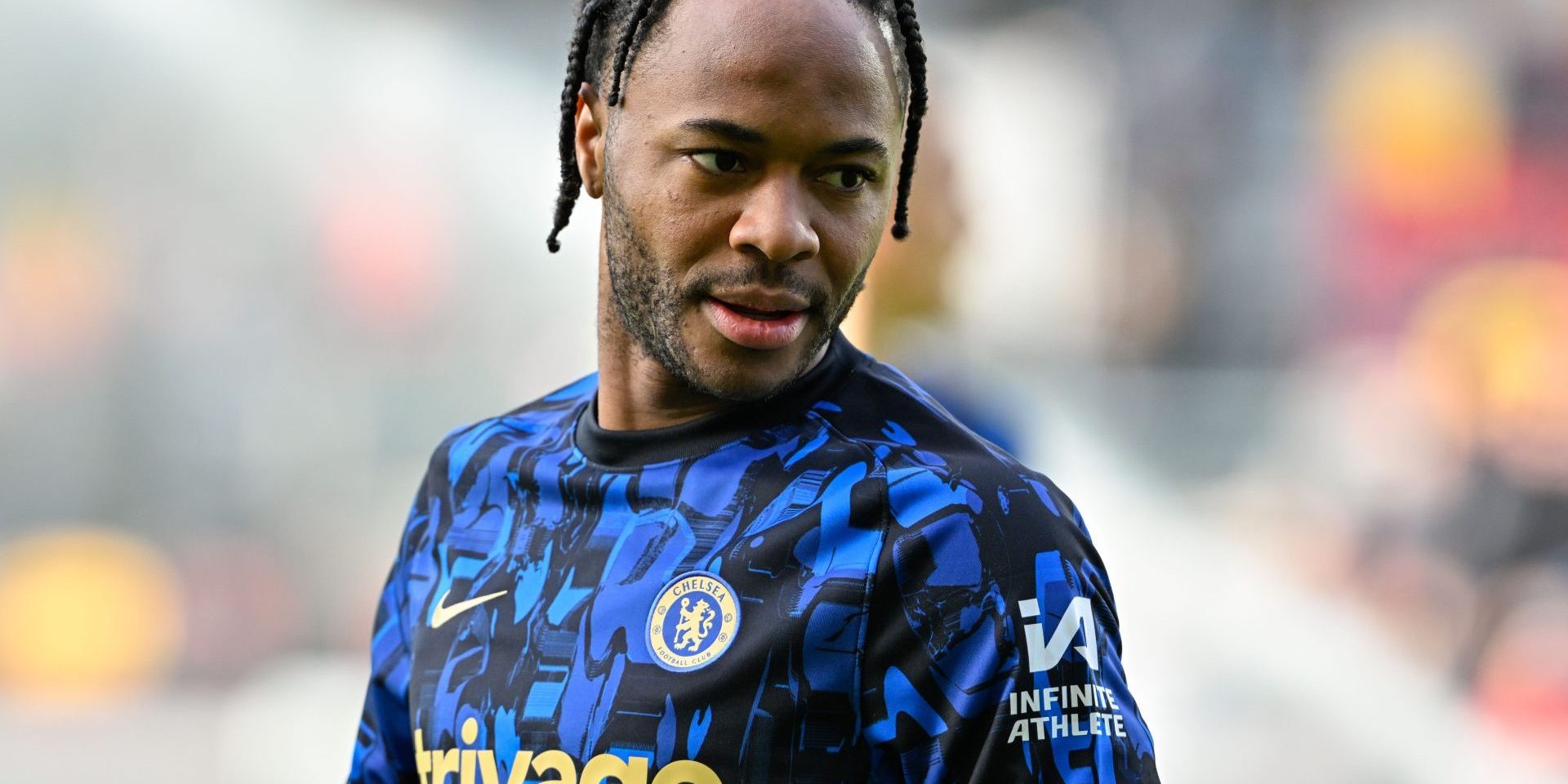
Table of Contents
- Raheem Sterling, 31, was given a 12-month jail term suspended for 18 months, 100 hours of unpaid work and a two-year driving ban at Basingstoke Magistrates’ Court, per BBC News.
- District Judge Kirsty Allman told him he made a “deliberate and entirely selfish decision” to drive “without adequate sleep” and while inhaling nitrous oxide.
- The court heard he engaged with addiction services soon after his arrest and spent 12 days in residential care, which the court saw as “genuine engagement”.
From Motorway 999 Calls to a Metal Gate: What the Court Heard
Raheem Sterling left Basingstoke Magistrates’ Court on Wednesday without comment. The former England winger had been sentenced for driving his Lamborghini Urus dangerously on the M25, the M3, the A327 and Minley Road while inhaling nitrous oxide from a balloon. The 12-month jail term is suspended for 18 months. He must complete 100 hours of unpaid work, is banned from driving for 24 months and must re-take a driving test.
The case goes back to the morning he was arrested after the M3 collision. At the September hearing, where he pleaded guilty to dangerous driving, possessing six canisters of nitrous oxide and failing to provide a specimen, prosecutor Simon Jones said calls were made between 07:45 and 08:52 BST about a black sports car and how it was driven.
Jones said Christopher Jennings called 999 after driving alongside Sterling’s car on the M25 and “he was shocked by what he saw”, and made clear “he sighted the defendant inhaling from the balloon”. Fiona Jennings, on the southbound M3, described the driving as “absolutely horrendous” and “swerving in and out of lanes”, the court heard.
Another motorist, an IT manager, recognised the footballer with a balloon in his hand and said: “I knew instantly that it must be laughing gas. I thought it was a completely reckless thing to be doing while driving. My other reaction was that it was really irresponsible to be doing it while driving at this time in the morning during rush hour.” She added: “I could have easily been involved in a crash with him that day and my kids would be left without a mum, his behaviour is beyond unacceptable.”
Sterling strayed into the M3 central reservation, left at junction 4A and veered off the A327 into a metal gate near a layby. His car sustained “substantial damage to the tyres and bodywork and was no longer capable of being driven”, the court heard. At Basingstoke police investigation centre he disclosed a “problem with nitrous oxide”, Jones said. He complied with an impairment test but asked for legal advice before deciding on a blood sample, and in the police sergeant’s view “he was deliberately failing to provide a clear answer”.
What the Judge Said and What the Defence Argued
Allman said the shortest sentence for dangerous driving, had Sterling not pleaded guilty, would have been 18 months in prison, and for failing to provide a specimen three months.
She said his decision exposed a “large number of road users to a significant risk of serious harm by the manner of your driving on two motorways and in peak travel time that morning”. Allman found him entirely culpable: “You chose to drive, disregarding the safety of others”.
Allman told him: “You are 31 years old and a man of previous good character. I accept your character has been positively exemplary. You have no previous convictions, have a clean driving licence and expressed regret.” She said: “You enjoyed a highly successful professional football career and were widely regarded as a role model for many young people through your achievements and public profile.” She added: “I also attach substantial weight to your personal mitigation. You established the Raheem Sterling foundation and RS7 academy.” Nitrous oxide, she said, “became a maladaptive coping mechanism during a difficult period” in his career. He had admitted himself to residential care for 12 days at an addiction centre.
Jason Bartfeld KC, defending, said there was no dispute that this was a “top category case” given the prolonged driving and, “at times”, serious impairment over short periods. He did not accept that the damage to the car was serious and spoke of “confusion” over the failure to provide a specimen. Bartfeld said his client is “more concerned not by damage to his reputation” but the “consequences” it has had for his family and his children. He added that Sterling “recognised the various unhealthy coping mechanisms that brought him to this position” and has “sought to address” these in the “most positive and effective way and with some success.”
A Warning From Hampshire Police
Chief Inspector Chris Sharland of Hampshire Police said: “Nitrous oxide, commonly known as laughing gas or NOS, is a Class C drug, and driving whilst under its influence is an emerging threat to the safety of motorists on our roads.” He went on: “Driving whilst impaired with nitrous oxide can cause unconsciousness, and in the worst-case scenarios neurological damage or death, so there is a very real risk of causing serious harm to yourself or other motorists.” His closing line: “We urge drivers to be aware of not only the law, but the risk this type of behaviour carries – one decision can have devastating consequences.”
From England Star to a Conviction
Sterling scored 20 goals in 82 England appearances and helped Gareth Southgate’s side reach the 2018 World Cup semi-finals and the final of Euro 2020. At Manchester City he won four Premier League titles, then signed for Chelsea in 2022 and spent 2024/25 on loan at Arsenal before he left Chelsea.
He then joined Feyenoord on a short-term deal to the end of 2025/26, made eight appearances in the Netherlands and is currently without a club. In the 2021 Queen’s Birthday Honours he was made an MBE for services to racial equality in sport.
Sterling now has a suspended sentence, 100 hours of unpaid work and two years without a licence.

Leave a Comment
More in News

Hojlund Tells City Fans “Only One Club in Manchester” After Scoring

Guimaraes, 29, Apologised to Arsenal Squad After Bust-Ups With Rice and Jorginho

Thierno Barry Cried on Camera and Now Has 10 Goals for Everton

Infantino’s $20bn Plan Would Have Locked World Cup Rights for 96 Years

Pochettino Scraps Carrick’s Day Off and Recalls Man Utd After 4-0 Loss
Trending on Futbol Chronicle

The Best Soccer Players of All Time: The 10 Greatest Ever Ranked

Michael Carrick admits Manchester United have “no excuses” after AC Milan defeat

The Best World Cup YouTubers to Follow in 2026
Celta Vigo postpones LaLiga opener after fungus outbreak damages stadium pitch