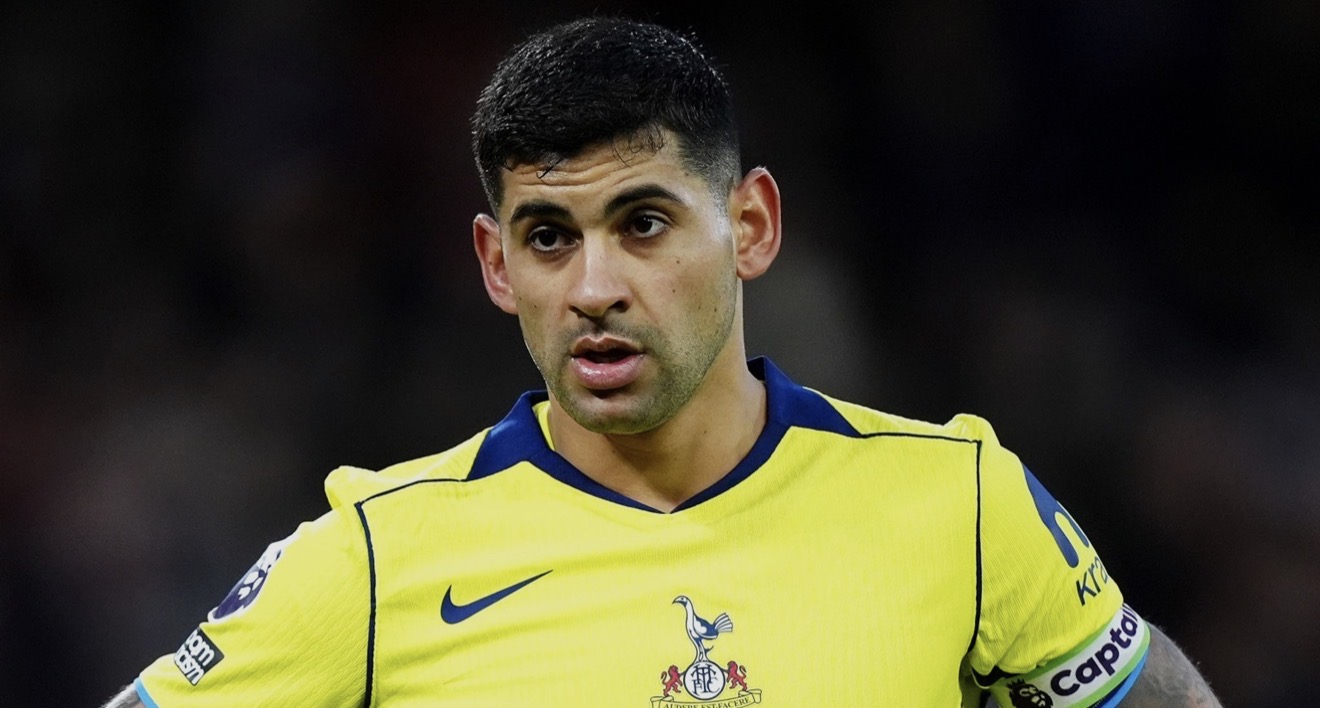
Reece James Missed One World Cup on a Treatment Table and Refused to Miss Another
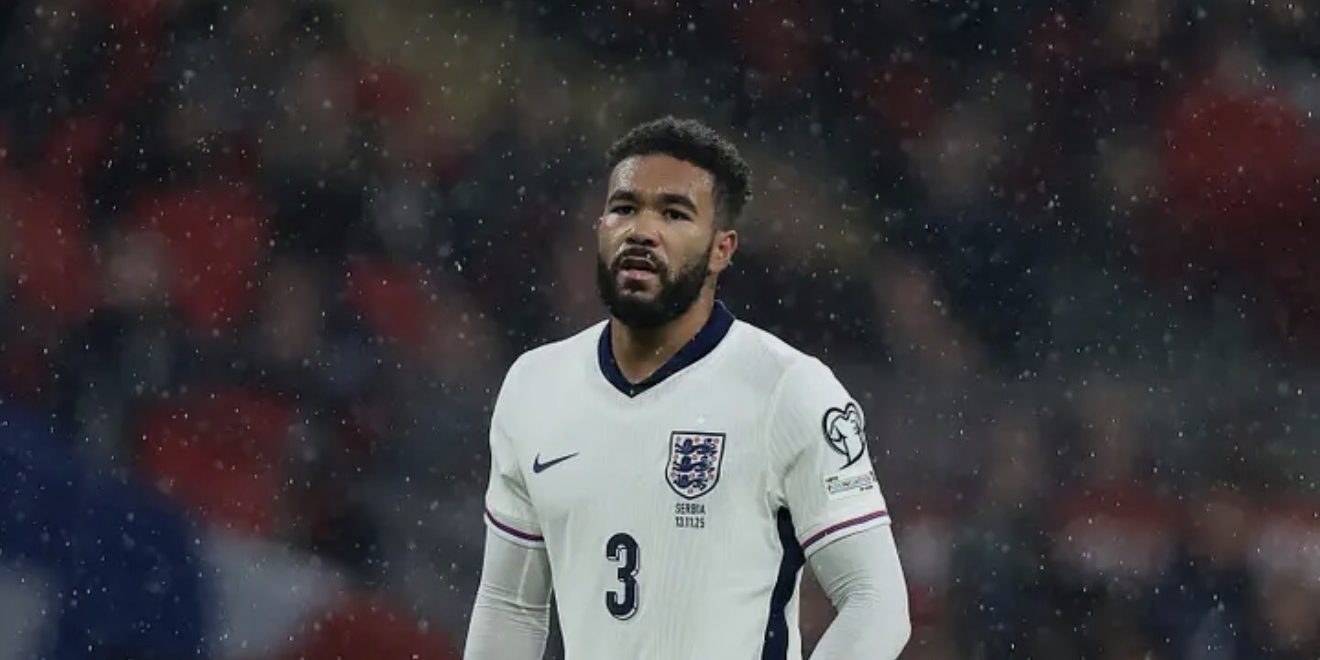

Table of Contents
When Reece James walked out at Gillette Stadium to begin England’s World Cup against Croatia, he did something he had spent four years convincing himself he might never do. He started a World Cup match. For most players of his quality, that sentence would be unremarkable. For James, it was the end of a private argument with his own body, one that had cost him a previous tournament, swallowed entire seasons, and at its lowest moments made him wonder whether the talent everyone kept describing as generational would ever get a stage worthy of it.
England beat Croatia 4-2 that afternoon, and James was at right-back for all of it, overlapping, defending, whipping in the crosses that have always been his signature. He did not score and he did not need to. The achievement was the act of being there at all, fit and starting, the captain of Chelsea finally given the World Cup his career had been missing. To understand why it carried so much meaning, you have to understand everything that came before it.
The Injuries That Defined a Career
Reece James has never lacked for ability. From the moment he broke into the Chelsea side, he was talked about as the most complete right-back in England, a player with the engine of a wing-back, the passing range of a midfielder and a shot that could settle finals. What he has lacked is availability. Hamstrings, knees, the recurring soft-tissue problems that turn a season into a series of comebacks. He would return, look imperious for a handful of games, and then break down again, the cycle repeating until it became the defining feature of his career.
This season followed the familiar pattern before it finally broke the right way. James suffered a hamstring injury in a defeat to Newcastle United in mid-March, an injury that ruled him out for the best part of two months at the worst possible time, with a World Cup looming and a place in Thomas Tuchel’s squad still to be secured. For a lesser-managed body, that timing might have been fatal to his chances. For James, who has learned to measure his recovery in careful increments, it became one more test to pass.
He came back for the FA Cup final, playing 83 minutes, a deliberate, monitored return designed to prove his fitness without risking another setback. It was the kind of cameo that says everything about where his career has been. Other captains lift trophies as a routine part of the job. James treats 83 minutes on a pitch as a statement of survival, because for him it is.
The World Cup He Watched From Home
The reason the Croatia match meant so much traces back to the winter of 2022. James had fought his way into contention for the World Cup in Qatar, only for a knee injury to rule him out before a ball was kicked. He watched that tournament the way millions of supporters did, from a sofa, except he was one of the best right-backs in the world and should have been on the plane. Players rarely speak in detail about what that does to them, the helplessness of being fit enough to be relevant and not fit enough to be there. James has carried it quietly ever since.
That absence reframed everything that followed. Every comeback was no longer just about the next Chelsea fixture. It was about a clock counting down to 2026, a second chance that he could not afford to let injury steal again. When people around the England camp talk about how much this tournament means to him, they are not reaching for a cliche. They are describing a player who has spent four years organising his rehabilitation around a single date on a calendar in North America.
Why Tuchel Needed Him
James did not simply hope his way into the squad. England needed him. Kyle Walker, the man who had owned the right-back position for the best part of a decade, retired from international football, taking his recovery pace and tournament experience with him. Trent Alexander-Arnold, the other obvious candidate, was left out of Tuchel’s squad in one of the most debated selection calls of the build-up. Suddenly the position that had once been England’s deepest was wide open, and the most naturally gifted right-back in the country was the man working his way back to fitness at exactly the right moment.
Tuchel knows James better than most. The pair worked together at Chelsea, where the German managed him during the period that produced a Champions League triumph, and he understands precisely what a fit James offers a team. His ability to defend one-on-one and then deliver an end product going forward gives England a balance on the right that few nations can match. In a squad rich in attacking midfielders and forwards, James is the player who can both lock down a flank and supply the ammunition. Tuchel built his right side around the bet that James would stay fit. So far the bet has paid off.
The Captain Chelsea Kept Faith In
It would have been easy for Chelsea to give up on him. A player who breaks down as often as James has tested the patience of clubs before. Instead, they made him captain, an extraordinary show of faith in a footballer who could not always be relied upon to be on the pitch. The armband was a bet on his character as much as his quality, a statement that the club saw him as a leader worth building around even through the frustration of his absences.
That faith has shaped the player England now has. James leads not with noise but with the example of a man who keeps coming back, who refuses to let his body write the ending of his story. Teammates speak of how he conducts himself in the treatment room as much as on the training ground, the senior figure who knows the lonely work of rehabilitation better than anyone in the building. There is a particular kind of authority that comes from having suffered, and James has it.
For England, his fitness changes the shape of what is possible. A team chasing a first major men’s trophy since 1966 has spent years searching for the right balance between attack and defence on its flanks. A fully fit Reece James, overlapping and crossing and tracking back, is one of the cleanest answers to that question they have had in a generation. The question, as ever with him, is not whether he is good enough. It is whether he can stay on the pitch when it counts most.
A Right-Back Like Few Others
What England gain from a fit James is hard to replicate. Most modern full-backs are specialists, either defenders who have learned to attack or attackers asked to defend. James is one of the rare players who is elite at both ends of the pitch in the same game. He can shut down a winger in an isolated duel, then arrive at the other end seconds later to deliver a cross with the dip and pace of a set-piece. His range of passing lets Tuchel use him almost as an auxiliary playmaker from deep, switching play and breaking lines in a way few defenders can.
That versatility solves a structural puzzle for England. A team stacked with creative players in the middle has at times looked unbalanced on its flanks, lacking the width and defensive cover to let the attackers express themselves freely. James provides both at once. When he pushes high, England have a real threat down the right. When he tucks in, the back line holds its shape. It is the sort of single-player solution that managers spend years searching for, and Tuchel has it in a footballer he trusts implicitly.
The challenge now is endurance. A World Cup in a North American summer is a punishing test of fitness, with heat, travel and a relentless schedule that strains even the most durable bodies. For a player with James’s history, completing a tournament is its own mountain to climb. England will manage his minutes carefully, aware that the prize is not just having him for the group stage but keeping him available deep into the knockout rounds, when his quality could decide a tie. The cruel symmetry of his career is that the body which kept him from one World Cup is now the only thing standing between him and a full run at another.
England’s group continues against Ghana and then Panama, with the knockout rounds beyond, and every match James completes is another small victory in a longer fight. He has already won the part that once looked impossible. He made it to a World Cup, and he started it, and after four years of treatment tables and false dawns, that is a story worth telling regardless of how the rest of the tournament unfolds. The boy everyone called generational finally has his stage. Now he gets to find out what he can do on it.

Leave a Comment
More in News
Mourinho Blasts Referee After Atletico Avoid Two Red Cards in Madrid Derby

Cole Palmer Withdraws From England Squad as Gibbs-White Returns Again
Marseille Fans Turn on Owner McCourt as Gomes Can’t Prevent Fifth Straight Loss

Juventus Fans Turn Backs on Silence for Mazzola, Club Slams ‘Lack of Respect’

Trent Alexander-Arnold Returns to the England Squad for the First Time in Over a Year, and Cole Palmer Is Back Too After Their World Cup Snub
Trending on Futbol Chronicle

Map of All the Premier League Teams for 2025/26
What Is Offsides in Soccer? The Offside Rule Fully Explained
Josef Martinez Returns to MLS Spotlight With Columbus Crew Signing
The Best Soccer Players of All Time: The 10 Greatest Ever Ranked