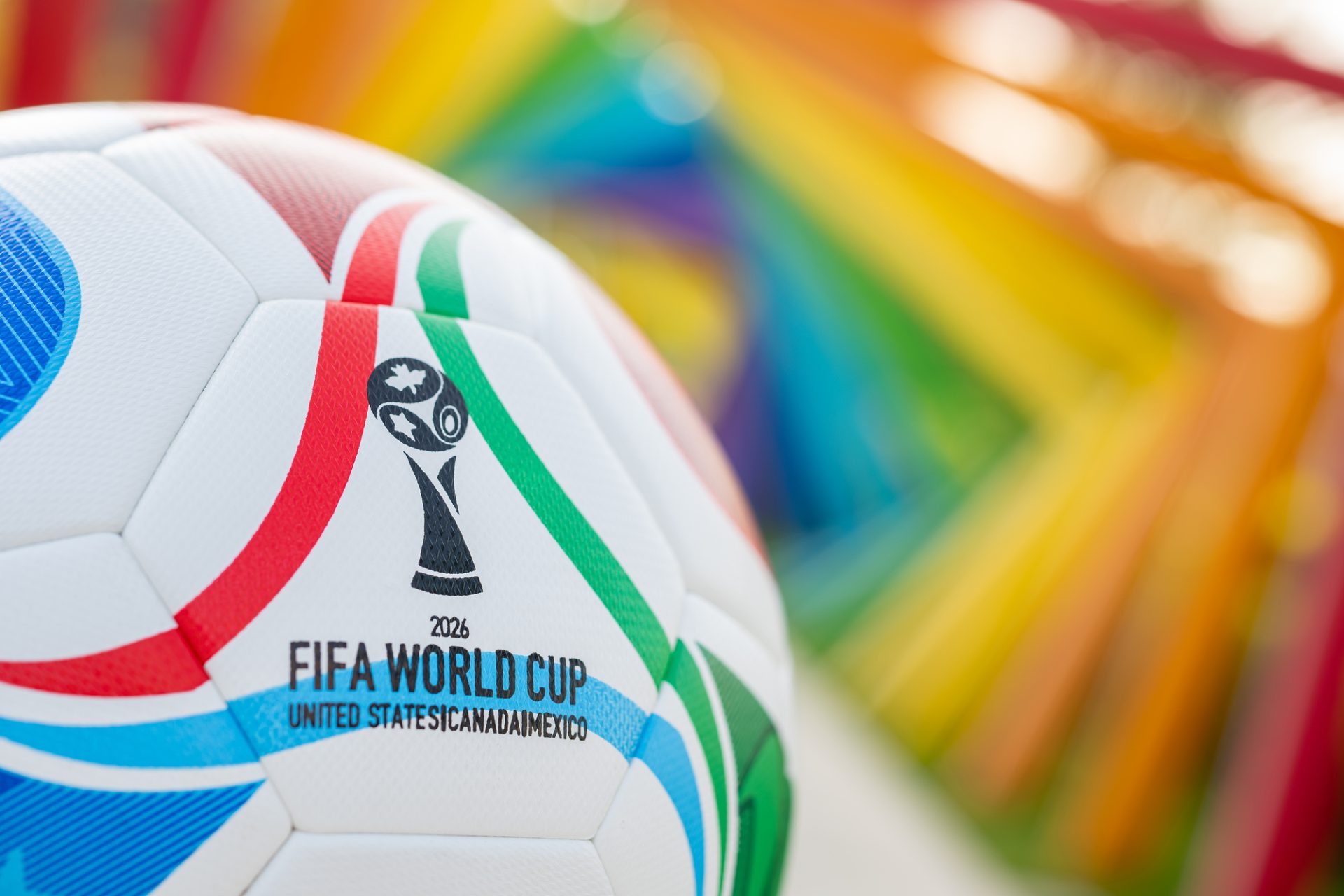
Scotland Have Never Survived a World Cup Group and Brazil Stand in Their Way

Table of Contents
There is a particular kind of heartbreak that belongs to Scotland alone. No nation has been to as many World Cups and left as many of them with nothing to show but stories. The Tartan Army has followed its team across the planet for seven decades, has sung in the rain and the heat and the disappointment, and has never once watched Scotland survive the first round. On Wednesday night in Miami, against the most decorated team in the history of the sport, that long and painful record finally has a chance to end.
Scotland face Brazil at Hard Rock Stadium with a 22:00 BST kickoff, third in their group on three points, knowing that a win could carry them into the knockout rounds for the first time in their existence. Brazil sit top on four points and need only to avoid defeat to be sure of going through as group winners. The history between these two countries is brutally one-sided. They have met ten times, and Scotland have never won. To break their oldest curse, Scotland must produce one of the great upsets of the tournament against opponents who have spent a century being the team everyone else measures themselves against.
Seventy Years of Coming Home Early
Scotland’s relationship with the World Cup is one of the most poignant in football. They first qualified in the 1950s and have returned again and again, a small country with a fierce footballing identity that has produced great players, great moments and great near-misses without ever clearing the lowest knockout hurdle. Every previous campaign has ended at the group stage, sometimes by the cruellest of margins, sometimes on goal difference, sometimes after a defining defeat that fans still discuss in pubs decades later.
The pattern has become part of the national character. Scotland turn up, they compete, they give their supporters a night or two of genuine belief, and then they go home before the tournament truly begins. It is a record that has been worn almost as a badge, a shared sorrow that binds generations of fans together. The 1978 campaign in Argentina, the heartbreak of 1974 when they went out unbeaten, the agonies of 1982 and 1986, all of them feed into the same story of a country that has never quite been able to take the final step.
This tournament has already given the Tartan Army something to treasure. Earlier in the group stage, John McGinn ended a wait of 10,244 days for a Scotland World Cup goal, a strike that erased years of frustration in a single moment and reminded the watching support why they keep coming back. That goal resonated because Scotland’s history at this competition has so often been defined by what did not happen. McGinn made something happen, and now his team stands on the edge of making history that no Scottish side before them ever could.
The Opponent Who Has Never Lost to Them
Of all the teams Scotland could have been asked to beat to reach the promised land, Brazil is the most daunting. The five-time world champions carry a mystique that no other nation can match, a yellow shirt that has been worn by Pele, Ronaldo, Ronaldinho and a procession of the most gifted footballers ever to play the game. The two countries have crossed paths ten times across the decades, and the result has been the same story every time. Brazil have won all but two of those meetings, with the most recent encounter coming back in 2011.
That record is not an accident. Brazil have routinely been a level above Scotland in resources, in depth and in the sheer volume of elite talent they produce. For Scotland to win now, they must do what no Scottish team has managed in the entire history of the fixture, and they must do it on the night their entire World Cup future depends on it. The pressure of the occasion would crush many sides. The Tartan Army would argue that pressure is the one thing their team has had plenty of practice carrying.
The Maths of a Historic Night
Scotland’s path is not as simple as beating Brazil, although that would settle everything in the most dramatic way possible. A victory could be enough to claim an automatic place, and if Morocco were to drop points against Haiti in the group’s other fixture, Scotland could even finish top. Their points tally, should they win, would also put them in strong contention to advance as one of the eight best third-placed teams, a route opened up by the expansion of the tournament to 48 nations.
That expanded format is quietly central to this story. In previous World Cups, finishing third in a group meant elimination, and Scotland’s habit of falling just short would have ended their campaign already. The new structure gives third-placed teams a lifeline, and it means a Scotland side that has spent its history being eliminated narrowly now has more ways than ever to survive. For a nation defined by fine margins, a format that rewards being close rather than punishing it could not have arrived at a better time.
None of that mathematics will be on the minds of the supporters who have travelled to Florida. They will want the win, the proper win, the one that comes by beating Brazil rather than by calculating permutations elsewhere. After seventy years of going home early, the Tartan Army does not dream of sneaking through on a technicality. It dreams of a night in Miami when Scotland stand toe to toe with the greatest football nation on earth and refuse, for once, to lose.
The Players Carrying the Burden
This Scotland side is built around a core of footballers who have spent years in the Premier League and the biggest European competitions, which is part of why belief has grown that this campaign might be different. Scott McTominay, after years of being underused at Manchester United, rebuilt his career with a move to Italy that turned him into one of the most influential midfielders in Serie A, and he arrives as the kind of box-to-box presence who can drag a team forward by force of will. Andy Robertson, a Champions League winner, brings a defender’s authority and the experience of the very biggest nights to a back line that will need every ounce of it against Brazil.
Then there is McGinn, the Aston Villa midfielder whose goal already wrote a small piece of history this tournament and who carries the snarling competitiveness that has always defined Scotland at their best. Steve Clarke, the manager who guided the country back to major tournaments after long absences, has spent years convincing a group of players that Scotland can be more than gallant losers. His teams are organised, hard to beat and full of fight, qualities that travel well into a match where they will spend long spells without the ball. Clarke has never been a manager of grand promises, but he has quietly assembled the most capable Scotland squad in a generation, and he knows this may be the night it is remembered for something other than another early exit.
What It Would Mean Beyond the Scoreline
A result here would ripple far beyond a single match. Scottish football has spent years rebuilding belief after long absences from major tournaments, and a run into the knockout rounds of a World Cup would represent the biggest moment in the national team’s modern history. It would give a new generation of supporters something their parents and grandparents never had, a Scotland team that did not just compete at a World Cup but advanced through it. The cultural impact in a country where football runs deep would be enormous.
There is also a broader truth in this fixture about why the World Cup endures. The romance of the tournament has always lived in nights exactly like this, when a smaller nation with an outsized passion gets one shot at a giant. Brazil represent the established order, the team expected to glide through. Scotland represent everyone who has ever supported a side that loses more than it wins and keeps believing anyway. The drama is in the gap between them, and in the possibility, however slim, that the gap might be bridged.
Whatever happens under the Miami lights, the Tartan Army will sing. They have sung through every disappointment this tournament has ever handed them, and they will sing through this one too if it comes to that. But for ninety minutes on Wednesday night, Scotland will carry the weight of seven decades of near-misses and the hope of finally setting it down. They have never beaten Brazil. They have never escaped a World Cup group. To do both at once, on the same night, against opponents who have spent a hundred years being the standard the rest of the world chases, would be the greatest result in the history of Scottish football. After seventy years of coming home early, a team that has made an art of the narrow defeat finally has its chance to author the narrow victory instead, and the Tartan Army would not have it any other way.

Leave a Comment
More in News

Trent Alexander-Arnold Returns to the England Squad for the First Time in Over a Year, and Cole Palmer Is Back Too After Their World Cup Snub

Gabriel’s Boot Caught Emiliano Martinez in the Head, and a Five-Person Premier League Panel Ruled It Was Never a Red Card

Floyd Samba Scores a Debut Double as a Teenager

Tottenham Spent £300m This Summer and Have Not Scored in Four Premier League Games for the First Time in the Club’s 144-Year History

Cyle Larin Scored Once in 15 Games on a Failed Feyenoord Loan, and Is Now Outscoring Kylian Mbappe and Erling Haaland at Southampton
Trending on Futbol Chronicle

Mikel Arteta backs ‘warrior’ Bruno Guimarães to make Arsenal stronger

Arab football federations back Gianni Infantino as FIFA president faces growing opposition
The Best Soccer Players of All Time: The 10 Greatest Ever Ranked
Celta Vigo postpones LaLiga opener after fungus outbreak damages stadium pitch