The United States Won Back to Back World Cup Games for the First Time Since 1930
Table of Contents
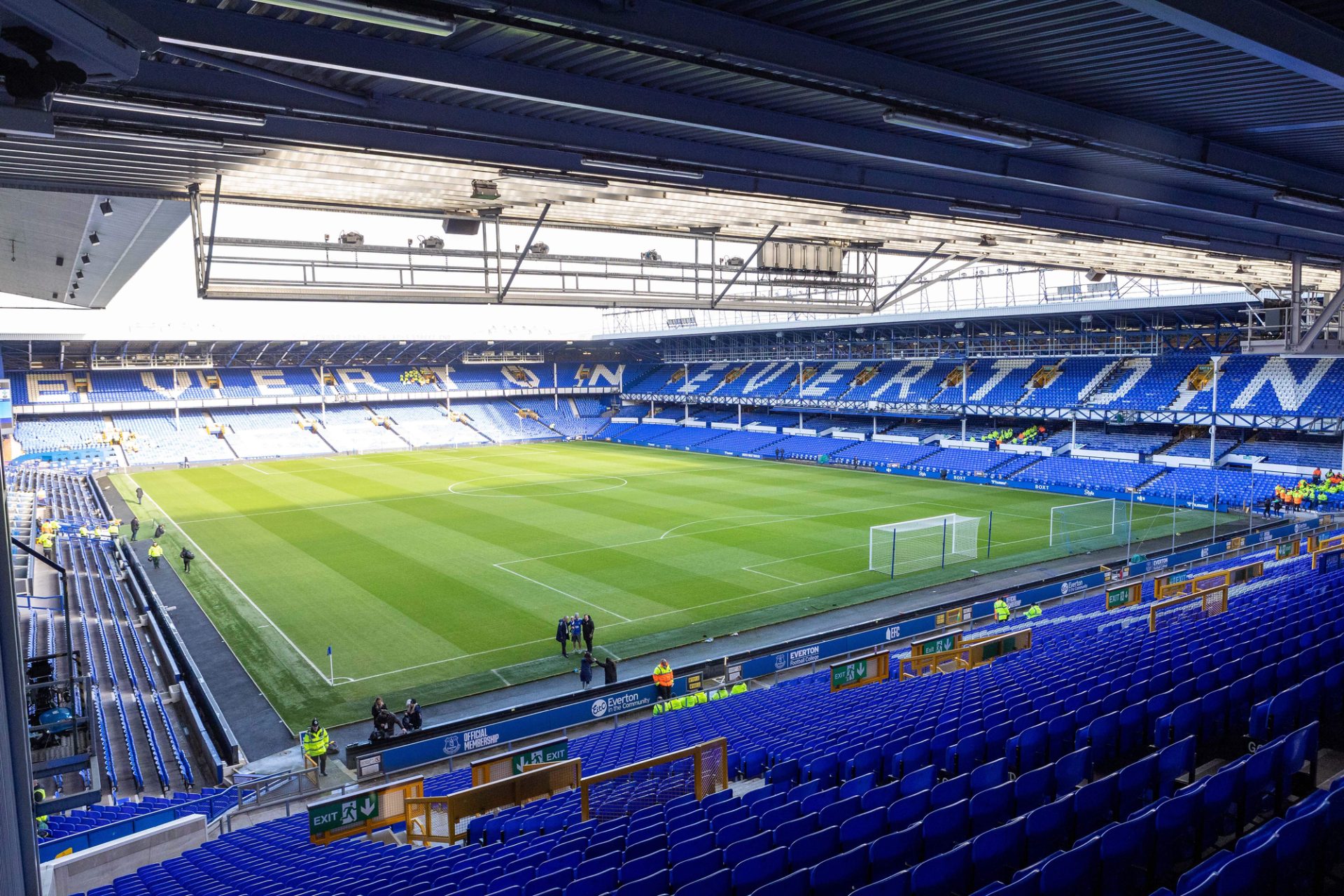
For ninety six years, a single line in the United States record book sat untouched. The last time the American men won two World Cup games in a row, the tournament was barely three weeks old as an idea, the trophy did not yet carry Jules Rimet’s name, and a wiry forward from Fall River, Massachusetts called Bert Patenaude was about to score a hat-trick that nobody would officially credit to him for another three quarters of a century. On a warm evening in Seattle this week, Mauricio Pochettino’s side finally caught up with their own history. The 2-0 win over Australia, sealing first place in Group D and a spot in the knockout rounds, gave the USA back-to-back World Cup victories for the first time since 1930.
The number sounds almost impossible for a nation that has hosted, qualified and invested as heavily in the sport as this one. Two wins in a row at a World Cup, and you have to reach back to a squad of part-time professionals and former British immigrants who sailed to Uruguay on a steamship. That is the burden Pochettino’s players lifted off the programme this week without most of them realising it was there.
The Team Nobody Remembers Won
The 1930 United States team has become a footnote, which does the players a disservice. Sixteen men were selected, and the bulk of them travelled to Montevideo aboard the SS Munargo, training on the deck as the ship rolled south for almost two weeks. Several had been born in Scotland and England and had played professionally in Britain before crossing the Atlantic to work in the mills and factories of the northeast. The European press, faintly amused, nicknamed them “the shot-putters” because of their size and physical style. The Americans did not seem to mind.
They beat Belgium 3-0 in their opening game. Four days later they beat Paraguay 3-0 again, and it was in that second match that Patenaude scored three times. FIFA did not recognise the achievement as the World Cup’s first hat-trick until 2006, having long credited one of his goals to a teammate or an own goal depending on which account you read. Patenaude died in 1974 without the record to his name. His four goals across the tournament still stand as the most any American man has scored at a single World Cup, a mark that has survived Landon Donovan, Clint Dempsey, Brian McBride and every striker since.
Those back-to-back wins carried the USA into the semi-finals, where Argentina took them apart 6-1. Patenaude, nursing a stomach injury, could not change it. The team finished joint third, still the best result the American men have ever managed at a World Cup. For all the money and structure poured into the game since, no United States side had even matched the simple feat of winning two group games on the bounce. Until this week.
High Vibes and a Hard Edge
What Pochettino has built feels nothing like the romantic underdog tale of 1930, and that is the point. The 4-1 win over Paraguay was the headline act, with Folarin Balogun scoring twice and the attack moving with a fluency that had been missing for most of the qualifying cycle. The Australia game was the harder, less glamorous exam, and arguably the more telling. Christian Pulisic was rested. The team that took the field carried fewer stars and more questions, and it answered them with a clean sheet and a level of organisation that the United States has not always been able to summon on the biggest nights.
The phrase doing the rounds among American reporters was “high vibes and gritty defense”, and it captures something real. Tyler Adams, the captain who spent three years fighting his own body, sat in front of the back line and strangled Australia’s best moments. The full-backs defended their flanks rather than chasing the game. There was a maturity to it. Pochettino, hired precisely because he had managed elite players under elite pressure at Tottenham, Paris Saint-Germain and Chelsea, has spent his short tenure trying to convince this group that they do not need to play frantically to win. Two games in, they appear to have believed him.
Topping the group also reshapes the path ahead. The Americans need only a draw against Turkiye on Thursday to guarantee first place in Group D, and a knockout fixture that should, on paper, favour them. The round-of-32 tie is scheduled for July 1 at Levi’s Stadium, the home of the San Francisco 49ers, where a heavily American crowd will expect the host nation to keep going. Win that, and the United States will have reached the last 16 of a home World Cup, the stage where the bracket starts to feel real and the pressure climbs with every round.
Why Two Wins Says So Much
It is tempting to wave away a group-stage milestone in an expanded 48-team tournament where the United States, as hosts, were always likely to start against beatable opposition. But the psychology of this team has been fragile in the recent past. There were heavy friendly defeats that drew open ridicule. There was loud debate about whether Pochettino, an Argentine with no prior connection to American soccer, was the right appointment when the federation handed him the job in 2024. There was a generation of players, the cohort of Pulisic, McKennie, Adams and their peers, who had promised a leap forward and not yet delivered one on this stage.
Winning two in a row, in front of their own people, begins to quiet that noise. It hands Pochettino concrete evidence for the things he has been preaching. It gives the squad a reference point for what composure under pressure feels like. And it connects them, whether they think about it or not, to a line that runs all the way back to those millworkers in Montevideo. The 1930 team did not have a federation pumping resources into academies, did not have European clubs developing their best talents, did not even have a recognised hat-trick to show for their efforts. They simply went and won two games. It took the modern American game almost a century to do the same.
Two Borrowed Teams, Almost a Century Apart
There is one more thread tying these sides together, and it is the most human of all. The 1930 team leaned heavily on men shaped somewhere else, Scottish and English professionals who learned the game across the Atlantic before pulling on American colours. Pochettino’s squad is built on a similar idea for a different century. Folarin Balogun was born in New York but learned his football in the Arsenal academy in London. Weston McKennie discovered the sport on a United States military base in Germany and came through at Schalke. Others were developed in the academies of Europe and chose the United States from a list of countries that could have called.
Critics have used that fact as a stick to beat the programme, as if a team assembled from dual nationals and overseas graduates is somehow less authentically American. The 1930 side answers that argument neatly. The United States has always been a country that gathers talent from elsewhere and turns it into something of its own, on the football pitch as much as anywhere. The shot-putters of Montevideo were the first version of it. The group winning games in Seattle and Santa Clara is the latest. Pochettino, an Argentine asked to lead an American team, fits the pattern rather than breaking it. What both squads share, across ninety six years, is the willingness to take whoever showed up wanting to win and make them belong.
The Record That Waited a Lifetime
There is a neat symmetry in the fact that the United States opened this run by beating Paraguay, the same nation Patenaude scored his historic hat-trick against in 1930. He never got to see his record corrected. He never got to watch a home World Cup. He certainly never imagined a manager with a Buenos Aires accent leading a United States side that fills NFL stadiums and tops a group on merit.
Pochettino’s players will not spend long thinking about the men who came before them. Knockout football arrives quickly, and the margin for sentiment is thin. But the line in the record book has finally moved, and that is worth holding onto for a moment before Turkiye and then Santa Clara demand all their attention. For ninety six years the United States waited to win two World Cup games in a row again. They have done it on home soil, in front of a crowd that has waited just as long, and the most interesting part is that nobody inside this squad seems to think it is the ceiling.

Leave a Comment
More in News

Mourinho Blasts Referee After Atletico Avoid Two Red Cards in Madrid Derby

Cole Palmer Withdraws From England Squad as Gibbs-White Returns Again
Marseille Fans Turn on Owner McCourt as Gomes Can’t Prevent Fifth Straight Loss

Juventus Fans Turn Backs on Silence for Mazzola, Club Slams ‘Lack of Respect’

Trent Alexander-Arnold Returns to the England Squad for the First Time in Over a Year, and Cole Palmer Is Back Too After Their World Cup Snub
Trending on Futbol Chronicle
Josef Martinez Returns to MLS Spotlight With Columbus Crew Signing

Celta Vigo postpones LaLiga opener after fungus outbreak damages stadium pitch
The Best World Cup YouTubers to Follow in 2026
Cristian Romero completes €40m move from Tottenham to Atlético Madrid