Three Chinese Brands Drop Kylian Mbappé Over Alleged Mao Dictator Joke
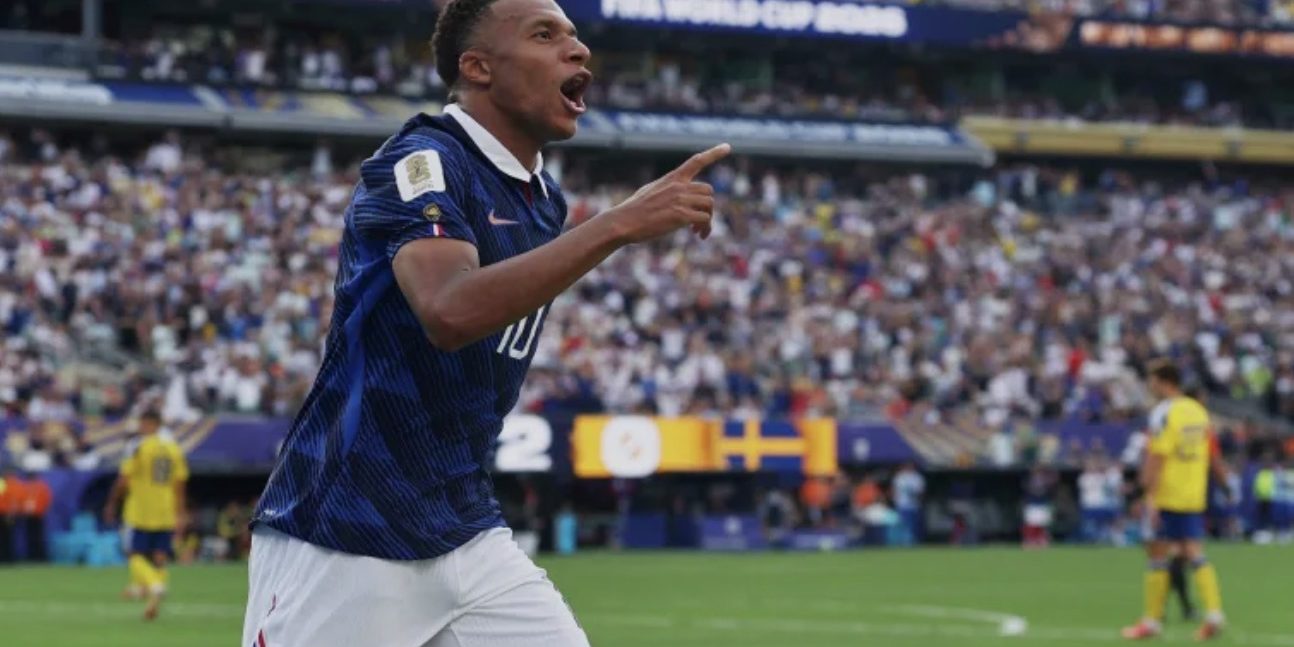

Table of Contents
- Dongpeng, Mengniu and Milkground have ended their deals with Kylian Mbappé after a clip of him joking about a meme of “a Chinese dictator” spread on Chinese social media.
- Chinese media reported that state broadcaster CCTV will stop showing La Liga matches, while a foreign ministry spokesperson said such words and deeds “will naturally be met with opposition”.
- The Real Madrid forward later apologised in a statement released in French, Chinese and English, calling his comment “ill-judged”; the original video is not available on the show’s YouTube channel.
The Meme He Laughed At Has Cost Him Three Sponsors
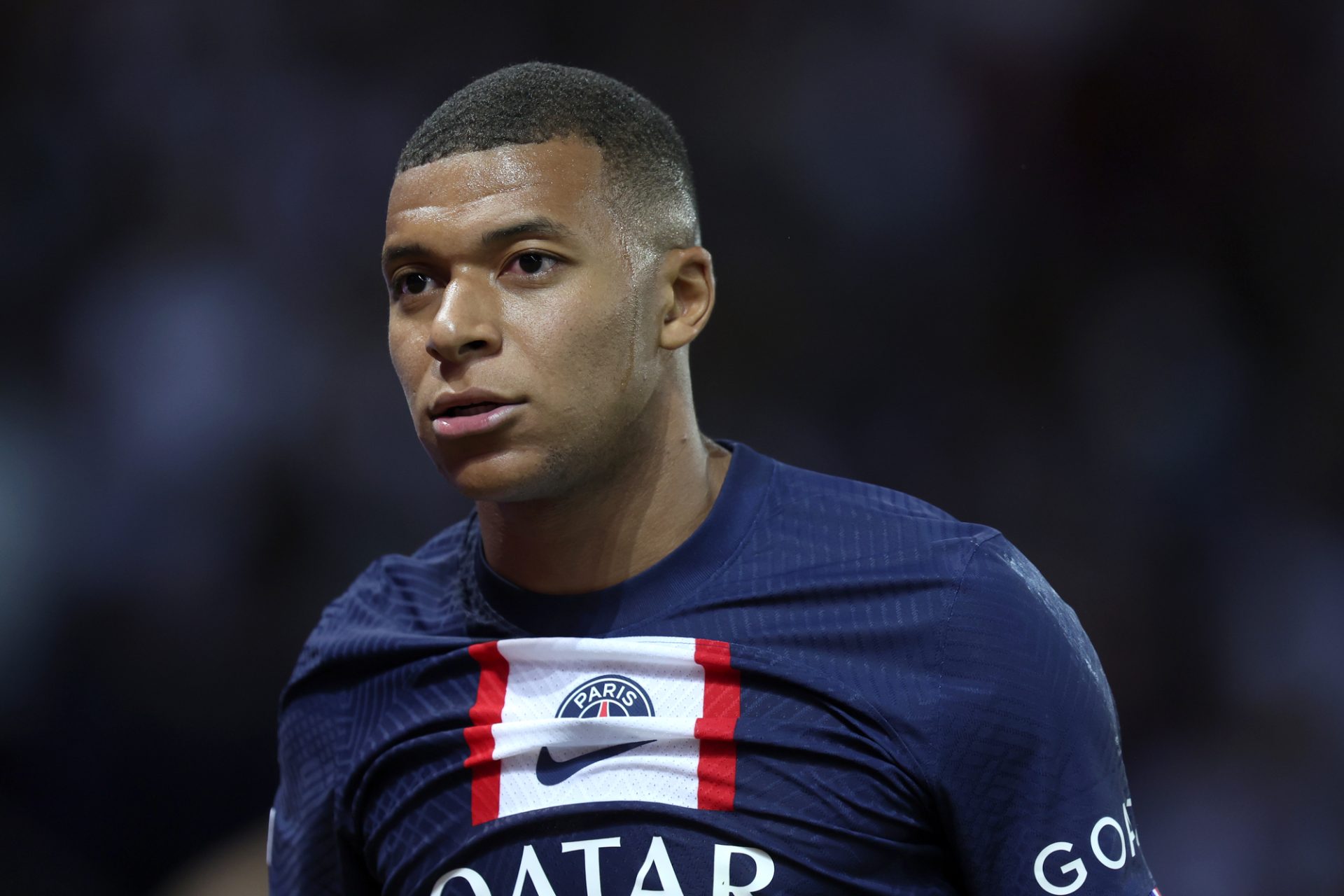
Kylian Mbappé’s face is on advertising across China. Now at least three of the companies that put it there have walked away, after comments the Real Madrid striker appeared to make about Mao Zedong, the founding leader of Communist China.
Beverage maker Dongpeng, dairy giant Mengniu and cheese maker Milkground each announced on Tuesday that they were ending their agreements with him. The statements were worded in similar ways. Each said the company opposes “any words and actions that hurt national sentiment.” None of them said what had set it off.
What Mbappé Said
The trigger was a clip that circulated on X, which appeared to show Mbappé being interviewed before an appearance on the French online talk show The Bridge. Asked for his favourite meme of himself, he laughs and says it is the one where “I think it’s a Chinese dictator”. The footage then cuts to an altered image that puts his face on the blue-suited body of Mao.
The meme belongs to a running joke about Mbappé’s nickname, “the dictator”, which comes from his huge influence in football. In the unverified clips, he does not name Mao. He says he uses the meme “with friends all the time”. The Bridge is hosted by his Real Madrid teammate Aurélien Tchouaméni. The original video is not on the show’s YouTube channel, and it is unclear when the interview first aired.
The anger started on Monday night, when the Chinese football forum Dongqiudi issued a statement calling the comments “inappropriate” and saying they “hurt the feelings of Chinese people”. Dongqiudi added that it was “unable to translate” what he said, as the words were offensive to China and its people. Screengrabs then spread quickly, and some users called for a boycott of both the player and his club.
Brands, Broadcasters and Government React
Mengniu, the country’s largest dairy producer, said it “firmly opposes” any words or actions that hurt the feelings of the Chinese people and has a “zero-tolerance policy” on them. Dongpeng used near-identical language, saying it “firmly opposes” any behaviour that offends national sentiments. The social media platform RedNote also issued a statement. It said its content partnership with Mbappé ended on 31 December 2024 and that it would “remove related promotional materials.”
The fallout went beyond advertisers. According to the state-owned Global Times, the news apps of state broadcaster CCTV will not feature content related to Mbappé, and Chinese media reported on Tuesday that CCTV will also stop showing La Liga matches. Real Madrid is one of 20 clubs in the Spanish league and its most decorated side, with 36 titles.
China’s foreign ministry spokesperson Lin Jian said officials had “noted the relevant reports.” He added: “Words and deeds that hurt the feelings of the Chinese people will naturally be met with opposition from all sectors of Chinese society.”
On Weibo, five of the top 10 trending topics centred on Mbappé by 14:00 local time on Tuesday. The hashtag “multiple brands terminate partnerships with Mbappé” sat at the top, with “Football fans boycott Mbappé” also trending. One of the most prominent comments read: “Don’t ever come to China.” A few people backed him, a rare response on China’s tightly controlled internet.
Why Mao Is Off Limits
Mao founded the People’s Republic of China in 1949. The Communist Party still hails him as a national icon whose legacy is beyond reproach, while his Great Leap Forward led to a famine that killed tens of millions and his Cultural Revolution purged anyone seen as a threat. Jokes and memes about him are treated as an attack on the party’s closely guarded account of that history, which helps explain how quickly the brands moved against a global star.
Mbappé’s commercial presence in China is large. His adverts run for products from electrolyte drinks to milk and cheese. In one Dongpeng commercial he delivers a slogan in Chinese, and in a Mengniu advert he appears alongside Lionel Messi. Chinese brands have also signed multimillion-dollar endorsement contracts with Erling Haaland and the NBA’s Stephen Curry.
His Earlier Words on the Dictator Memes
Mbappé has spoken about this kind of joke before. In a September interview with France Football he accepted the light-hearted side of many of the memes but said they “sometimes reveal a lack of political and human awareness among people.” He went on to say there is “a side that’s a bit less funny” given the damage such figures have caused throughout history. “Being compared to people who murder others, or who have made millions upon millions of people miserable… I don’t think I’ve done that in my life.”
The nickname has followed him for years. In 2024 he sued a French influencer and kebab shop owner over a sandwich that used his name, which sparked more jokes. At the 2026 World Cup, France teammate Ousmane Dembélé jumped on the trend and called him “Mobut”, a reference to the Congolese dictator Mobutu Sese Seko.
Mbappé’s representatives could not be reached for comment, and Real Madrid has also been asked for its response. For now, the sponsors have spoken and the player has not.

Leave a Comment
More in News
Van Dijk: Nobody Can Replicate Salah, Liverpool’s New Attack Must Step Up
Kylian Mbappé Apologises After Chinese Brands Cut Ties Over Mao Joke

Sherwood Says Harry Kane’s Four Loan Spells Built the Ballon d’Or Winner

Woman orders $75 family deal from Outback Steakhouse. Then she sees what she gets—and feels duped: ‘They robbed me’
Woman is about to board Indiana-Tennessee flight. Then she sees the plane, her seat number—and the pilots
Trending on Futbol Chronicle
Michael Carrick admits Manchester United have “no excuses” after AC Milan defeat
Celta Vigo postpones LaLiga opener after fungus outbreak damages stadium pitch
What Is Offsides in Soccer? The Offside Rule Fully Explained
Michael Carrick points to lack of sharpness after Manchester United draw with West Ham