
Tunisia Sacked Their Coach After One World Cup Game and History Has No Precedent
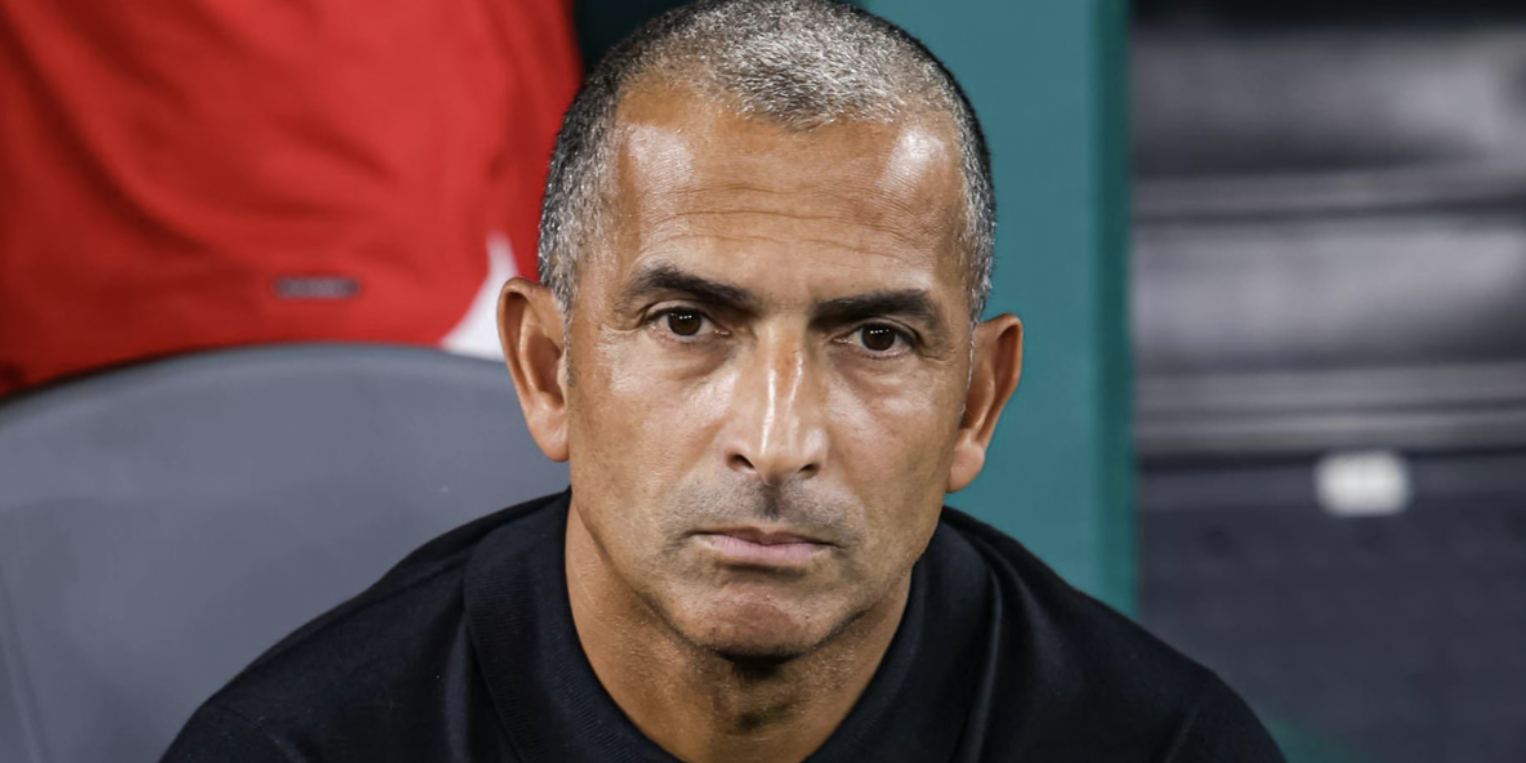

Table of Contents
By the time the final whistle blew on Tunisia’s 5-1 defeat to Sweden, the damage was already spreading beyond the scoreboard. Local reports described a handful of physical altercations breaking out inside the Tunisian camp in the aftermath, with officials calling an emergency meeting that ran late into the night. Within 48 hours the decision was made. Sabri Lamouchi, the man hired to lead Tunisia to a World Cup, was gone after a single match. No team in the history of the men’s World Cup had ever sacked its head coach after just one game.
It is the kind of story that sounds like an exaggeration until you read the timeline. A coach appointed in January, gone by the middle of June, undone in 90 minutes by a Swedish side that simply tore his team apart. And the replacement was no caretaker. Tunisia turned to one of the most well travelled managers in international football, a Frenchman who has now arrived at the World Cup with a third different country and a reputation for resurrecting causes that look beyond saving.
A Sacking Without Precedent
World Cup managers have been sacked before, but never this quickly. Coaches have resigned or been pushed out after group stage eliminations, after the tournament ended, or in the chaotic aftermath of a campaign gone wrong. What Tunisia did was different. They dismissed Lamouchi while the tournament was still in its opening week, with two group games left to play, an act that has no equal in the competition’s history.
The defeat itself was the trigger, but it was not the whole story. According to multiple reports out of Tunisia, Lamouchi’s relationship with the federation and with some of his players had been fraying since his arrival in January. The 54 year old had taken charge of only five matches in total. The 5-1 humiliation against Sweden simply gave a fractured set-up the excuse it needed to act. When a result is that bad and the trust is already that thin, a federation does not always wait for logic. It reacts.
The Night It Fell Apart Against Sweden
Sweden, managed by Graham Potter, were ruthless. Alexander Isak produced a goal and two assists, Viktor Gyokeres added to the rout, and the young midfielder Yasin Ayari scored twice as the Scandinavians ran out 5-1 winners. For a Tunisia side that prides itself on defensive organisation and discipline, conceding five goals at a World Cup was a humiliation that went beyond a single bad afternoon. It looked like a team that had stopped playing for its manager.
That is the detail that turns a heavy defeat into a sacking. Plenty of underdogs lose by big margins at World Cups and keep their coach, because the performance still shows fight and structure. Tunisia’s collapse suggested something had broken internally, and the reported altercations afterwards only confirmed the picture. A federation watching its team disintegrate on the biggest stage decided it could not afford to let the situation drift through two more matches.
Who Is Hervé Renard?
The man called in to stop the bleeding is one of the most recognisable figures in international management. Hervé Renard, 57, is known for his crisp white shirts on the touchline and for a career spent taking unfashionable nations further than anyone expected. He had left his post as Saudi Arabia coach in April, making him available at exactly the moment Tunisia needed a free agent with World Cup pedigree.
Renard arrived in Mexico on the Tuesday afternoon and took his first training session that same evening in Monterrey, a turnaround that speaks to how urgently Tunisia wanted him in place. He has signed on until the end of the tournament, a short, sharp mandate to salvage whatever can be salvaged from a campaign that began in disaster. For a coach who thrives on exactly these situations, the timing could hardly be more fitting.
A Specialist in Lost Causes
What makes the appointment so intriguing is Renard’s history. This is his third men’s World Cup with a third different country, after Morocco in 2018 and Saudi Arabia in 2022. That alone places him in rare company. But it is what he did at the last World Cup that gives Tunisian supporters a flicker of hope. In Qatar, Renard’s Saudi Arabia side produced one of the greatest upsets the tournament has ever seen, beating Lionel Messi’s Argentina, the eventual champions, in their opening match.
That result was built on the same qualities Renard will now try to instil in Tunisia at speed: belief, aggression and a refusal to accept the role of cannon fodder. His half-time team talk during that Argentina match has since become the stuff of legend, a reminder that he is as much a motivator as a tactician. Tunisia do not need him to build a system over months. They need him to change a mood in days, and that is precisely the skill that has defined his career across Africa and the Middle East.
What It Says About Tunisia and the Modern World Cup
The bigger picture here is about pressure, and how little patience now exists even at international level. Club football has long been ruthless with managers, but national teams used to offer more stability, simply because there were fewer matches and fewer chances to act. Tunisia’s decision shows that the club mentality of instant accountability has reached the World Cup itself. One bad result, in the wrong context, can now end a tenure overnight.
It also reflects the stakes of the expanded 48 team tournament. With more nations competing, the gap between the strongest sides and the rest can be brutal when a smaller country has a bad day, and Sweden exposed Tunisia mercilessly. For federations from nations that qualify rarely, a World Cup is a once in a generation shop window, and the temptation to act decisively when it goes wrong is enormous. Tunisia chose the most dramatic response available to them.
This summer’s tournament has already given us the romance of debutants like Cape Verde, whose veteran goalkeeper we celebrated in our piece on his seven saves against Spain, and the fairytale of tiny Curacao, the smallest nation ever to reach a World Cup, a story we told in our look at their historic qualification. Tunisia’s tale is the dark mirror of those, a reminder that the same stage that lifts the brave can break the unprepared.
The Human Cost Behind the Headlines
Lost in the drama of a record sacking is the man at the centre of it. Sabri Lamouchi is no journeyman chancer. A former France international midfielder, he built a respected coaching career with spells in charge of the Ivory Coast at a World Cup, as well as club work in England with Nottingham Forest and across Qatar and France. He took the Tunisia job in January knowing the World Cup was looming, an inheritance that gave him little time to build anything before the tournament arrived. Five matches is barely a window to impose ideas on an international side that assembles only in short bursts.
That context does not excuse a 5-1 defeat, but it complicates the easy narrative of a coach who failed. Lamouchi walked into a federation already tense and a dressing room that, by several accounts, was not fully behind the project. When the results collapsed, he became the most visible casualty of problems that ran deeper than the touchline. International football can be unforgiving in that way. A coach absorbs the blame for a system he did not have time to fix, and the players who downed tools rarely face the same public reckoning.
What Is Left for Tunisia to Salvage
The practical question now is whether anything can be rescued from the group. Tunisia still have fixtures to play, and Renard’s immediate job is psychological as much as tactical. He has days, not weeks, to convince a bruised squad that the tournament is not already over, and to repair whatever fractured in the wake of the Sweden defeat. His track record suggests he is uniquely suited to the task. Across stints with Zambia, Ivory Coast, Morocco and Saudi Arabia, Renard has repeatedly walked into difficult rooms and pulled performances out of teams that had stopped believing.
For the players, the reset offers a strange kind of opportunity. A new voice, free of the baggage that built up under Lamouchi, can sometimes unlock a squad overnight. Renard will demand they play with the fearlessness that defined his Saudi Arabia side against Argentina, and he will not accept the passivity that Sweden punished. If even a fraction of that spirit takes hold, Tunisia could yet leave this World Cup with their pride restored, regardless of where they finish in the group.
Whether Renard can rescue the campaign is almost beside the point. The sacking has already written Tunisia into the record books for the wrong reasons, the first nation ever to lose faith in a World Cup coach after a single game. If the Frenchman somehow turns it around, it will become one of the great salvage jobs in the tournament’s history. If he cannot, it will stand as a cautionary tale about what happens when a team arrives at the World Cup already at war with itself.

Leave a Comment
More in News
Mourinho Blasts Referee After Atletico Avoid Two Red Cards in Madrid Derby

Cole Palmer Withdraws From England Squad as Gibbs-White Returns Again
Marseille Fans Turn on Owner McCourt as Gomes Can’t Prevent Fifth Straight Loss

Juventus Fans Turn Backs on Silence for Mazzola, Club Slams ‘Lack of Respect’

Trent Alexander-Arnold Returns to the England Squad for the First Time in Over a Year, and Cole Palmer Is Back Too After Their World Cup Snub
Trending on Futbol Chronicle
Michael Carrick points to lack of sharpness after Manchester United draw with West Ham
The Best World Cup YouTubers to Follow in 2026
Arab football federations back Gianni Infantino as FIFA president faces growing opposition
The Best Soccer Players of All Time: The 10 Greatest Ever Ranked