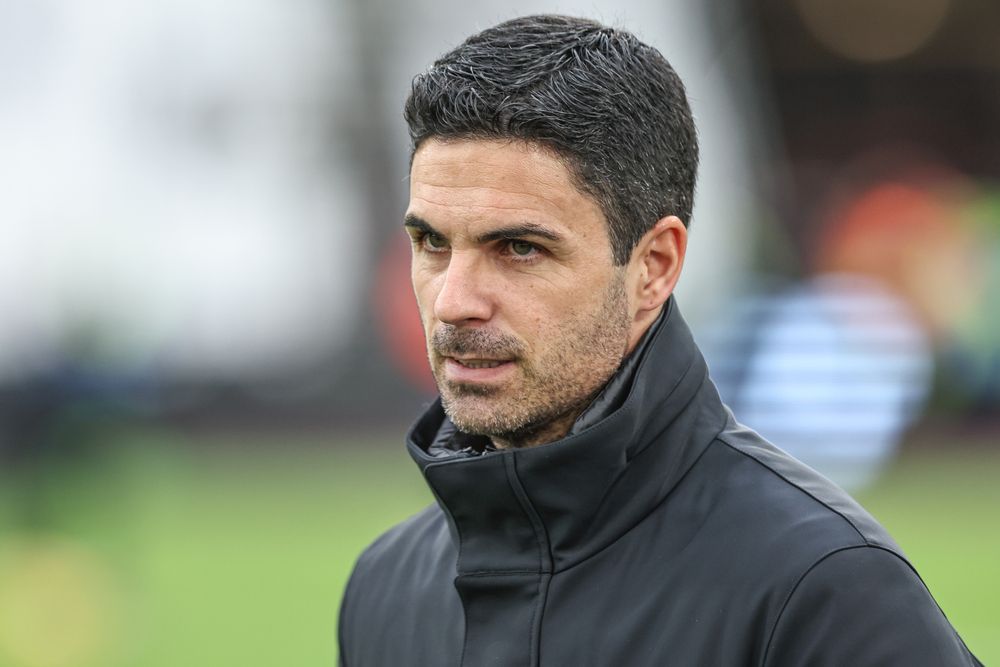
Why England Still Cannot Solve Senegal as a World Cup Rematch Looms

Table of Contents
On a warm Tuesday night at the City Ground in Nottingham last June, Senegal did something no African team had managed in twenty two games against England. They won, and they won well, 3-1, with Ismaila Sarr, Habib Diarra and Youssouf Sabaly carving open a side that had taken the lead through Harry Kane after seven minutes and then forgotten how to defend. Thomas Tuchel stood on the touchline and watched a friendly turn into a referendum on his methods. Twelve months later, with England safely into the World Cup Round of 32, the draw is shaping up to send the same opponent back across his path. England have not solved Senegal. They have barely solved Africa.
The numbers from this tournament tell their own quiet story. England opened with a 4-2 win over Croatia that flattered nobody and then drew 0-0 with Ghana, a result that read like a warning shot. Ghana, a team built almost entirely from players schooled in the English leagues, pressed England into a corner and kept them there. The Three Lions reached the knockout stage anyway, their place confirmed before they even kicked off against Panama. The manner of it left a familiar unease.
The night in Nottingham that still stings
That 2025 defeat was not a fluke and Tuchel knew it. Kane had given England the lead when Edouard Mendy spilled Anthony Gordon’s shot into his path, the kind of gift that should settle a side. Instead Sarr punished Kyle Walker’s hesitation just before the interval, Diarra ran clean through Morgan Gibbs-White soon after the hour, and Sabaly finished a stoppage-time break after Noni Madueke gave the ball away from a free-kick. Three goals, three errors, one historic result. Senegal became the first African nation to beat England, and they did it on English soil with Tuchel watching from the bench he still occupies.
The German had taken the job to end sixty years of hurt and instead found himself answering questions about whether his team could defend a transition. Senegal exposed a softness in the spine that a friendly is supposed to hide. The lesson did not land cleanly. A year on, Ghana asked many of the same questions and got many of the same uncertain answers.
Why African sides keep troubling England
There is a tactical thread running through these matches that goes beyond bad luck. Senegal and Ghana both attack space behind full-backs at speed, and both are stacked with forwards who play their club football in England, France and Germany. Sarr knows the Premier League intimately. So does Ghana’s Antoine Semenyo, who quit football at fifteen before clawing his way to the top flight. These are not unknown quantities running on adrenaline. They are elite professionals who understand exactly how England build and exactly where the gaps appear when the press is beaten.
England’s strength under Tuchel has been control of the ball and set-piece threat. Their weakness has been the moment control breaks down, the seconds after a turnover when a back line built around recovery pace still finds itself outrun. Walker’s struggles against Sarr in Nottingham were not an accident of form. They were a structural problem dressed up as an individual one. When the opponent is quick, direct and unafraid, England have looked vulnerable in a way that the possession statistics never capture.
The rematch that may be waiting
The bracket has not been finalised, and the allocation of the eight third-placed qualifiers can still shift. As it stands, England finishing top of Group L would line them up against a third-placed side from Group E, I, J or K, with Senegal the projected opponent in Atlanta on Wednesday 1 July at 5pm UK time. Ecuador, Algeria and DR Congo are the other candidates depending on how the final permutations fall. Nothing is certain until FIFA confirms it. The possibility alone, though, has already coloured the build-up.
For Senegal it would be a chance at a strange kind of double. They beat England in a friendly in 2025 but lost to them when it counted, in the 2022 World Cup Round of 16 in Qatar, when Jordan Henderson, Kane and Bukayo Saka delivered a 3-0 win that remains the cleanest England performance in years. Sadio Mane missed that night through injury. He is here now, thirty four years old, still the emotional centre of the Teranga Lions, and head coach Pape Thiaw has spoken about him in reverent terms after Senegal hammered Iraq 5-0 to reach the knockouts. A rematch would carry the weight of all three meetings at once.
What it means for Tuchel
Tuchel’s England arrived at this World Cup under more scrutiny than any side in the tournament. A German in charge of the team that gave the world the modern game, tasked with ending a wait that stretches back to 1966, working without the injured Reece James and having left Phil Foden, Cole Palmer and Harry Maguire at home. Every decision has been picked apart. A defeat to an African side in the first knockout round would not just end the tournament. It would reopen every argument about whether the appointment was the right one.
The flip side is the opportunity. Beat Senegal, or whoever the draw produces, and England put real distance between themselves and the Nottingham humiliation. Tuchel has the players to do it. Jude Bellingham reached four major tournaments younger than any European before him. Saka carried the cruellest penalty miss in recent memory to a World Cup he now influences. Declan Rice anchors a midfield that can strangle a game when it chooses to. The talent is not in doubt. The temperament against fast, fearless opposition is.
The Senegal threat in detail
Pape Thiaw’s Senegal are not the same side England dismissed in Qatar. Thiaw, who played for the Senegal team that reached the quarter-finals in 2002 and set up the golden goal that beat Sweden in the last sixteen, has built a team in his own image, aggressive and quick to transition. He has won 22 of his 27 matches in charge and lost only twice, a record that any major nation would envy. The 5-0 dismantling of Iraq was the biggest win by an African side in World Cup history, and it came with Mane pulling strings rather than chasing the spotlight.
Ismaila Sarr is the player England should fear most. He tormented Walker in Nottingham and has the directness to expose any defence that sits too high. Habib Diarra, who scored that night, gives Senegal a midfield runner who arrives late in the box. Add Iliman Ndiaye, Nicolas Jackson and a back line marshalled by goalkeeper Edouard Mendy, and Senegal have a spine that mixes Premier League muscle with genuine tournament nous. Edouard Mendy’s error gifted England the lead in 2025, but he is among the most decorated goalkeepers Africa has produced, and he will not want that to be his lasting memory against the Three Lions.
England’s tournament ghosts
England carry their own psychological baggage into every knockout match. The penalty shootout losses, the quarter-final collapses, the sense that the team always finds a new way to disappoint. Gareth Southgate spent eight years dragging the side closer to the summit without quite reaching it, two European Championship finals lost and a World Cup semi-final that ended in tears. Tuchel inherited that inheritance along with the squad. A German hired to do what no Englishman had managed since 1966, he knows that one bad night against a fast African side would be framed as proof that nothing has changed.
The flip side is that England have rarely had this much attacking talent available at once. Bellingham, Saka, Rogers, Rashford reborn at Barcelona, Kane chasing Gary Lineker’s England World Cup scoring record. The firepower is there to blow any opponent away. The question Tuchel has not answered is whether his side can stay calm when the game becomes a fight rather than a procession, because Senegal, or whoever the draw delivers, will make it a fight.
The test England cannot keep failing
Africa has spent this tournament announcing itself. Cape Verde stunned Spain. Ghana shut out England. Senegal put five past Iraq. The gap that English fans once assumed existed between the European elite and the rest has narrowed to almost nothing, and the knockout rounds will punish any side that still thinks reputation wins matches. England have already been given the evidence. They were handed it on a plate at the City Ground a year ago, and they were reminded of it by Ghana a fortnight back.
Whether the opponent on 1 July is Senegal or another of the third-placed sides, the challenge is the same. England have to prove they can handle a team that runs at them without fear. They could not do it in Nottingham. They could not break Ghana down. The World Cup does not offer many more chances to learn the lesson before it becomes terminal. Tuchel knows the history. Now he has to change it.

Leave a Comment
More in News

Moise Kean Will Miss Como’s Biggest Game of the Season After Cesc Fabregas Clashed With Italy’s Doctors
Oliver Glasner Returned to Crystal Palace and Fans Turned From Applause to Taunts as Forest Lost
Vinicius Red Card for Hair Pull Leaves Mourinho Snubbing the Press
Bowen’s Saved Penalty Costs West Ham a Shot at Top Spot

Cole Palmer Missed England’s World Cup Squad This Summer, and His Club Have Just Backed Him With a Deal Running to 2034
Trending on Futbol Chronicle
What Is The Club World Cup?
Josef Martinez Returns to MLS Spotlight With Columbus Crew Signing
Arab football federations back Gianni Infantino as FIFA president faces growing opposition
Map of All the Premier League Teams for 2025/26