Zinedine Zidane Head-Butted Marco Materazzi in the 2006 World Cup Final, and Twenty Years Later He Faces Italy Again as France Coach
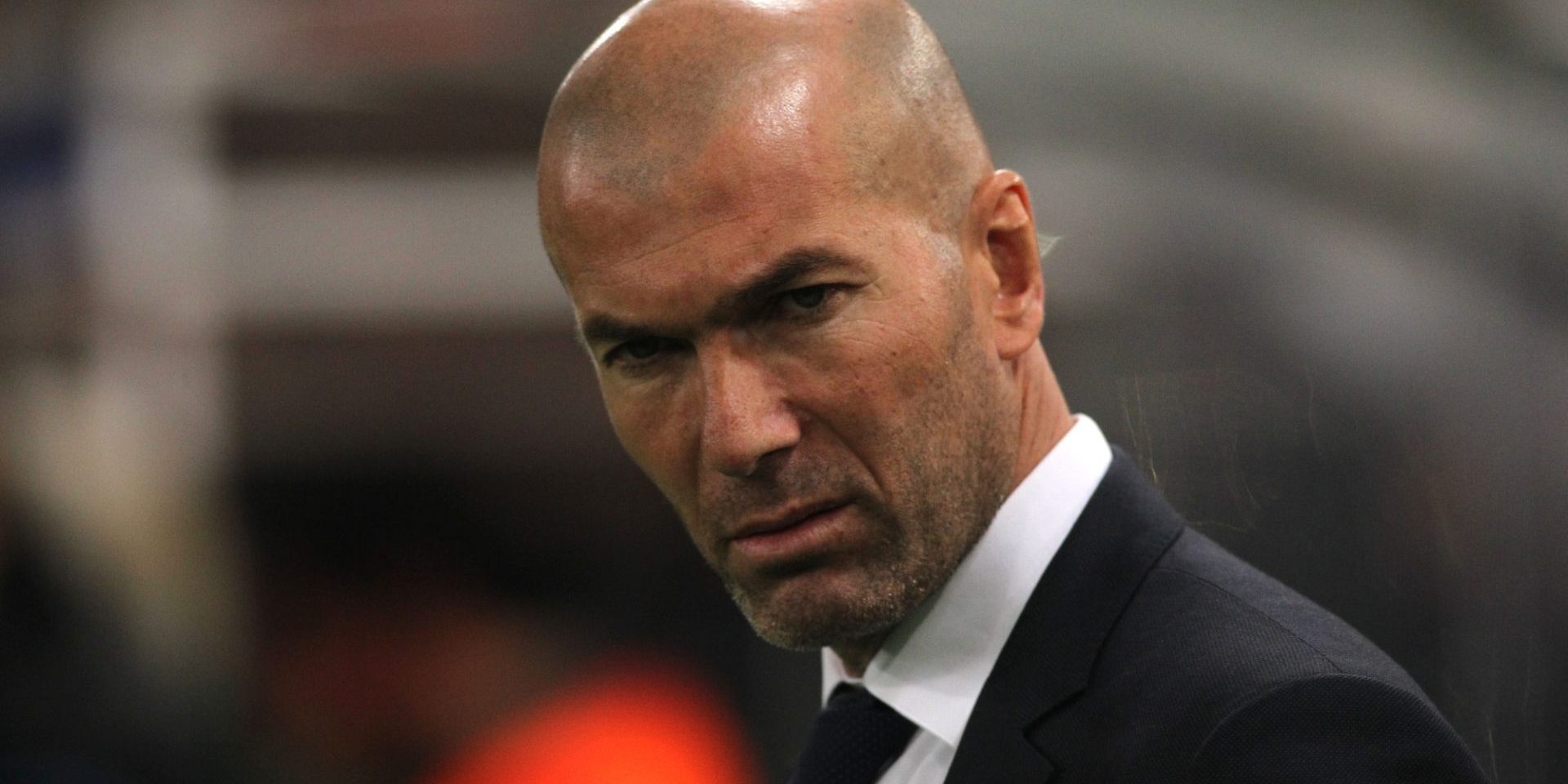

Table of Contents
- Zinedine Zidane will face Italy on Friday for the first time after head-butting Marco Materazzi in the 2006 World Cup final, now coaching France instead of playing for them.
- Zidane says he does not regret the incident, telling reporters this week that “it’s part of my career” and that he is “not proud of what happened, but you can’t always do just good things.”
- He has not spoken to Materazzi at any point from that night in Berlin to now, and said so in a single word: “No.”
The Moment That Ended His Playing Career Is About to Meet Him Again
Twenty years ago, deep into extra time of the 2006 World Cup final, Zinedine Zidane planted his head into the chest of Italy defender Marco Materazzi. The force sent Materazzi backward. Referee Horacio Elizondo showed a red card, and Zidane walked off the pitch past the World Cup trophy he had lifted eight years earlier, never to play for France again. Italy went on to win the shootout that followed a 1-1 draw.
On Friday, Zidane faces Italy again. This time he will be in a suit on the touchline at Stade de France, in his first home match in charge of France’s national team. “I’m ready to come back and coach the France team, I want to give everything I have,” he said this week. Two decades after the worst-remembered moment of his career, Zidane is building a new one in exactly the role he once thought the headbutt had cost him any chance of holding.
“I Can Say Things Were Very, Very Difficult”
At the time, Zidane assumed the red card was the final word on how France would remember him. “Yes, because I didn’t know I was going to become coach,” he said at a pre-match news conference this week. “So for me it was the end, and I can say things were very, very difficult.” He did not play again after that night in Berlin.
Asked directly how he feels now, with the images still replayed two decades later, Zidane did not pretend the headbutt had faded from how people see him. “The images always remind me of it, they’re shown over and over again,” he said. “But luckily that’s not all I ever did and there are other (images) that are nicer.” He has also made clear he does not spend time wishing it had gone differently. “They’re not regrets,” he said. “It’s part of my career. I’m not proud of what happened, but you can’t always do just good things. We’re all on a journey in life, where (sometimes) you do things that aren’t the best. But now it’s about what comes next.”
On Materazzi himself, the answer was shorter. Asked if the two men had spoken at any point in the twenty years that followed 2006, Zidane said simply: “No.” Pressed on whether that remained true today, he repeated himself: “Not at all.”
What Actually Happened in Berlin
The two men were the central figures of that final long before the headbutt. Materazzi’s early foul on France winger Florent Malouda gave Zidane a penalty, which he converted with an audacious, disguised Panenka that avoided eye contact with goalkeeper Gianluigi Buffon before the ball clipped the underside of the crossbar and bounced over the line. Zidane nearly scored again in injury time, only for Buffon to tip his header over the bar.
Then, deep into extra time, the two players exchanged words. Zidane jogged forward to rejoin play, stopped, turned, and drove his head into Materazzi’s chest. Elizondo brandished the red card in front of a stunned Olympic Stadium crowd. In July, Elizondo told Italian newspaper La Gazzetta dello Sport that neither he nor his two assistants had actually seen the headbutt happen in real time. He said he was alerted to it by the fourth official, long before video review existed in the sport. As replays aired on French television, commentator Thierry Gilardi captured the disbelief of millions watching at home: “Oh Zinedine, not that. Not that, Zinedine. Oh no, not that. Not today, not after everything you’ve achieved.”
The two men have each given their own account of what was said. Zidane told French sports daily L’Equipe in 2022 that the trigger was personal. “He triggered something by mentioning my sister Lila,” he said. “Sometimes it’s in moments like those that you might do something wrong.” Materazzi has offered a different version of the exchange. “I held (Zidane) by the shirt a little in order so he couldn’t jump. I said sorry twice. Then he said, ‘If you want my shirt I’ll give it to you later,’ and I said something to him,” Materazzi said. “But nothing worse then what we used to say as kids playing on the beach in Bari.”
From Superstar to Suit: Zidane’s Long Road Back
Before any of that, Zidane had already made himself a legend twice over. His two goals in the 1998 World Cup final win over Brazil turned him into an overnight superstar and led to a Ballon d’Or. Two years later, his performances carried France to the European Championship. None of that was undone by the 2006 final, yet the red card still became the moment most replayed.
Hundreds of fans gathered outside the French soccer federation’s headquarters to cheer Zidane when he was appointed as France’s head coach, replacing Didier Deschamps after the World Cup. In charge, Zidane has won his first two games, both away from home: 1-0 against Turkey and 1-0 against Belgium. Friday’s match against Italy will be his first competitive game on French soil as coach, and the opponent happens to be the team on the other end of the result that once seemed destined to define him.
Zidane built the playing reputation that made his appointment a popular one across a career at Cannes, Bordeaux, Juventus and Real Madrid, winning league titles in both Italy and Spain along the way and capping his club career with the volleyed winner in the 2002 Champions League final. None of that history disappeared on the night of the headbutt, and it is part of why fans stood outside the federation’s headquarters rather than treating his appointment as controversial. The red card is the single moment most people remember first, but it sits inside a far longer body of work that France’s federation was happy to bet its national team on.
Italy Arrives in the Middle of Its Own Rebuild
Italy is not arriving at Stade de France in a position of strength either. Roberto Mancini returned as head coach after Italy failed to qualify for a third consecutive World Cup, and his rebuilding project began with a 2-0 home loss to Belgium. There has been some optimism built on a 4-1 win at Turkey that followed, but Italy’s own Nations League campaign under Mancini is still finding its shape at the same time Zidane is shaping his first senior coaching job on the international stage.
That gives Friday’s match a shape of its own, two coaches trying to rebuild two sides that have each gone through recent disappointment, meeting in a stadium that has nothing to do with Berlin except the two federations involved. Twenty years on, nobody will show Zidane a red card for anything he does from the touchline. But the questions about 2006 will keep coming anyway. As Zidane himself put it, the footage keeps being shown, over and over again, whether he is on the field or coaching from its edge.
France and Italy have met at World Cups and European Championships for decades, and this fixture carries a rivalry that long predates either man’s current job. For Zidane, beating Italy at Stade de France would mark three wins from three games to start his coaching career, a result that would say far more about where France are heading than anything from Berlin two decades ago. For Mancini, a strong result away from home would answer some of the doubts that followed Italy’s home loss to Belgium. Either way, both coaches will walk off the pitch afterward as men still building something new, not finishing something old.

Leave a Comment
More in News
Ronaldo Leaves Portugal Camp, Fernandes Calls Him the Nation’s Greatest Symbol

Messi Flies Home to Rosario Before Farewell Match for Argentina
UAE Threatens to Pull Billions From UK Over Manchester City Verdict

Michael Kayode Was Dropped by Juventus as a Teenager, and Now He Is the Face of Italy’s Multiethnic National Team Revival

Craig Bellamy Answered Months of Criticism Over Wales by Finally Beating a Nations League A Team
Trending on Futbol Chronicle
The Best Soccer Players of All Time: The 10 Greatest Ever Ranked
The Best World Cup YouTubers to Follow in 2026
Arab football federations back Gianni Infantino as FIFA president faces growing opposition
Cristian Romero completes €40m move from Tottenham to Atlético Madrid