Harry Maguire Had His Best Season in Years and England Still Left Him Home
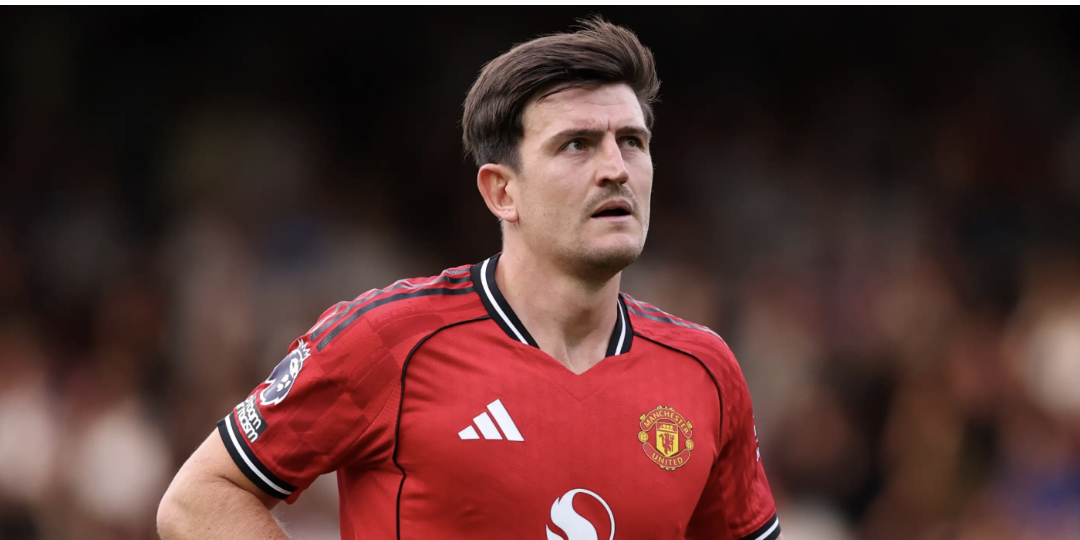
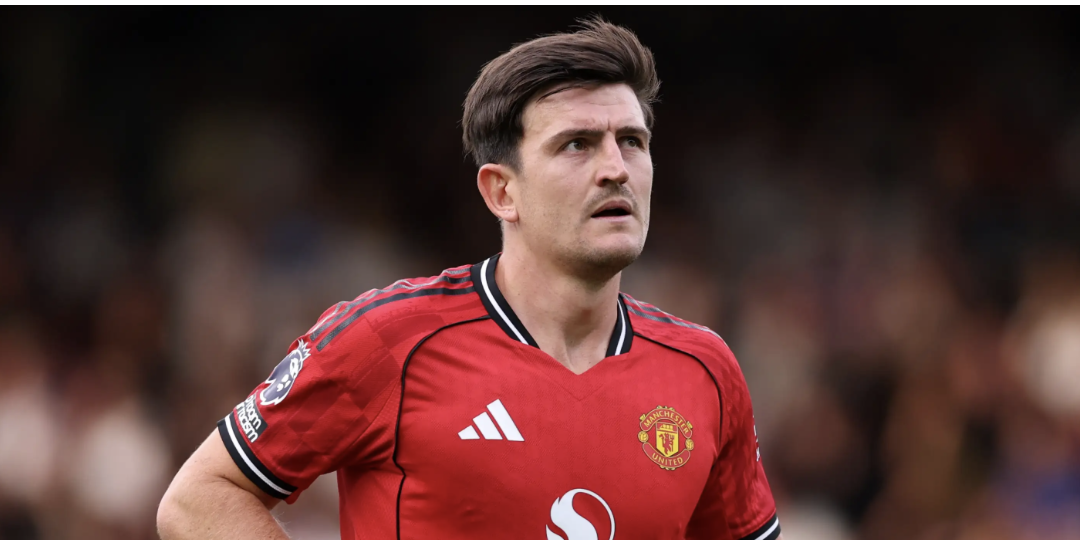
Table of Contents
The video call lasted a few minutes. Thomas Tuchel told Harry Maguire he would not be on the plane to the 2026 World Cup, thanked him for his service, and that was that. Maguire later called the conversation awkward, which is about the kindest word available for being dropped by your country after the best club season of your life. He had just helped Manchester United through a campaign in which he looked, at 33, more assured than he had in years. England did not want him anyway.
So Maguire has spent this World Cup the way millions of supporters have, watching on a screen. The difference is that he was central to the last two tournaments England played, a man who scored in a World Cup quarter-final, who headed England level in a European Championship final, who took a penalty in a shootout when better-known names hid. England reached the knockout rounds again this summer without him. The story of how that happened says a lot about Tuchel, and about how quickly football forgets.
The defender England leaned on for six years
It is easy now to reduce Maguire to the memes. The slow turns, the moments when a Premier League afternoon went wrong and the cameras found him, the nickname that followed him around. What that caricature skips is the actual record. Maguire went to the 2018 World Cup as a Leicester City centre-back and came home with a reputation, having powered a header past Sweden in the quarter-final in Samara. Gareth Southgate then paid a world-record fee for a defender to take him to Manchester United, and for three major tournaments Maguire was a near-automatic pick.
At Euro 2020 he was part of a back line that conceded once in six matches on the way to the final at Wembley. At the 2022 World Cup in Qatar he started every knockout game. He won more than 60 caps and scored seven times for England, a remarkable return for a centre-back, most of them bullied in from set pieces by a player who treats a corner the way a striker treats a through ball. When England needed a body to throw forward in the last minutes of a tight game, Maguire was the body.
None of that guarantees a place. Form fades, younger players arrive, and managers are paid to make cold decisions. Maguire understood the maths. What stung was the timing, because the season that ended weeks before the squad announcement had been one of his strongest.
An outstanding season that counted for nothing
Maguire spent 2025-26 looking like the player United thought they were buying. He defended the box, he carried the ball out of trouble, and he kept producing the same threat in the opposition area that made him an asset for England in the first place. Tuchel acknowledged it openly. The Germany-born coach said Maguire had enjoyed an outstanding season and that he respected the defender’s quality, before adding the line that did the damage. He had decided to stand by the four centre-backs who carried England through qualifying in September, October and November.
That was the whole argument. Tuchel went with Marc Guehi, Dan Burn, John Stones, Ezri Konsa and Jarell Quansah, the group that did the work when the World Cup was being secured rather than the group that finished the club season strongest. There is logic in it. A manager who rewards loyalty during the grind sends a message to a dressing room. There is also a risk, because tournament football has a way of exposing a squad that lacks experienced cover, and few England players have stood in as many high-pressure penalty areas as Maguire.
Dan Burn is the player whose place Maguire might feel he should have taken. Burn is a fine story, a 33-year-old from Blyth who pushed trolleys at Asda before football paid him a wage, and he earned his call-up through a fearless run with Newcastle. He is also a left-sided option who gives Tuchel something different. The selection was not a snub of Maguire so much as a verdict on what England now want from a defender. Tuchel decided he wanted Burn’s profile and the continuity of his qualifying group more than he wanted Maguire’s CV.
The reaction that surprised the manager
Maguire did not go quietly, and that is the part Tuchel did not expect. The defender posted a statement saying he was shocked and gutted, that he believed he could have played a major part, and that he felt he had done enough. He described the video call as awkward and made clear he disagreed with the reasoning. For a player who has absorbed years of public criticism with a straight face, it was an unusually raw response.
Tuchel said he was a bit surprised by it. He repeated that he rated Maguire and understood the disappointment, but he did not move. The exchange revealed the gap between how a manager sees a squad and how a senior player sees his own career. Tuchel was running a spreadsheet of who delivered in qualifying. Maguire was looking at a decade of turning up for England and wondering how it ended with a few minutes on a video call.
Players talk about these moments for the rest of their lives. Ask any footballer who missed a World Cup squad by a place, and they will tell you exactly where they were when the call came. Maguire now joins that group. He also joins Phil Foden and Cole Palmer, two of England’s most gifted attackers, who were also left out by a coach determined to build the squad he trusts rather than the squad of biggest names. Tuchel has made ruthlessness his signature.
A captaincy, a low point, and a recovery nobody clapped for
To understand why the omission cut so deep, rewind two years. Maguire lost his place in the Manchester United side, lost the captaincy, and very nearly left the club in the summer of 2023 when a move to West Ham collapsed at the final stage. He stayed, sat on the bench, and was booed by a section of his own crowd. Few players survive that. Maguire did, partly because Southgate kept faith with him for England when his club manager would not, and partly because he refused to sulk his way out of the picture.
By this past season he had rebuilt himself into a dependable starter again, trusted in the biggest games and used as an emergency centre-forward when United chased matches, scoring important goals from that unlikely position. The arc from booed reserve to reliable senior pro is the kind of comeback football usually celebrates. The reward was a video call telling him his international career was, for now, over. Maguire has spent his whole career being underestimated and proving the doubt wrong. This time there was no game to put it right in.
What his absence says about England
England have reached the knockout rounds, which will be presented as proof that Tuchel was right to trust his qualifiers. The truth is harder to read. The back line has looked solid in patches and uncertain in others, and the deeper the tournament goes, the more a manager wishes he had a defender who has been there before. A semi-final is a different kind of pressure to a group game, and pressure is exactly the environment in which Maguire built his England reputation.
His omission also closes a chapter that ran longer than most. Maguire was the symbol of Southgate’s England, the unfashionable centre-back who kept proving people wrong on the biggest nights. Tuchel arrived promising a clean break and a new identity, and dropping Maguire was the clearest signal that the Southgate era was over. Whether England lift the trophy or fall short, the team in the United States this summer is unmistakably Tuchel’s, and Maguire is the most prominent name it does not contain.
There is a version of this World Cup where England sail through and nobody mentions the defender at home. There is another where a set piece goes wrong in a quarter-final and a nation reaches, too late, for the player who used to win those headers. Tuchel has gambled that the first version is the likely one. Maguire, watching like everyone else, can only wait to find out whether the manager who left him out has read the summer correctly.
His team-mates know what he gave. John Stones, Marc Guehi and the rest of the defence grew up watching Maguire stand in front of the goal on the nights that defined recent England teams. Several of them privately expected him to travel as the experienced head in the group, the voice who had seen a shootout and a final and come out the other side. Tuchel decided the dressing room could find that experience elsewhere. It is a bet on the present over the proven, and tournaments have a habit of testing exactly that kind of bet.
For now he is a footballer in the strange position of having played his best in years and lost his place because of it. England moved on. Maguire, at 33 and with a point to prove, is unlikely to let them forget what they decided.

Leave a Comment
More in News

Thierno Barry Was Filmed Crying In A Private Training Session Last Season, And He Has Already Scored In Three Games This Campaign
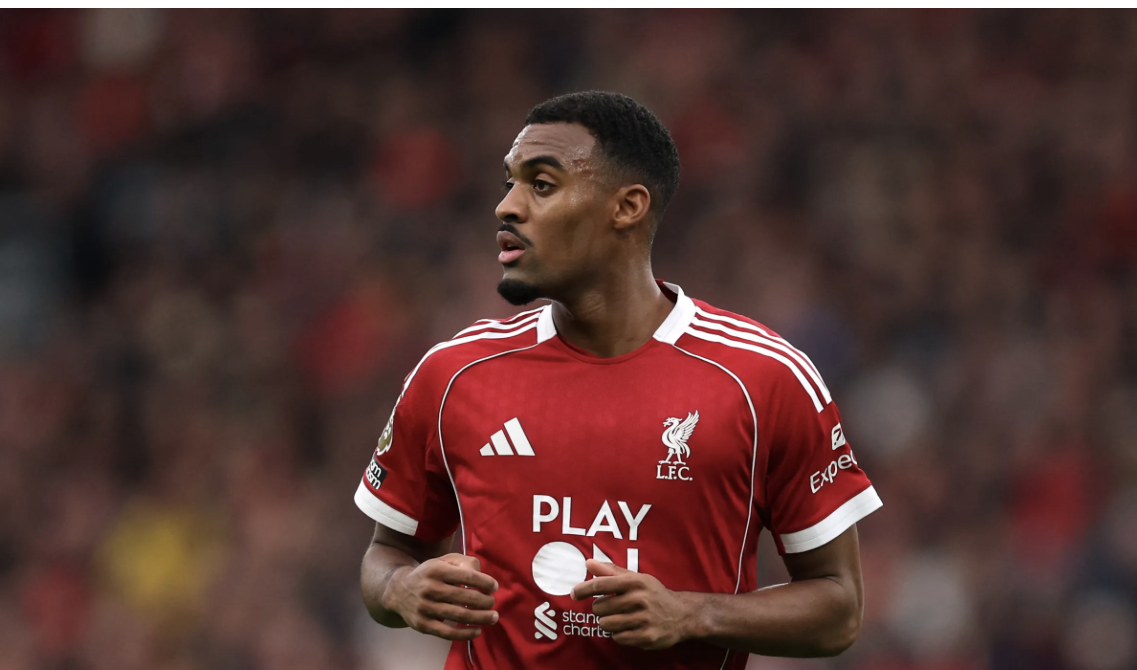
Gravenberch’s Red Card Sparks Referee Row in Liverpool’s Defeat to City

Moise Kean Will Miss Como’s Biggest Game of the Season After Cesc Fabregas Clashed With Italy’s Doctors
Oliver Glasner Returned to Crystal Palace and Fans Turned From Applause to Taunts as Forest Lost
Vinicius Red Card for Hair Pull Leaves Mourinho Snubbing the Press
Trending on Futbol Chronicle
Arab football federations back Gianni Infantino as FIFA president faces growing opposition
Michael Carrick points to lack of sharpness after Manchester United draw with West Ham
Mikel Arteta backs ‘warrior’ Bruno Guimarães to make Arsenal stronger
Josef Martinez Returns to MLS Spotlight With Columbus Crew Signing