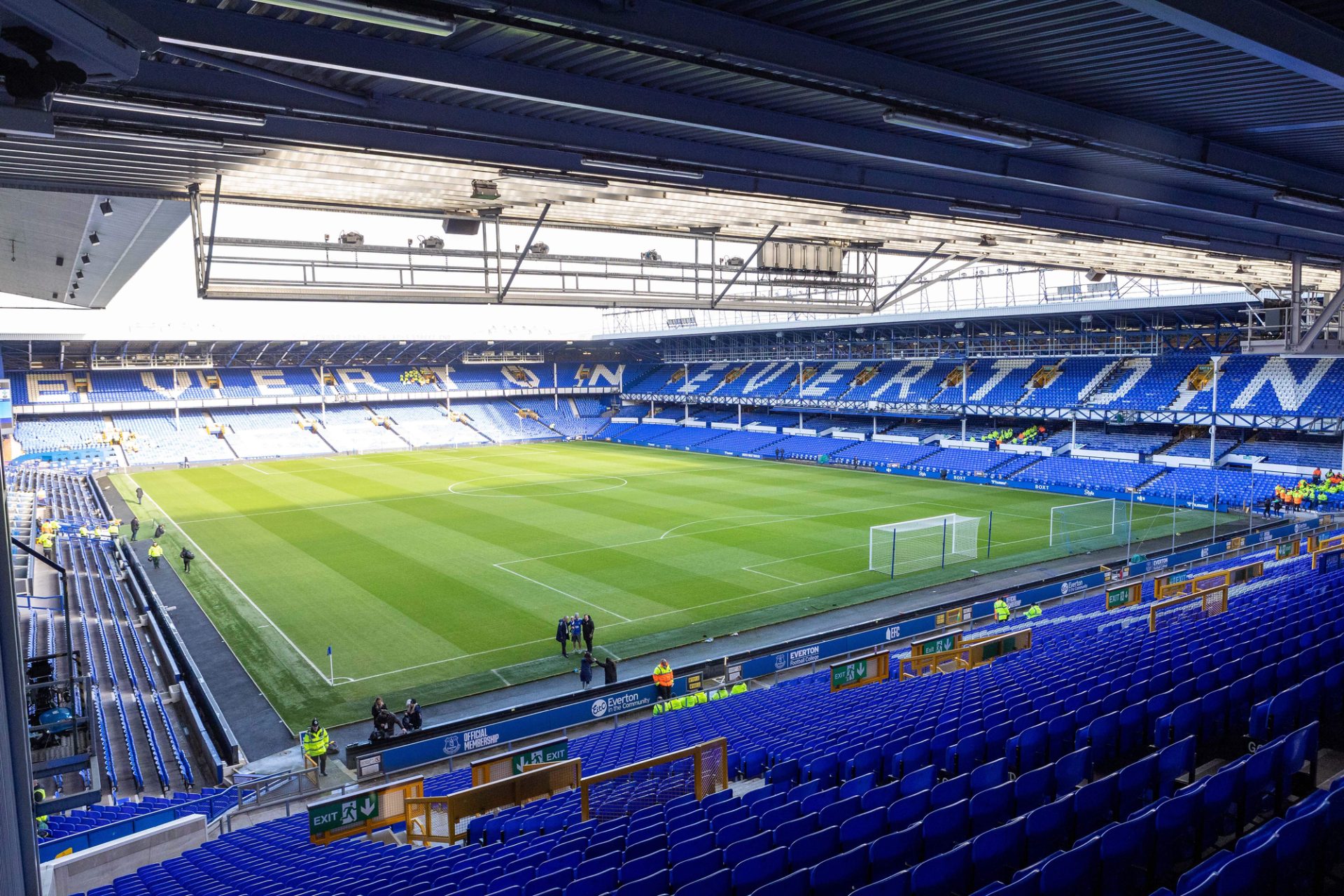
Hydration Breaks Become Tuchel’s Secret Weapon
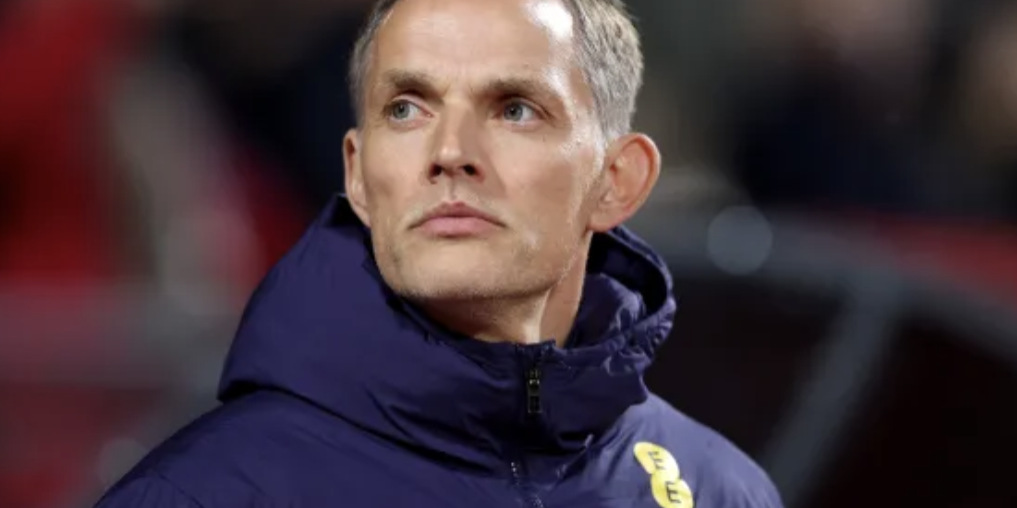

Table of Contents
Every match at this World Cup stops twice, once in each half, for a mandatory three-minute hydration break. Fans in the stands have booed the interruption at stadium after stadium. Thomas Tuchel has used it to talk to his players.
That contrast sits at the heart of one of the quieter storylines of this World Cup, according to Sky Sports’ review of the tournament’s standout themes so far. The breaks were introduced for player safety in the North American heat, but they have changed the way matches are coached in real time, handing every manager two extra windows per game to reach their players directly. England, more than most sides left in the competition, have used those windows to their advantage.
A break built for the heat, used for the tactics
FIFA president Gianni Infantino has defended the breaks throughout the tournament, casting them as more than a concession to temperature. “We determined, well before the tournament, that every game should have hydration breaks, so that every team throughout the tournament has exactly the same conditions,” he said, adding that the pause “gives a lot of energy back,” especially in the closing stages of matches.
It was the clearest sign yet that FIFA sees the stoppages as a permanent fixture rather than a one-off response to hot conditions in Mexico and the southern United States. Defensive teams get a chance to reset mid-half. Struggling sides can be redirected by their bench. And England, with Tuchel prowling the technical area, have leaned into the moments more than any other side still standing.
The heat has been real enough on its own terms. It has been a hot North American summer throughout the tournament, and three matches have needed separate weather delays on top of the standard hydration stoppages, with Mexico’s games against Ecuador and England both pushed back an hour and France’s meeting with Iraq held up for two hours at half-time amid storms. England’s own last-16 tie with Mexico at the Azteca Stadium was pushed back by a thunderstorm before kick-off, setting the stage for a night when Tuchel needed every tool available to manage his players through fatigue, altitude and a red card.
Building a mentality out of adversity
The match itself showed why Tuchel needed every management tool at his disposal. Declan Rice drove England forward on the counter in the 36th minute before Bukayo Saka’s cross found Jude Bellingham to head in the opener, and England scored again just 98 seconds later when Bellingham bundled in from a Kane pass. Mexico hit back through Quinones from a free-kick before half-time. Quansah’s red card arrived early in the second half, Kane then converted a penalty after Anthony Gordon was brought down, and Raul Jimenez pulled one back from the spot after Kane himself was penalised on review. England held on through 11 minutes of stoppage time to complete the win.
That 3-2 result, secured with 10 men for the final 35 minutes after Quansah’s dismissal, has come to define how Tuchel talks about his squad. Sky Sports’ David Richardson, reporting from the Azteca, put it plainly: how will England be beaten? Level with Croatia in the group phase, behind against DR Congo, and reduced to 10 men in Mexico City, Tuchel’s side has found a way through problems that might have ended other campaigns.
Tuchel himself described the mentality he saw from his players that night. “When the going gets tough, they never give up, they never lose belief,” he said afterwards. He was candid, too, about the gaps in his side’s performance even in victory, admitting there is still a “disconnect” in spells of England’s play that will need fixing before the tournament progresses further. But he was unequivocal about what the team produced under pressure. “We overcame so much adversity today. Full credit. I’m very proud. A crazy match in a crazy atmosphere, and we were up against all odds.”
He did not hold back on the officiating either, after a stoppage-time review disallowed what would have been a foul in the build-up to Mexico’s second penalty appeal. “It’s just not good enough,” he said. “Referees are just not good enough. Fourth officials are just not good enough. It’s the bottom line.”
Two extra timeouts, one clear beneficiary
What separates England from sides who have simply endured the hydration breaks is how visibly Tuchel uses them. Sky Sports’ broader review of the tournament singled out England’s bench for making the most of the moments, describing the German head coach’s instructions in the stoppages as frantic and pointed. In a format where games are effectively split into four segments rather than two halves, that extra layer of communication has become one more advantage for a team that has already shown it can win ugly.
It has not always been pretty to watch. Boos have rung out midway through halves in stadiums across the tournament, with supporters making clear they see the breaks as an unwelcome interruption, most of all in the air-conditioned stadiums where the heat argument counts for less. Whether the breaks survive beyond this World Cup remains an open question for FIFA to answer once the tournament ends. For now, though, they are part of the competition’s fabric, and Tuchel has treated them as such.
A tournament that slows down and speeds up at the same time
The hydration breaks sit oddly alongside a set of other changes at this World Cup that have been designed to keep the game moving. There have been fewer instances of physios coming onto the pitch this tournament, with a new rule meaning any player who receives treatment has to spend a minute on the sidelines regardless. Substitutes have been sprinting off the pitch to avoid picking up a yellow card for taking longer than 10 seconds to leave the field, and goal-kicks and throw-ins have been overturned when players fall foul of a five-second countdown.
New offside technology, which involved every player at the tournament being body-scanned before the competition, has also sped up decision-making, with an audio alert sent to assistant referees whenever a player is more than 10cm offside so they do not need to delay raising their flags. It was not perfect. Switzerland were awarded a penalty that put them ahead against Qatar in the group stage after the system did not work as intended, though Qatar leveled late for a 1-1 draw. But it represented one of several innovations that have tried to compress the time spent waiting for decisions, even as the mandatory hydration stoppages add minutes back in at the other end of the same matches.
For a manager like Tuchel, the mix of new rules cuts both ways. Faster decision-making from the assistant referees and quicker restarts mean less dead time to organise his players in open play. The hydration breaks, precisely for being non-negotiable and scheduled rather than reactive, have become the one guaranteed moment in each match when he can gather his thoughts and pass them on before the game restarts.
What it means heading into the quarter-final
England now turn to Norway on Saturday in Miami, a fixture that will bring its own heat and its own stoppages, with a thunderstorm already forecast around kick-off time. Erling Haaland, who has scored twice in a knockout win over Brazil to reach the last eight and sits level with Mbappe on seven goals for the tournament, one behind Messi’s tournament-leading eight, will provide a different kind of test to anything Tuchel’s side faced against Mexico. But if the pattern of this tournament holds, expect the German head coach to use both stoppages to keep his players focused, just as he has done in each of England’s five matches so far.
Whatever happens in Miami, the pattern set over the past month is unlikely to change. FIFA has shown no sign of scrapping the hydration breaks midway through the knockout stage, and Tuchel has shown no sign of wasting them. For a manager whose side has needed a red card, a delayed kick-off and 11 minutes of stoppage time just to get out of the last 16, two guaranteed pauses in every match could turn out to be exactly the kind of small advantage that ends up counting for the most.
Quansah’s suspension means he will not be involved against Norway, adding to a defensive reshuffle that already has England short of options at right-back. Jordan Henderson remains in hospital after fracturing his wrist in the post-match celebrations in Mexico City and will play no further part in the tournament. Against that backdrop, the small margins Tuchel can find in a three-minute stoppage could count for more than ever.
Whether England go on to lift the trophy on July 19 or not, this tournament has already shown how one manager turned a rule designed to protect players from the heat into another way of managing the biggest games of his career.
It is a small piece of the wider puzzle Tuchel has assembled with this England squad, built alongside the resilience shown at the Azteca and the willingness to make big calls under pressure, such as the switch to a back five that saw out the Mexico win. None of it guarantees anything against Norway. But two guaranteed stops in the action, in a tournament that has otherwise tried to shave seconds off every restart, are as good a place as any for a manager to leave his mark on a match before it has even finished.

Leave a Comment
More in News

Trent Alexander-Arnold Returns to the England Squad for the First Time in Over a Year, and Cole Palmer Is Back Too After Their World Cup Snub

Gabriel’s Boot Caught Emiliano Martinez in the Head, and a Five-Person Premier League Panel Ruled It Was Never a Red Card

Floyd Samba Scores a Debut Double as a Teenager

Tottenham Spent £300m This Summer and Have Not Scored in Four Premier League Games for the First Time in the Club’s 144-Year History

Cyle Larin Scored Once in 15 Games on a Failed Feyenoord Loan, and Is Now Outscoring Kylian Mbappe and Erling Haaland at Southampton
Trending on Futbol Chronicle
The Best Soccer Players of All Time: The 10 Greatest Ever Ranked
What Is The Club World Cup?
Celta Vigo postpones LaLiga opener after fungus outbreak damages stadium pitch
Michael Carrick admits Manchester United have “no excuses” after AC Milan defeat