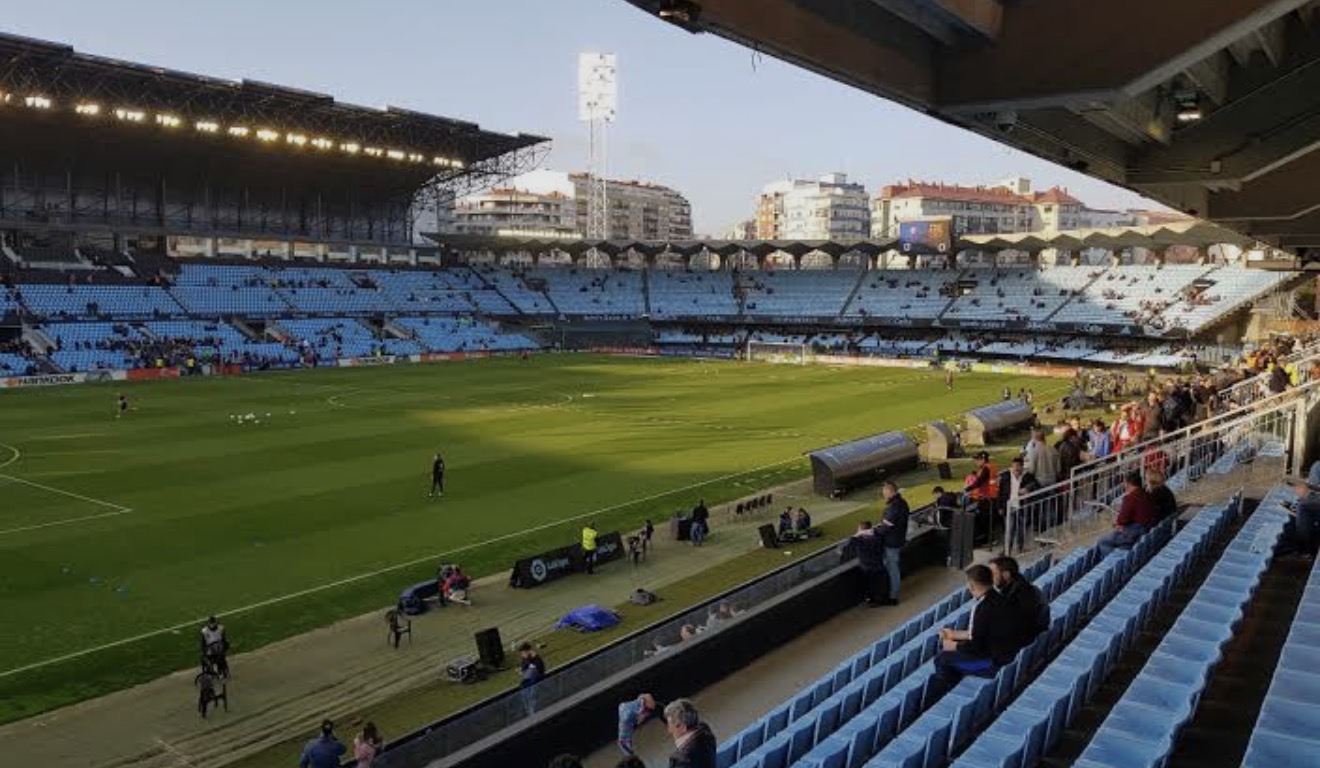
Messi Defies Time Again For Argentina
Table of Contents
Lionel Messi’s tears at full time in Atlanta told two stories at once. There was joy: Argentina had somehow turned a two-goal deficit against Egypt into a 3-2 win and a place in the World Cup quarter-finals. And there was relief. For long stretches of that last-16 tie, the 39-year-old had looked like a man running out of road.
A day earlier, Cristiano Ronaldo had walked away from his own World Cup for the final time after Portugal’s exit to Spain. For most of Tuesday night, it seemed Messi might follow his old rival out of the competition on the very next matchday. Instead, Argentina’s captain found a way through, and the manner of it said as much about him as the outcome did.
A miserable opening hour
Egypt led inside 15 minutes through a Yasser Ibrahim header, and Messi’s response was a penalty saved by goalkeeper Mohamed Shobeir in the 21st minute. It made him the first player to miss two penalties at a single World Cup, having already missed one earlier in the tournament. What followed was scrappy by his usual standards: passes underhit, a free-kick blazed over the crossbar, a shot that ballooned harmlessly high and wide.
Egypt’s Mostafa Zico had a goal ruled out just after the hour for a foul on Lautaro Martinez, but the reprieve was temporary. Zico beat Martinez to the ball moments later and finished to make it 2-0 to Egypt in the 67th minute. At that point, with just over 20 minutes left, Argentina’s title defence was staring at an early exit, and Messi was being caught in possession and bundled off the ball with a regularity that spoke to his struggles rather than Egypt’s brilliance.
The switch that turned the game
The change that mattered most was not tactical shouting from the touchline but a simple positional shift. When Martinez replaced Rodrigo De Paul, Messi found room out on the right, away from the crowded centre of the pitch where Egypt had spent the evening closing him down. Out wide, he suddenly had space to receive the ball and time to pick a pass.
The comeback arrived in a 13-minute burst that will be replayed for years. In the 79th minute, Messi’s cross was turned in by Cristian Romero to make it 2-1. Soon after, he went on a mazy dribble between three Egyptian defenders that almost teed up Martinez for an equaliser. Then, in the 83rd minute, came his own goal: a half-volley struck with perfect technique from just inside the box, too good for Shobeir to do anything but push into his own net. Argentina were level, and the momentum had swung entirely.
Enzo Fernandez completed the turnaround with a header in the second minute of stoppage time, sending Argentina’s bench and their travelling supporters into scenes of pure disbelief. Three goals in 13 minutes had turned near-elimination into one of the great World Cup comebacks.
Sky Sports’ own data told the story of Messi’s evening in miniature. A touch map from the match showed how his involvement shifted once he moved into that right-sided pocket, with far more of his second-half touches coming in the right channel than anywhere else on the pitch, a pattern that had barely featured in the opening hour. The tactical tweak and the individual moment of brilliance had arrived from exactly the same source.
Keane hails the streetfighters
Watching from the ITV studio, Roy Keane did not hold back in his admiration for what he had just seen. “These guys are streetfighters. They will not give up,” he said. “I loved it. Amazing game. The quality of Argentina’s goals were amazing.”
It is hard to disagree with the assessment. Egypt had matched Argentina for large parts of an hour and led by two goals with just over 20 minutes remaining, a position from which very few teams at any World Cup have gone on to lose. Hossam Hassan’s side had defended with real discipline and looked capable of springing one of the shocks of the tournament, only for a substitution and a rediscovered Messi to change the complexion of the match entirely inside a handful of minutes.
It was a fitting description of a team that has now trailed and recovered more than once on its way through this tournament, with Messi at the heart of both the problem and the solution against Egypt. He missed two penalties in the space of a fortnight, then produced an assist and a goal in the same ten-minute spell to save his side’s campaign.
Next up: Switzerland
Argentina’s reward is a quarter-final against Switzerland in Kansas City, a side who reached the last eight for the first time 72 years after hosting the tournament in 1954, beating Colombia on penalties to get there. The Swiss have built their run on discipline and defensive organisation rather than individual quality, a profile that will ask different questions of Messi than an Egypt side who, for an hour, matched Argentina for intensity if not for control.
Should Argentina win, they would move into the semi-finals with a chance to become the first team to retain the World Cup after Brazil last did it in 1958 and 1962. That context makes every performance from Messi between now and the end of the tournament count for more, and it is why Tuesday’s collapse and recovery mattered so much. A defeat to Egypt would have ended the defence of the trophy before the last eight had even begun.
A career still writing new chapters
Messi’s career has long run in parallel with Ronaldo’s, two men chasing the same records and the same trophies for the best part of two decades. Ronaldo’s World Cup story ended in Spain’s 1-0 win over Portugal, with Mikel Merino’s goal proving decisive and manager Roberto Martinez confirming afterwards that the 41-year-old had played his last game at the tournament.
Messi’s story goes on, at least for another week. His performance against Egypt was not the imperious display supporters have come to expect from him at his best. It was messier than that: a missed penalty, a string of misplaced passes, and a first hour in which Argentina looked short of ideas. But when it mattered, in the position that suited him and against tiring opposition, he produced the assist and the goal that kept the holders alive.
Whether he can do it again against a Swiss side built to frustrate is the next question. For now, Argentina’s captain has bought himself and his team-mates more time in a tournament they still believe they can win again.
The margins in this Argentina side remain thin. They needed a stoppage-time header just to survive Egypt, and it followed a first half in which their captain missed a penalty and misplaced pass after pass. Reaching the quarter-finals as world champions carries an expectation that every match should be comfortable, and this one was anything but. That could say as much about the depth of this World Cup field as it does about any specific weakness in Argentina’s squad, but it leaves little room for another slow start of the kind that so nearly cost them against Egypt.
A different kind of test
If Egypt tried to overwhelm Argentina with intensity for an hour, Switzerland present the opposite problem entirely. Murat Yakin’s side went the full 120 minutes against Colombia without scoring, managing only two shots on target across the whole match before winning the shoot-out 4-3. It is a team built on structure rather than star power, and Sky Sports’ Laura Hunter noted after their win that captain Granit Xhaka “often has a command of the middle third but won’t be able to shackle Lionel Messi single-handedly.”
That is precisely the challenge facing Argentina now. Beating a team that presses high and leaves gaps, the way Egypt did before their late collapse, asks different questions to breaking down a side that sits in and defends in numbers. Messi’s move to the right flank against Egypt worked with space to exploit in behind a back line committed to attack. Switzerland are unlikely to offer the same invitation.
There is also the physical cost of Tuesday’s comeback. Chasing a game for over an hour against a side playing with real intensity takes something out of any squad, and the turnaround before the last eight begins is short. Messi’s own display swung from anonymous to decisive inside the same match, and Argentina will hope the version that produced the assist and the goal in the final quarter of an hour is the one that turns up again rather than the one that missed a penalty and misplaced pass after pass in between.
At 39, Messi is already older than any outfield player would traditionally be expected to influence a World Cup quarter-final in such a direct way, and the toll of Tuesday’s match was visible in every one of those misplaced early passes. Yet the numbers by full time told a different story: a goal, an assist, and a place in the last eight secured almost single-handedly after Argentina had been on the brink of an early flight home. Few players in the history of the sport have combined visible human fallibility with match-defining brilliance in quite the way Messi did against Egypt.

Leave a Comment
More in News

Thierno Barry Was Filmed Crying In A Private Training Session Last Season, And He Has Already Scored In Three Games This Campaign
Gravenberch’s Red Card Sparks Referee Row in Liverpool’s Defeat to City

Moise Kean Will Miss Como’s Biggest Game of the Season After Cesc Fabregas Clashed With Italy’s Doctors
Oliver Glasner Returned to Crystal Palace and Fans Turned From Applause to Taunts as Forest Lost
Vinicius Red Card for Hair Pull Leaves Mourinho Snubbing the Press
Trending on Futbol Chronicle
What Is Offsides in Soccer? The Offside Rule Fully Explained
The Best Soccer Players of All Time: The 10 Greatest Ever Ranked
What Is The Club World Cup?
The Best World Cup YouTubers to Follow in 2026