
Switzerland End 72 Year Quarter Final Wait
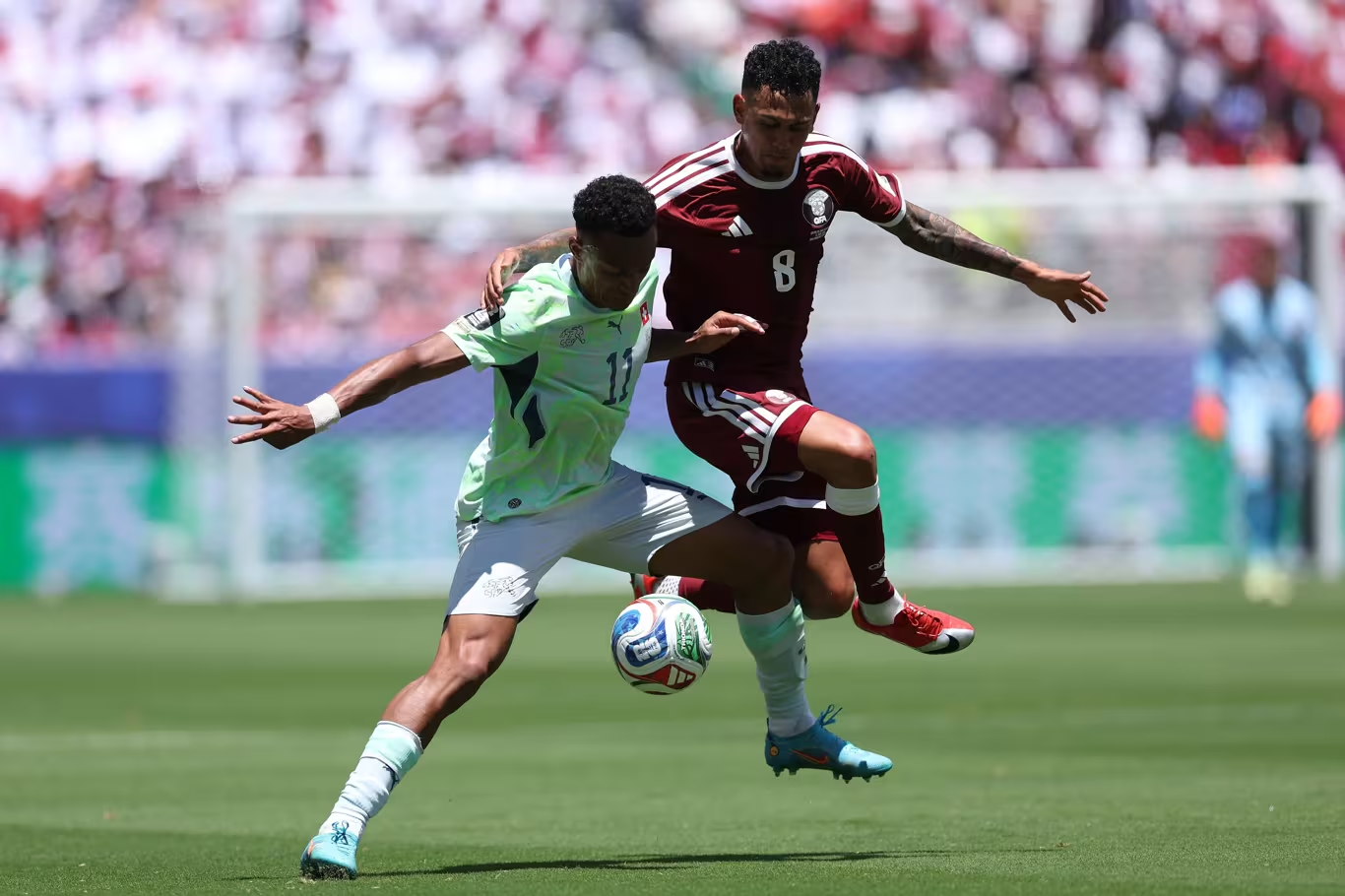
Table of Contents
Somewhere in Vancouver on Tuesday night, a Swiss team that had managed just two shots on target in 131 minutes of football found itself celebrating a place in the World Cup quarter-finals for the first time in 72 years, going back to when the tournament was last held on home soil in 1954. Ruben Vargas’s penalty settled a shoot-out that Colombia will feel they did not deserve to lose, but Switzerland will not care about the manner of it. They are through, and they face defending champions Argentina next.
A goalless grind settled by penalties
The last-16 tie in Vancouver never threatened to be a classic. Colombia’s Gustavo Puerta forced an early save from Gregor Kobel, Fabian Reider blazed a Swiss chance straight at Camilo Vargas, and Jhon Lucumi crashed a header against the crossbar deep into extra time. Jaminton Campaz then somehow put the game’s clearest opening wide with the goal gaping. Beyond those moments, 120 minutes produced remarkably little, and Sky Sports described Switzerland’s approach play as shot-shy, noting their last effort on target had arrived as early as the 32nd minute.
The shoot-out swung on fine margins. Colombia’s Davinson Sanchez missed first, but Switzerland’s Manuel Akanji then skied his own attempt over the crossbar to hand the initiative back. Kobel produced the decisive save of the shoot-out, denying Cucho Hernandez, before Vargas stepped up to score the winning kick and send his side through 4-3 on penalties. It was, in the words of Sky Sports’ Laura Hunter, Switzerland’s first ever World Cup shoot-out victory.
Hard luck for Colombia
There was little to separate the sides on the balance of play. Colombia’s approach in front of a partisan crowd in Canada was, by Sky Sports’ assessment, far more adventurous and expansive than their more conservative European opponents, but they lacked a finisher when it counted most and paid for it in the cruellest way knockout football can offer. Their tears at full time reflected a campaign of real promise that ended not through being outplayed but through the lottery of a shoot-out.
Colombia’s run to the last 16 had itself been built on a narrow win, beating Ghana 1-0 in the round of 32 thanks to a Jhon Arias goal that set up the meeting with Switzerland in Vancouver in the first place. That victory carried them into a tie against a Swiss side who, for all their limitations in front of goal, have shown themselves capable of grinding out results even when the football on show is far from spectacular. It is exactly the kind of pragmatic, low-event contest that tends to reward patience and clean penalty-taking over open, expansive play, and on Tuesday it was Switzerland who found both.
Seventy two years in the making
The scale of what Switzerland have achieved only becomes clear with a little history. Switzerland hosted the World Cup in 1954, and their run that summer ended at the quarter-final stage in one of the most remarkable matches the tournament has ever produced. Switzerland raced into a 3-0 lead inside the opening 20 minutes against Austria in Lausanne, with Robert Ballaman opening the scoring before Josef Hugi added a quick two goals of his own. Austria then recovered to win 7-5 in front of 35,000 fans at the Stade Olympique de la Pontaise, a scoreline that remains the highest-scoring match in World Cup history to this day. Switzerland have not been back to a World Cup quarter-final in the seven decades that followed, missing out or falling short in the last 16 time after time.
That drought is now over. Murat Yakin’s side beat Algeria 2-0 in the round of 32, a result Sky Sports described as their first World Cup knockout win in 88 years, before edging past Colombia in the round of 16 without scoring a single goal across 120 minutes. It is not a route defined by attacking fireworks, but it has been effective, and it has delivered Switzerland’s first World Cup quarter-final appearance in more than seven decades.
Now comes Argentina
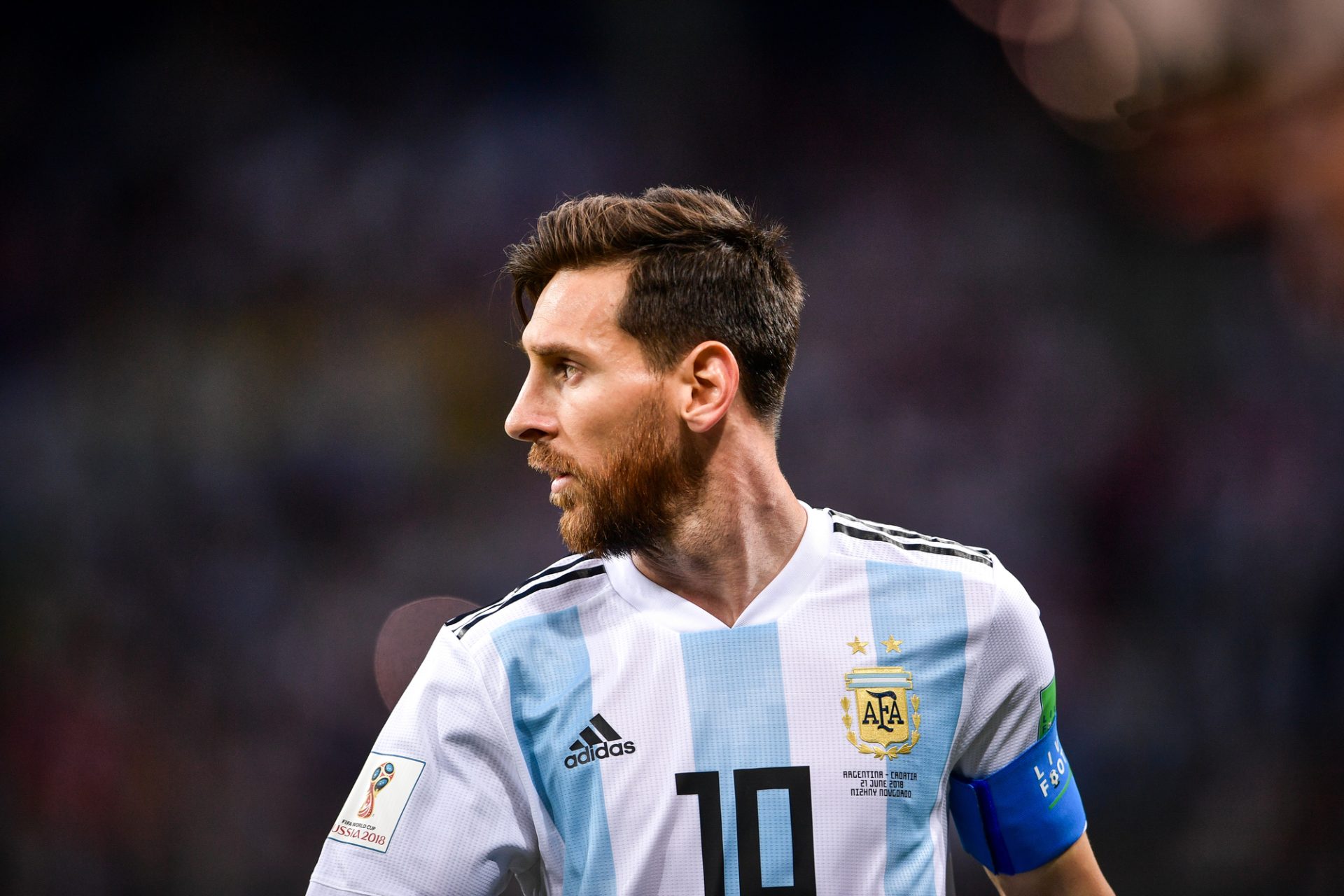
The reward, and the challenge, is a quarter-final against Argentina in Kansas City. The holders needed a stoppage-time goal from Enzo Fernandez to complete their own comeback from two goals down against Egypt on the same night, with Lionel Messi scoring and assisting inside the final quarter of an hour to drag Argentina through. It sets up a contrast in styles: a Swiss side built on solidity and consistency against a team of individual brilliance chasing back-to-back World Cup titles for the first time by anyone after Brazil managed it in 1958 and 1962.
Sky Sports’ Laura Hunter, reflecting on how Switzerland might approach the tie, wrote that their campaign “has been less about high-profile stars and more about solidity and consistency,” adding that it is “hard to argue” with a method that has got them this far. But she also sounded a note of caution about facing Messi’s Argentina, observing that captain Granit Xhaka “often has a command of the middle third but won’t be able to shackle Lionel Messi single-handedly.”
Key men carry fitness concerns
Switzerland will need more from two players who were only bit-part figures against Colombia. Midfielder Johan Manzambi missed the last-16 tie altogether, while Vargas himself played a limited role before stepping up to convert the decisive penalty. Both are expected to be pushed back into central roles for the visit of Argentina, with Yakin needing his most talented players fit and firing if Switzerland are to have any realistic chance of matching a team with the pedigree and quality of the world champions.
Goalkeeper Gregor Kobel deserves particular credit for Switzerland reaching this stage at all. His save from Cucho Hernandez in the shoot-out proved decisive, and it followed a tournament in which he has repeatedly kept his side in matches they might otherwise have lost. With so little goalscoring threat from open play across the last two rounds, Switzerland’s route through the knockout stages has leaned heavily on their goalkeeper standing tall at the moments that matter most, and there is little reason to think that pattern will change against Argentina.
The bare statistics from Vancouver hint at how far Switzerland’s run has departed from the eye-catching. Two shots on target across 131 minutes is not the record of a team many would have tipped to reach the last eight before the tournament began. But knockout football rewards those who survive as much as those who play the eye-catching football, and Switzerland have now done that twice in a row, first against Algeria in the round of 32 and then against Colombia in the round of 16.
What comes next
Nobody inside the Swiss camp is under any illusion about the size of the task that awaits them in Kansas City. Argentina go into the tie as reigning champions, and they possess in Messi a player capable of turning a game on his own in the space of ten minutes, as he proved against Egypt. Switzerland’s route to a positive result is likely to look much as it did against Colombia: disciplined defending, patience without the ball, and a willingness to take their chances in the biggest moments, wherever those moments happen to fall. It is a low-risk gameplan against a team that lives on individual moments of quality, and it will need to hold for at least 90 minutes, and possibly longer, if Switzerland are to spring the upset.
What is certain is that Switzerland have already rewritten a piece of their own football history. Seventy two years after that 7-5 defeat to Austria ended their home World Cup, a new generation of Swiss players has finally taken the team back to the quarter-final stage. Whatever happens against Argentina, that achievement now belongs to Yakin’s squad alone.
There is a symmetry to the fact that it took a penalty shoot-out, of all things, to finally end the wait. Switzerland’s football culture has long been associated with discipline and structure rather than flair, and Tuesday’s win over Colombia was the purest expression of that identity yet: two shots on target across two hours of football, a goalless draw, and victory delivered from 12 yards rather than open play. Whether that same approach can trouble a team with the individual quality of Argentina remains to be seen, but Switzerland have already proved doubters wrong once this tournament. They will fancy their chances of doing it again in Kansas City.
Few outside the Swiss camp gave them much hope of getting out of the group stage when the draw was made, let alone reaching the last eight. A team assembled mostly around domestic Swiss and mid-table European club football has now outlasted sides with considerably more individual star power, a reminder that international tournaments do not always reward the teams with the most recognisable names on the team sheet. Switzerland have made their name at this World Cup through patience rather than spectacle, and there is no reason for them to change that formula now, whatever the size of the opponent standing in front of them.

Leave a Comment
More in News

Thierno Barry Was Filmed Crying In A Private Training Session Last Season, And He Has Already Scored In Three Games This Campaign

Gravenberch’s Red Card Sparks Referee Row in Liverpool’s Defeat to City

Moise Kean Will Miss Como’s Biggest Game of the Season After Cesc Fabregas Clashed With Italy’s Doctors

Oliver Glasner Returned to Crystal Palace and Fans Turned From Applause to Taunts as Forest Lost
Vinicius Red Card for Hair Pull Leaves Mourinho Snubbing the Press
Trending on Futbol Chronicle
What Is The Club World Cup?

Michael Carrick points to lack of sharpness after Manchester United draw with West Ham
Mikel Arteta backs ‘warrior’ Bruno Guimarães to make Arsenal stronger
The Best Soccer Players of All Time: The 10 Greatest Ever Ranked