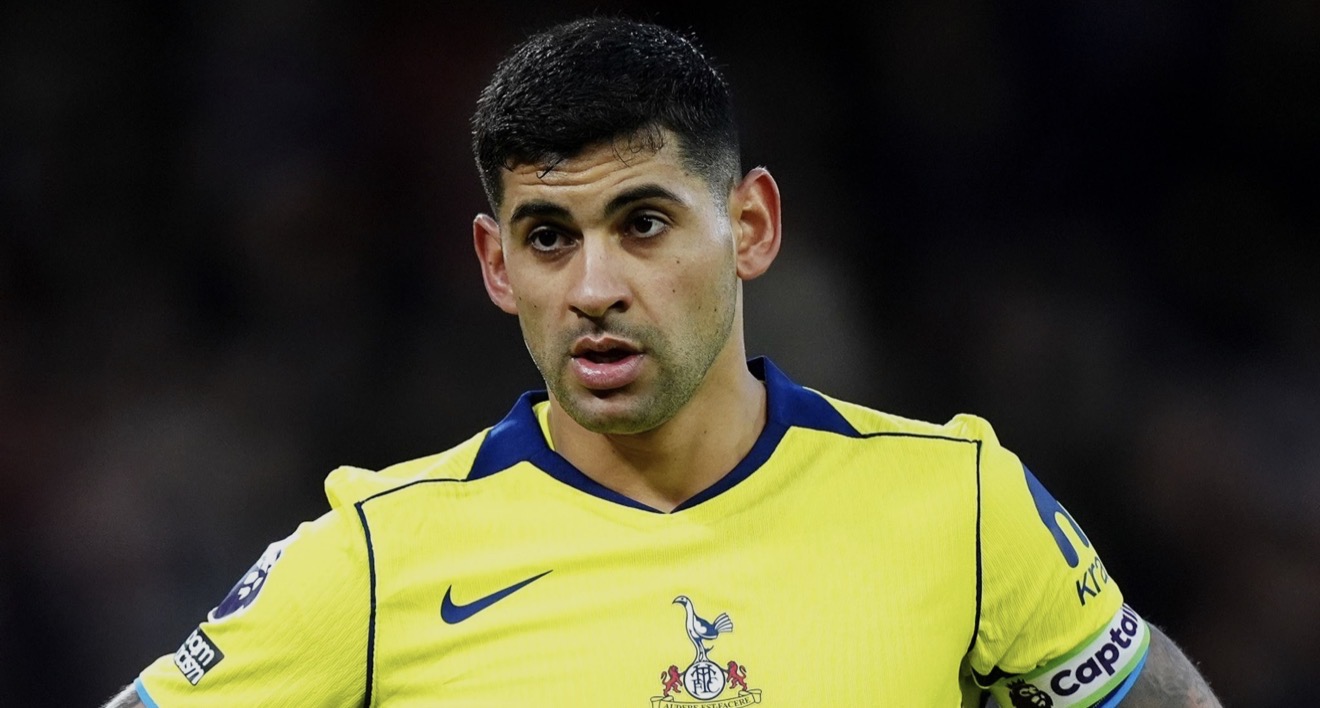
Arteta Turns to NASA, Google and Apple to Fix Arsenal’s Injury Problem
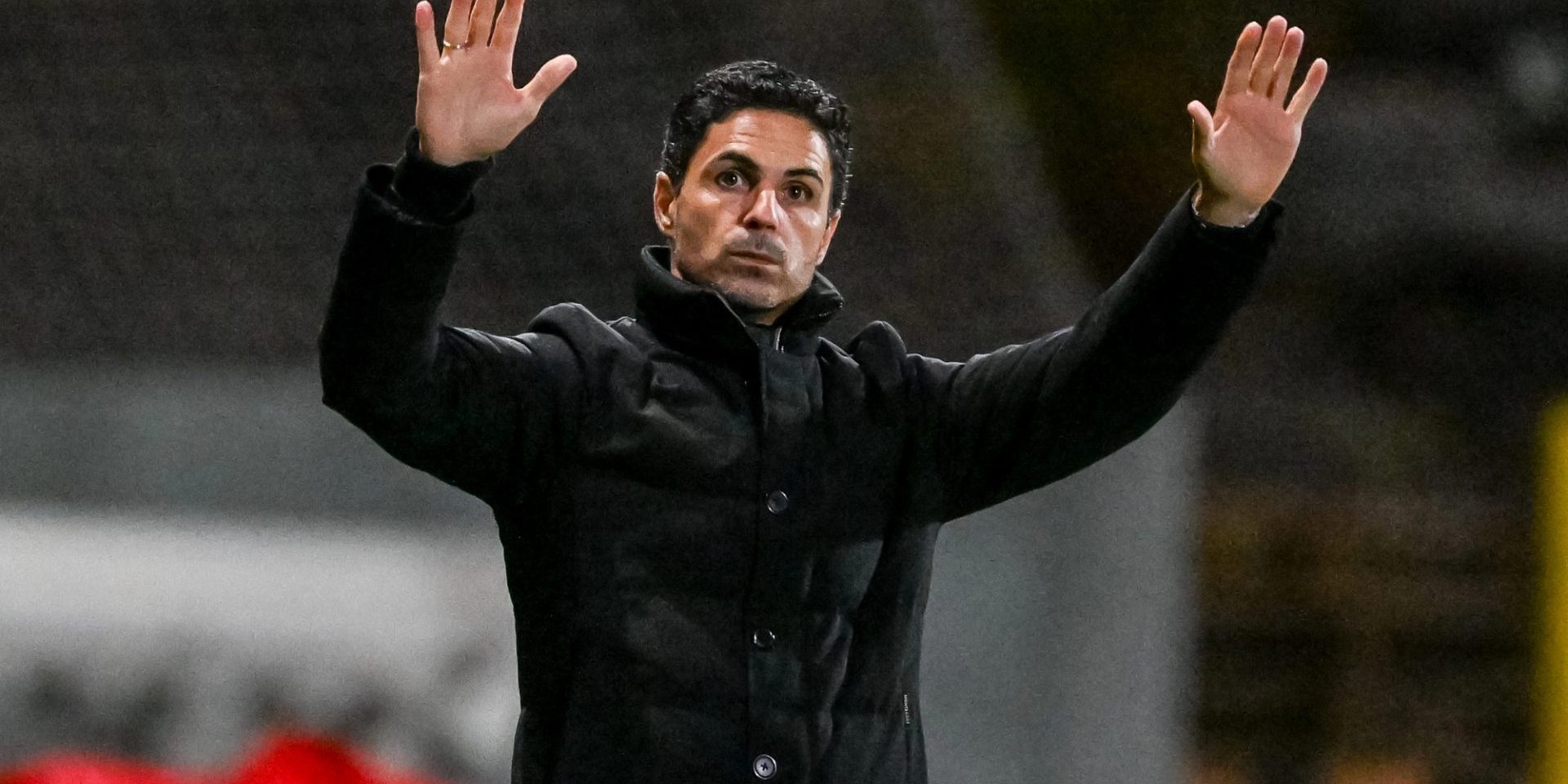

Table of Contents
- Arsenal staff approached NASA about ACL rehabilitation, drawing on its research into how the body copes with reduced gravity, per Daily Mail.
- Google was consulted on injury data and Apple on wearable tech such as the Apple Watch.
- Bukayo Saka’s thigh strain is his 11th injury in just over two years, and Arsenal had logged 95 injuries between the start of 2024-25 and December 2025, second only to Brighton in the Premier League.
Why Arsenal Went Looking Beyond Football for Answers
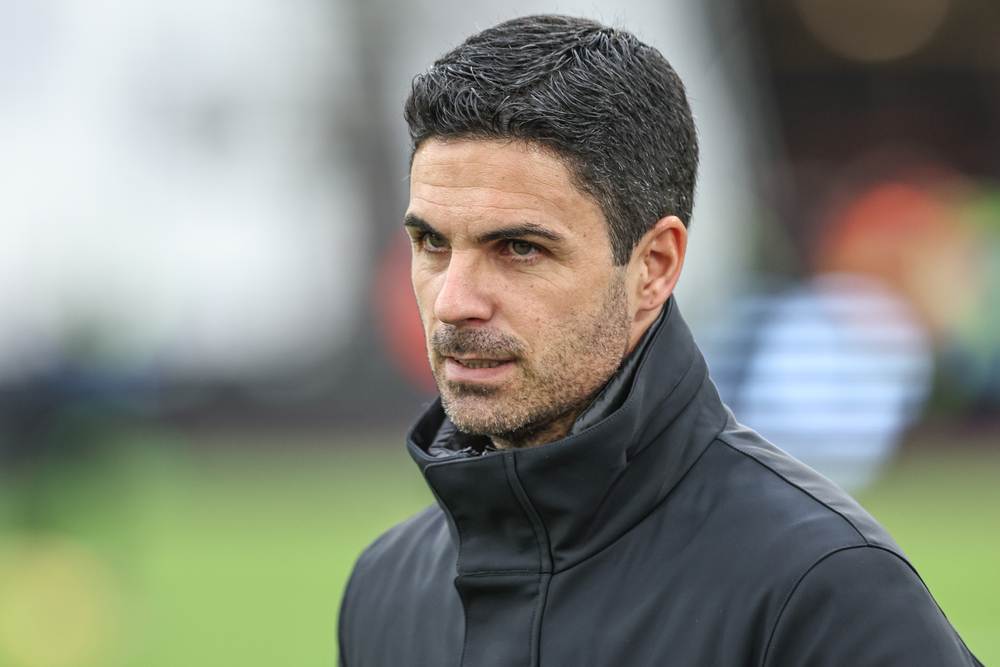
Mikel Arteta has chased marginal gains at Arsenal for years, and his latest search has taken him to space. Arsenal staff reached out to NASA about ACL injuries, to Google about data and to Apple about wearables, all aimed at cutting the number of injuries and speeding up recovery. The push comes as Bukayo Saka, 25, faces four to six weeks out with a thigh strain suffered at Bayern Munich last month. It is his 11th injury in just over two years, dating back to September 2024. Injuries remain the one area Arteta has been unable to solve as he tries to defend the Premier League title.
What Arsenal Asked NASA, Google and Apple
Arsenal staff were tasked in recent seasons with contacting blue-chip companies in search of new ways to lower injuries and accelerate recovery. NASA was consulted on space physiology, specifically ACL injuries. In space, the reduced load on the body from lower gravity contributes to muscle atrophy and bone density loss, and NASA has carried out extensive research into what happens to the body in those conditions and how it responds back on Earth.
Arsenal believed the lessons could apply to ACL rehabilitation. The questions covered how much load an injured player should bear at each stage, how quickly that load should rise, how reduced-gravity exercise could let players return to running and loading movements earlier, and how to measure whether a player’s body is coping with the increased demands.
Google, one of the club’s official partners, is understood to have been consulted on data analytics. Its ability to process vast quantities of information could help identify patterns tied to injury risk, such as subtle changes in running mechanics or physical output. Apple was consulted on wearable technology to collect physical data on how players respond to training and rehabilitation, including Apple Watches tracking heart rate and exercise intensity. Arsenal’s global profile opens doors to world-leading organisations, which are often intrigued by the chance to work with a major sports side.
The Injuries Behind the Search
A slogan on the wall of Arsenal’s medical room reads: “Your best ability is availability.” Arteta has been fixated on cutting injuries from the 2022-23 campaign, when William Saliba’s absence cost Arsenal in the Premier League run-in. Rob Holding could not play the same high line as Manchester City hunted the Gunners down. The trouble around Saliba has not gone away: Arsenal confirmed in July that a World Cup back injury would keep him out for an extended period.
The ACL injuries hurt most. Jurrien Timber ruptured his ACL on his Premier League debut against Nottingham Forest in August 2023 and missed nearly nine months. Gabriel Jesus was out for 332 days after the same injury in January 2025. The 2024-25 season then fell apart when Jesus and Havertz were injured in January, leaving midfielder Mikel Merino to lead the line. Last term Havertz started just seven league games after damaging his knee ligaments in the opener at Manchester United.
The numbers back up the frustration. For the Champions League match against Club Bruges on 10 December 2025, seven players were out: Saliba, Gabriel, Cristhian Mosquera, Declan Rice, Havertz, Leandro Trossard and Max Dowman. That took Arsenal’s injury total to 95, excluding Rice’s illness, from the start of the 2024-25 Premier League season. Only Brighton had more, with 97.
A Rebuilt Medical Team and No Clear Verdict
Arsenal overhauled their medical staff last summer, starting with the appointment of Spanish physio Joaquin Acedo, a long-term Arteta associate from his Real Sociedad playing days more than two decades ago. Dr Arnaldo Abrantes, as head of medical services, and physiotherapist Carmen Marquez both arrived from Aston Villa. Eneko Angulo joined as head of player rehabilitation and Jose Jimenez as fitness coach.
Arsenal have not yet been hit as hard this season. Saliba and Saka, along with Christos Tzolis, Ben White and Mosquera, have all spent time out, and Eberechi Eze recently picked up an unspecified injury. Losing key players at key moments has irked Arteta most. He has also explored a radical rethink of Arsenal’s warm-up after earlier injury scares.
How well any of this works is difficult to measure, as injuries have many causes and some are out of the club’s control. Arsenal’s record in recent years still points to a disproportionate problem compared with other sides. Even after turning to NASA, Google and Apple, Arteta’s search for an edge shows no sign of stopping.

Leave a Comment
More in News

Solskjaer Backs Carrick but Says He Has Something Unresolved at Man Utd

Simon Jordan Says West Ham Had No Crisis to Justify Sacking Nuno

Moyes Leaves Grealish Out Twice but Insists There Is a Way Back

Ollie Watkins’ Family Leaves Saudi After Airport Missile Attack Kills 13
Nuno Sacked by West Ham After Six Wins in 13 Championship Games
Trending on Futbol Chronicle
Michael Carrick points to lack of sharpness after Manchester United draw with West Ham
Mikel Arteta backs ‘warrior’ Bruno Guimarães to make Arsenal stronger
The Best World Cup YouTubers to Follow in 2026
What Is The Club World Cup?