
Belgium Pledge to ‘Show Balls’ as Seattle Crowd Awaits World Cup Last-16 Clash
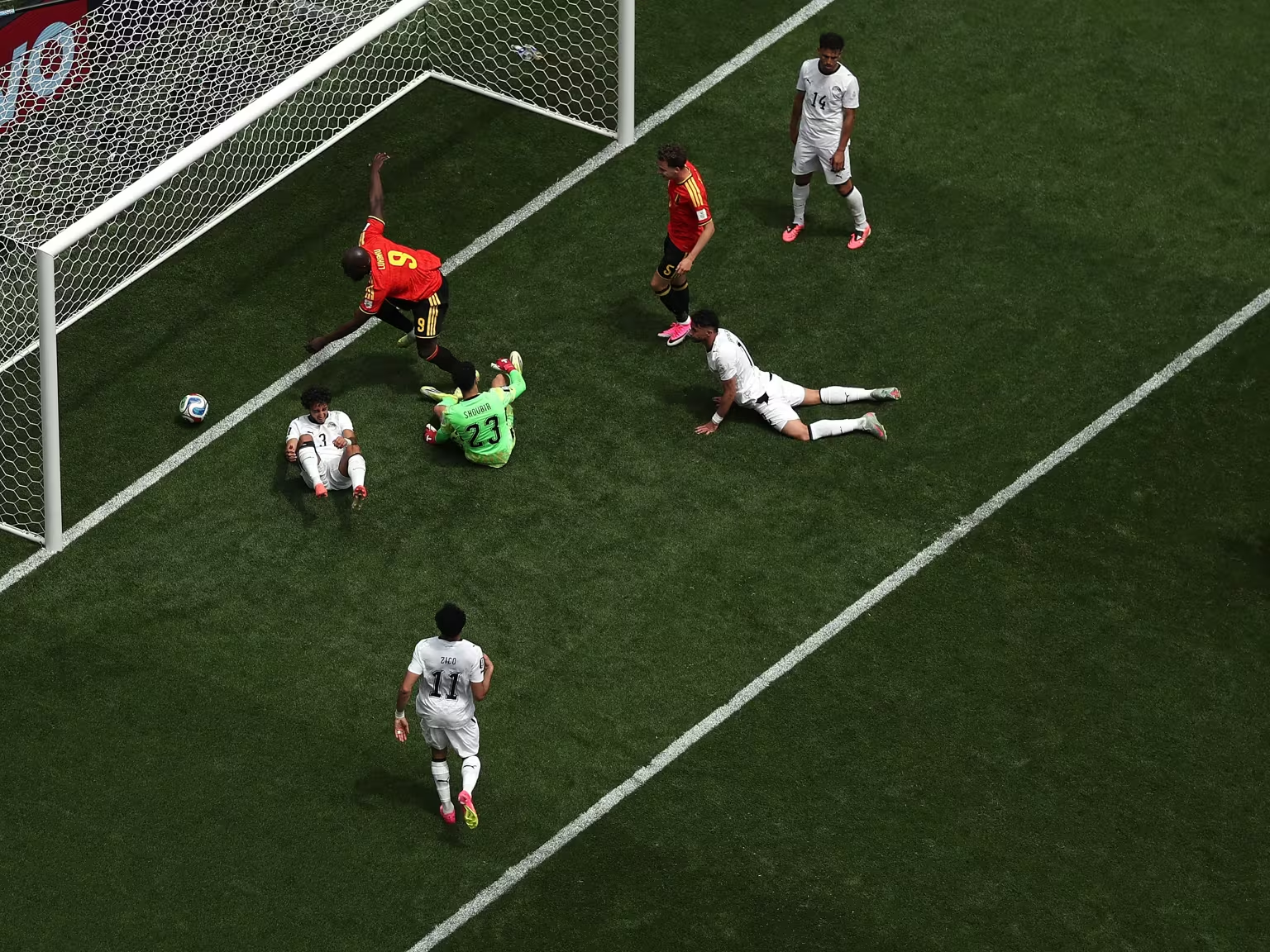
Belgium have been based in Seattle for the entirety of this World Cup. They know the city’s streets and the rhythms of its football crowds. On Monday they will find out what it feels like when every one of the nearly 67,000 supporters in the stadium is against them. The message from their players ahead of the last-16 match against the United States is simple: they are not afraid.
“I think we just have to… show balls on the pitch,” left-back Maxim De Cuyper said on Friday. “Try to play your own game. If you play against 80,000 supporters or with 80,000, you have to try to do the same.”
The Americans have enjoyed vocal, passionate support throughout this tournament. In Seattle, where just under 67,000 fans watched the USA defeat Australia in their second group game, the home crowd has been a genuine factor. Against Belgium, it will be louder still. A knockout match between the co-hosts and one of Europe’s strongest sides, played in the city where Belgium have been camped for weeks, carries a different kind of electricity.
Not every Belgium player views the atmosphere as a problem. Full-back Timothy Castagne offered a measured reading of what a boisterous home crowd actually means for the team wearing the visiting colours.
“As soon as it turns a little less good for them, [the crowd] can also turn against them, and they will have more pressure,” Castagne said. “So, I don’t have a problem, it doesn’t bother me. We play and we don’t hear what’s going on around the pitch. When we’re on the pitch, we’re a bit in our bubble.”
There is a version of events that bears out Castagne’s reading. The USA, playing in front of an expectant home crowd, will carry an expectation that Belgium do not. If the match is tight, if the USA fall behind or struggle to create, the anxiety in the stadium could transmit itself to the players. Belgium have been in enough big games to know how to turn that anxiety to their advantage.
They have also been in this specific fixture before, and recently. In March, Belgium met the USA in a friendly in Atlanta and won 5-2. It was not a close result. Dodi Lukébakio scored twice. Belgium were sharper, more clinical, and significantly more accomplished on the day.
The March result sits at the centre of Belgium’s preparations in a complicated way. On one hand, it demonstrates that Belgium can dismantle this USA side when they play well. On the other, both teams have changed a great deal in the months after Atlanta, and drawing conclusions from a friendly that finished 5-2 carries obvious risks.
Lukébakio, who scored twice in the rout, was direct about the limitations of what that result tells Belgium about what they will face in Seattle.
The USA, he said, “have been growing a lot” in the months that followed that friendly.
De Cuyper echoed that caution. He praised the performance of Belgium goalkeeper Senne Lammens in the Atlanta match, suggesting the scoreline was flattering and that without Lammens, things could have gone differently at moments. He also pointed to the number of players who were absent from the USA’s March squad.
“It was already being said back then that we might face the US at the World Cup,” De Cuyper said. “Of course, many players weren’t there at the time. But it is an advantage that we have already seen them. We are taking things away from it.” It remains to be seen, he added, how the Americans will present themselves on Monday.
The gap between a March friendly, played without a full complement of players, and a World Cup last-16 match, played in front of a roaring home crowd, is considerable. Belgium know this. The information they collected in Atlanta is useful context. It is not a reliable blueprint.
One factor the USA will have to manage regardless of what Belgium know or don’t know about their system is the absence of Folarin Balogun. The striker, who has been one of the United States’ most dangerous attacking players at this World Cup, is suspended for Monday’s game after receiving a red card against Bosnia and Herzegovina.
Balogun’s suspension is a significant blow. His ability to hold the ball up, run in behind, and create danger in tight spaces has been central to how the USA have attacked in the knockout rounds. Without him, Mauricio Pochettino will need to find a different shape or a different player to carry that responsibility.
De Cuyper was coy when asked directly how Belgium planned to exploit the change in the USA’s frontline. His caution was deliberate.
“I don’t want to say too much, which qualities are the best,” he said. “They have a lot of danger in the team.”
That is a studied piece of public diplomacy. Belgium are aware of what Balogun’s absence means. They will have worked on it in training. But De Cuyper was not going to hand any intelligence to the opposition via a press conference.
Veteran midfielder Axel Witsel was more forthcoming on Belgium’s tactical approach. The USA have used a back three throughout this tournament, and Witsel acknowledged that adapting to the shape is a central part of Belgium’s planning for Monday.
“I absolutely have to adapt to the fact that they play three at the back,” he said. “I think we have the weapons to hurt them. We had already done it in a friendly in March, but today the context is totally different… in a stadium that will be only for them against us.”
Witsel’s acknowledgment that the context is “totally different” is the most honest summary of what Monday represents. The March friendly in Atlanta, whatever its scoreline, took place with nothing riding on the result. Seattle on Monday will be something else entirely. Belgium’s players know it. Their calm insistence that it will not affect them is, by design, exactly what they want to say publicly. Whether their composure holds when a sold-out Lumen Field erupts for an American goal is a different matter.
The USA’s journey to this point has been built on the energy of the home crowds and the performance of a squad that has grown in confidence with each passing round. Pochettino’s side, written off by many after that 5-2 defeat in March, have shown the kind of tournament resilience that makes knockout football unpredictable.
Pulisic, the captain and heartbeat of the attacking unit, is fit and available. The back three that Witsel referenced has proved difficult for opponents to play against. The USA have built their tournament on defensive solidity and the ability to hit teams on the counter-attack.
Without Balogun, some of the directness up front is reduced. But the USA have shown enough tactical flexibility under Pochettino to suggest that losing one player, even a key one, need not be terminal. The squad has depth. Monday will test how well that depth holds up against a Belgium side that has the individual quality and the collective experience to hurt any opponent in the tournament.
Belgium’s Red Devils are not an easy team to face under any circumstances. Their squad contains pace, technical quality and veteran awareness in equal measure. Lukébakio in attack, Castagne and De Cuyper wide, Witsel organising in midfield: it is a side built to compete against the best.
The crowd in Seattle will be the USA’s twelfth player. Belgium know that. They plan to ignore it, to stay in their bubble, and to play their own game regardless of the noise surrounding them. De Cuyper put it in the simplest possible terms. When the stakes are highest, you show up. You show character. You show quality. And yes, in De Cuyper’s own phrase, you show balls.
Whether Belgium’s psychological preparations prove equal to nearly 67,000 Americans in full voice is the question Monday will answer. The Red Devils, for all their talk of bubbles and composure, know that the Lumen Field atmosphere will be unlike anything they have faced in Seattle so far. The two nations have met twice before at a World Cup, and both matches carry a story. At the very first tournament in 1930, the USA beat Belgium 3-0 in Montevideo. The meeting American fans remember came at this same stage in Brazil in 2014, when Kevin De Bruyne and Romelu Lukaku scored in extra time to win it 2-1 for Belgium, on a night when Tim Howard produced a record-breaking string of saves in the American goal. Twelve years later, the fixture returns to the round of 16, this time on American soil.
Kickoff at Lumen Field is set for 5pm Pacific time on Monday evening. The winner moves into the quarterfinals. For the USA, victory would deliver a place in the last eight for the first time in more than two decades. For Belgium, it would extend a run that survived a scare in the previous round, when they came from behind to beat Senegal. The stakes on Monday are the highest either team has encountered in this tournament. Belgium say they are ready. The home crowd says otherwise.

Leave a Comment
More in News

Thierno Barry Was Filmed Crying In A Private Training Session Last Season, And He Has Already Scored In Three Games This Campaign

Gravenberch’s Red Card Sparks Referee Row in Liverpool’s Defeat to City

Moise Kean Will Miss Como’s Biggest Game of the Season After Cesc Fabregas Clashed With Italy’s Doctors

Oliver Glasner Returned to Crystal Palace and Fans Turned From Applause to Taunts as Forest Lost
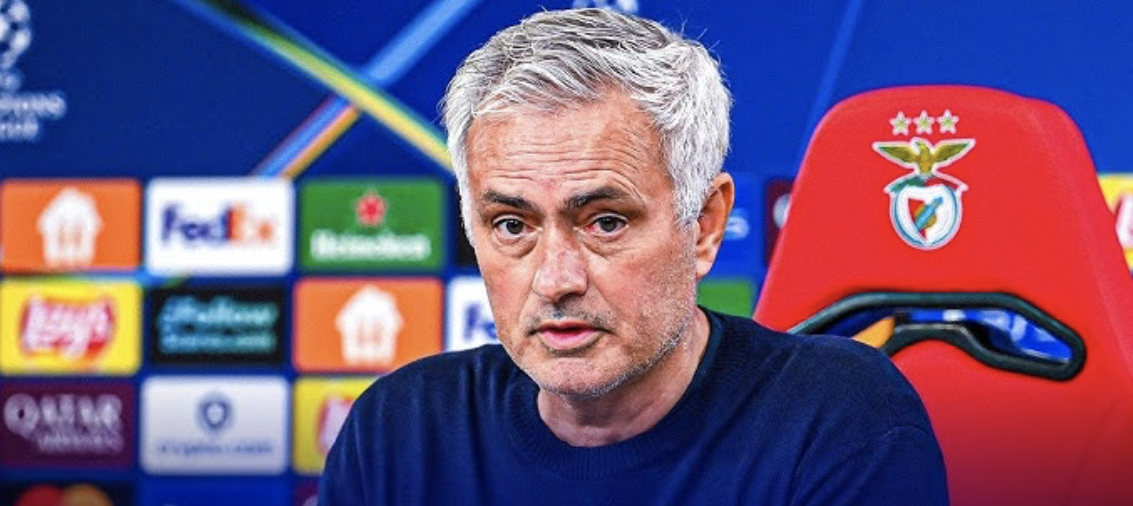
Vinicius Red Card for Hair Pull Leaves Mourinho Snubbing the Press
Trending on Futbol Chronicle

The Best World Cup YouTubers to Follow in 2026
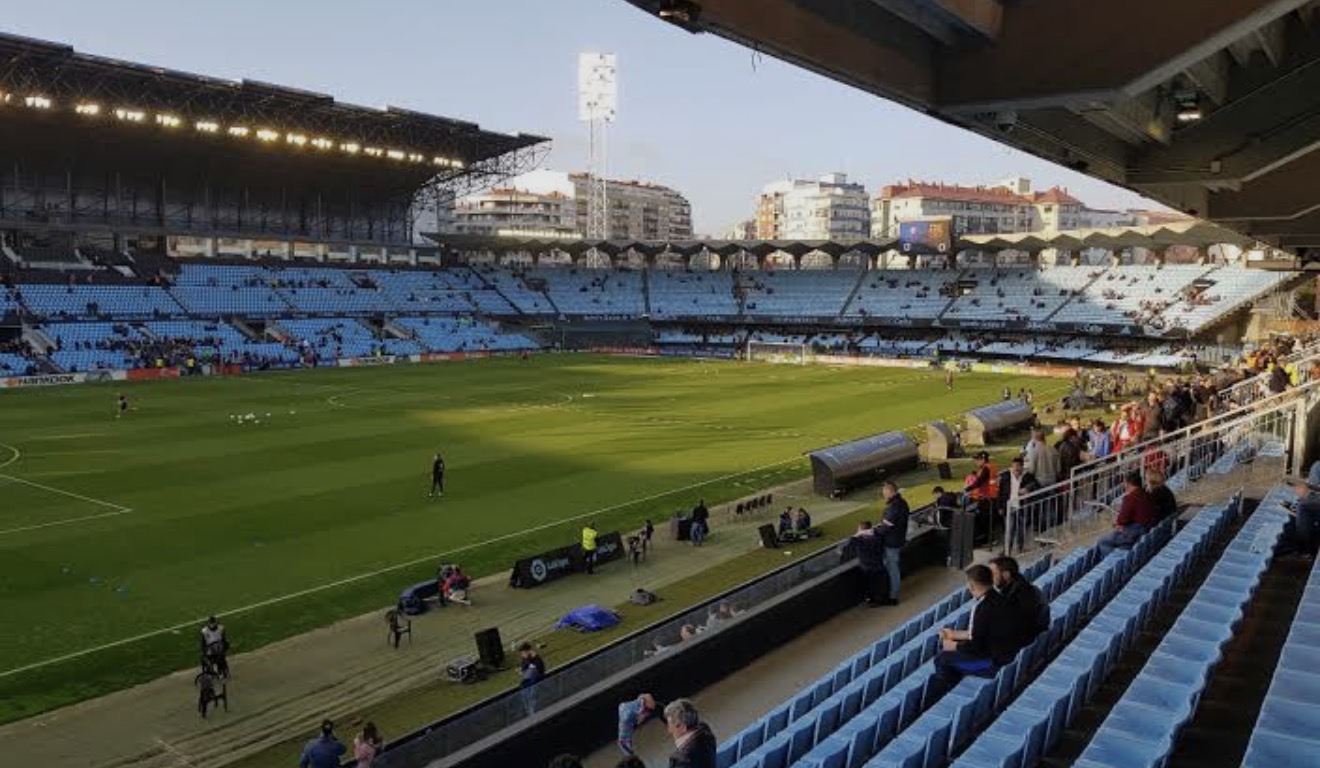
Celta Vigo postpones LaLiga opener after fungus outbreak damages stadium pitch

The Best Soccer Players of All Time: The 10 Greatest Ever Ranked
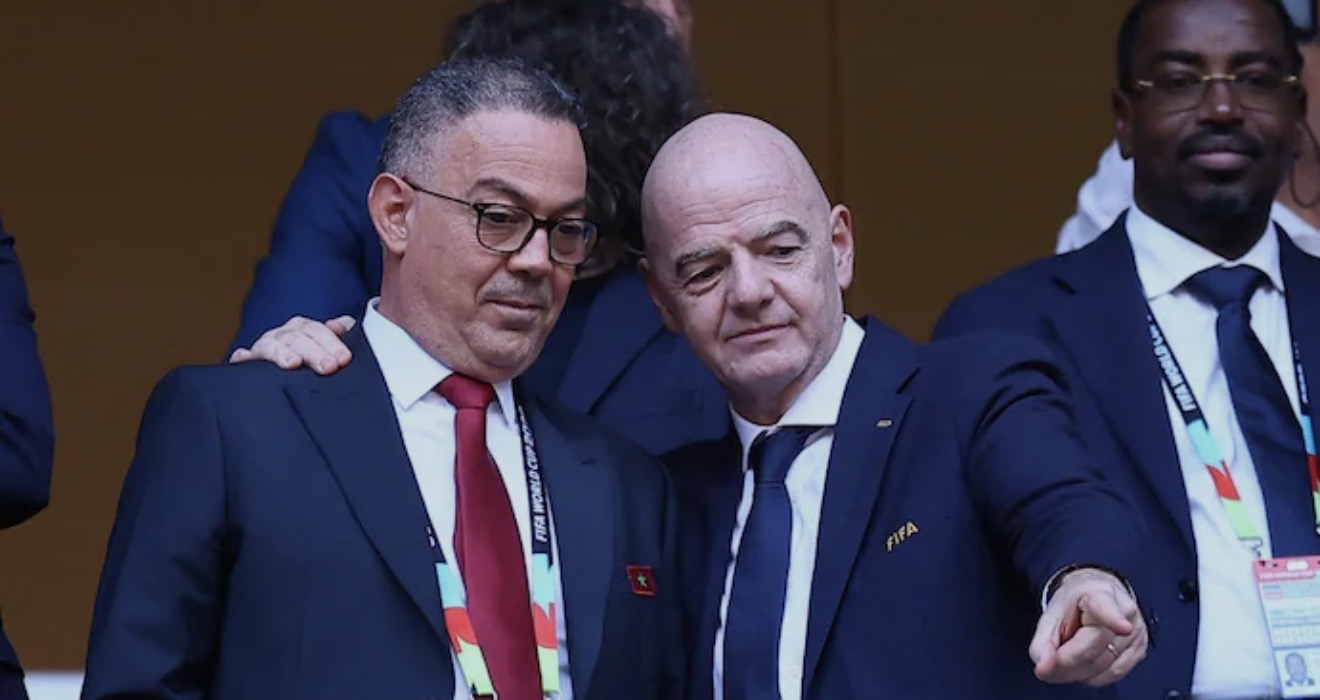
Arab football federations back Gianni Infantino as FIFA president faces growing opposition