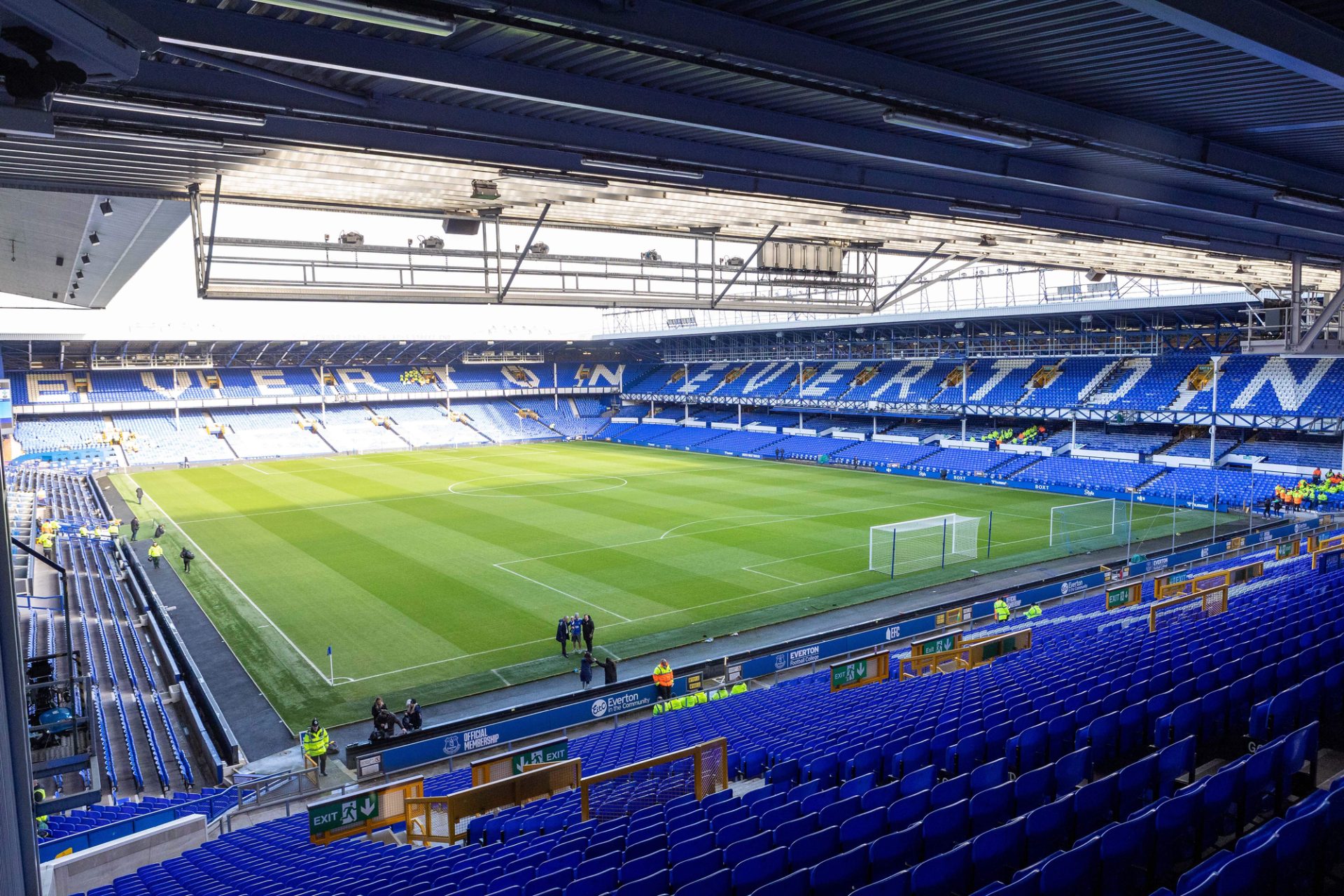
Harry Kane Has Equalled Gary Lineker’s England World Cup Record That Stood Thirty-Six Years
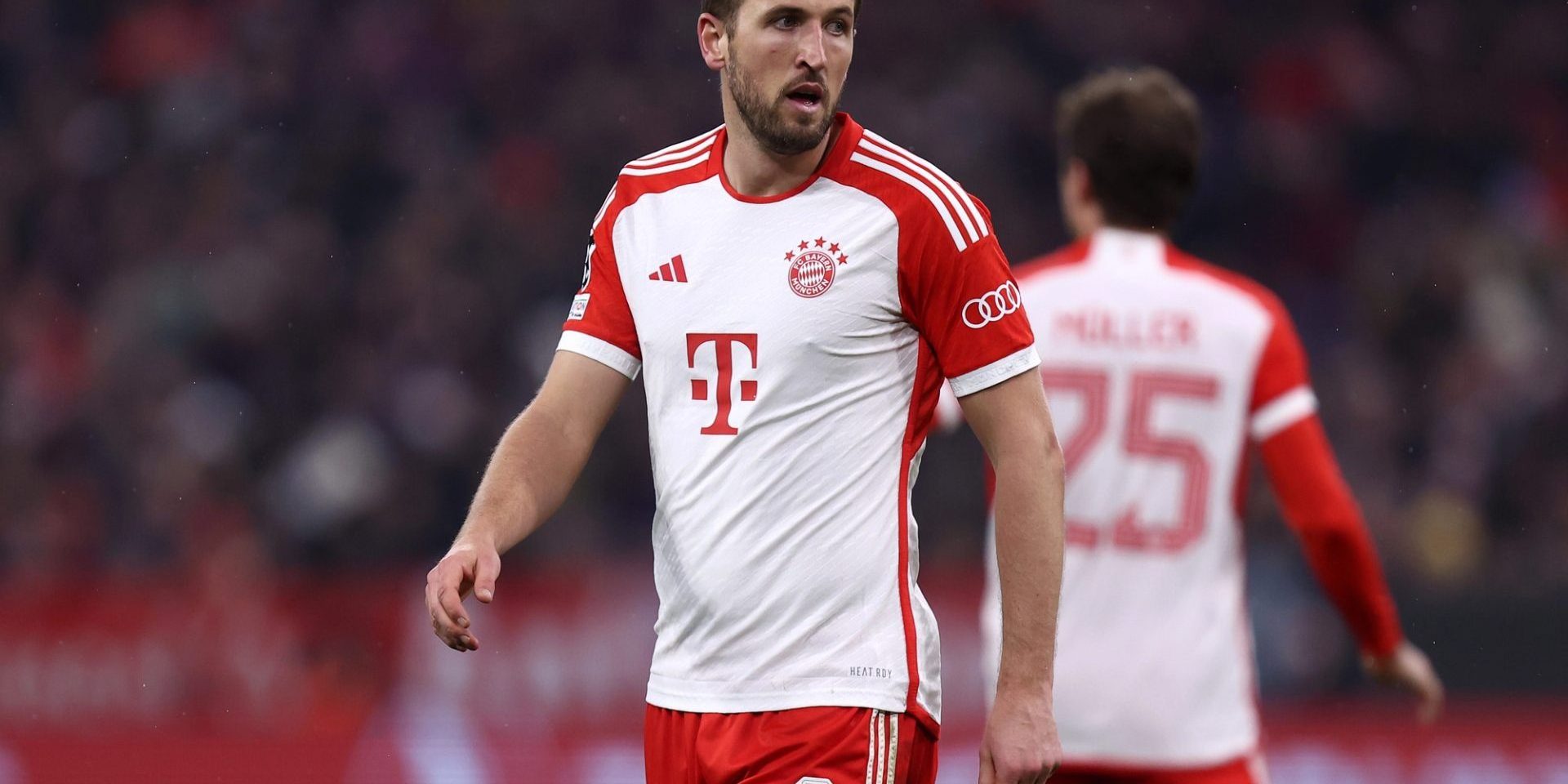
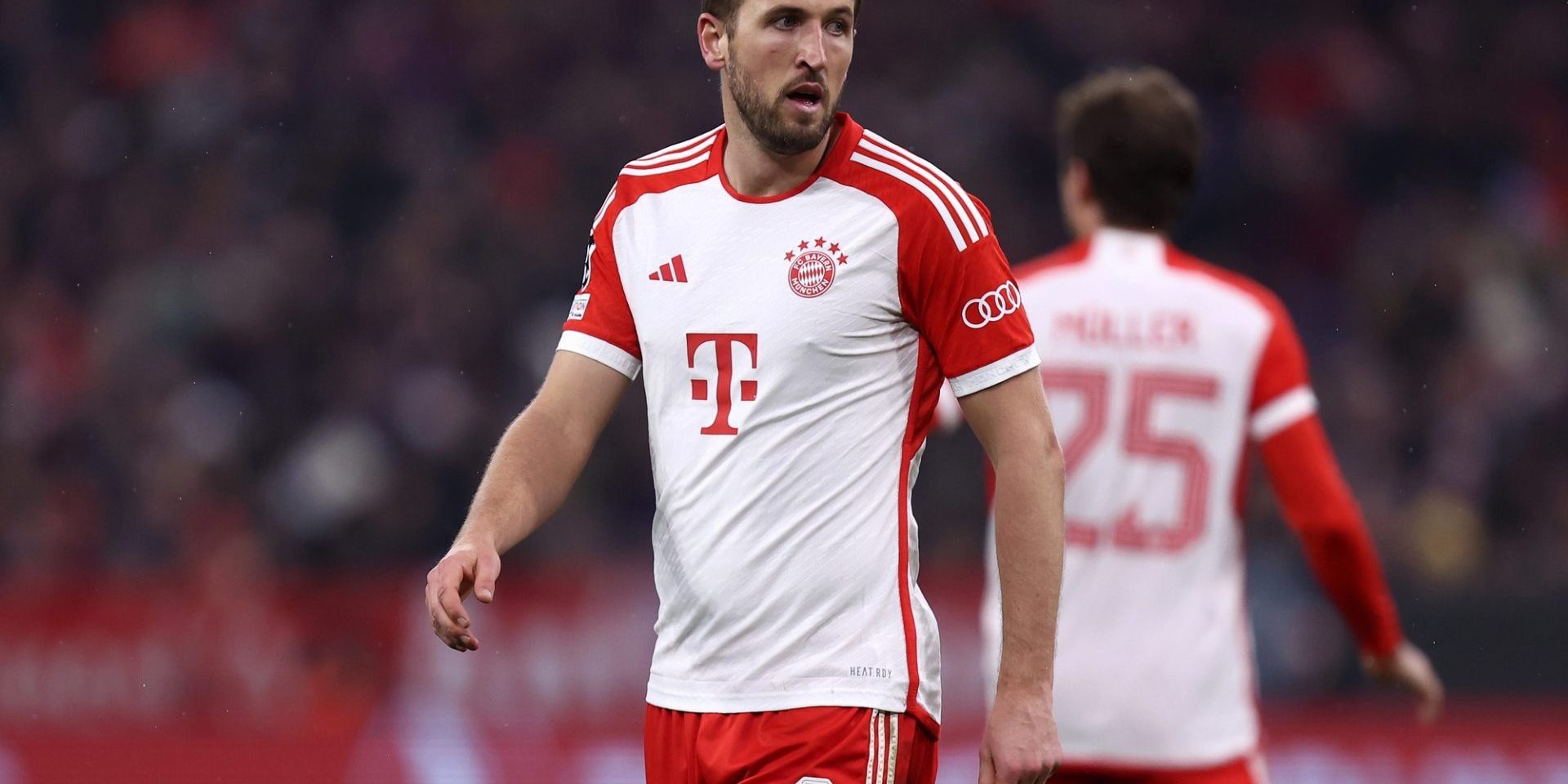
Table of Contents
Gary Lineker scored his tenth and final World Cup goal on a humid afternoon in Naples in July 1990, a poacher’s finish against West Germany in a semi-final England would lose on penalties. He did not know it was his last. Nobody did. What he could not have imagined was that the number he left behind, ten goals across two tournaments, would sit untouched at the top of England’s World Cup scoring list for the next thirty-six years, outlasting his own broadcasting career, three England managers who never came close, and a generation of forwards who flattered and faded.
On 17 June 2026, in front of a sold-out crowd in the United States, Harry Kane drew level with him. Two first-half goals against Croatia, a header and a penalty, took England’s captain to ten World Cup goals and ended the longest-standing individual record in the men’s national team’s history. By the time you read this, Kane may already have broken it. What he has done is remarkable enough on its own.
Two Golden Boots, Thirty-Six Years Apart
The symmetry between the two men is almost too neat. Lineker won the Golden Boot at his first World Cup, Mexico 1986, scoring six times including a hat-trick against Poland that dragged a stuttering England side out of the group stage and into the knockout rounds. He added four more at Italia 1990, the tournament that turned a generation of English supporters into believers again.
Kane’s arc mirrors it almost exactly. He too won the Golden Boot at his maiden World Cup, Russia 2018, with six goals, several from the penalty spot, one a fortunate ricochet off his heel against Panama. He too was the emotional centre of a young England team that reawakened a nation’s appetite for the tournament. The difference is that Kane has needed three World Cups, not two, to reach the same total, a reflection of how thin England’s scoring became at Qatar 2022, where he managed only two, against Senegal and France, the second a penalty that levelled the quarter-final before he ballooned a later spot-kick over Hugo Lloris’s bar and out of the competition.
That miss has followed Kane around like a shadow. It is part of why the equalling of Lineker’s record carries weight beyond the statistic. For all the goals, for all the captaincy, Kane has spent his international career being told that he has never delivered the defining moment, the trophy, the single act that silences the doubt. Drawing level with Lineker does not answer that question. But it reframes the conversation around what he has quietly built.
The Most Misunderstood Goalscorer England Has Produced
There is a tendency to treat Kane as a known quantity, a reliable penalty taker who racks up numbers because he is always there. It undersells him. Across the last decade he has reinvented his game more than once, dropping deeper to become a creator, spraying passes that few orthodox strikers could attempt, then pushing back into the box when the team needed a finisher. He left Tottenham Hotspur for Bayern Munich in 2023 chasing the medals that had eluded him in England, and the move sharpened rather than softened him.
His World Cup goals tell that story in miniature. The Panama hat-trick in 2018 was pure penalty-box opportunism. The Colombia equaliser later that tournament was a penalty struck under unbearable pressure in a match England would finally win on penalties, breaking a curse of their own. The Senegal goal in 2022 was a centre-forward’s run timed to perfection. He has scored tap-ins, headers, and the kind of cool finishes that look easy only because he makes them look easy.
Thomas Tuchel, who took charge of England in 2025 as the first German to manage the side, has been blunt about Kane’s value. He has built his attack around the captain’s movement and his ability to link play, trusting him to lead a forward line that includes younger, faster options. England arrived at this World Cup having scored freely in qualifying, and the opening 4-2 win over Croatia, in which Kane scored twice and England registered eleven shots on target, suggested a team that had found its rhythm early.
What the Record Actually Means
Records like this are partly about longevity and partly about era. Lineker played in a time of two World Cups per cycle of a career if you were lucky, in tournaments with fewer matches. Kane has benefited from England reaching the latter stages more consistently, giving him more games in which to score. Purists will point out that several of his goals have come from the penalty spot, as if that diminishes them. It does not. Penalties at a World Cup, taken in front of tens of millions with a nation’s hopes attached, are among the most pressurised acts in the sport. Lineker took and scored them too.
The more interesting comparison is with the players who never got close. Wayne Rooney, England’s all-time leading scorer in all competitions, managed a single goal across three World Cups. Alan Shearer, a forward of ferocious quality, scored twice in his only tournament. The list of celebrated English forwards who underperformed at World Cups is long and painful, which is precisely what makes Kane’s consistency stand apart. He has scored at three separate World Cups, a feat only a handful of England players have ever managed.
There is also the captaincy. Kane wears the armband and carries the burden that comes with it, the press conferences, the penalty duties, the expectation that he both leads and delivers. Bobby Moore lifted the trophy in 1966 without scoring in the final. Kane has scored more World Cup goals than any England captain in history while still waiting for the moment that would put his name alongside Moore’s for a different reason.
A Record Set in the Country That Will Decide His Legacy
There is a geographical curiosity to where this milestone arrived. England equalled and chased the record in the United States, in a tournament co-hosted across North America, and the venue for their group meeting with Ghana was Boston, a city England had visited only once before in their entire history. That prior trip, in June 1993, ended in a chastening 2-0 friendly defeat to the United States under Graham Taylor, one of the lowest points in the modern England story and a result that helped end Taylor’s reign. Returning to the same city three decades later with a captain rewriting the record books is the sort of symmetry that English football, forever haunted by its past, tends to notice.
Kane’s statistics extend beyond the goal record. He has been closing on a series of England World Cup marks, drawing level with names like David Beckham for tournament appearances and pushing toward the kind of all-round longevity that few England players achieve. Jordan Pickford and John Stones have racked up World Cup appearances of their own in this squad, but it is Kane who carries the historical weight, the player whose name now sits alongside the greats whenever England’s World Cup story is told. For a forward who came through Tottenham’s academy and was loaned out to lower-league clubs as a teenager, written off by some as too slow and too limited to reach the top, the accumulation of records is its own quiet vindication.
The Chase Is Not Finished
Standing level with Lineker is not the same as standing above him, and Kane knows it. England’s remaining group fixtures, against Ghana and Panama, offered him the chance to claim the record outright, to make the number eleven his own. Whether he takes it tonight or next week or in a knockout match, the trajectory points one way. At 32, in the form of his life at club level, he is likely to extend the record to a total that may itself stand for decades.
It is worth remembering how unfashionable this kind of consistency once was for England forwards. The country has a habit of falling for the spectacular and overlooking the dependable, of preferring the maverick to the metronome. Kane has never been the most thrilling player to watch, and for years that counted against him in the public imagination. Yet here he stands, level with the most celebrated England striker of the modern era, having outscored every flashier name that came before and after him at the only tournament that truly counts.
For Lineker, watching from a television studio rather than the commentary box he occupied for so long, there can be little complaint. He has spoken warmly about Kane for years, recognising in him the same calm in front of goal that defined his own career. Records are made to be broken, and few are broken by someone so clearly cut from the same cloth as the man who set them.
England’s supporters have learned to temper their hopes. They have seen golden generations dissolve and penalty shootouts end in tears. But in Harry Kane they have a captain who keeps scoring when it counts, who has now matched a record that survived thirty-six years of English disappointment. If he is to finally deliver the trophy that has eluded the country since Moore held it aloft, it will be fitting that the man leading the charge is the most prolific World Cup scorer England has ever produced. The record was always going to fall to someone. That it fell to Kane feels less like an accident and more like the natural order finally asserting itself.

Leave a Comment
More in News

Moise Kean Will Miss Como’s Biggest Game of the Season After Cesc Fabregas Clashed With Italy’s Doctors
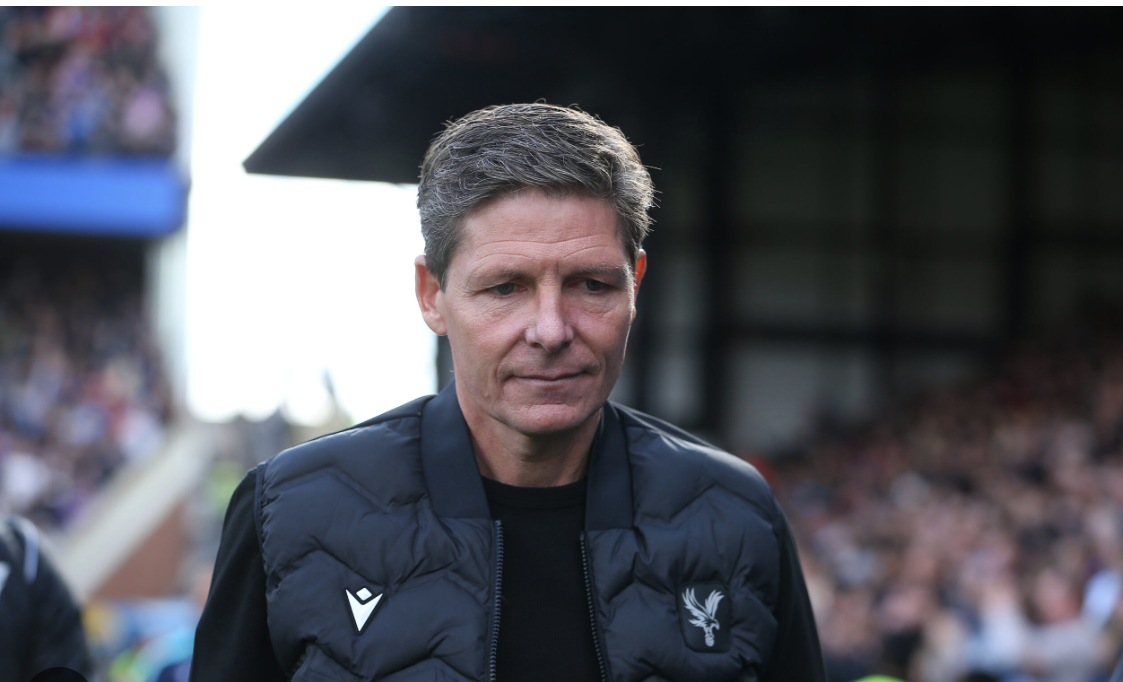
Oliver Glasner Returned to Crystal Palace and Fans Turned From Applause to Taunts as Forest Lost
Vinicius Red Card for Hair Pull Leaves Mourinho Snubbing the Press
Bowen’s Saved Penalty Costs West Ham a Shot at Top Spot

Cole Palmer Missed England’s World Cup Squad This Summer, and His Club Have Just Backed Him With a Deal Running to 2034
Trending on Futbol Chronicle
Michael Carrick points to lack of sharpness after Manchester United draw with West Ham
Arab football federations back Gianni Infantino as FIFA president faces growing opposition

Map of All the Premier League Teams for 2025/26
Michael Carrick admits Manchester United have “no excuses” after AC Milan defeat