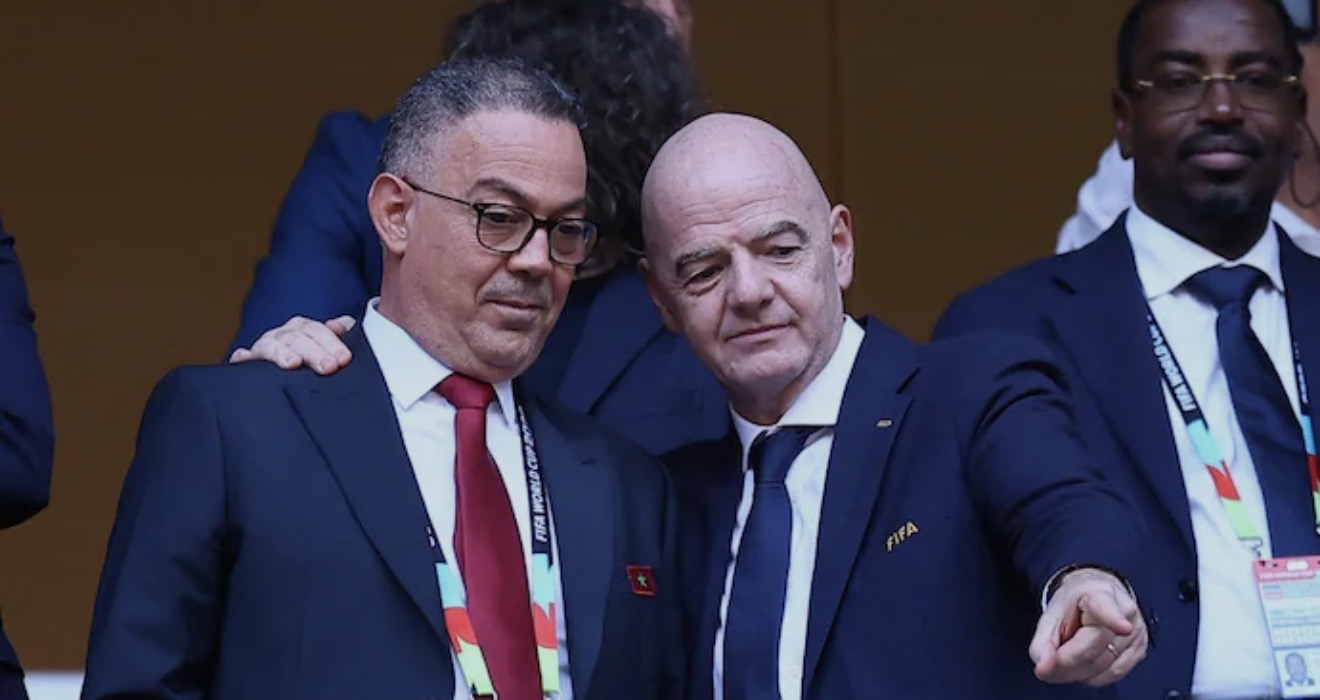
Morocco Return to the World Cup Last Eight
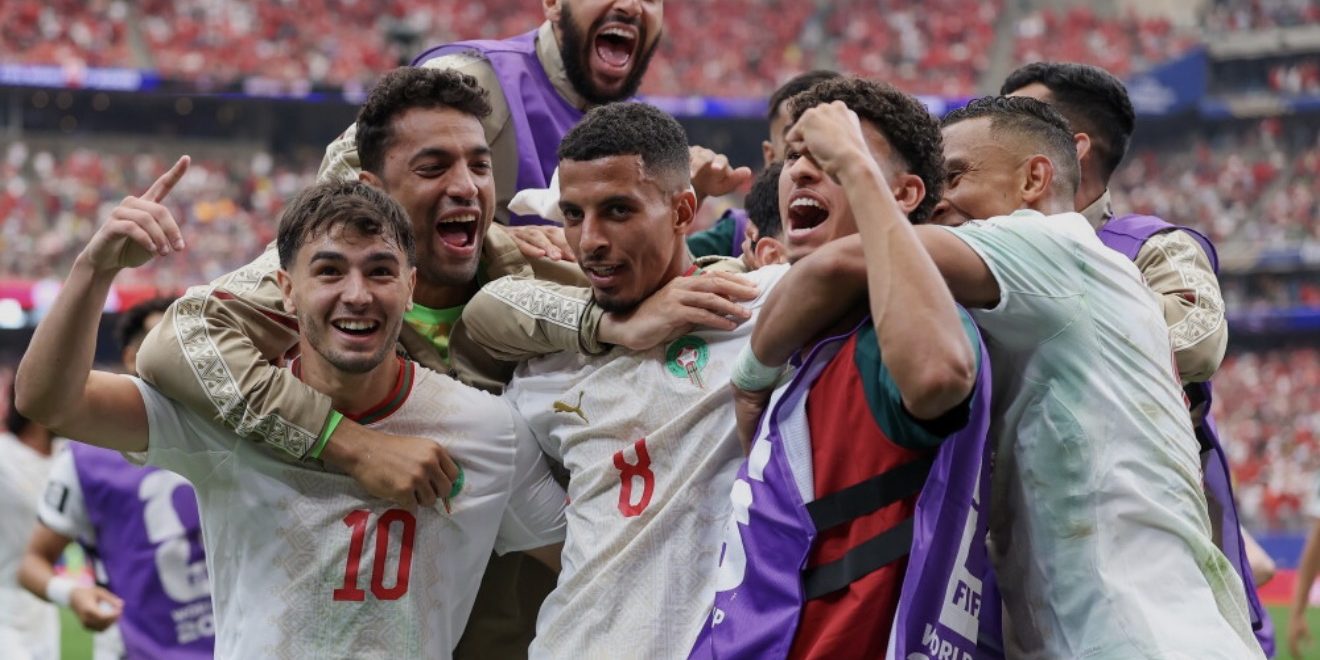

Table of Contents
Morocco are going back to the World Cup quarter-finals after defeating Canada in a Round of 16 tie that confirmed their status as one of the most formidable sides in international football outside of Europe and South America.
A goal from Amine Ouahbi was enough to separate the teams on Friday in what proved to be a tight, disciplined contest. Canada, playing at a home World Cup for the first time since 1986, gave everything they had but could not find a way through a Moroccan defensive unit that has now become one of the most organised and difficult to break down in the tournament.
For Morocco, the victory means something significant. They have now reached the last eight of back-to-back World Cups, an achievement that no African nation has ever managed in the history of the competition. Four years ago in Qatar, they became the first team from the continent to reach the semi-finals. Now Walid Regragui’s side have confirmed they are not a one-tournament story.
Ouahbi Delivers the Decisive Moment
Amine Ouahbi’s goal was the difference in a match that Canada pressed hard to turn around. The strike gave Morocco the lead they needed, and Regragui’s team protected it with the defensive discipline that has become their signature under his management. Canada created chances, found moments of quality, but ran into a backline that refused to yield.
Jesse Marsch, who led Canada through a group stage that captured the imagination of a nation rediscovering its connection to football, was gracious in defeat but honest about the gap in experience between the two sides at the critical moments.
“We gave everything,” the Canada head coach said after the match. “Morocco are an excellent side and they showed why in the moments that mattered most. We’re proud of what this team has done.”
For a Canada side that qualified for their first World Cup in 40 years, reaching the Round of 16 in a home tournament will be remembered as the beginning of something rather than the end. But on this occasion, Morocco were the better side when the game needed to be decided.
Regragui’s System Holds Firm Again
What Walid Regragui has built with Morocco is a team that is deeply difficult to play against. Their defensive structure is one of the most coherent in international football, built around a low block that is organised and aggressive in equal measure. They press at the right moments, they recover quickly when the ball is lost, and they give opponents very little space to work in the areas that matter most.
In attack, they are less predictable than their defensive solidity might suggest. Morocco have the technical quality in midfield and the pace in wide areas to threaten teams on the counter-attack, and they demonstrated against Canada that they can score the goal their organisation earns them when the opportunity presents itself.
The Atlas Lions, as they are known back home, are beloved in Morocco and across much of the Arab world and the African continent for the pride they have brought to communities that see in this team a reflection of their own identity. Regragui has spoken repeatedly about the weight of that responsibility and the commitment his players carry to honour it every time they take the field.
The Qatar Blueprint
Morocco’s 2022 World Cup campaign in Qatar was one of the tournaments of recent memory. They eliminated Spain on penalties in the Round of 16, dispatched Portugal in the quarter-finals, and only fell to France in the semi-finals in a match that was much closer than the scoreline suggested. They became the first African nation to reach the semi-finals of a World Cup, a moment of historical significance that resonated well beyond football.
That run changed the way the world perceived Moroccan football. It also changed the expectations placed on Regragui and his players. Reaching the semi-finals is not something that can be easily repeated. The pressure to at least match that achievement has been part of the conversation around this squad ever since Qatar.
With a place in the quarter-finals now secured, they have already justified their presence among the genuine contenders at this tournament. Whether they can go further will depend on which opponent they face and whether the defensive resilience that has carried them this far can continue against the highest quality attacking units remaining in the competition.
What It Means for African Football
The broader significance of Morocco’s achievement is worth pausing on. African nations have long been considered capable of causing upsets at World Cups but have rarely been seen as teams that could sustain a run to the later stages. Cameroon’s 1990 quarter-final, Senegal’s 2002 quarter-final, Ghana’s 2010 quarter-final, and Morocco’s own 2022 semi-final were celebrated precisely because they were rare.
Morocco reaching back-to-back quarter-finals begins to shift that perception. It suggests an African nation has developed not just the quality for a one-off deep run, but the infrastructure, the coaching, the squad depth, and the collective mentality to do it consistently. That is a different kind of achievement from a single tournament breakthrough.
Regragui, who took charge of the team in 2022 just weeks before the Qatar tournament began, has now led them through two World Cup campaigns with deep runs in both. His methods, his tactical clarity, and his ability to create a squad culture that values the group above the individual have been the foundations of this success.
Eyes on the Quarter-Final
The quarter-final draw will determine who Morocco face next. Whatever the matchup, they will arrive as a team that has already proved its quality across multiple rounds of this tournament and carries the confidence of a group that has done this before and knows what it takes to go further.
Canada will reflect on a tournament that exceeded many expectations and planted the seeds for what could be a sustained run at future editions of this competition. A home World Cup generates the kind of national attention and youth participation that takes years to translate into results on the field.
But the story of Friday’s match belongs to Morocco. They came, they defended with organisation, they scored when they needed to, and they move on. The Atlas Lions are in the last eight of a World Cup for the second time in a row, and the world is taking notice.

Leave a Comment
More in News

Thierno Barry Was Filmed Crying In A Private Training Session Last Season, And He Has Already Scored In Three Games This Campaign
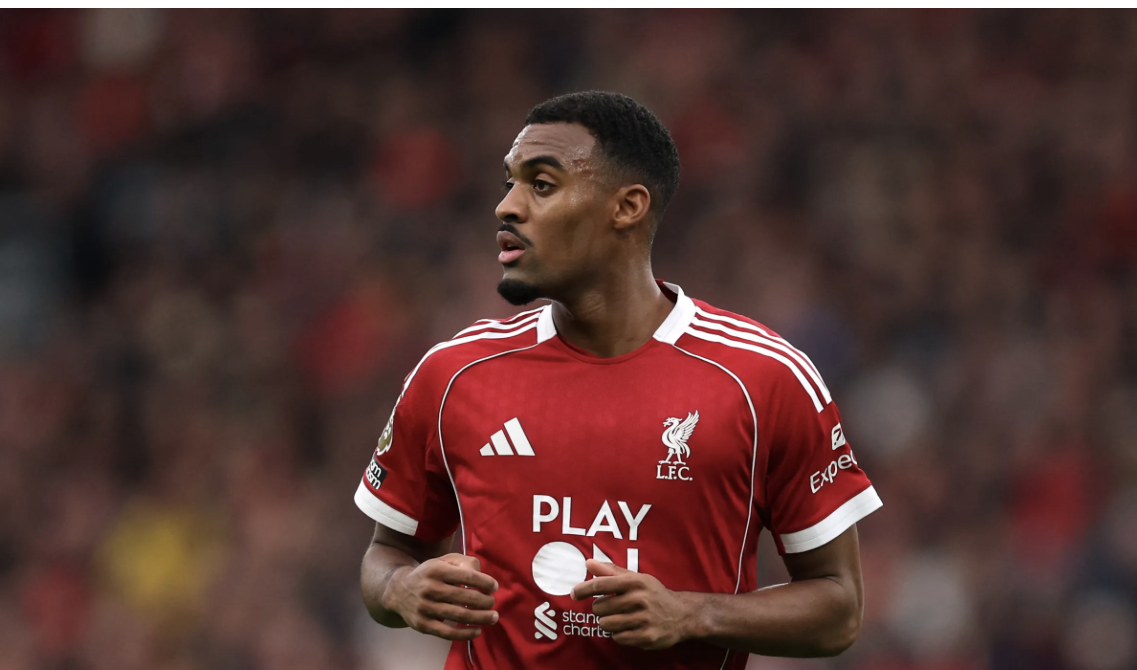
Gravenberch’s Red Card Sparks Referee Row in Liverpool’s Defeat to City

Moise Kean Will Miss Como’s Biggest Game of the Season After Cesc Fabregas Clashed With Italy’s Doctors
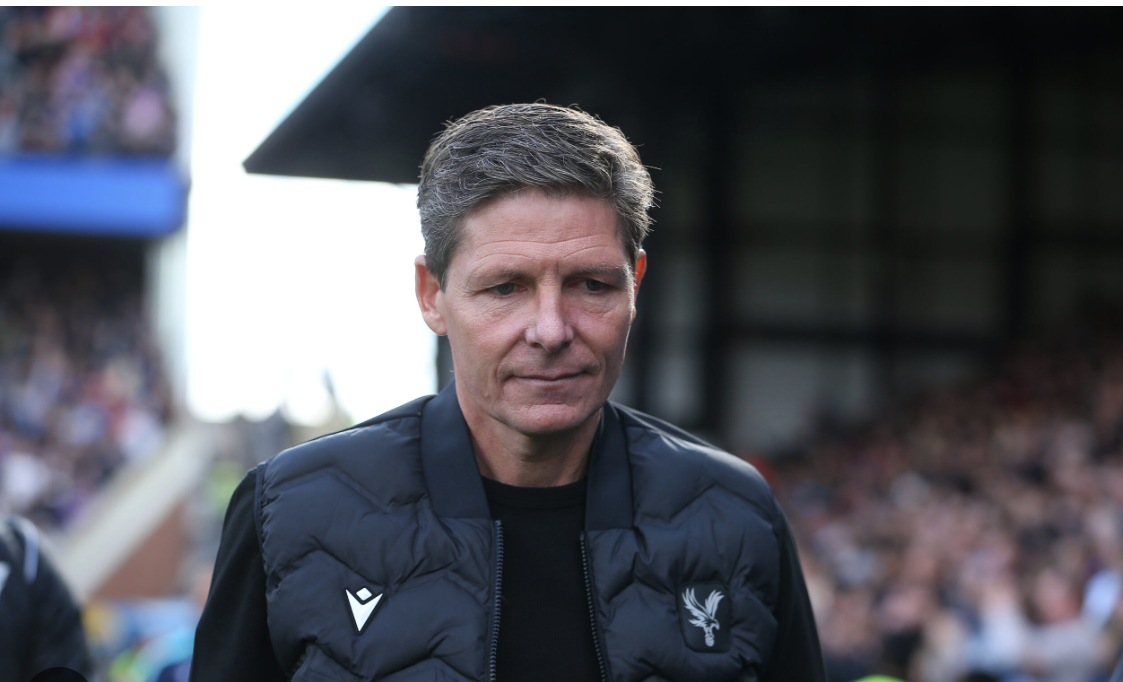
Oliver Glasner Returned to Crystal Palace and Fans Turned From Applause to Taunts as Forest Lost
Vinicius Red Card for Hair Pull Leaves Mourinho Snubbing the Press
Trending on Futbol Chronicle
Michael Carrick admits Manchester United have “no excuses” after AC Milan defeat

What Is The Club World Cup?
The Best World Cup YouTubers to Follow in 2026
What Is Offsides in Soccer? The Offside Rule Fully Explained