Ratcliffe remarks place Manchester United under scrutiny as FA weighs response
- FA legal team reviewing whether Sir Jim Ratcliffe breached regulations after immigration comments
- Manchester United leadership and owners concerned about reputational and commercial fallout
- Stadium regeneration plans and sponsorship prospects face added uncertainty
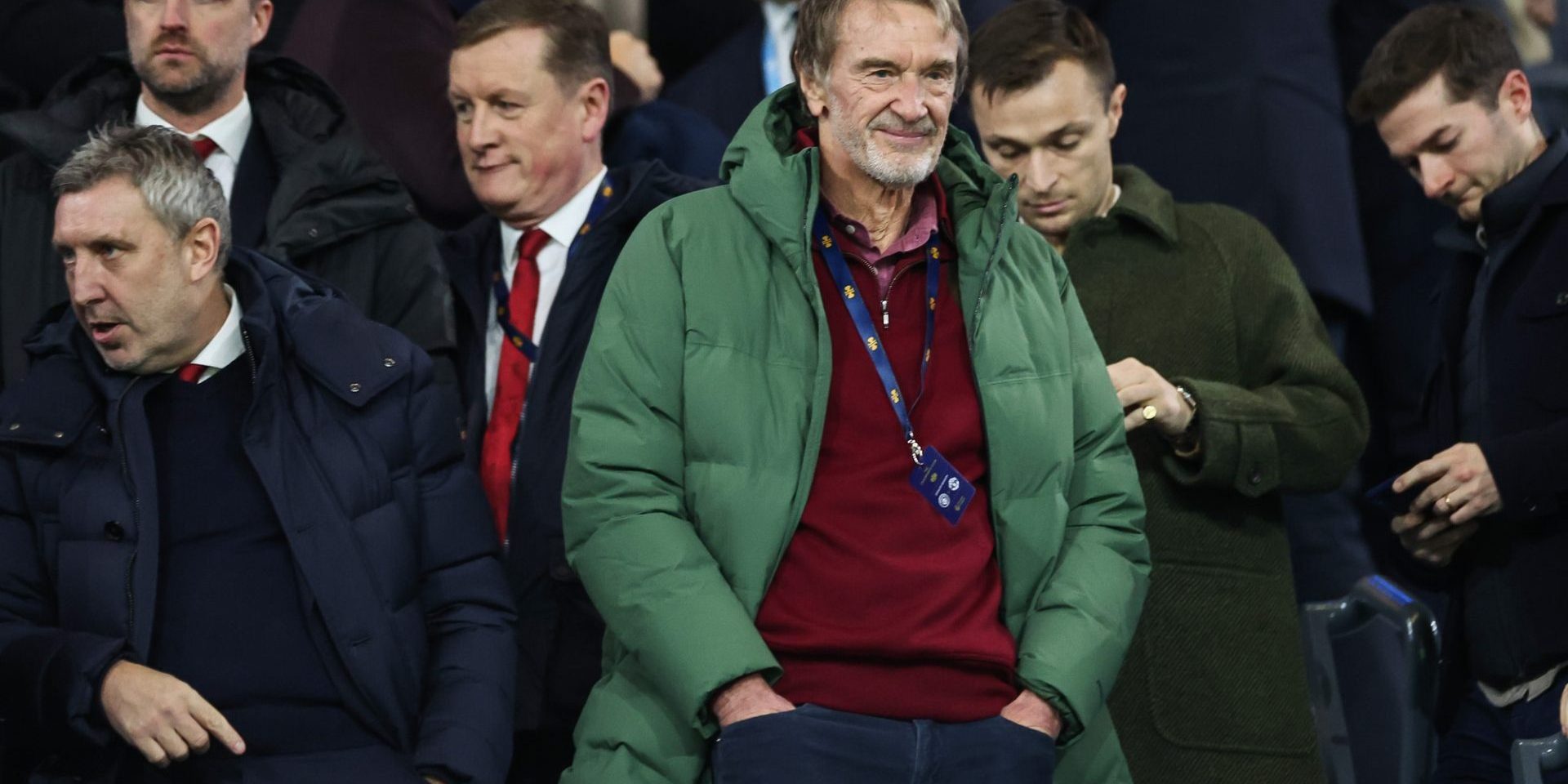
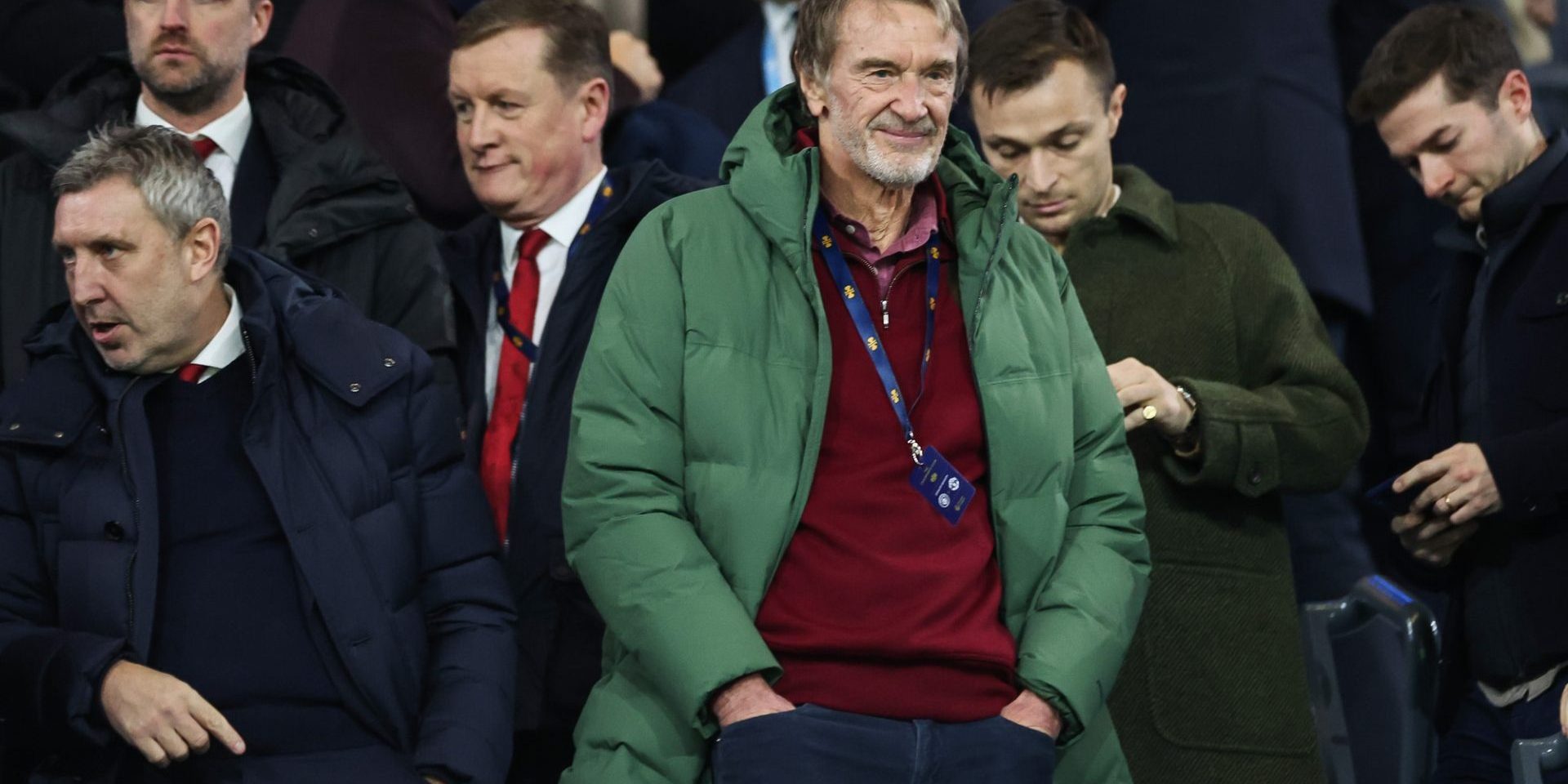
Sir Jim Ratcliffe is awaiting a decision from the Football Association after his recent comments on immigration triggered widespread condemnation and placed Manchester United in an uncomfortable spotlight.
The FA’s legal team is assessing whether Ratcliffe’s remarks, in which he claimed the United Kingdom had been “colonised by immigrants” while citing inaccurate population data, reached the threshold required for disciplinary action. The governing body could opt to charge him with bringing the game into disrepute, issue a formal warning, or take no action.
Whatever the outcome, the repercussions are already being felt at Old Trafford. United issued a public statement reaffirming the club’s inclusive and welcoming values, a move widely interpreted as an effort to distance themselves from their own co owner. Sources within the club said the statement was approved at the highest level, reflecting concern over both reputational damage and the possible impact on commercial relationships.
Ratcliffe later apologised for the language he used, stating that he regretted causing offence but maintained the importance of discussing controlled and well managed immigration. However, senior figures within the club’s ownership structure are understood to have been deeply unsettled by his initial remarks.
The Glazer family, who retain a majority stake in United, have built much of the club’s commercial identity around inclusivity and global appeal. Their support for initiatives promoting diversity has been driven both by principle and by commercial logic, with major sponsors seeking alignment with positive and forward looking brands. One source close to the club suggested that controversial comments of this nature could prompt potential partners to reconsider involvement.
United are already navigating a challenging commercial landscape. The club remain without a training kit sponsor, their sleeve sponsorship deal is due to expire, and recent Champions League absences have reduced income from existing partnerships. While commercial revenue remains high, rivals have closed the gap significantly, increasing pressure on executives to protect the brand.
The situation also complicates discussions surrounding the proposed redevelopment of Old Trafford and its surrounding area. The ambitious project depends heavily on political backing and public sector cooperation. Local and national leaders who had previously supported the plans were among those who publicly criticised Ratcliffe’s comments, creating potential friction at a sensitive stage of negotiations.
Supporter groups have voiced concern, with the Manchester United Supporters Trust and the Manchester United Muslim Supporters’ Club calling for clearer reassurances about the club’s commitment to inclusion. Anti discrimination organisation Kick It Out has confirmed it has already received reports relating to the remarks.
For United, the hope is that focus soon returns to matters on the pitch, where an improved run of form has lifted spirits. Yet the broader implications of this controversy remain uncertain, with questions hanging over sponsorship, infrastructure development and long term ownership harmony.
The coming days will reveal whether the FA intervenes formally. Regardless, Ratcliffe’s comments have opened a chapter that could shape the club’s direction both commercially and culturally for some time to come.
Leave a Comment
More in News
Igor Tudor Tells Tottenham Players to Ignore ‘B——-’ Ahead of Liverpool Clash

Reece James Signs New Six-Year Chelsea Contract Until 2032
Mbappé Expected to Travel for Real Madrid’s Champions League Clash at Manchester City
Haaland Agent Dismisses Barcelona Transfer Talks
Newcastle Prepare Improved Contract for Lewis Hall Amid Transfer Interest
Trending on Futbol Chronicle
What Is The Club World Cup?
Why Soccer Is The Best Sport