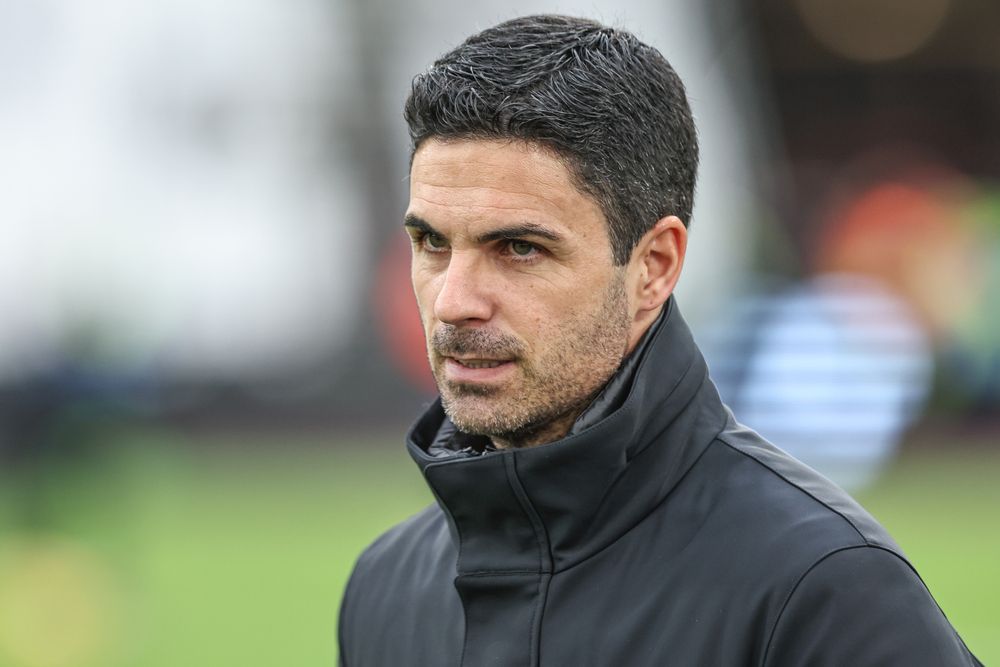
Thomas Tuchel Considered Man-Marking Lionel Messi and Wants England’s Rivalry with Argentina Left Unspoken
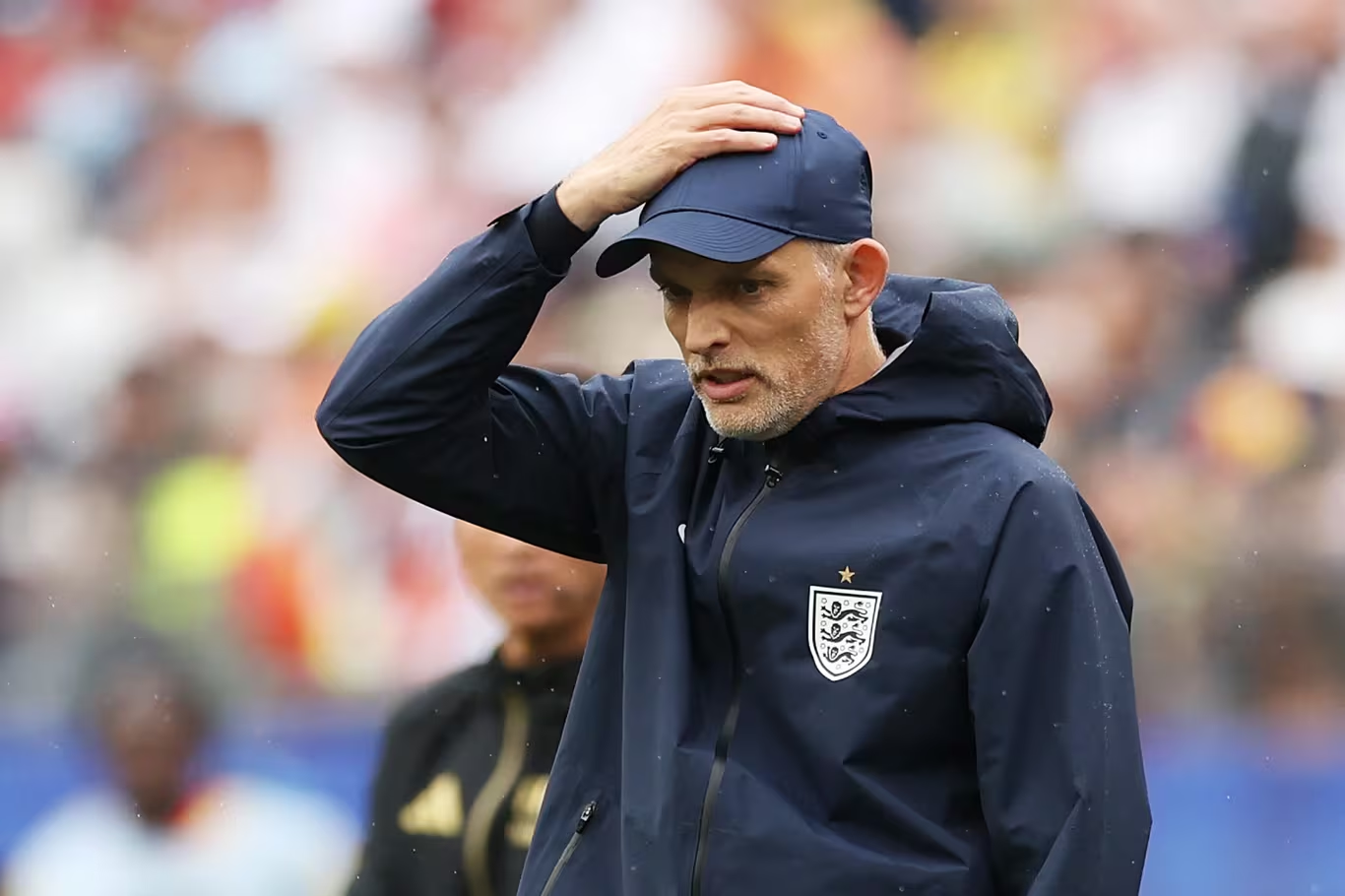
Table of Contents
Thomas Tuchel will not pretend England’s World Cup semi-final against Argentina is just another match, but he refuses to let the rivalry’s history sit anywhere near his team talk. England face the reigning champions on Wednesday at 8pm UK time in Atlanta, with the winner set to meet Spain in Sunday’s final, and Tuchel is entering the game admitting his players still have work to do to reach the level the occasion demands.
“We had too many technical errors in our last match that hold us back from finding a rhythm,” Tuchel said of England’s extra-time win over Norway in the quarter-final. “We were rushed in our decision making, not patient enough or disciplined enough and it cost us our rhythm.”
Tuchel Wants a Better England Than the One That Beat Norway
England needed extra time to see off Norway in Miami, and Tuchel did not dress up his verdict on the performance. He wants his side to defend as a unit and accelerate their play at a level closer to what they have shown in flashes rather than for entire matches.
“We improved in the tournament in defending and defending as a team. This is something we need at the highest level,” he said, before turning to what Argentina will demand of his players. “The acceleration, combined with technical execution, has to be at a higher level. A set-up like [Argentina’s] will bring the best out of us and the best out of our players.”
He is treating the semi-final as an opportunity rather than a burden. “We know we are here, we were never shy of expecting that from us and dreaming it,” Tuchel said. “We are in the semi-finals and we arrive very hungry. We want to have the next win. It is a big football match but we are very excited and ready to go.”
The Argument That Followed the Norway Win
Tuchel’s frustration with the Norway performance was not a passing remark. Straight after the final whistle, he told ITV Sport: “We made life very, very difficult for ourselves today. The result is fantastic, we’re in the last four. It’s amazing. I’m not happy with the performance. In every sense. The commitment is there but we made life very, very difficult for us in the way we played, how we played. Sloppy, tactical mistakes, not fast enough. Not repetitive enough. We were lucky enough. We will get better, we need to get better.”
Told his players had shown mentality to fight back, Tuchel pushed back on that idea entirely. “Mentality? This [getting through] is pure mentality now. How can you talk about mentality now? This is pure mentality. It’s not a mentality problem. You can bottle it up and sell it. Why are you talking about mentality? It’s the quality of our game [that’s the problem]. We need to play better.”
Bellingham, who scored twice to send England through, was told what his manager had said and offered a two-word reply: “Yeah, well. Whatever.” He added a message for his teammates rather than his coach. “It’s difficult out there. It’s a tough shift. All the players are putting in a tough shift. So my thoughts and appreciation go to the players who put in a good shift out there.”
Harry Kane, asked about Tuchel’s dissatisfaction, offered a more measured read on his manager. “He just said there in the changing room; massive congratulations, you should enjoy it and celebrate. It still feels like there’s a part of him that knows we can do better. Which in a way is a good thing. If we’re in the semi-finals of a World Cup and can improve still, then we can only take that as a positive. We had the most important ingredients as a team. If we can start ticking a little bit better with the ball in possession, then we’ll have a good couple of games ahead.”
Gary Neville, watching the same exchange unfold on ITV, described the friction between manager and captain as a strength rather than a problem. “What they’ve done is they’ve taken him too close to the edge for his liking,” Neville said of Tuchel. “Thomas Tuchel’s was fantastic. Jude Bellingham’s response was absolutely brilliant. You have to be exceptional to do what those two have done.” Neville said the exchange showed two huge personalities and two outstanding operators refusing to settle for less, and added he had never seen a manager and player challenge each other so openly across five England tournaments he covered, comparing Bellingham’s tournament impact to Paul Gascoigne, Michael Owen and Wayne Rooney at previous World Cups.
A Fit Squad Aside from Henderson and Quansah
Tuchel confirmed he has close to a full squad available, with only Jordan Henderson, who has broken his arm, and Jarell Quansah, who remains suspended, ruled out. Declan Rice, who was affected by illness in the Norway win, is “as recovered as possible” ahead of kickoff.
That squad news is significant given how physically taxing the tournament has been for England. Getting Rice back close to full fitness, and having no fresh injury issues beyond Henderson and Quansah, gives Tuchel closer to his first-choice team than he has had for some of the earlier knockout rounds.
Toying with an Old-School Answer to Messi
Stopping Argentina starts with limiting Lionel Messi, who at 39 is still the tournament’s joint-top scorer with eight goals. Tuchel admitted he has turned over an unfashionable idea in his head.
“I was thinking about this, whether we do an old-school man mark,” Tuchel said, smiling as he added, “Not sure if we follow through with the idea but it crossed my mind.”
He does not underestimate what that would take against a player still reading the game a step ahead of defenders. “Everyone knows the spaces where he wants to show up. If you analyse matches, he sees things faster. The ball drops to him and he finds the gap,” Tuchel said. “We have found some patterns in their games but if you close the pattern, they will find a new one. It is very unique to play against the reigning champions and Lionel Messi. It is a big match in a big tournament.”
His conclusion was not a plan laid out in detail but a statement of intent. “There is a lot to take care of. We are here to play our way and impose our style,” he said. “We are here to play the semi-final our way. We know how big the ask is but we are ready for it.”
History He Won’t Let Into the Dressing Room
England and Argentina carry decades of World Cup history into Atlanta, from 1966 to Diego Maradona’s Hand of God in 1986 to David Beckham’s redemption arc in 2002. Asked directly whether that history changes anything, Tuchel gave an answer that doubled back on itself.
“I would say it’s irrelevant but I am not sure,” he said. “The players are aware of what it means to them. If a fixture has iconic moments, you cannot say it is just another football match.”
What he will not do is bring any of it into his own preparation. “We don’t speak, me and my team, about the historic events. The tension is big enough,” Tuchel said. “We try to reduce information the bigger the stage gets and the bigger the tension. The magnitude of the game is what it is, it does not help if we engage.”
It is a deliberate approach from a manager who has built his England reign on removing noise rather than adding to it. Tuchel appears to have decided that a rivalry this loaded needs less talking about, not more, if his players are going to perform at the level he demanded after the Norway win.
What Is at Stake Beyond the History
England have not reached a World Cup final in the sixty years that have passed after they won the tournament on home soil in 1966. Argentina, the defending champions, are trying to become the first team in 64 years to win back-to-back titles. Spain are already waiting in Sunday’s final after beating France 2-0 in the other semi-final, which only sharpens what is on the line in Atlanta. Tuchel’s players will arrive knowing their first World Cup final in six decades sits on the other side of ninety minutes, or more, against the team most associated with England’s most painful World Cup nights.
Whichever way Wednesday goes, Tuchel’s approach will be judged alongside his tactics. He has chosen to try to strip the occasion of its emotional charge rather than lean into it, betting that a calmer group of players gives England a better chance than one carrying the ghosts of 1986 or 1998 onto the pitch in Atlanta.
For now, his message to his players stays as simple as the one he gave to reporters. The game is huge, the opponent is dangerous, and the only response he wants is a better performance than the one that scraped past Norway. Everything else, in his words, does not help.

Leave a Comment
More in News
Enzo Maresca Insists Manchester City’s Titles Are Not Tainted After the Club Was Found Guilty on 115 Charges
Michael Carrick Lost Two Title Races to Manchester City, and United Fans Now Mark 50 Years Without a Trophy

Jarell Quansah Was Never Liverpool’s Top Academy Prospect, and He Has Already Won Eight England Caps

Vitor Matos Had Just 12 Games of Management Experience, and Now Swansea Lead the Championship

Xavi Simons Enrolled at Harvard While Out Injured, Nine Months After His World Cup Heartbreak
Trending on Futbol Chronicle
Josef Martinez Returns to MLS Spotlight With Columbus Crew Signing
The Best World Cup YouTubers to Follow in 2026
Cristian Romero completes €40m move from Tottenham to Atlético Madrid
What Is Offsides in Soccer? The Offside Rule Fully Explained