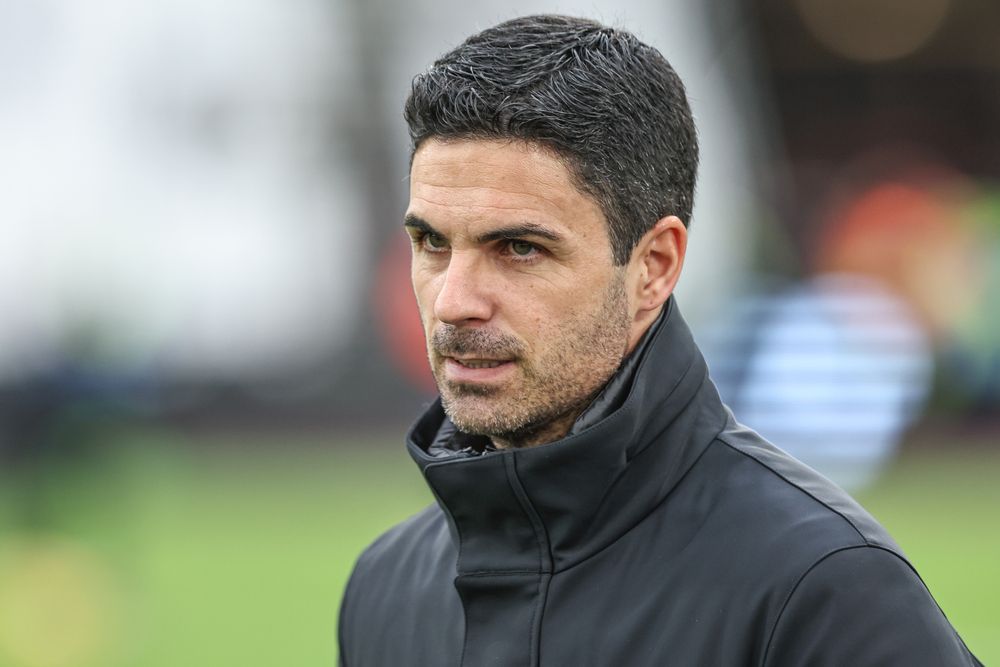
U.S. Soccer Wants Four More Years of Pochettino Despite a Cursed Coaching History
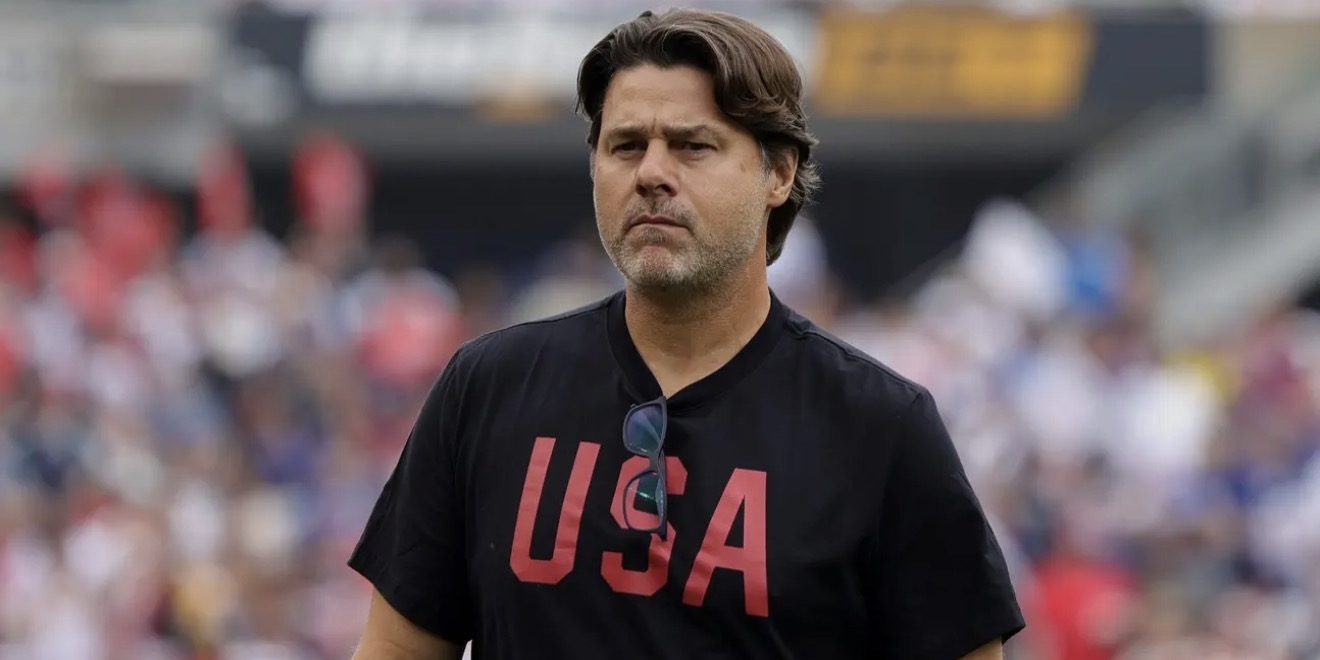

Table of Contents
J.T. Batson asked the question before a ball had been kicked at this World Cup. The U.S. Soccer chief executive sat down with Mauricio Pochettino and wanted to know whether the Argentine would listen to a plan that ran all the way to 2030. Pochettino did not say no. He said he was open. That answer, modest as it sounds, set in motion the most consequential decision American soccer will make once this tournament ends, and it carries a warning that every fan over the age of thirty already knows by heart.
The federation has put a contract extension on the table that would keep Pochettino in charge through the next World Cup cycle, the 2030 edition co-hosted by Spain, Portugal and Morocco. Both sides agreed to park the conversation until the current run is over. For now the manager who once said his squad was worse than he expected has guided the United States to the top of Group D and into the Round of 32 as one of the more convincing host nations in recent memory. The reward on offer is four more years. The risk is a pattern of failure that has swallowed almost every coach who tried to lead this program twice.
The offer on the table
The proposal was made before the tournament began, and reporting from ESPN and Yahoo Sports describes the talks between Pochettino and the federation as positive. Batson, who has run U.S. Soccer through a period of heavy investment in the men’s program, wants continuity heading into a cycle where the Americans will travel to Europe and North Africa rather than play at home. Pochettino has admitted publicly that he would be interested in a second cycle, a notable shift for a coach who spent his first months in the job sounding like a man still measuring whether the project was worth his time.
Pochettino arrived in the autumn of 2024 carrying a reputation built at Southampton, Tottenham, Paris Saint-Germain and Chelsea. He inherited a generation that had been hyped for years and then watched it stumble. He was blunt about the gap between the talent and the results, and that bluntness rubbed some observers the wrong way. What it produced, by the time the World Cup arrived, was a team that defended with structure, rotated without collapsing and beat Paraguay in front of sixteen million American television viewers, a record audience for the national team.
Why a second term scares people
Here is the uncomfortable history. The last four men to coach the United States and then earn a second crack at the job all saw their reputations dented by the encore. Gregg Berhalter returned after the 2022 World Cup and the relationship curdled within months. Bruce Arena left and came back, only for his second spell to end with the 2018 qualification disaster against Trinidad and Tobago. Jurgen Klinsmann started brightly and faded into acrimony. Bob Bradley, the most American of American coaches, never recaptured his early momentum once the shine wore off.
The reasons differ in each case, but the shape repeats. A coach learns the player pool, squeezes the early gains, and then runs into the ceiling that a four-year contract papers over. Familiarity breeds complacency, or it breeds resentment, or it simply runs out of fresh ideas. Pochettino has never managed a national team before this one, so he has no second-term record to defend. What he has instead is the weight of expectation that comes with being the most expensive and most decorated coach the federation has ever hired.
What 2030 would actually demand
A renewal would change the nature of the job. The 2026 tournament was always the soft landing, a home World Cup where qualification came automatically and the pressure was to entertain rather than to survive. The 2030 cycle is the opposite. The United States will have to qualify the hard way through Concacaf, then travel to Iberia and Morocco for a tournament played in front of European crowds and on European time zones. The squad that beat Australia without Christian Pulisic will be four years older. Tyler Adams, Weston McKennie and Tim Ream are not getting younger. Pochettino would be tasked with managing the transition from this group to the next, a job that has broken more coaches than any single match ever could.
There is also the matter of what Pochettino wants from the rest of his career. He is fifty-four. He left Chelsea and the Premier League to take this role, and the elite club game has a way of calling its best managers back. A strong World Cup run could put him back on the radar of Real Madrid, Manchester United or any giant in search of a reset. The federation is effectively asking him to commit to a project that will keep him out of that conversation for another four years. Money can answer part of that question. Ambition answers the rest.
The case for keeping him
For all the cautionary history, the argument for continuity is strong. American soccer has spent two decades hiring and firing, restarting and rebuilding, never giving a coach the runway to install a long-term identity. Every other serious footballing nation treats stability as an asset rather than a luxury. The teams that win tournaments tend to be coached by people who have been in the chair long enough to know which players bend under pressure and which ones grow. Pochettino has spent eighteen months learning exactly that.
His players speak about him in terms that go beyond professional respect. The squad bought into a rotation policy that asked stars to sit, and nobody publicly complained when Pulisic watched from the bench against Australia. That kind of buy-in is fragile and hard to rebuild. Tearing it up to start again with a new voice in 2027 would mean throwing away the one thing this program has rarely had, which is a settled dressing room that believes in the man giving the instructions.
There is a financial dimension too. Pochettino is reportedly the highest-paid coach in the history of U.S. Soccer, an investment the federation made precisely because it wanted a manager with the pedigree to compete on the world stage. Walking away from that investment after a single tournament, before the home World Cup has even delivered its full return, would be a hard sell to the sponsors and broadcasters who have poured money into the program. Continuity protects the bet. A change would amount to admitting the gamble did not pay off.
The eighteen months that changed the team
To understand why U.S. Soccer is willing to gamble against its own history, look at what the team was when Pochettino took charge and what it became. The group that crashed out of the 2024 Copa America on home soil was talented and brittle, a collection of individuals who shrank when the pressure rose. Pochettino spent his first camps stripping the side back to basics. He demanded that players defend from the front, hold their shape when the ball was lost, and treat every training session as an audition. Some of the established names did not enjoy the message. The ones who stayed got better.
The clearest sign of the shift came against Turkiye in the final group game, when Pochettino made nine changes to his starting eleven, the most a United States team has ever made between two World Cup matches. The side lost 3-2 to a late goal, but the experiment told its own story. Pochettino trusted his depth enough to rest nearly an entire first-choice team in a World Cup, something no previous American coach would have dared. The fact that the reserves were competitive against a side that had taken sixty two shots across the tournament said as much about the squad’s new floor as any victory could.
He also rebuilt the spine. Tyler Adams, fragile for three injury-hit years, was handed the captaincy and the freedom to anchor the midfield his own way. Matt Freese, a goalkeeper who once wrote a Harvard paper on penalties, was backed when others doubted him. Folarin Balogun, who rejected England to play for the United States, was given the platform to repay that choice with goals. Each decision carried risk. Most of them have paid off, and the cumulative effect is a team that looks coached in a way the United States rarely has.
A decision that defines a decade
U.S. Soccer has built its modern strategy around the idea that the home World Cup would be a springboard rather than a finish line. Keeping Pochettino is the clearest statement the federation could make that it intends to compete, not just host. Letting him walk, or watching him choose a return to club football, would force another reset at the worst possible time, with a transitional squad and a brutal qualifying path ahead.
The decision sits with two parties who have agreed not to decide until the football stops. If the United States goes deep into this knockout stage, the momentum to extend becomes almost irresistible. If the run ends flat against Bosnia and Herzegovina on July 1, the doubts come flooding back, and the ghosts of Berhalter, Arena, Klinsmann and Bradley start whispering again. Pochettino said he was worse off than he expected when he arrived. He built a contender anyway. Now he has to decide whether he wants to do it all again, in a harder place, against a history that keeps telling everyone to be careful.

Leave a Comment
More in News
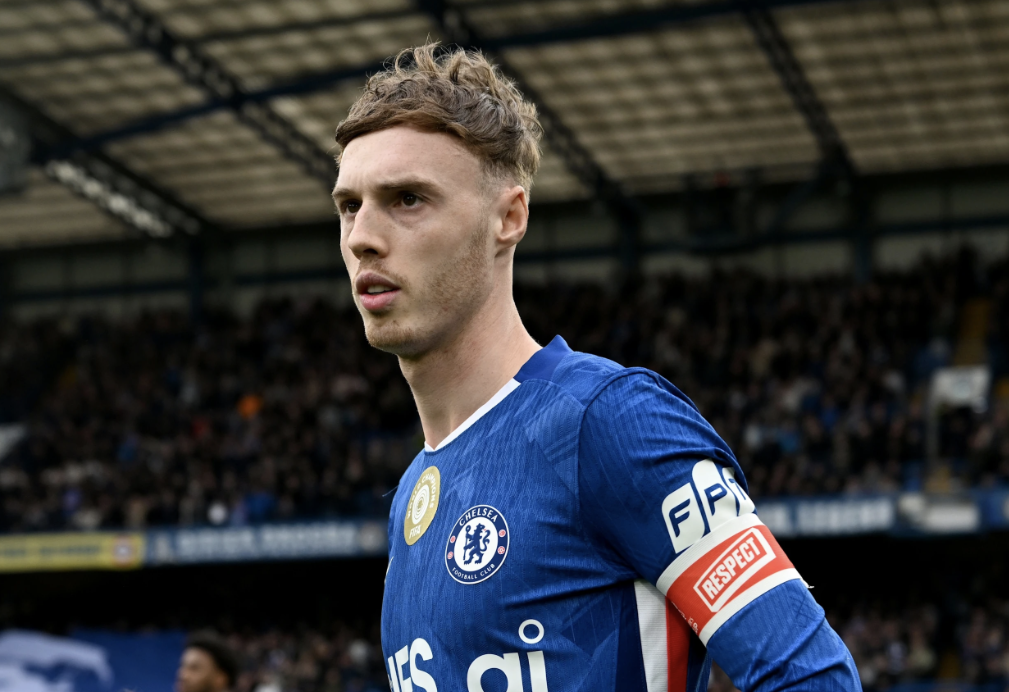
Trent Alexander-Arnold Returns to the England Squad for the First Time in Over a Year, and Cole Palmer Is Back Too After Their World Cup Snub

Gabriel’s Boot Caught Emiliano Martinez in the Head, and a Five-Person Premier League Panel Ruled It Was Never a Red Card

Floyd Samba Scores a Debut Double as a Teenager

Tottenham Spent £300m This Summer and Have Not Scored in Four Premier League Games for the First Time in the Club’s 144-Year History

Cyle Larin Scored Once in 15 Games on a Failed Feyenoord Loan, and Is Now Outscoring Kylian Mbappe and Erling Haaland at Southampton
Trending on Futbol Chronicle
The Best Soccer Players of All Time: The 10 Greatest Ever Ranked

Map of All the Premier League Teams for 2025/26
Josef Martinez Returns to MLS Spotlight With Columbus Crew Signing
Celta Vigo postpones LaLiga opener after fungus outbreak damages stadium pitch