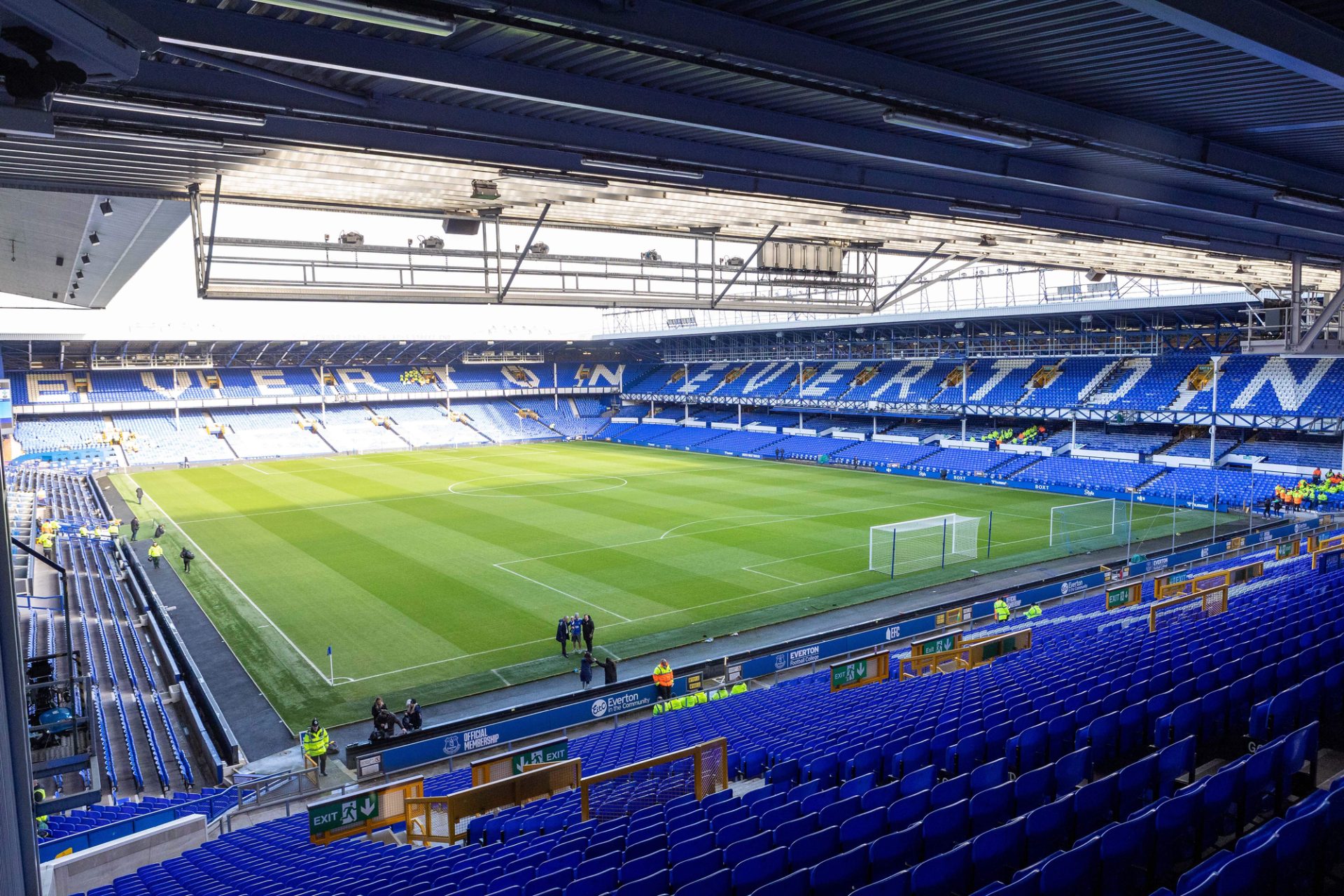
Why the USA’s World Cup Opponent Has Seventy Thousand Fans in St. Louis
Table of Contents
On the south side of St. Louis there is a wooden fountain that does not belong to Missouri. It is a replica of the Sebilj, the Ottoman era kiosk that sits in the old quarter of Sarajevo, and it was built here by people who carried the memory of the original across an ocean. The neighborhood around it has bakeries selling burek, cafes pouring thick Bosnian coffee, and rows of tidy brick houses bought and restored by families who arrived in the 1990s with almost nothing. When the United States walks out to face Bosnia and Herzegovina in the World Cup Round of 32 on July 1, the Americans may discover that their opponent has one of the loudest home crowds in the country, and that it lives a few hours up the road.
Roughly 60,000 to 70,000 Bosnians live in the St. Louis area, one of the largest Bosnian communities anywhere outside Bosnia itself. Most came as refugees from a war that tore Yugoslavia apart and left Sarajevo under the longest siege in modern European history. Three decades later, their children play for American high schools, work American jobs and, this summer, find themselves pulled between two flags. Bosnia chose St. Louis as its World Cup base for a reason. The team wanted to feel at home, and in St. Louis it does.
A neighborhood built by people who fled a war
The story of Bosnian St. Louis starts in fear. As Yugoslavia collapsed in the early 1990s, the war in Bosnia drove hundreds of thousands of people from their homes through ethnic cleansing, shelling and siege. The United States took in tens of thousands of refugees, and resettlement agencies steered many of them toward St. Louis, a city with cheap housing and a shrinking population that had room to spare. Word spread, families followed families, and a community took root in the Bevo Mill area that locals came to call Little Bosnia.
They rebuilt in a way that reshaped the neighborhood. Empty houses filled. Storefronts reopened as restaurants and travel agencies and coffee shops. Saint Louis University eventually opened a Center for Bosnian Studies, the first of its kind, to document a history that its students were living. The best selling item at the city’s Major League Soccer stadium is Bosnian food from a local restaurant. The community did not just survive in St. Louis. It left a mark on the place.
The team that came to them
When Bosnia qualified for the 2026 World Cup, the federation made a decision that blended logistics with feeling. It set up its American base in St. Louis, knowing the welcome that waited. Before a pre tournament friendly, a large crowd gathered outside the stadium to greet the players, waving the blue and yellow and chanting in a language most of the surrounding city does not speak. For the older generation, the ones who arrived as refugees, the sight of their national team training on the same ground where their children grew up was overwhelming.
Bosnia earned the trip the hard way. In qualifying they knocked out Italy, the four time world champions, winning 4-1 on penalties after a 1-1 draw. The decisive spot kick was converted by Esmir Bajraktarevic, a Bosnian-American raised in Appleton, Wisconsin, a detail that captures the strange double identity of this tournament for so many families. A young man born and raised in the American Midwest sent Bosnia to the World Cup and Italy home.
The 40 year old who still leads them
At the heart of the side is Edin Dzeko, forty years old and refusing to leave the stage. He scored against Qatar in the final group game to help drag Bosnia into the knockout rounds, the latest chapter in a career that began in a city under bombardment. Dzeko learned the game during the siege of Sarajevo, when a kickabout could be interrupted by sniper fire, and he has spent his professional life as the most famous face his country has produced. For the Bosnian families of St. Louis, he is not just a striker. He is proof of what their nation can still produce.
That is the emotional weight the United States runs into on July 1. The match is in Santa Clara, in the San Francisco Bay Area, far from Missouri, with kickoff at 8 p.m. Eastern. The neutral venue will not mute the noise. Bosnian fans have already shown they will travel, and a community that waited thirty years for this moment will not let distance keep it away.
Two flags, one allegiance for ninety minutes
For many Bosnian-Americans, the game forces a choice they would rather not make. They are American citizens, raised on American sports, and plenty of them grew up rooting for the U.S. men’s national team. Yet Bosnia is the country of their parents and grandparents, the place in the family stories, the reason for the fountain on the south side. Community leaders have described the coming match with a kind of nervous delight, a problem they are thrilled to have. Whoever wins, half of St. Louis celebrates and half of it aches.
The United States arrives as the favorite. Mauricio Pochettino’s team won Group D with victories over Paraguay and Australia, and on paper it has more quality and far more resources than Bosnia can call on. But the Americans have already learned this summer that a home World Cup does not guarantee a home crowd. They will need to handle an atmosphere that may feel less like a neutral knockout tie and more like an away game in their own country.
A community that changed St. Louis soccer
The Bosnian influence on St. Louis runs deeper than restaurants and a fountain. The city already had a soccer tradition older than almost anywhere in the country, but the arrival of tens of thousands of Bosnians, raised on the game, poured fresh energy into it. Bosnian kids filled youth leagues. Bosnian names appeared on college rosters and, eventually, in the professional ranks. When St. Louis landed its Major League Soccer team, the Bosnian community was one of the reasons the city could argue it deserved one.
That history gives the July 1 match an extra edge for the people of Little Bosnia. They are not casual observers borrowing a team for a few weeks. They are soccer people, raised on the sport, with strong opinions about formations and refereeing and which of their sons might one day wear the blue and yellow. Watching Bosnia reach the knockout stage of a World Cup, on American soil, in the country that gave them refuge, lands somewhere between sport and homecoming.
Younger Bosnian-Americans feel the pull in a more complicated way. Many of them have never seen Sarajevo. They know it through their grandparents’ stories, through summer visits, through the food and the language spoken at home. The national team is their clearest living link to a place they half belong to, and a deep run gives them something concrete to hold onto. For one tournament, the abstract idea of a homeland takes the shape of eleven players and a result.
What the match means beyond the result
Stories like this are the reason a World Cup on American soil was always going to be different. The United States is a country built by immigrants, and the tournament has turned that fact into a season long subplot. Mexican fans have packed stadiums, Ghanaian and Senegalese supporters have transformed host cities, and now a Bosnian community in the Midwest gets to see the team of its homeland play in the country that took its families in. The game on the field is one layer. The crowd around it is another.
For the refugees who arrived in the 1990s, the symbolism runs deep. They came to St. Louis with their lives in suitcases, having lost homes and relatives to a war the world watched and largely failed to stop. They built something new without forgetting what they left. A World Cup match between their old country and their new one is the kind of full circle moment that no script would dare invent.
All of this looked unimaginable thirty years ago. Families arrived in St. Louis having lost everything, unsure whether they would ever feel at home in a country whose language they did not speak. They turned a struggling corner of the city into a neighborhood other St. Louisans now seek out for its food and its life. A World Cup match is the loud, joyful surface of that story. The deeper part is the rebuilding that made the celebration possible.
Whatever happens in Santa Clara, the fountain will still stand on the south side, and the bakeries will still sell burek. The match will end, one set of fans will celebrate and the other will console itself, and both will go home to the same neighborhood. That is the quiet triumph buried inside this fixture. A people scattered by war found a place to belong, and for one night the whole country will see it.

Leave a Comment
More in News

Thierno Barry Was Filmed Crying In A Private Training Session Last Season, And He Has Already Scored In Three Games This Campaign

Gravenberch’s Red Card Sparks Referee Row in Liverpool’s Defeat to City

Moise Kean Will Miss Como’s Biggest Game of the Season After Cesc Fabregas Clashed With Italy’s Doctors

Oliver Glasner Returned to Crystal Palace and Fans Turned From Applause to Taunts as Forest Lost
Vinicius Red Card for Hair Pull Leaves Mourinho Snubbing the Press
Trending on Futbol Chronicle
Josef Martinez Returns to MLS Spotlight With Columbus Crew Signing
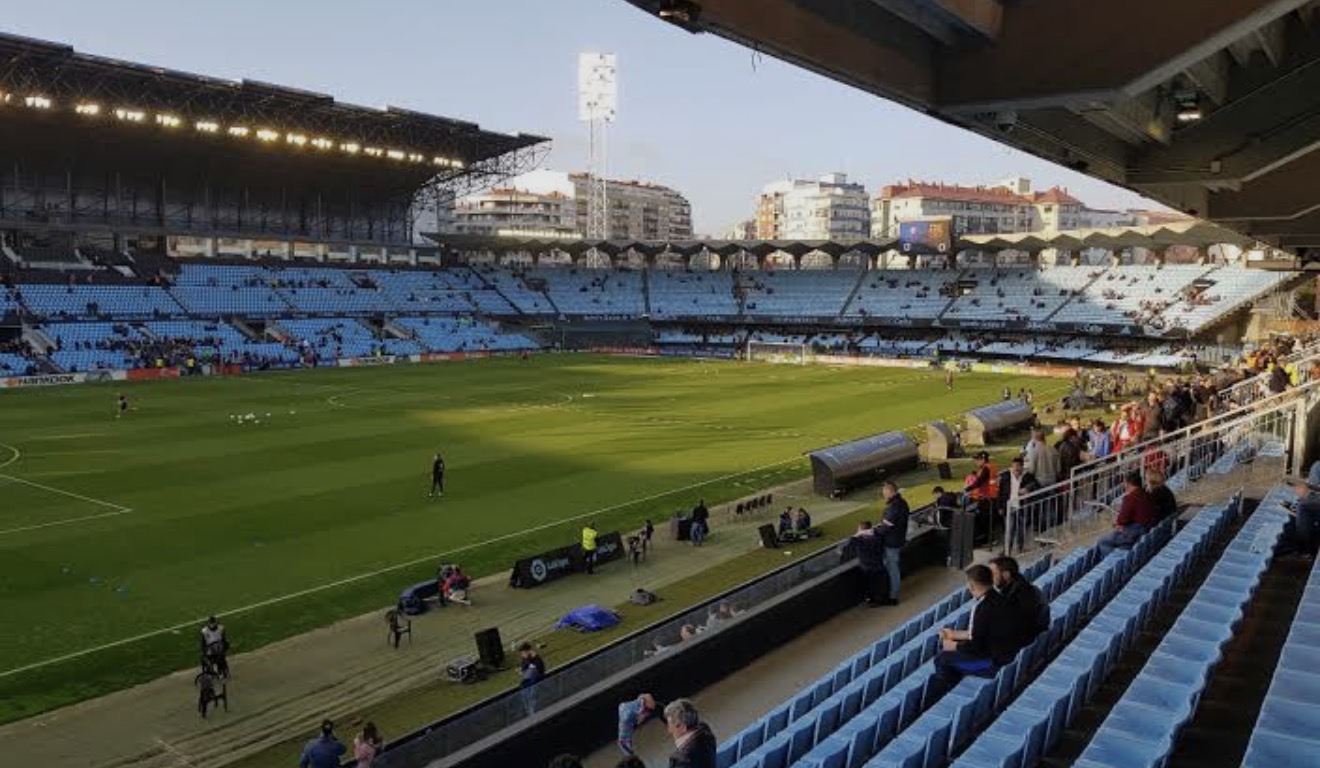
Celta Vigo postpones LaLiga opener after fungus outbreak damages stadium pitch
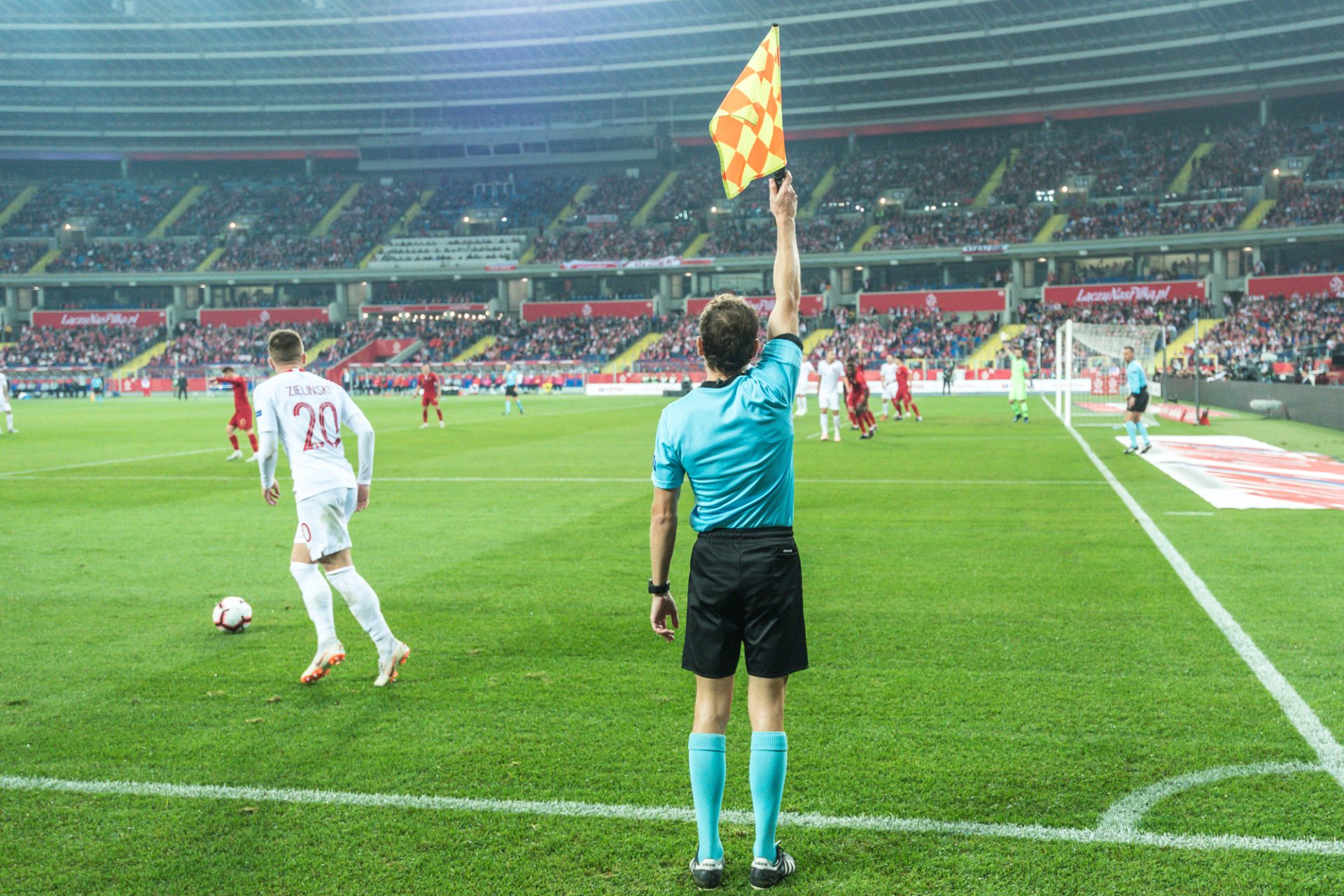
What Is Offsides in Soccer? The Offside Rule Fully Explained
What Is The Club World Cup?