FA Panel Says Isak Lost Control, Clearing Yoro of Anfield Red Card
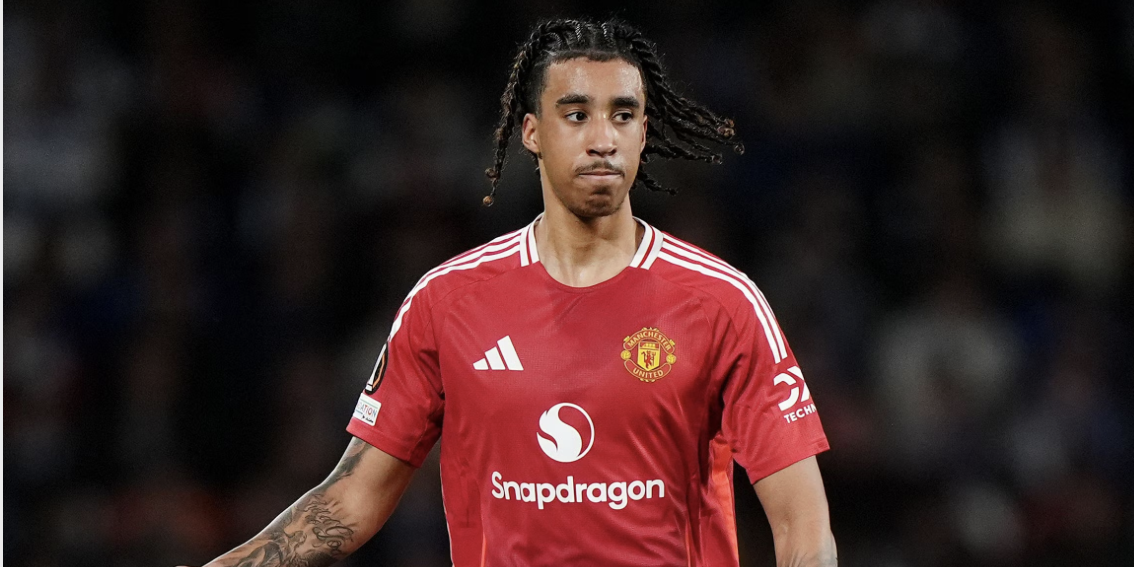

Table of Contents
- A three-member FA commission was unanimous that Alexander Isak would not have had an obvious goalscoring opportunity after a heavy touch that cost him control of the ball.
- United’s data analysis put Isak 1.8 metres short of the ball at best, but the FA said it could not verify the analysis and treated it with caution.
- Pro Ref chief Howard Webb said the red card was not clearly wrong, and the Premier League’s own Key Match Incidents panel is understood to have voted 5-0 to back it (per Daily Mail).
The FA Says Isak’s Heavy Touch Handed Control to Lammens
The Football Association published its written reasons on Thursday for rescinding Leny Yoro’s red card at Anfield, and they say Alexander Isak had already lost control of the ball. All three former professional footballers on the commission agreed that his touch was heavy enough to pass control to the advancing United goalkeeper, Senne Lammens. The finding cuts across Pro Ref, the refereeing body, which said the on-field decision was correct.
What the Commission Decided
Referee Sam Barrott showed Yoro a straight red card in the eighth minute of a 4-0 defeat, for denying an obvious goalscoring opportunity after the defender brought down Isak as the last man outside the penalty area. VAR John Brooks agreed. United appealed, and the commission rescinded Yoro’s one-match ban on Tuesday.
The panel was Stuart Ripley, chairman of the FA’s Judicial Panel and a former Premier League winger; Mick Kearns, a former First Division goalkeeper; and Tony Agana, a former First Division striker.
“The Commission members were unanimous that, taking the foul committed by Yoro out of the scenario, Isak would not have had an obvious goal-scoring opportunity,” the statement read.
The reasoning followed: “Despite the fact that Isak had reached the ball initially, his touch was heavy to the extent that he had in fact lost control of the ball – that control had, in effect, passed to the advancing MUFC goalkeeper who in the view of the Commission would have been able to gather or smother the ball before AI [Alexander Isak] could get to it and shoot at goal.”
On the referee: “To the mind of the Commission, the referee had made an ‘obvious error’ in deciding that AI would have had an obvious goal-scoring opportunity.”
What United Put in Front of the Panel
United submitted three high-definition clips of the incident from different angles, in slow motion and real time. They added footage of Pascal Struijk’s red card for Brighton against Sunderland, another denial of an obvious goalscoring opportunity that was overturned on appeal.
The most detailed part came from United’s data department, led by Michael Sansoni, formerly of Formula One. A letter to the panel set out a technical analysis of Isak’s chance of reaching the ball after his heavy touch, allowing for the possibility that he kept his speed and direction from the moment his legs first made contact with Yoro. United’s analysis claimed Isak was “at best 1.8m short of reaching the ball”.
The FA said it had no way of determining that analysis itself, so it was “viewed with caution and allocated weight accordingly”. The commission agreed unanimously that the incident was not a red card offence and did not meet the threshold for denying an obvious goalscoring opportunity.
Why the Referees See It Differently
Webb defended his officials, as he did in October when he backed VAR over a Botman yellow card.
“That (the red card) was the referee’s call, made on the field,” said Webb. “Then the VAR checks whether the decision made on the field was clearly and obviously incorrect – and formed the opinion it wasn’t.”
He added: “I think by and large, most people would see that as a correct decision, with Isak moving quickly on towards that ball. The alternative view is that Lammens might get there first, but I think it’s a little bit debatable, I guess. Certainly not clearly wrong.”
United sources are understood to have branded that interpretation “totally wrong” and to say it is a process error that fails to interpret the rules properly.
Audio from the officials revealed that VAR Brooks decided Isak was “likely” to get on the end of the ball before Lammens.
This is not the first time this season that such a red card has split the authorities. In October, two independent panels disagreed over whether Struijk deserved to be sent off at Sunderland. A regulatory commission overturned the red card and the one-match ban. The Key Match Incidents panel, which determines the validity of refereeing decisions, voted 3-2 that the VAR intervention was correct. It ruled that Struijk committed a “cynical foul clearly impacting the attacker’s ability to gain possession of the ball which should have been penalised by the referee”.
The same panel is understood to have voted 5-0 that Barrott was right to send Yoro off, and to have backed VAR’s decision not to intervene. Premier League officials are understood to be “shocked and furious” that the FA overturned the red card. The panel’s findings are due on Wednesday 2 December.
Two Sides, One Foul
United dispute that it was a subjective call and say data proves Isak could not have reached the ball before Lammens, even at top speed. Players and pundits are split too, with Kobbie Mainoo against the red card and Gary Neville for it.
Mauricio Pochettino questioned why VAR let the original decision stand. “We can accept referee can make a mistake. But we have VAR. What were they doing?” he said. “We are going to repeat the game? Play similar tools the game XI v XI? We have an unbelievable car but we have to be at the level to drive. We accept the technology.”
Yoro is free to play against Brentford at Old Trafford on Saturday. If the 5-0 vote is confirmed, the Premier League’s own panel and the FA’s commission will have reached opposite verdicts on the same foul.

Leave a Comment
More in News

Glasner Says Some Forest Players Cannot Speak English After Four Years
Emery Leaves Garnacho Out of Villa Squad Entirely After Seven Bench Appearances

Pochettino Says Barcola Touched Man Utd’s Wall as Yoro’s Red Is Overturned

Haaland Admits Man City Are Questioning Everything After Napoli Draw: It Hurts

Gyokeres Says Goals Are Coming After Arsenal Fire 30 Shots Against Dortmund
Trending on Futbol Chronicle
Michael Carrick admits Manchester United have “no excuses” after AC Milan defeat
Mikel Arteta backs ‘warrior’ Bruno Guimarães to make Arsenal stronger
The Best World Cup YouTubers to Follow in 2026
Josef Martinez Returns to MLS Spotlight With Columbus Crew Signing