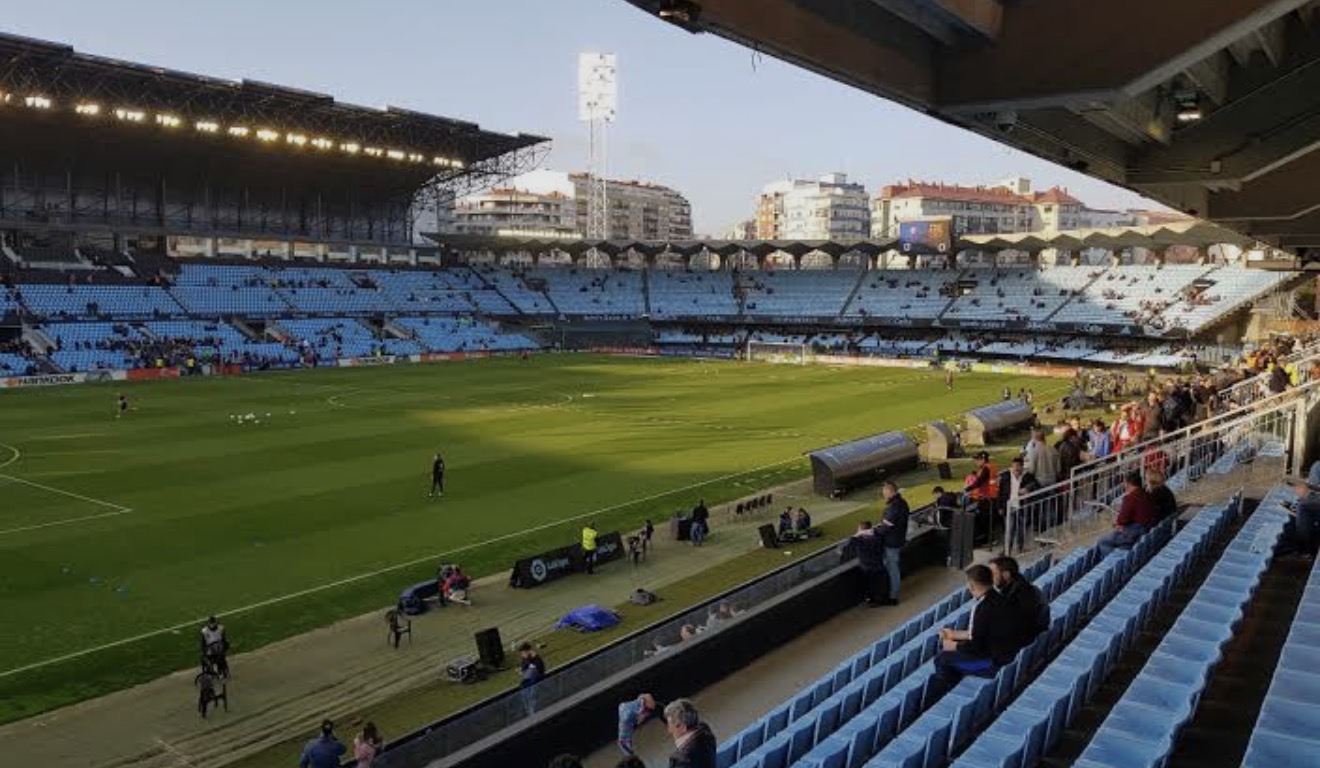
Ibrahim Mbaye Is Eighteen and Just Became the Youngest African to Score at a World Cup
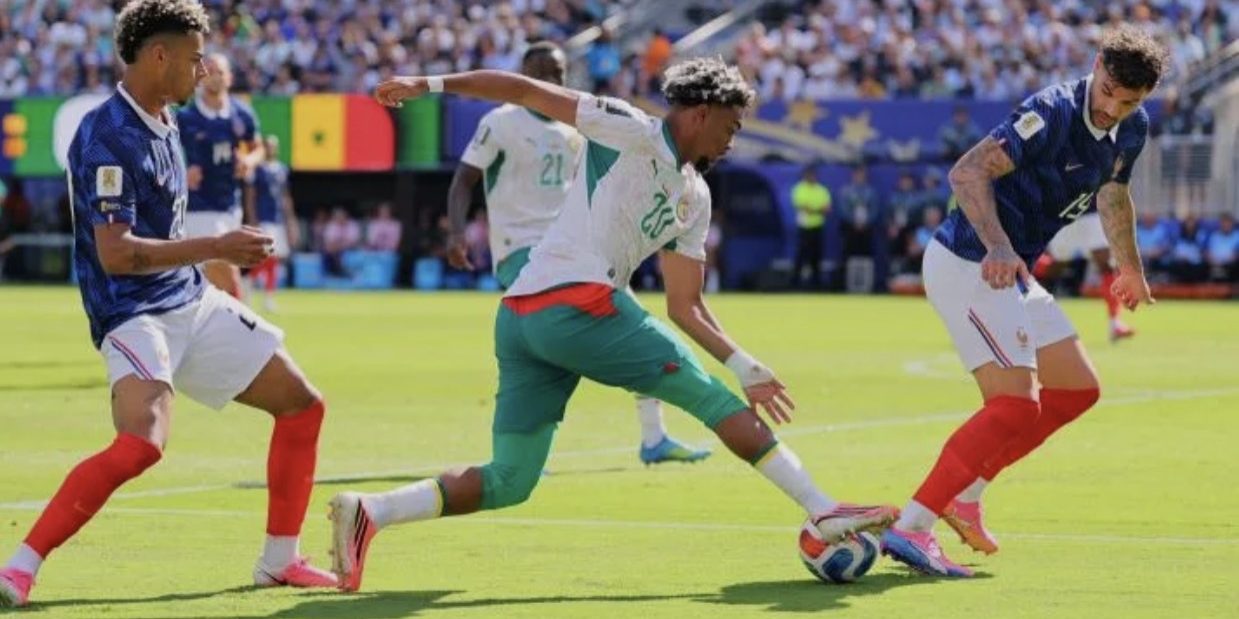

Table of Contents
Senegal were losing to France, the team that knocked them out of the world’s reckoning every time the two meet, and the game looked gone. Then a teenager who was not even born when France last won the World Cup picked up the ball, drove at a defence full of household names, and finished. Ibrahim Mbaye was eighteen years and a few months old. In that single moment he became the youngest African ever to score at a FIFA World Cup, a record that had stood since 2018.
Senegal still lost, 3-1. Records set in defeat are bittersweet things. But anyone watching understood they had seen something that outlasts a scoreline. The boy from a Paris suburb, who could have worn the blue of France but chose the green of his parents’ homeland, had announced himself on the only stage that confers true football immortality. This is how a career changes in ninety seconds.
A Record That Stood Since Russia
The previous mark belonged to Moussa Wague, who scored for Senegal against Japan at the 2018 World Cup in Russia at the age of 19 years and 263 days. Mbaye broke it comfortably, scoring at 18 years and roughly 142 days. To put that in context, he is now the fourth youngest goalscorer in the entire history of the World Cup, behind only Pele, the Mexican Manuel Rosas, and Spain’s Gavi. That is the company a goal against France buys you.
Records like this are not just trivia. They mark the arrival of a player the sport will track for the next fifteen years. Wague’s record came with similar fanfare, and while injuries complicated his path, the symbolic weight of being the continent’s youngest World Cup scorer never left him. Mbaye now carries that same label, except he carries it for a player widely regarded as one of the brightest talents in European football, not a relative unknown.
From Trappes to Paris Saint-Germain
Mbaye was born on 24 January 2008 in Trappes, a town in the western suburbs of Paris that has produced a remarkable number of artists, athletes and public figures despite its tough reputation. His parents are Senegalese. Like so many talented children of the French banlieues, he came up through a system that funnels the best young players toward the giants of the European game, and he ended up at Paris Saint-Germain, the richest and most ambitious club in France.
At PSG, a winger earns a reputation through pace, creativity and composure in front of goal, the three qualities that scouts had been praising in Mbaye long before this tournament. Breaking into that first team, surrounded by some of the most expensive attackers on the planet, is itself a statement. Doing it as a teenager born in 2008 borders on the absurd. The World Cup goal was not a fluke. It was the logical next step for a player his club had been protecting and promoting with care.
The Choice Between France and Senegal
Born in France to Senegalese parents, Mbaye faced the same crossroads that has shaped African football for a generation. France’s national side is built in large part on players of African heritage raised in its cities, and a talent of Mbaye’s level would have been welcomed into the French youth setup. He chose Senegal, the country of his family, and on his World Cup debut he scored against the very nation he could have represented.
It is a decision loaded with meaning. For Senegal, securing a player of his ceiling against the pull of France is a quiet victory in a long competition for dual-national talent. For Mbaye, scoring against France in his first World Cup match is the kind of storyline scriptwriters would reject as too neat. The Teranga Lions found their silver lining in a heavy defeat, and that silver lining is eighteen years old with the best of his career ahead of him.
Africa’s New Generation Steps Forward
Mbaye’s goal fits a wider pattern at this World Cup, where African football keeps producing moments that reshape how the rest of the world sees it. Smaller nations are punching above their weight and established powers are leaning on young stars. The expanded 48-team tournament has handed the continent more places and more chances to show its depth, and a new generation is grabbing them.
The drama has not been confined to one squad. Cape Verde’s forty year old goalkeeper made seven saves to stun Spain on debut, proof that the smallest nations can trouble the biggest. Off the pitch, the modern African squad is increasingly global, a point our look at how only ten of Haiti’s World Cup players were born in Haiti made about diaspora football more broadly. Mbaye, born in Trappes and playing for Senegal, is part of that same story of heritage and choice.
The Pressure of Being the Next Big Thing
There is a danger in moments like this. A teenager scores against France, the headlines explode, and suddenly the weight of a nation’s expectation lands on shoulders that have barely begun to carry it. Senegal have managed sensitive transitions before, and their coaching staff face questions about how much to lean on Mbaye in the matches that follow, against the risk of burning out a player who should be eased into the spotlight rather than thrown under it.
Senegal are not the only side wrestling with how to handle change at this World Cup. Even Morocco replaced their semi-final coach with a first-time boss before the tournament, a reminder that African football is in a period of bold, sometimes risky decisions. For Mbaye, the smartest path is the simplest. Keep developing at PSG, keep enjoying the game, and let the records take care of themselves.
A Name to Remember
Pele, Rosas, Gavi, Mbaye. It is a strange and wonderful thing to see a teenager’s name slotted into a list like that after a single goal. Most players spend a whole career chasing a place in World Cup history and never get close. Mbaye has one already, achieved in his first match, against the world’s most feared attacking nation, for the country his family calls home.
Senegal will hope this is the beginning rather than the highlight, that the boy from Trappes grows into the player his goal suggested he might become. The history books are written. The future is wide open. For one evening, an eighteen year old made a heavy defeat feel like a promise, and African football found another reason to believe its brightest days are still ahead.

Leave a Comment
More in News

Moyes Says Everton Supporters Are Not Wrong to Fear Losing Harrison Armstrong

Iraola Faces Alexander Isak Puzzle as Liverpool Search for Their First Win

De Zerbi Admits Finding the Right Mentality Is Tottenham’s Biggest Challenge

Emiliano Martinez Closes In On Chelsea Move After Robert Sanchez Error

Simeone Vows To Make Alvarez Feel Important Again Amid Barcelona Exit Talk
Trending on Futbol Chronicle
Mikel Arteta backs ‘warrior’ Bruno Guimarães to make Arsenal stronger

What Is The Club World Cup?
Michael Carrick points to lack of sharpness after Manchester United draw with West Ham
The Best World Cup YouTubers to Follow in 2026