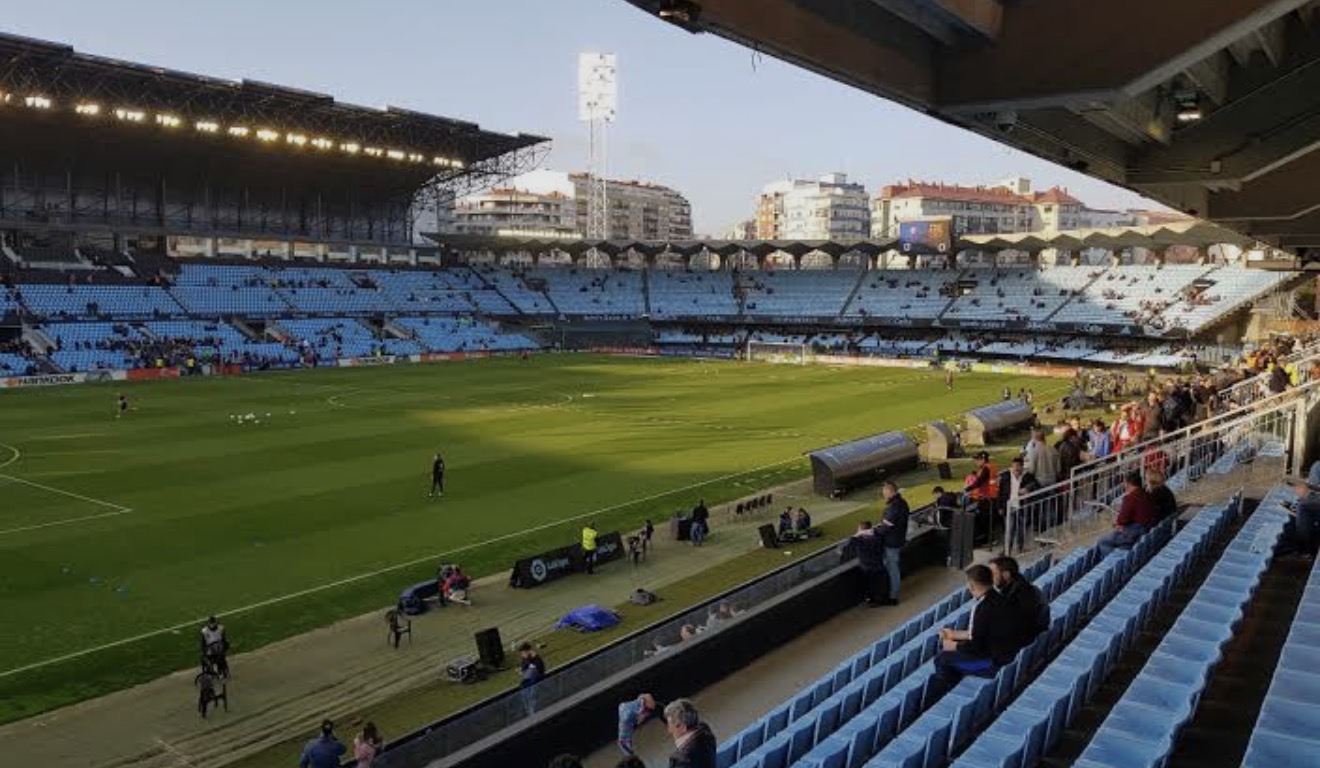
Christian Pulisic Watched the USA Win Without Him and Now Returns for the Knockouts
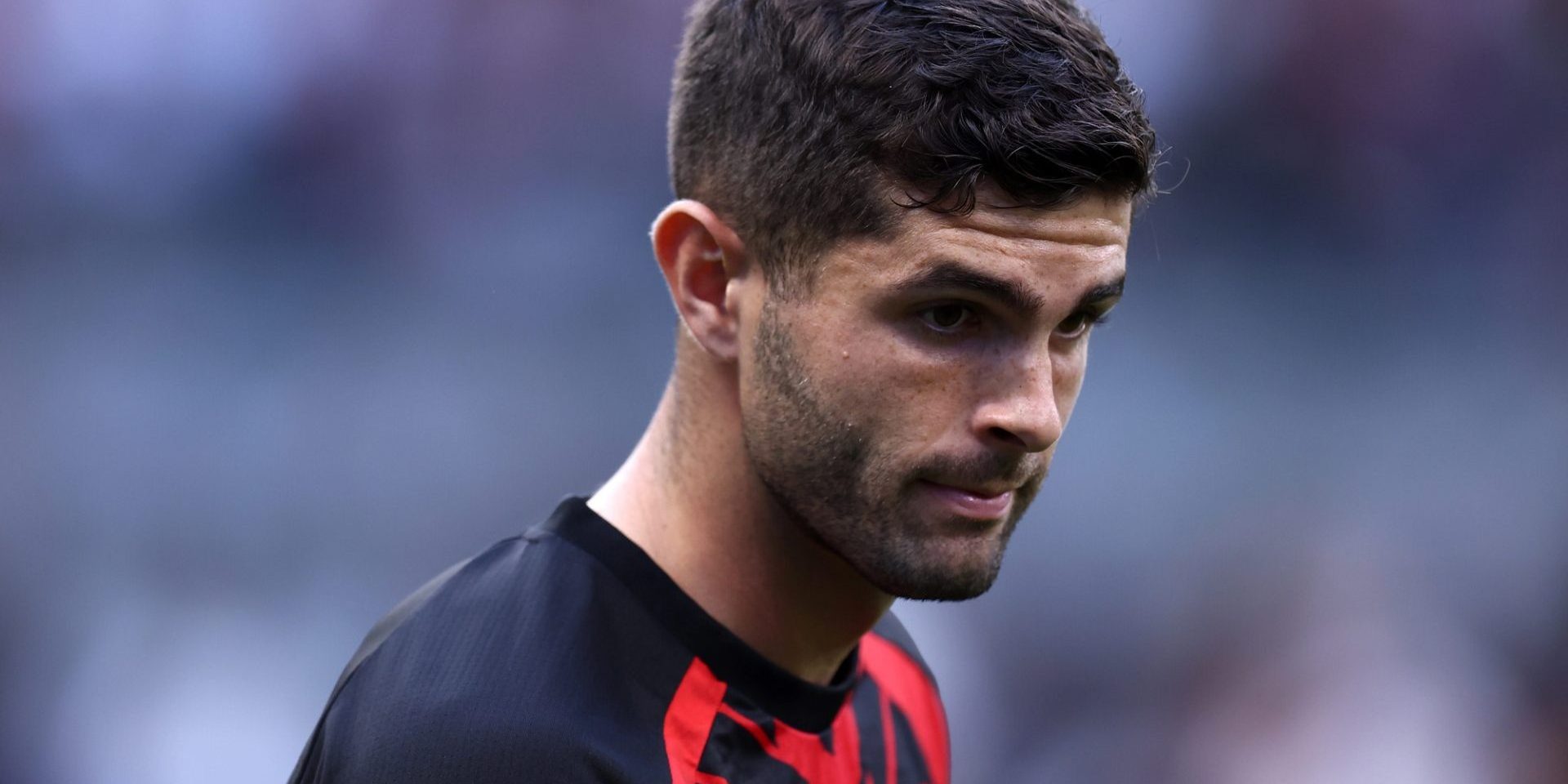

Table of Contents
Christian Pulisic spent the most important night of the United States’ group stage in the worst place a captain can be, off the field and unable to do anything about it. As his teammates beat Australia 2-0 to lock up a spot in the World Cup knockout rounds, the face of American soccer watched from the sideline, a bag of ice on his calf and a knot in his stomach. The team he has carried for the better part of a decade had just proven it could win without him. For Pulisic, that was both a relief and a strange, unfamiliar ache.
Now, with the United States through to the Round of 32 as Group D winners, the story turns to whether Pulisic returns at full tilt for the knockout games that will define this home World Cup. The injury was never catastrophic. The timing, on the sport’s biggest stage in his own country, made it feel that way. How Mauricio Pochettino manages his star over the coming days could shape how far this American team goes.
The Kick That Changed the Plan
The trouble started against Paraguay. Pulisic was caught with a kick to the calf late in the first half, an awkward, painful collision that forced him off before the break. It was not the first blow to that leg. Reports indicated he had taken a knock to the same calf in training two days earlier, leaving the area tender before the tournament had even properly begun for him.
The medical staff played it cautious, and given what was at stake, they had to. A calf strain that lingers is the kind of injury that can quietly wreck a tournament if it is rushed. So Pulisic sat out the Australia match entirely, ruled out of the clash with the calf problem still unresolved. For a player who has waited his whole career for a World Cup on American soil, sitting in a tracksuit while history unfolded was its own kind of torture.
The encouraging news came quickly. Pulisic returned to training with his teammates early in the week, a sign that the injury was responding well and that the worst-case scenarios had not materialized. Pochettino spoke optimistically about his captain’s recovery, though the coach was careful not to commit to anything before he had to.
The Team That Grew Up Without Him
Here is the wrinkle that makes this story more than an injury update. The United States did not just survive without Pulisic. They thrived. The 2-0 win over Australia was controlled, mature and built on the kind of squad depth that the program has spent years trying to develop. Players who have lived in Pulisic’s shadow stepped forward and looked entirely comfortable in the spotlight.
That counts for a great deal at a national team that has long been accused of leaning too heavily on one man. For all of Pulisic’s brilliance, the criticism has always been that the United States rises and falls with his mood and his fitness. The Australia performance was the clearest evidence yet that this is no longer a one-man team. The depth Pochettino has assembled gives the United States options it simply did not have at previous tournaments.
None of that diminishes what Pulisic brings. A fully fit captain operating at his ceiling is still the single biggest factor in how dangerous this American side can be. But there is a quiet confidence now, a sense that the team can absorb the loss of any individual and keep functioning. For a knockout tournament, where one bad night ends everything, that resilience could be the difference.
Pochettino’s Balancing Act
Mauricio Pochettino has worked through this group stage with a clear philosophy: protect his most valuable assets and trust his depth. With the United States already assured of first place in Group D before the final match against Türkiye, the coach had the luxury of resting key players rather than risking them in a game that meant nothing to the standings.
Pulisic’s calf was the obvious case study. There was no reason to push him back into action against Türkiye when the knockout opener loomed as the real prize. Pochettino has shown throughout his career that he thinks in arcs rather than individual games, and his handling of the captain reflects that. Every decision has been pointed toward having Pulisic at his sharpest for July, not at his most available for a dead rubber.
The American knockout campaign begins on July 1 in Santa Clara, California, and that date has been circled in red since the calf injury first flared. Pochettino does not need Pulisic to be a hero against Türkiye. He needs him whole, rested and ready for the matches where the margins shrink and the stakes climb. The patience now is an investment in the explosion later.
What This Means for the American Game
Pulisic’s career has run almost perfectly alongside the maturation of American soccer. He left for Europe as a teenager, became the most expensive American player in history when Chelsea signed him, and shouldered the expectations of an entire sporting nation hungry for a star who could compete with the best. A home World Cup was always going to be the chapter that defined him.
That this tournament arrived with the United States no longer dependent on him is, in a sense, the legacy he was meant to leave. The program is deeper, the talent pool wider, the belief greater. Pulisic helped build the platform that now lets younger teammates carry the load when he cannot. Watching them win in his absence was painful, but it was also proof that the thing he has worked toward is finally real.
The next two weeks will reveal how this fits together. A healthy Pulisic leading a deep, confident United States team through the knockout rounds is the dream scenario American soccer has chased for thirty years. The calf will heal. The question is whether the captain and the country he represents can turn this home tournament into the moment they have always imagined.
The Weight He Has Carried
To appreciate why one calf injury became national news, you have to understand what Pulisic has represented for American soccer over the last decade. He emerged from Hershey, Pennsylvania, joined Borussia Dortmund’s academy as a teenager, and forced his way into the first team at an age when most American prospects are still in college. When Chelsea paid a reported sum that made him the most expensive American player in history, he became more than a footballer. He became proof that the United States could produce a star capable of thriving at the very top of the European game.
That status came with a burden few athletes carry. Every United States camp, every qualifying cycle, every tournament has been framed around his availability and his form. When he played well, the team looked transformed. When he struggled or sat out, the doubts came flooding back. For years, the national team’s ceiling seemed tethered to one man’s hamstrings and ankles, a fragile arrangement for a program with grand ambitions.
The home World Cup was supposed to be the payoff for all of it, the stage where Pulisic and the country that invested so much hope in him would finally meet the moment together. The calf injury threatened to turn that long-awaited arrival into something bittersweet, the captain watching from the sideline as his career-defining tournament unfolded without him. That it did not break that way is a credit both to the medical staff and to the depth around him.
Depth as a Legacy
The most telling part of this episode is what it revealed about how far the United States program has come. A decade ago, losing Pulisic for a knockout-deciding match would have felt like a death sentence. Now it produced a controlled, professional victory and a group of players who looked entirely at home on the sport’s biggest stage. The talent pool that once narrowed to a single name has widened into something deeper and more resilient.
Pochettino deserves significant credit for building that depth and for trusting it when it counted. Hired to maximize a home World Cup, the Argentine has spent his tenure expanding the pool of players capable of contributing rather than narrowing his reliance on a few stars. The Australia win was the philosophy paying off in real time, a team that no longer holds its breath every time its captain takes a knock.
For Pulisic personally, there is something poignant in watching the program reach the point where it can function without him. The platform he helped build is now sturdy enough to stand on its own. That is what the best players leave behind, not just their own highlights but a structure that outlasts their availability. The depth that covered for him in the group stage is, in a real sense, part of his legacy.
The Return
For now, Christian Pulisic is back on the training field, testing the leg, counting down to the knockout match that could change everything. He spent one night watching from the outside, and by all accounts he hated every minute of it. The United States proved they could win without him. He intends to prove they are even better with him.
The home World Cup he dreamed about as a kid in Pennsylvania is still in front of him, intact, waiting. A calf injury delayed his entrance into the knockout stage. It did not write him out of the story. If anything, it set up the kind of return that careers are remembered for, the captain stepping back into a team that learned, briefly and painfully, what life looks like without him.

Leave a Comment
More in News

Pierre Sage Says He Is Not at an Attraction Park After Painful First Defeat at Crystal Palace

Liverpool Reach £120m Agreement in Principle to Sign PSG Forward Bradley Barcola
Xabi Alonso Refuses to Rule Out Enzo Fernandez Exit as Manchester City Prepare Fresh Bid

Manchester City Complete Record £86m Deal for Teenage Midfielder Ayyoub Bouaddi

Cole Palmer Returns to Form as Chelsea Sweat Over Robert Sanchez Goalkeeper Crisis
Trending on Futbol Chronicle
Arab football federations back Gianni Infantino as FIFA president faces growing opposition
Josef Martinez Returns to MLS Spotlight With Columbus Crew Signing
What Is Offsides in Soccer? The Offside Rule Fully Explained
Mikel Arteta backs ‘warrior’ Bruno Guimarães to make Arsenal stronger