Uruguay Went to the World Cup as Contenders and Left Without a Single Win
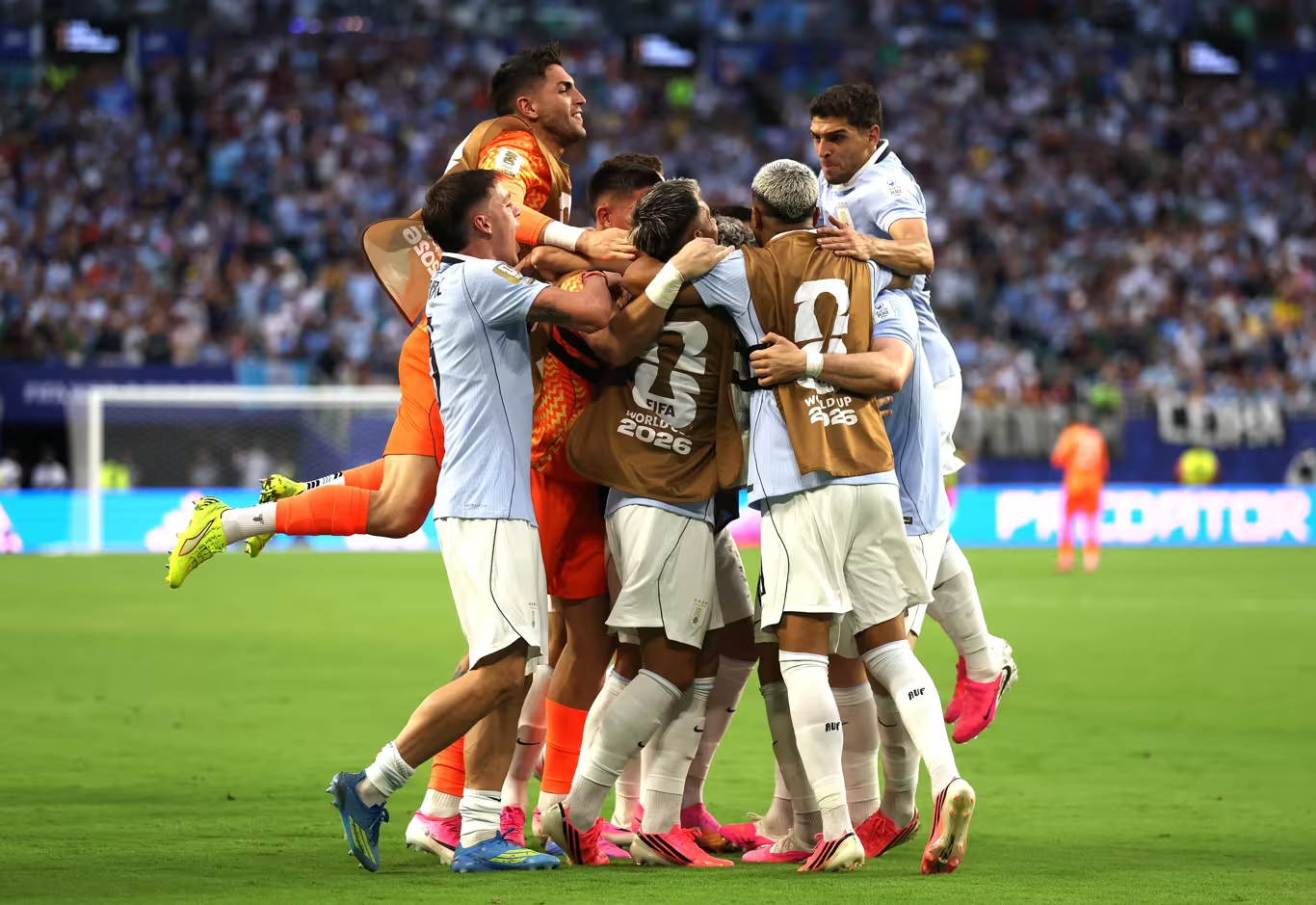
Table of Contents
Fernando Muslera got both hands to the ball. That is the cruel part. In the forty-second minute of Uruguay’s final group game against Spain, Alex Baena struck a shot that the goalkeeper read and reached, a save he had made ten thousand times across two decades at the top. His palms met the ball. And then, somehow, he steered it into his own net rather than away from it. Spain led 1-0, Uruguay never recovered, and a side that had arrived at the 2026 World Cup as quiet contenders went home without a single victory. The highest-ranked team eliminated in the group stage did not lose to a moment of brilliance. They lost to a goalkeeper’s hands betraying him at forty.
A Tournament That Never Caught Fire
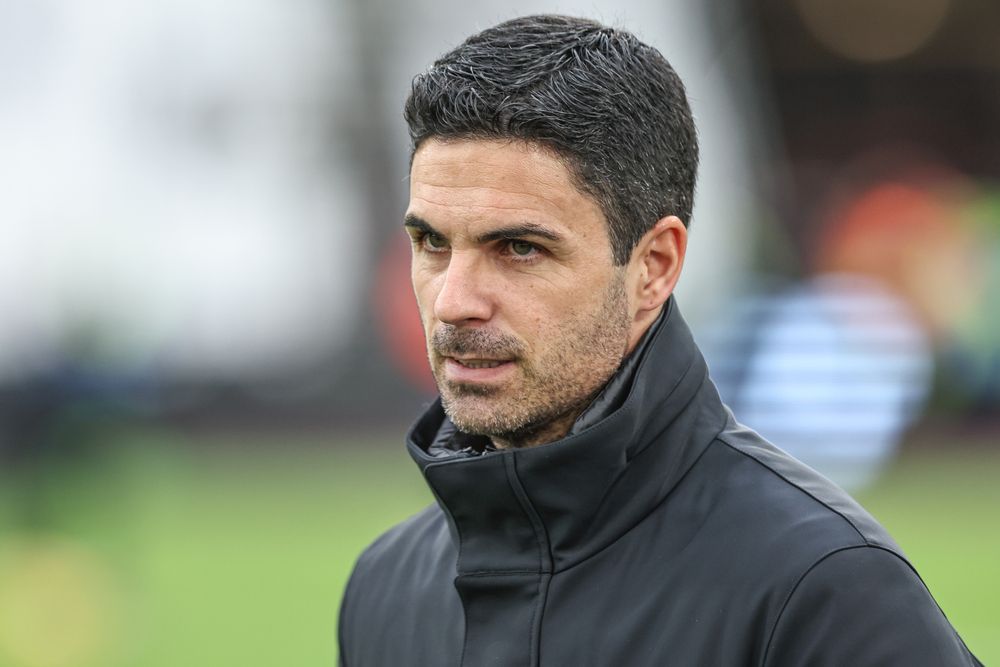
Uruguay came to North America carrying the weight of expectation that always trails them. Marcelo Bielsa, one of the most influential coaches of his generation, had spent eighteen months drilling his ideas into a squad that mixed grizzled veterans with a promising new wave. They were nobody’s favourites, but plenty of analysts pencilled them in for a deep run. The reality was a slow drift toward the exit. A draw with Saudi Arabia in the opener raised eyebrows. A 2-2 with debutants Cape Verde turned concern into alarm. By the time Spain arrived, Uruguay needed a win and nothing less, and they could not find one.
Three games, two draws, one defeat, no wins. For a nation that reached the semi-finals as recently as the past decade and treats the World Cup as part of its national identity, the numbers are a wound. Uruguay have always punched above their population, a country of fewer than four million that has won the tournament twice and bullied giants for a century. This time the punching stopped. The attack misfired, the old certainties at the back wobbled, and the margins that usually fall their way fell against them.
The Goalkeeper Caught in the Middle
Muslera’s error against Spain was the headline, but it was not an isolated lapse. The forty-year-old was arguably at fault for all four goals Uruguay conceded across their three matches, a brutal statistic for a player who has given his country fifteen years of distinguished service. He has been Uruguay’s goalkeeper since the 2010 World Cup, a fixture through golden generations and lean years alike, the man behind Diego Godin and a procession of hard-nosed defenders. To watch him struggle at this tournament was to watch time do what it does to even the most reliable athletes.
What happened at half-time told its own story. Bielsa revealed afterwards that Muslera asked to come off, and was replaced by Sergio Rochet for the second half. “It’s a decision Muslera took himself,” the coach said. After his costly error, the goalkeeper was substituted in a World Cup match for the first time in his entire career. There was no injury, no tactical reshuffle forced by the scoreline alone. A proud veteran looked at the situation, understood what his mistake had cost, and chose to step aside. Few moments in this tournament have carried such quiet devastation.
Bielsa’s Gamble on Experience
The selection of Muslera was always a decision rooted in trust rather than form. Bielsa values leadership and composure, and a goalkeeper who has seen everything offers both. The gamble was that a forty-year-old could still produce when the biggest moments arrived. It did not pay off, and the questions will follow Bielsa home. Uruguay had younger options. They had alternatives who might have reacted differently to Baena’s shot. The coach backed his man, and his man could not deliver, and that is the kind of call that defines how a tournament is remembered.
Bielsa is no stranger to bold choices that divide opinion. His career is built on conviction, on systems pushed to their limits and players asked to run themselves into the ground for an idea. When it works, the football is intoxicating. When it does not, the failures are stark and public. This was one of the stark ones. Uruguay played his way, pressed and probed, and still could not score the goals their position demanded. The blame will be spread between a misfiring attack, a defence that lost its edge, and the goalkeeper whose mistakes proved fatal.
The End of a Generation
This World Cup was meant to be a bridge for Uruguay, a tournament where the survivors of past glories handed the baton to the next group. Instead it became a reckoning. Muslera is forty. Several of the squad’s leaders are deep into their thirties. The brutal arithmetic of international football says many of them will never wear the shirt at a World Cup again, and they leave on the lowest note imaginable, beaten not by a superior opponent in full flow but by their own errors in tight games they should have managed.
For the younger players, the lesson is harsh but useful. Uruguay’s reputation was built on a refusal to be intimidated, on squeezing every drop from limited resources, on a defensive meanness that suffocated better teams. That identity slipped at this tournament. The next coach, whoever inherits the project, will have to rebuild it from the back, and that work begins with finding a goalkeeper to replace a man who gave everything for a decade and a half before his powers finally faded on the biggest stage.
An Attack That Forgot How to Score
The goalkeeping mistakes grabbed the attention, but Uruguay’s exit was a team failure as much as an individual one. Across three matches they managed a single goal from open play and could not break down two opponents they were expected to beat. The forwards who were supposed to carry them looked short of sharpness, the midfield struggled to create clear chances, and the bold pressing game Bielsa demands left gaps that better-drilled sides would have punished even more heavily. A team does not go home winless on one error alone.
Uruguay have spent the past fifteen years built around a spine of elite talent, the kind of players who dragged them to a World Cup semi-final and made them a fixture in the latter stages of major tournaments. That spine has thinned. The replacements are promising but unproven, and the gap between the generation that announced Uruguay as a force and the one charged with carrying it forward was exposed under the brightest lights. Bielsa was hired to manage that transition, and this tournament suggests the work is nowhere near finished.
There is history at stake too. Uruguay are a two-time world champion, winners of the very first World Cup in 1930 and again in 1950, a country whose footballing identity is bound up with the tournament more tightly than almost any other. To exit at the group stage without a win is not merely a poor result. It is a blow to a sense of self, a reminder that reputation guarantees nothing once the matches begin. The soul-searching back home will be loud, and it will not stop at the goalkeeper.
What It Means for the Tournament
Uruguay’s exit reshapes the knockout bracket. A team that many expected to trouble the favourites is gone, and the path opens for others. Spain, the reigning European champions, escaped their group despite their own stuttering form, and they did so partly because an opponent gifted them a goal. Cape Verde, the tiny island nation playing in their first World Cup, took a point off Uruguay and announced themselves to the world. The story of this group will be told as much through who went out as who advanced, and Uruguay’s collapse is the part nobody saw coming.
There is a broader thread here too. This tournament has been unkind to the established names. Pre-tournament dark horses have stumbled, debutants have stunned giants, and the comfortable hierarchy of world football has been shaken in the opening fortnight. Uruguay are the most prominent casualty, a two-time champion sent home before the knockouts by the smallest of margins. In a competition expanded to forty-eight teams and built to reward consistency, they could not string together even one good night.
A Quiet Goodbye
Muslera walked off at half-time against Spain and, in all likelihood, walked out of World Cup football for good. There was no grand farewell, no guard of honour, no perfect ending. There was a save that turned into a goal, a decision to step aside, and a long second half spent watching from the bench as his country’s tournament drained away. He deserved better, and he knew it, and he chose to take himself out of the firing line rather than risk more damage. That instinct, to protect the team even at the cost of his own pride, is the same instinct that made him a great servant for fifteen years. Uruguay leave this World Cup diminished and searching for answers, but their goalkeeper leaves having given the shirt everything he had, right up to the moment his hands let him down.

Leave a Comment
More in News

Thierno Barry Was Filmed Crying In A Private Training Session Last Season, And He Has Already Scored In Three Games This Campaign

Gravenberch’s Red Card Sparks Referee Row in Liverpool’s Defeat to City

Moise Kean Will Miss Como’s Biggest Game of the Season After Cesc Fabregas Clashed With Italy’s Doctors
Oliver Glasner Returned to Crystal Palace and Fans Turned From Applause to Taunts as Forest Lost
Vinicius Red Card for Hair Pull Leaves Mourinho Snubbing the Press
Trending on Futbol Chronicle
Michael Carrick points to lack of sharpness after Manchester United draw with West Ham
Why Soccer Is The Best Sport
Josef Martinez Returns to MLS Spotlight With Columbus Crew Signing
What Is Offsides in Soccer? The Offside Rule Fully Explained