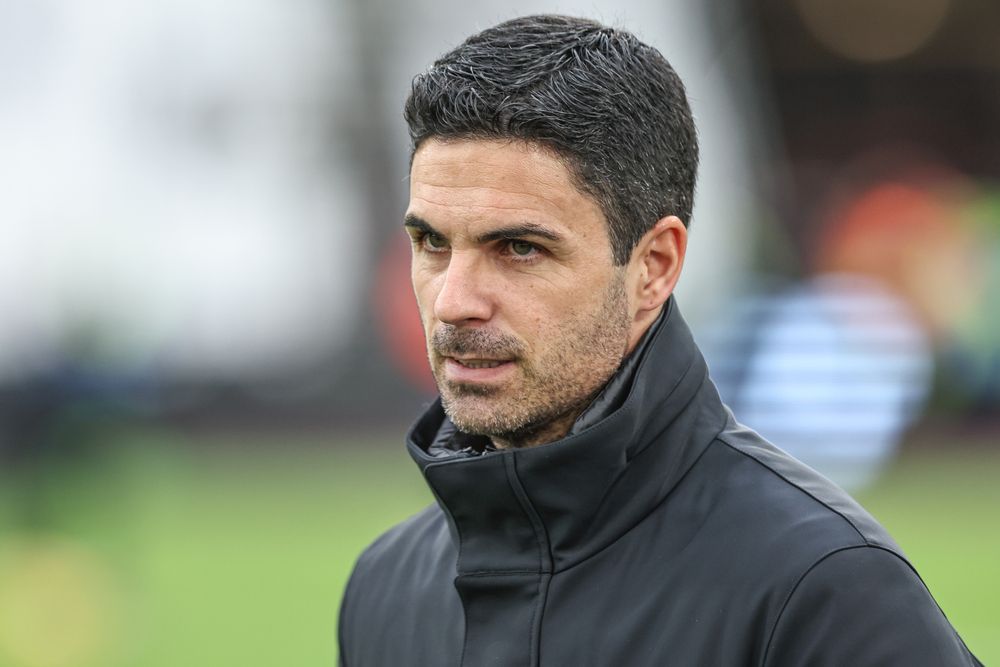
Erling Haaland Reaches His First World Cup as Norway End a Twenty Eight Year Wait
Table of Contents
The last time Norway played at a World Cup, Erling Haaland did not exist. Norway’s previous appearance came at France 1998, in the July before he was born, which means the most feared striker on earth has spent his entire life watching the tournament from the outside, the same as every other Norwegian. That is the strange and lovely truth at the centre of this summer. The man who scores goals at a rate the modern game has rarely seen is, at twenty-five, a World Cup debutant, and he has dragged a country that waited twenty-eight years there almost single-handedly.
Norway are back, and they did not sneak in. They won their qualifying group without dropping a single point, the kind of clean sweep that turns a hopeful nation into a genuine dark horse. For a generation of Norwegian supporters who grew up on near misses and play-off heartbreak, the arithmetic still feels unreal. After twenty-eight years of watching everyone else, they finally have a team, a captain and a number nine worth the wait.
Twenty-Eight Years of Watching Other People
Norwegian football has not been short of talent in the long absence. It has been short of tournaments. Since that 1998 World Cup, where Norway famously beat Brazil in the group stage, the country missed every World Cup and every European Championship that followed, a drought that ran through entire careers. Players came and went, qualifying campaigns collapsed at the final hurdle, and a footballing public that adores the game was left to follow it as spectators rather than participants.
The expanded 48-team World Cup has been criticised in many quarters, and not without reason, but for nations like Norway it has done exactly what it was designed to do. It has widened the door. Combined with the best crop of Norwegian players in living memory, it turned a perennial nearly-team into qualifiers, and Norway took the opportunity with both hands rather than scraping through on the margins.
A Qualifying Campaign Without a Flaw
The numbers from qualifying read like a misprint. Norway topped their group with a perfect record, twenty-four points from eight matches, winning the lot. The campaign was effectively sealed with a thumping win over Italy, a result that sent one of the sport’s traditional giants spinning towards yet another play-off scramble while Norway booked their place at the top.
At the centre of it, inevitably, was Haaland. He scored sixteen goals in just eight qualifying matches, a tally that would flatter most strikers across an entire league season. For Norway he is now the all-time leading scorer, having found the net more than fifty times in fewer than fifty caps, a strike rate that borders on the absurd for international football, where defences are organised and chances are scarce. He has spent years terrorising the Premier League and the Champions League. Qualifying simply confirmed that he does the same in a Norway shirt.
Born in Leeds, Forged in Norway
There is a neat circularity to Haaland’s arrival on this stage, and it runs through his father. Alf-Inge Haaland, known to English fans as Alfie, was a Norwegian international himself, a combative midfielder and defender who played for Nottingham Forest, Leeds United and Manchester City and won thirty-four caps for his country. Erling was born in Leeds in 2000, while his father was playing in England, before the family returned to Norway and raised him in the town of Bryne.
Alfie’s own career was cut short by knee problems, compounded by a notorious challenge from Roy Keane in a Manchester derby, and he retired in 2003. He played in an era when Norway were a tournament side, but his boy grew up after the doors had closed. The image of father and son is hard to resist this summer. The father gave Norway thirty-four caps and a Premier League pedigree. The son is about to give the country something the father’s generation managed and theirs could not sustain, a return to the World Cup, with a chance to go further than anyone expects.
Not a One-Man Team
The lazy version of this story makes Norway a single player and ten passengers. The reality is more interesting. Alongside Haaland stands Martin Odegaard, the Arsenal captain and Norway’s own, a playmaker of rare vision who provided more assists than any other Norwegian in qualifying. The two of them represent the spine of two of the Premier League’s strongest sides, and the supply line between Odegaard’s passing and Haaland’s movement is the most dangerous Norway have ever possessed.
Around that axis, manager Stale Solbakken has built a team that knows its identity. Norway are direct, physical and ruthless in transition, happy to cede possession and strike at speed, a setup that suits the new tournament format. The 48-team World Cup, by rewarding goals and punishing low blocks, plays into the hands of a side with the most lethal finisher on the planet waiting on the last shoulder. Few teams will relish defending deep against Haaland for ninety minutes.
A Group That Will Test the Dream
The draw has not been kind. Norway face France, Iraq and Senegal in their group, a section that pairs them with one of the pre-tournament favourites and a powerful, physical African side in Senegal. There will be no gentle introduction to World Cup football for the debutants. France alone represent the kind of test that separates romantic stories from serious contenders.
Yet that may suit Norway. As underdogs with the world’s best striker, they have nothing to lose and one weapon that can level any contest in a single moment. Tournament football rewards teams who can win tight games through individual brilliance, and Norway carry that threat in a way most nations can only dream of. The statistical models that crunch these things have repeatedly flagged them as a side capable of an upset, precisely because Haaland turns half-chances into goals other strikers never reach.
The Wait Was Worth It
Whatever happens in the group, the achievement is already real. A country that spent twenty-eight years on the outside is back at the World Cup, led by a captain it produced and a striker it can call its own. For Norwegians, the joy is not only in the prospect of a deep run. It is in finally being there at all, in seeing the flag in the tournament their golden generation deserved to grace.
Erling Haaland has won league titles and a Champions League and broken scoring records that may stand for decades. The one thing missing from his career was the stage where footballing immortality is decided. Now he has it, and he arrives not as a passenger but as the reason his country is there. The boy born the summer after Norway last appeared at a World Cup has ended the wait himself. The rest of the tournament can decide how far it goes.
The Pressure of Finally Arriving
For all the celebration, qualification brings a weight of its own. Haaland has carried the expectation of an entire footballing nation for years, and the World Cup is where that expectation becomes inescapable. He has answered every question the club game has asked, but international tournaments have a way of defining how great players are remembered. Diego Maradona, Pele and the rest built their legends in this exact arena. The very best are measured, fairly or not, against the standard of the World Cup, and Haaland now steps into that judgement for the first time.
He has spoken in the past about how much representing Norway means to him, and about the frustration of watching tournaments his country could not reach. That backstory adds an edge to this summer. This is not a player ticking off an appearance. It is a player who grew up in Bryne dreaming of exactly this, who saw his father wear the national shirt and then watched Norway disappear from the sport’s biggest events for the entirety of his childhood. The emotional investment is total.
There is also a tactical curiosity in how teams will try to stop him. Sides have tried sitting deep, doubling up, and physically roughing him up, and none of it has reliably worked over a full match. At a World Cup, where coaches have days to prepare for a single opponent, Norway’s reliance on him becomes both their strength and their vulnerability. Nullify Haaland and you may nullify Norway. The problem, as the Premier League has discovered season after season, is that nullifying Haaland for ninety minutes is far easier to plan than to execute.
What is certain is that neutrals will gravitate to them. A debutant superstar, a country starved of tournaments for almost three decades, a direct and fearless style, and the constant promise of a goal from nothing. Norway are the kind of team World Cups are made richer by, and whether they fall in the group or run deep into the knockouts, their presence alone is one of the best stories the tournament has to offer.

Leave a Comment
More in News
Mourinho Blasts Referee After Atletico Avoid Two Red Cards in Madrid Derby

Cole Palmer Withdraws From England Squad as Gibbs-White Returns Again
Marseille Fans Turn on Owner McCourt as Gomes Can’t Prevent Fifth Straight Loss

Juventus Fans Turn Backs on Silence for Mazzola, Club Slams ‘Lack of Respect’

Trent Alexander-Arnold Returns to the England Squad for the First Time in Over a Year, and Cole Palmer Is Back Too After Their World Cup Snub
Trending on Futbol Chronicle
Michael Carrick points to lack of sharpness after Manchester United draw with West Ham
Why Soccer Is The Best Sport
Celta Vigo postpones LaLiga opener after fungus outbreak damages stadium pitch
Michael Carrick admits Manchester United have “no excuses” after AC Milan defeat