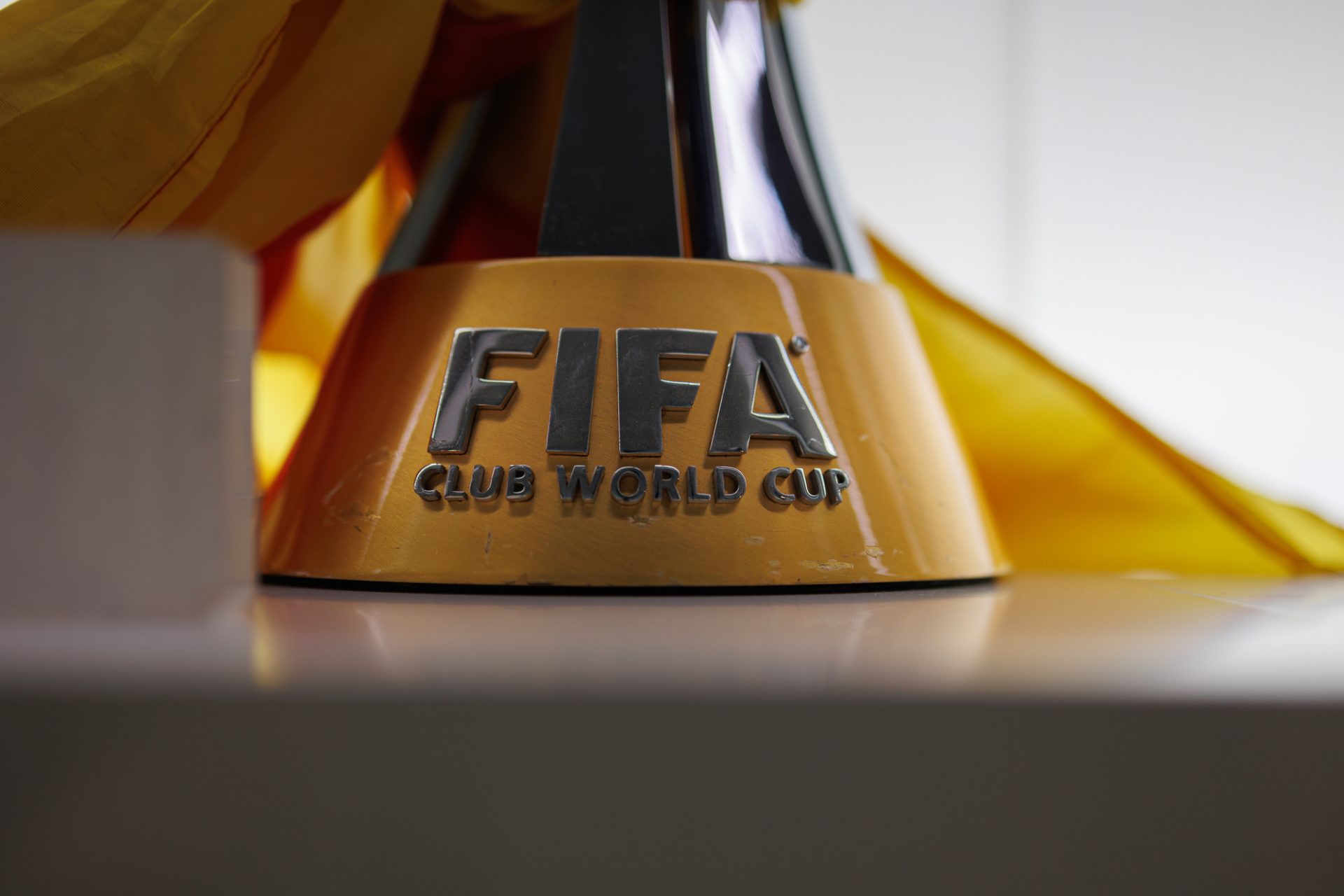
Iran Unlikely to Compete at 2026 World Cup, Sports Minister Says
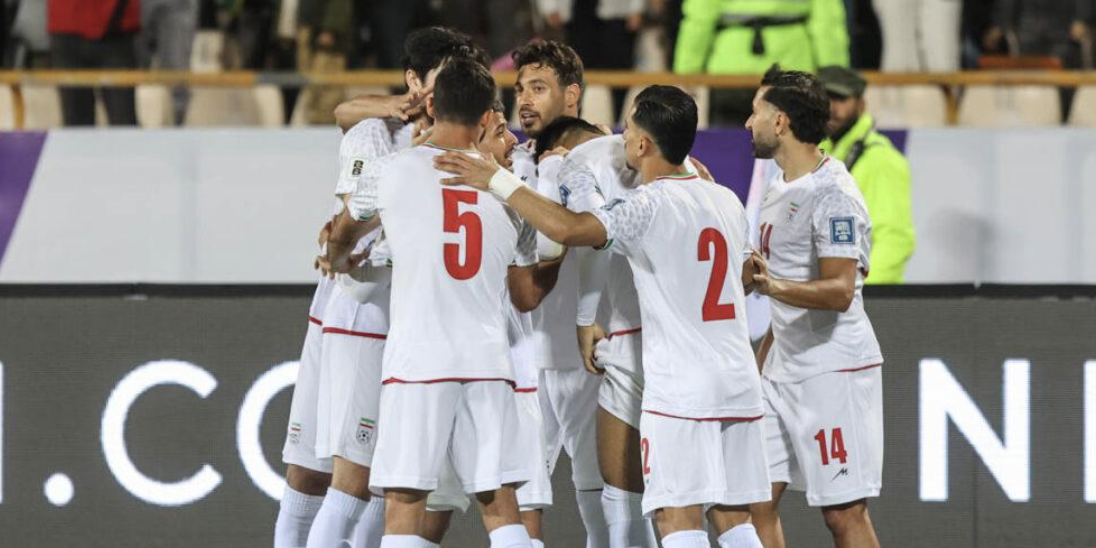
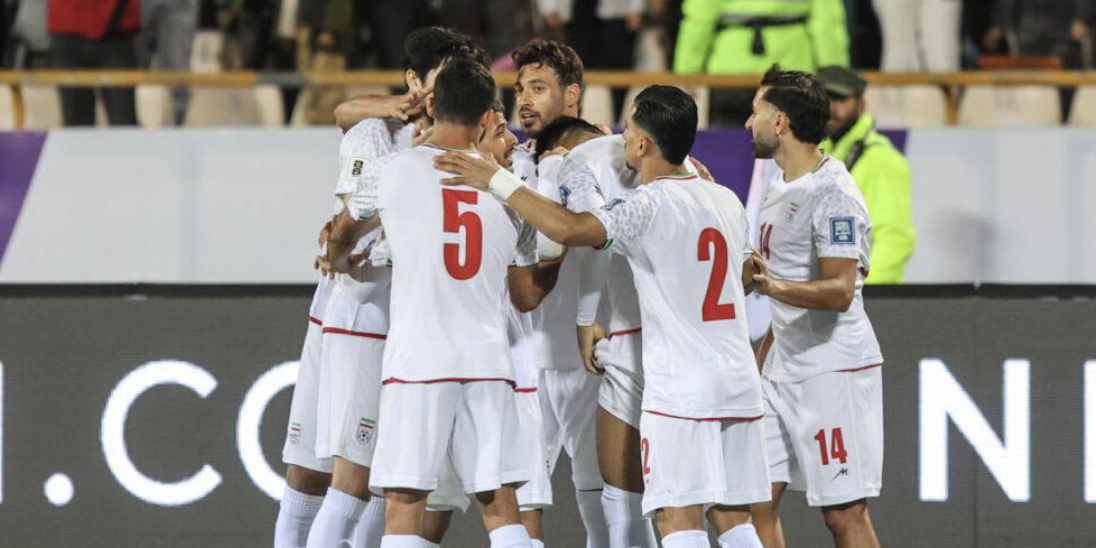
• Iran’s participation at the 2026 World Cup has been thrown into doubt following escalating conflict with the United States and Israel.
• FIFA president Gianni Infantino said Donald Trump has assured him Iran would be welcome to compete.
• Iranian officials have expressed concerns about attending the tournament after recent attacks in the region.
The future participation of the Iran national football team at the 2026 FIFA World Cup remains uncertain following escalating conflict in the Middle East.
Iran’s Supreme Leader Ali Khamenei was killed on the first day of attacks. He has since been succeeded by his son, Mojtaba Khamenei.
The conflict intensified after the United States and Israel began launching airstrikes on Iran on February 28, raising questions about whether Iran will travel to North America for the tournament.
Iran are scheduled to play two group matches in Los Angeles in June against New Zealand national football team and Belgium national football team before facing Egypt national football team in Seattle in their final group stage fixture.
Gianni Infantino said Donald Trump had assured him that Iran would be welcome to compete despite the political tensions.
“This evening, I met with the President of the United States, Donald J. Trump to discuss the status of preparations for the upcoming FIFA World Cup and the growing excitement as we are set to kick off in just 93 days,” Infantino posted on social media.
“We also spoke about the current situation in Iran, and the fact that the Iranian team has qualified to participate in the FIFA World Cup 2026. During the discussions, President Trump reiterated that the Iranian team is, of course, welcome to compete in the tournament in the United States.”
Infantino added that the tournament could serve as a moment of unity.
“We all need an event like the FIFA World Cup to bring people together now more than ever,” he said. “Football unites the world.”
Despite those assurances, Iranian football officials have begun to question whether the team should take part in the tournament.
Mehdi Taj, vice president of the Asian Football Confederation, said the situation had affected the mood surrounding the competition.
“What is certain is that after this attack, we cannot be expected to look forward to the World Cup with hope,” Taj said.
FIFA has not outlined clear procedures if Iran were to withdraw from the tournament. One possibility could see another Asian nation such as Iraq national football team or United Arab Emirates national football team taking their place in Group G.
The situation has also drawn attention after members of Iran’s women’s national team sought asylum following the AFC Women’s Asian Cup in Australia.
Five players initially requested protection, and Australia’s home affairs minister Tony Burke confirmed that another player and a member of staff also sought humanitarian visas. One of those individuals later decided to return to Iran.
Concerns over the team’s safety emerged after the players refused to sing the national anthem before their opening match against South Korea women’s national football team at the tournament, drawing criticism from supporters of the Iranian government.
Trump had earlier urged Australia to grant asylum to the entire squad and said the United States would consider doing so if Australia declined.

Leave a Comment
More in News

Cole Palmer leads Chelsea as captain in FA Cup victory over Port Vale
Virgil van Dijk apologises after Liverpool defeat to Manchester City

Erling Haaland reflects on inconsistent season after hat trick against Liverpool

Arne Slot cautious on Alexander Isak return ahead of Manchester City clash
Pep Guardiola avoids future questions as Manchester City prepare for Liverpool clash
Trending on Futbol Chronicle

Map of All the Premier League Teams for 2025/26
Why Soccer Is The Best Sport

Michael Carrick points to lack of sharpness after Manchester United draw with West Ham
What Is Offsides in Soccer? The Offside Rule Fully Explained