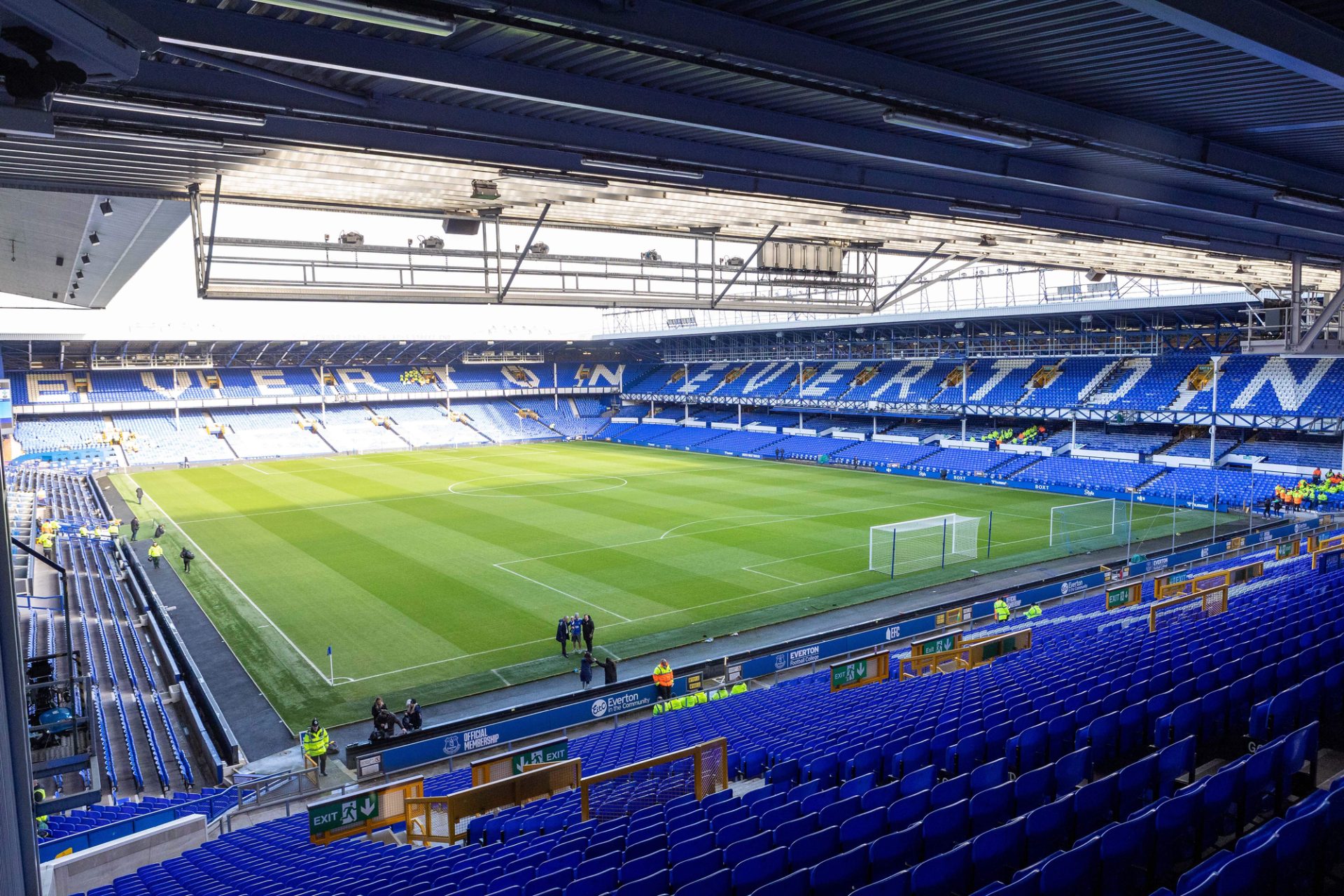
Yoane Wissa Scored DR Congo’s First World Cup Goal 52 Years After Their Debut
Table of Contents
For 52 years, DR Congo had a peculiar place in World Cup history. They had been there, once, as Zaire in 1974, and the experience had become a byword for humiliation. They lost all three matches, conceded 14 goals, and gave the world the surreal image of Mwepu Ilunga charging out of his wall to hammer a free-kick clear before the referee had blown his whistle, a moment replayed for decades as comedy. In all that time, across all those years, they had never scored a single World Cup goal. On 17 June 2026, in Houston, Yoane Wissa changed that forever.
The header came in first-half stoppage time against Portugal, one of the tournament favourites, and it earned the Leopards a 1-1 draw that felt like a victory. Joao Neves had put Portugal ahead inside six minutes, and the script looked familiar. Then Arthur Masuaku swung in a cross, Wissa rose, and a half-century of waiting ended in an instant. It was DR Congo’s first World Cup goal in the nation’s entire history, and the players knew exactly what it meant.
The Goal That Erased a Ghost
To understand the scale of the moment, you have to understand what came before it. The 1974 Zaire side was sent to West Germany by President Mobutu Sese Seko as a showcase of African football, then abandoned when results turned sour. Players later spoke of unpaid bonuses, threats, and fear. The 9-0 defeat to Yugoslavia remains one of the heaviest in World Cup history. For generations of Congolese fans, that tournament was a wound rather than a memory.
Wissa’s header did not just open the scoring. It rewrote the emotional ledger of an entire footballing nation. The 1974 team had become a punchline; the 2026 team became pioneers. When the Brentford forward wheeled away in celebration, he was carrying more than a single equaliser. He was carrying the relief of everyone who had ever winced at the old footage.
The timing sharpened the drama. A goal in stoppage time at the end of the first half is a psychological dagger, sending one team to the dressing room deflated and the other floating. Portugal, expected to win comfortably, suddenly faced a contest. DR Congo, expected to make up the numbers, suddenly believed.
Who Is Yoane Wissa?
Wissa is not a household name in the way Portugal’s galaxy of stars are, but he is a respected Premier League forward who has built a reputation at Brentford as a relentless, intelligent attacker. Born in France to Congolese heritage, he chose to represent DR Congo, joining the wave of diaspora players who have strengthened African and smaller nations at this expanded World Cup. His path mirrors a broader truth about the modern game, that national teams are increasingly built by reconnecting with the children of migration.
For Wissa, the choice to play for DR Congo rather than chase a long-shot France call-up was about identity and opportunity. The Leopards offered him a chance to be central rather than peripheral, to lead a line in a major tournament rather than wait on the fringes of a superpower. That decision delivered the defining moment of his career, his name now permanently attached to a piece of history no future player can ever take from him.
His club form fed directly into the moment. Wissa arrived at the World Cup sharp and confident after a productive season in England, the kind of rhythm that allows a striker to take a half-chance in stoppage time without hesitation. The header against Portugal was not luck. It was the product of timing, positioning, and the calm of a player in form.
The Underdog Spirit of an Expanded World Cup
DR Congo’s draw was one of several results that defined the early days of this tournament. Cape Verde, an archipelago of roughly half a million people, held Spain to a goalless draw. Australia stunned Turkey. The 48-team format, criticised by some as bloated, has delivered exactly the kind of unpredictability its defenders promised. More teams means more debutants, more diaspora stories, and more nights where giants are made to sweat.
The Leopards fit that pattern perfectly. They came through African qualifying that included serious opposition, proving their place was earned rather than gifted by an expanded field. Holding Portugal was not a fluke born of a kind draw. It was a statement from a team that arrived believing it belonged, and a reminder that the gap between football’s elite and its ambitious chasers has narrowed.
For African football specifically, the result carried extra resonance. The continent has long argued that its nations are underrated and under-resourced relative to their talent, and every upset strengthens the case for more places and more respect. Wissa’s goal was a single moment, but it spoke to a larger argument about where the balance of power in world football is heading.
What Comes Next for the Leopards
One point against Portugal does not guarantee progress, and DR Congo know the hard work continues. But they have already achieved something no Congolese team managed in 52 years, and they have done it with a draw that keeps their hopes of reaching the knockout stage alive. Confidence, in tournament football, is a currency, and the Leopards are suddenly rich in it.
The wider lesson is about belief. A nation that had carried the burden of 1974 for half a century has finally replaced that memory with something to celebrate. Whatever happens in their remaining group matches, DR Congo’s supporters will always have Houston, the night Yoane Wissa rose to meet a cross and ended the longest wait in their football history.
The old footage of Mwepu Ilunga will still circulate, because the internet never forgets. But now it sits alongside a new clip, a header in stoppage time that finally gave Congolese football the World Cup moment it had been denied for so long. Some ghosts take 52 years to lay to rest. This one was buried in a single leap.

Leave a Comment
More in News

Moyes Says Everton Supporters Are Not Wrong to Fear Losing Harrison Armstrong

Iraola Faces Alexander Isak Puzzle as Liverpool Search for Their First Win

De Zerbi Admits Finding the Right Mentality Is Tottenham’s Biggest Challenge

Emiliano Martinez Closes In On Chelsea Move After Robert Sanchez Error

Simeone Vows To Make Alvarez Feel Important Again Amid Barcelona Exit Talk
Trending on Futbol Chronicle
Arab football federations back Gianni Infantino as FIFA president faces growing opposition
The Best World Cup YouTubers to Follow in 2026
Map of All the Premier League Teams for 2025/26
Mikel Arteta backs ‘warrior’ Bruno Guimarães to make Arsenal stronger